Comprehensive Guide to Power Transformer Types and Working Principles

Power transformers can be classified into several categories based on their purpose, structure, and other characteristics:
According to purpose:
Step-up transformer: Increases voltage from low to high levels, enabling efficient long-distance power transmission.
Step-down transformer: Decreases voltage from high to low levels, supplying power to local or nearby loads through distribution networks.
According to phase number:
Single-phase transformer
Three-phase transformer
According to winding arrangement:
Single-winding transformer (autotransformer), providing two voltage levels
Double-winding transformer
Triple-winding transformer
According to winding material:
Copper wire transformer
Aluminum wire transformer
According to voltage regulation:
No-load tap changer transformer
On-load tap changer transformer
According to cooling medium and method:
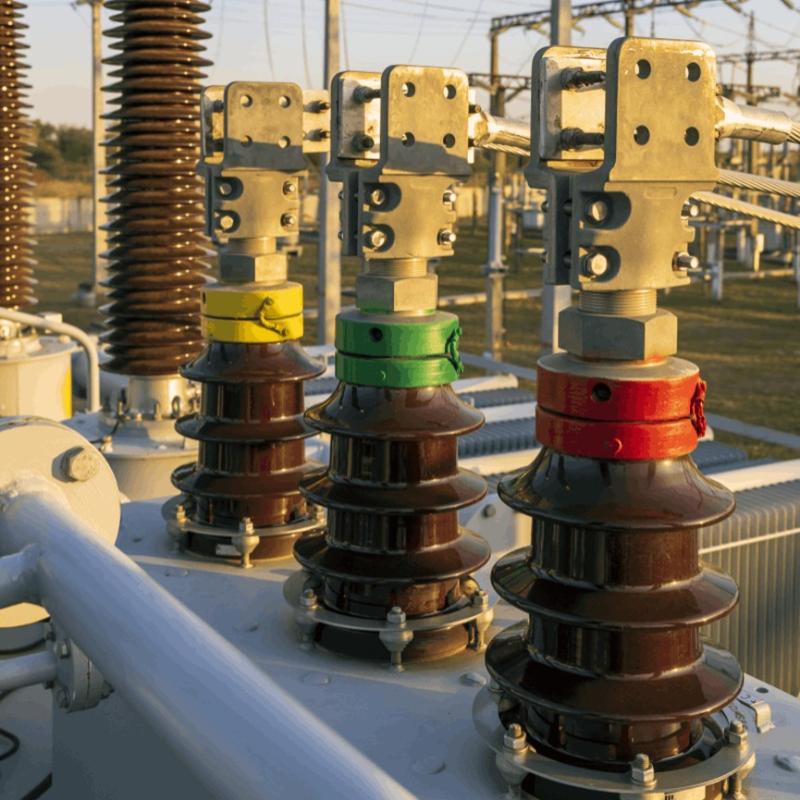
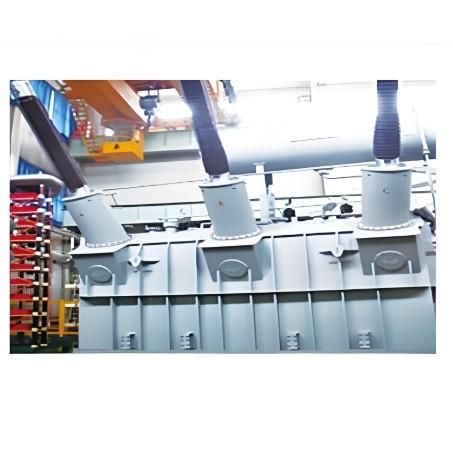
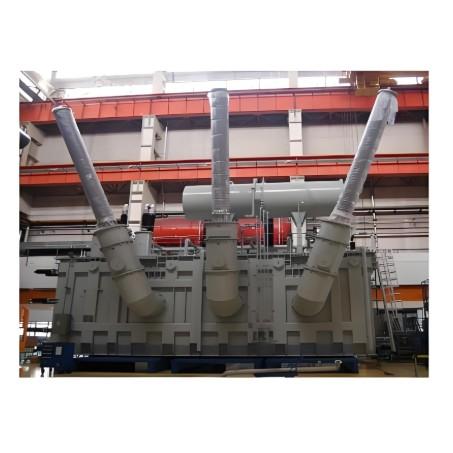
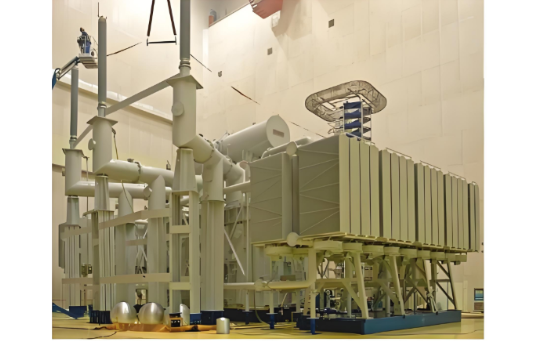
Oil-immersed transformer: Cooling methods include natural cooling, forced air cooling (using fans on radiators), and forced oil circulation with air or water cooling, commonly used in large power transformers.
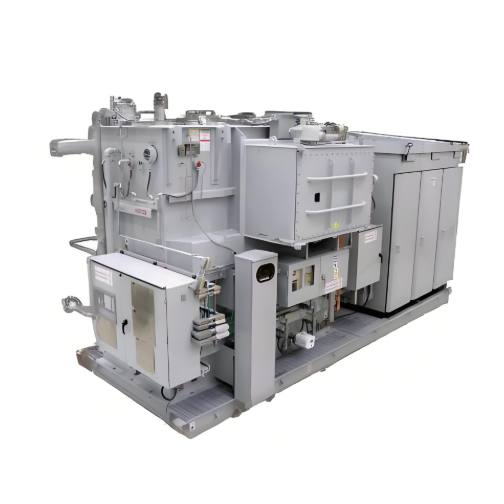
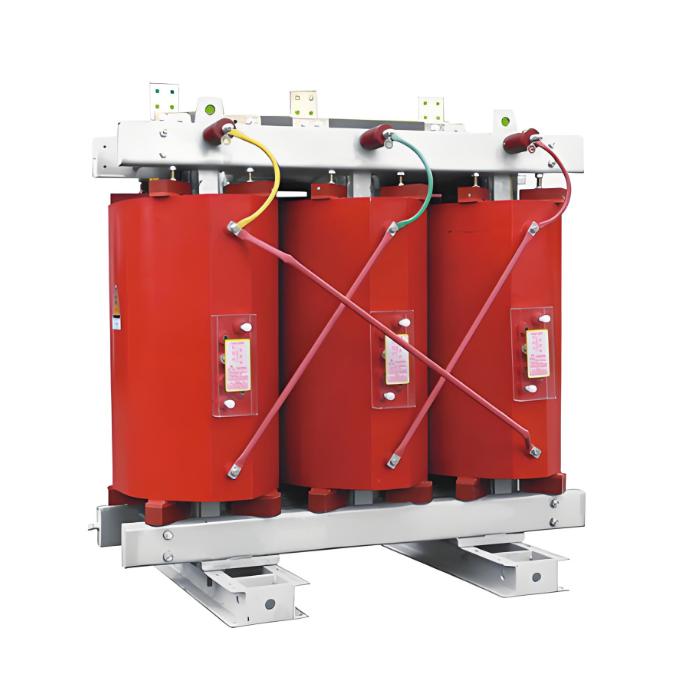
Dry-type transformer: Windings are either exposed to a gaseous medium (such as air or sulfur hexafluoride) or encapsulated in epoxy resin. Widely used as distribution transformers, dry-type units are currently available up to 35 kV and have strong application potential.
Working Principle of Transformers:
Transformers operate on the principle of electromagnetic induction. Unlike rotating machines such as motors and generators, transformers function at zero rotational speed (i.e., they are static). The core components are the windings and the magnetic core. During operation, the windings form the electrical circuit, while the core provides the magnetic path and mechanical support.
When AC voltage is applied to the primary winding, an alternating magnetic flux is established in the core (converting electrical energy into magnetic energy). This changing flux links with the secondary winding, inducing an electromotive force (EMF). When a load is connected, current flows in the secondary circuit, delivering electrical energy (converting magnetic energy back into electrical energy). This "electric–magnetic–electric" energy conversion process constitutes the fundamental operation of a transformer.