How Transient Protection Systems Safeguard Electrical Equipment from Voltage Spikes and Surges
Transient protection systems (TPS) are designed to protect electrical equipment from voltage spikes and surges, which can be caused by events such as lightning strikes, grid switching operations, capacitor bank switching, short circuit faults, and more. These transient overvoltage events can lead to equipment damage or performance degradation. Below are the detailed mechanisms through which transient protection systems provide protection:
1. Rapid Response
One key feature of transient protection systems is their ability to respond quickly to voltage spikes and surges. Typically, these systems have response times in the nanosecond to microsecond range, allowing them to detect and suppress transient overvoltages almost instantaneously.
Metal Oxide Varistors (MOV): MOVs are a common transient protection component with nonlinear voltage-current characteristics. When the voltage exceeds a certain threshold, the resistance of the MOV drops sharply, clamping the overvoltage to a safe level.
Gas Discharge Tubes (GDT): GDTs dissipate overvoltage energy by creating an arc between two electrodes. When the voltage reaches a certain level, the gas inside the GDT ionizes, forming a conductive path for current to flow and dissipate energy.
Transient Voltage Suppression Diodes (TVS): TVS diodes can respond within nanoseconds and clamp overvoltages to a specific safe voltage range.
2. Energy Absorption and Dissipation
In addition to rapid response, transient protection systems need to absorb and dissipate the energy from overvoltage events. Different types of protective devices have varying energy-handling capabilities:
MOV: MOVs can absorb large amounts of energy, making them suitable for handling high-energy surges. They are typically installed at the power entry point to handle significant voltage spikes.
GDT: GDTs are primarily used in high-voltage applications, capable of operating under high voltage conditions and are suitable for lightning protection and other high-energy transient events.
TVS Diodes: Although TVS diodes have relatively low energy absorption capacity, their fast response time makes them ideal for fine protection of sensitive electronic equipment.
3. Multi-Level Protection
To ensure comprehensive protection, transient protection systems often employ multi-level protection strategies. This layered approach effectively addresses different magnitudes and frequencies of transient overvoltages:
Primary Protection (Coarse Protection): Usually located at the power entry point, using large-capacity protection devices like MOVs and GDTs to absorb and dissipate large energy surges.
Secondary Protection (Fine Protection): Positioned inside the equipment or near sensitive electronic components, using lower-energy protection devices like TVS diodes for more precise protection.
Tertiary Protection (Signal Line Protection): For communication lines, data transmission lines, and other sensitive signal lines, specialized protection devices such as Signal Line Protectors (SLP) are used to prevent transient overvoltages from entering the equipment via signal lines.
4. Isolation and Filtering
Besides directly absorbing and dissipating overvoltage energy, transient protection systems also use isolation and filtering techniques to further reduce the impact of transient overvoltages on equipment:
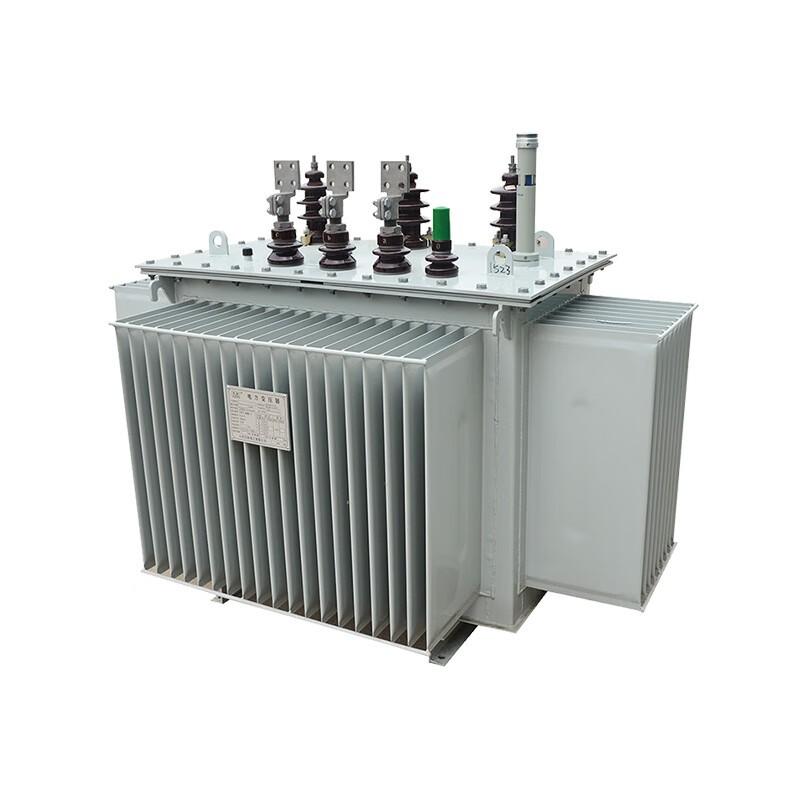
Isolation Transformers: Isolation transformers provide electrical isolation between input and output, preventing transient overvoltages from transferring from the input side to the output side.
Filters: Filters remove high-frequency noise and transient pulses, preventing these disturbances from entering the equipment. Common filters include Electromagnetic Interference (EMI) filters and Radio Frequency Interference (RFI) filters.
5. Grounding System
A well-designed grounding system is a crucial part of transient protection. Effective grounding provides a low-impedance path for transient overvoltages to rapidly dissipate to the earth, thereby preventing damage to equipment:
Ground Resistance: Ground resistance should be as low as possible to ensure that transient overvoltages can quickly dissipate.
Equipotential Bonding: By connecting all metal enclosures and grounding terminals of equipment together, equipotential bonding prevents arcs and sparks caused by potential differences.
6. Monitoring and Alarming
Some advanced transient protection systems also feature monitoring and alarming functions, allowing real-time monitoring of system status and triggering alarms or taking appropriate actions when abnormalities are detected:
Status Indicator Lights: Display the working condition of the transient protection device, such as normal, fault, or failure.
Remote Monitoring: Through network interfaces or communication modules, remote monitoring and management can be achieved, enabling timely detection and resolution of potential issues.
7. Durability and Reliability
The design of transient protection systems must consider long-term durability and reliability. This includes selecting appropriate materials, designing effective heat dissipation structures, and conducting rigorous testing and certification:
Durability Testing: Simulating various stress conditions in actual working environments, such as temperature changes, humidity, vibration, etc., to verify the long-term stability of protective devices.
Reliability Certification: Many transient protection products need to pass international standard certifications, such as IEC 61643 (Low-Voltage Surge Protective Devices), UL 1449 (Surge Protective Devices), etc.
Summary
Transient protection systems safeguard electrical equipment from voltage spikes and surges through rapid response, energy absorption and dissipation, multi-level protection, isolation and filtering, grounding systems, monitoring and alarming, and ensuring durability and reliability. Proper design and selection of transient protection systems can significantly enhance the reliability and lifespan of electrical equipment.