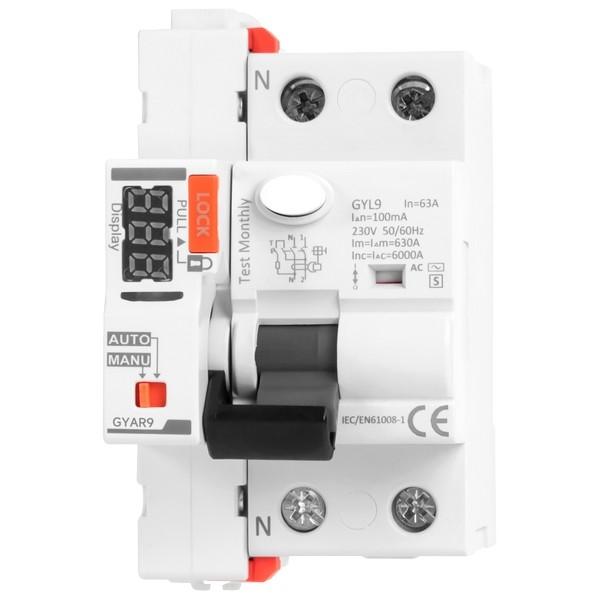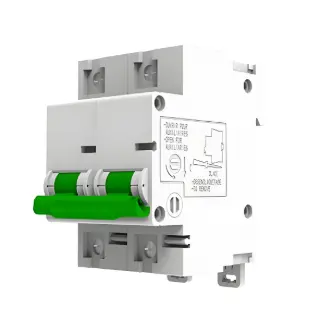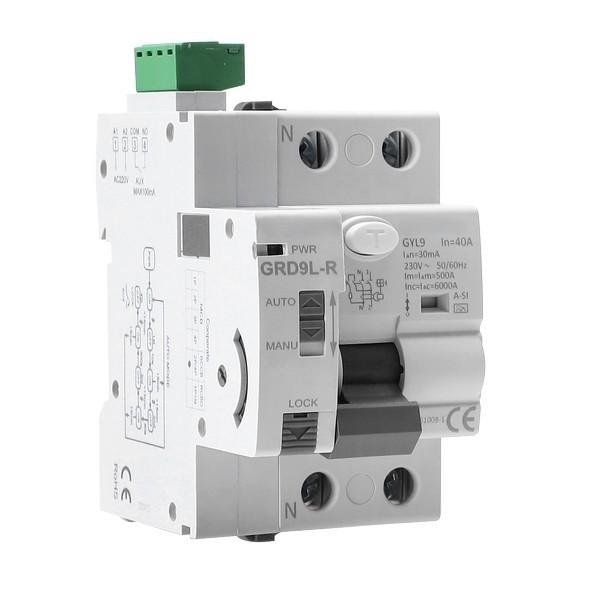
There is indeed a correlation between the size of the circuit breaker (which usually refers to its rated current, which is the number of amps) and its strength (which is its ability to protect). The size selection of the circuit breaker should be based on the specifications of the wires in the circuit and the expected maximum load current. Here's a detailed explanation:
The relationship between circuit breaker size and strength
Protection ability
The size (rated current) of the circuit breaker determines the maximum current it can withstand. When the current exceeds the rated value of the circuit breaker, the circuit breaker will trip, cutting off the power supply, thereby protecting the circuit from overcurrent or short circuit damage.
Selection basis
The selection of circuit breakers is usually based on the current carrying capacity of the wires in the circuit (i.e. the maximum current that the wires can safely carry). The rated current of the circuit breaker should not be greater than the carrying capacity of the wire to ensure that the wire will not overheat or fuse due to overcurrent.
Relationship between smaller wires and high amperage circuit breakers under the same load
It is inappropriate and unsafe to use a smaller diameter (cross-sectional area) wire with a higher amperage circuit breaker under the same load. Here's why:
Overload risk
Thinner wires have lower carrying capacity. If a circuit breaker with a high amperage is used, the wire may overheat or even fuse when the current exceeds the current carrying capacity of the wire but does not reach the breaker trip threshold, resulting in safety accidents such as fire.
Protection mismatch
The level of protection between the wire and the circuit breaker should match. If the rated current of the circuit breaker is higher than the carrying capacity of the wire, the circuit breaker will not trip in time when the current exceeds the safe carrying capacity of the wire, thus losing its protective effect.
The right way to pair
In order to ensure the safety of the circuit, the following steps should be followed to select the appropriate wire and circuit breaker:
Determined load current
The required current is calculated from the maximum expected load in the circuit.
Choose the right wire
Select a wire with sufficient carrying current according to the load current. The cross-sectional area of the wire should at least be able to withstand the maximum expected current in the circuit.
Select the appropriate circuit breaker
The rated current of the circuit breaker should be slightly greater than or equal to the carrying current of the wire, but not too large to ensure that the circuit breaker can cut off the power supply in time when the wire is overloaded.
Give an example
Suppose you have A circuit where the maximum expected load current is 15 amps (A) :
Select wire
Select a wire with at least 15A carrying capacity. For example, AWG 14 wire can normally carry 15A of current.
Select circuit breaker
Select a circuit breaker with a rated current of 15A or slightly greater. For example, a circuit breaker of 15A or 20A can be selected, but it is not recommended to choose a circuit breaker greater than 20A, because this may cause the wire to overload.
Sum up
There is a close correlation between the size of the circuit breaker and its strength, and the correct pairing can ensure the safety of the circuit. Smaller diameter wires should not be used with higher amperage circuit breakers under the same load, as this increases the risk of overload and can lead to safety incidents. For the safe operation of the circuit, the matching of the wire and circuit breaker should be selected based on the load current and the carrying capacity of the wire.