Purpose of HV and LV Bushings in Transformers
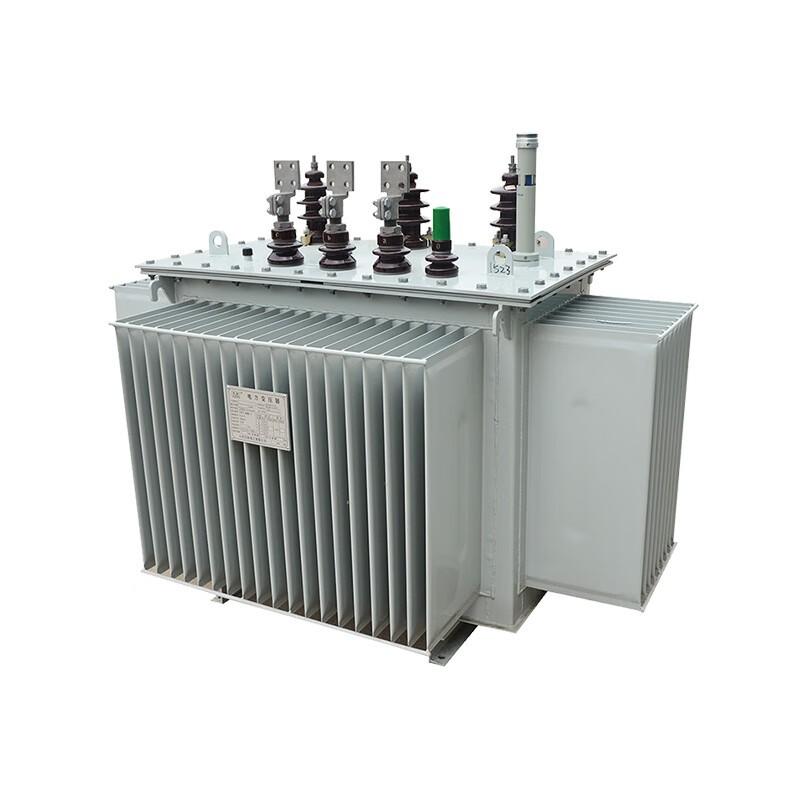
In transformers, High Voltage (HV) bushings and Low Voltage (LV) bushings are crucial components. Their primary purposes are to safely and reliably conduct current from inside the transformer to external circuits or vice versa. Below are their specific uses and functions:
High Voltage (HV) Bushings
Insulation Function:
Electrical Isolation: The main function of HV bushings is to provide high voltage insulation, ensuring that high-voltage current can be safely transferred from inside the transformer to the external grid or load without causing electrical arcs or other faults.
Withstand High Voltages: Since the HV side typically carries significantly higher voltages (e.g., tens of kilovolts), HV bushings must have excellent insulating properties to withstand these high voltages without breakdown.
Mechanical Protection:
Physical Protection: HV bushings not only need to provide electrical insulation but also protect internal conductors from mechanical damage caused by external environments (such as dust, moisture, contaminants, etc.).
Sealing: Bushings must also offer good sealing performance to prevent outside air, moisture, and other elements from entering the transformer, which could affect its normal operation.
Heat Dissipation:
In some designs, HV bushings can also assist in heat dissipation, especially in large-capacity transformers where the current is significant. The design of HV bushings needs to consider heat dissipation issues.
Low Voltage (LV) Bushings
Insulation Function:
Electrical Isolation: Although LV bushings handle lower voltages, they still need to provide adequate insulation to ensure that low-voltage current can be safely transferred from inside the transformer to external circuits, preventing short circuits or other electrical faults.
Withstand Low Voltages: Despite the lower voltage, LV bushings still require a certain level of insulation strength to prevent partial discharge or insulation breakdown.
Mechanical Protection:
Physical Protection: Similar to HV bushings, LV bushings also need to protect internal conductors from external environmental influences.
Sealing: Like HV bushings, LV bushings must also have good sealing performance to prevent contaminants from entering the transformer.
Connection Function:
External Connections: LV bushings are typically used to connect the low-voltage side of the transformer to external loads or grids, ensuring smooth current transmission.
Flexibility: In some applications, the design of LV bushings may be more flexible, allowing for easier installation and maintenance.
Summary
High Voltage (HV) bushings are primarily used to handle the current on the transformer's high-voltage side, ensuring electrical insulation and mechanical protection under high voltage conditions, and preventing external environmental impacts on the transformer's interior.
Low Voltage (LV) bushings are used to handle the current on the low-voltage side. Although the voltage is lower, they still need to provide sufficient insulation and mechanical protection to ensure safe current transmission.
Together, both types of bushings ensure that the transformer can operate safely and reliably at different voltage levels.