Analysis of Four Major Power Transformer Burnout Cases

Case One
On August 1, 2016, a 50kVA distribution transformer at a power supply station suddenly sprayed oil during operation, followed by burning and destruction of the high-voltage fuse. Insulation testing revealed zero megohms from the low-voltage side to ground. Core inspection determined that damage to the low-voltage winding insulation had caused a short circuit. Analysis identified several primary causes for this transformer failure:
Overloading: Load management has historically been a weak point at grassroots power supply stations. Before rural electricity system reforms, development was largely unplanned. Transformer burnouts were common occurrences during Spring Festival, farming seasons, and drought periods when irrigation was needed. Although management systems have been implemented, the management capabilities of rural electricians need improvement. Rural power loads grow rapidly with strong seasonal patterns and lack planned management. Long-term overloading causes transformer burnout. Additionally, as farmers' incomes have significantly increased, household appliance loads have grown rapidly, and rural individual processing industries centered around households have developed quickly, resulting in substantial power load growth. While distribution equipment investment is considerable, limited funding means transformer replacement cannot keep pace with load growth, causing transformers to burn out from overloading.
Furthermore, rural electricity loads are difficult to manage, and planned electricity usage awareness is weak. During peak load periods such as irrigation, farming seasons, and evening hours, competition for electricity usage becomes problematic, contributing to transformer burnout.
Three-Phase Load Imbalance: When three-phase loads are unbalanced, asymmetric three-phase currents occur, creating zero-sequence current in the neutral line. The zero-sequence magnetic flux generated by this current induces zero-sequence potential in the transformer windings, displacing the neutral point potential. The phase with higher current becomes overloaded, damaging winding insulation, while the phase with lower current cannot reach its rated capacity, reducing transformer output efficiency. Poor connections at the low-voltage terminals and neutral terminal of overloaded transformer windings can cause heating, aging and deformation of rubber seals and oil gaskets, leading to oil leakage and terminal burnout.
Short Circuit Faults: Whether single-phase ground faults or phase-to-phase short circuits, the small impedance of distribution transformer low-voltage windings produces extremely high short-circuit currents. Particularly with close-proximity short circuits, fault currents can reach more than 20 times the transformer's rated current. These powerful short-circuit currents generate substantial electromagnetic impact forces and heat that damage distribution transformers, making short circuits the most destructive failure mode for transformers.
Current primary causes of short circuit faults include:
Poor clearance for low-voltage distribution lines, where fallen trees or vehicles hitting poles cause short circuits
Improper installation, operation, or maintenance of low-voltage circuit breakers, causing short circuits at breaker terminals
Poor installation or inadequate maintenance of low-voltage metering boxes mounted on transformers, causing close-proximity short circuits
Countermeasures:
Properly configure low-voltage fuses to melt when low-voltage current exceeds the transformer's rated current, protecting the transformer. Low-voltage fuses should be sized at 1.5 times the transformer capacity.
Measure transformer loads during high-demand periods and promptly replace overloaded transformers.
Strengthen operation and maintenance by replacing cracked insulators, clearing line corridors, and preventing phase-to-phase short circuits to protect transformers.
Case Two
In 2015, a power bureau experienced 32 transformer burnouts. Most were produced by a single manufacturer. After extensive core inspections and oil sampling, it was discovered that 80% of the transformer oil samples contained water. Further analysis revealed that the oil filling pipes of the conservators on these transformers had poor sealing. During rainfall, water would accumulate in the pipes for extended periods and gradually seep into the transformers. Over time, the water content in the transformer oil continuously increased, reducing its insulating properties and causing transformer failures.
Countermeasures:
Install metal cups over the oil filling pipes to isolate them from direct water contact. After installing these cups on all transformers of this type, the number of burnouts decreased significantly.
Conduct annual oil sampling tests on distribution transformers and promptly replace transformer oil when test results are unsatisfactory.
Case Three
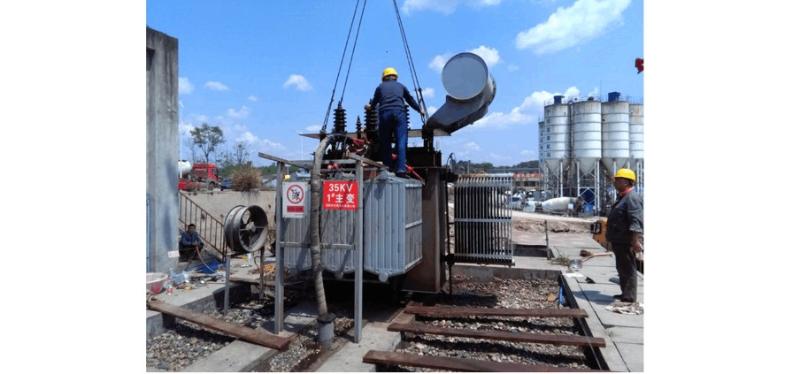
In 2018, a power transformer at a supply station burned out on a clear, sunny day when the load was not heavy. Core inspection revealed obvious short circuit arcing points on the high-voltage coil, caused by poor insulation leading to a short circuit.
Analysis: This type of transformer failure lacks obvious external factors, making it difficult to identify the cause without core inspection. Most such failures occur because the transformer's insulation performance degrades over long-term operation, and timely measures aren't taken. Eventually, the insulation cannot meet operational requirements, causing the transformer to burn out.
Countermeasures:
Conduct annual insulation resistance testing on distribution transformers, maintain records, and analyze trends. Promptly replace transformers when insulation values fall below requirements to prevent burnouts.
Regularly monitor the insulation of transformers frequently located in lightning-prone areas to prevent failures due to degraded insulation.
Case Four
On July 6, 2017, during a thunderstorm, a transformer located on a mountain top at a power supply station experienced burning of its high-voltage fuse and oil spraying. Insulation testing showed zero megohms from high-voltage to ground, indicating transformer damage.
Analysis: The cause of this transformer failure was lightning-induced overvoltage, which broke down the transformer's insulation, leading to a short circuit.
Countermeasures:
Improve the grounding resistance of transformer surge arresters to ensure values remain within reasonable limits.
Conduct annual insulation testing of both high and low-voltage surge arresters on distribution transformers, promptly replacing any that fail to meet standards.
Strengthening Personnel Management to Prevent Accidents
The operational condition of distribution transformers is inseparably related to management quality. With meticulous management, transformer burnout incidents can be effectively prevented.
Understand load conditions for each transformer area: Power management personnel should regularly assess user loads, monitoring both increases in household appliances for residential users and expansion of factories and mines, additional machinery, and increased heating/cooling equipment. This information can be gathered through meter reading and regular field visits to maintain accurate awareness.
Summarize past experiences and lessons: Understand the patterns of how seasonal climate changes affect equipment. Strengthen and improve weak points and potential hazards revealed during disasters, implementing targeted preventive measures such as adjusting transformer overload protection based on actual conditions to improve equipment resilience against natural disasters.
Conduct proactive load analysis and forecasting: Using first-hand data gathered from the previous two points, scientifically perform load forecasting and implement appropriate upgrades including line modifications, load redistribution, and transformer capacity increases. Strengthen equipment inspections during wind, snow, freezing rain disasters, and extreme cold periods to prevent failures and improve equipment reliability while reducing transformer burnouts.
Emphasize staff responsibility: First, establish a strong service consciousness focused on user service and guaranteeing quality, stable voltage. Personnel should be skilled at identifying potential hazards and listening to user feedback, addressing problems promptly without delay. Equipment should never be operated with known faults or problems ignored. Management should shift from passive response to proactive execution and from routine execution to creative implementation. Second, accountability must be enforced. Without accountability mechanisms, job responsibilities and regulations become meaningless. Strict accountability must be enforced for staff who neglect duties, abuse authority for personal gain, perform perfunctory work, or fail to effectively implement measures—resulting in unresolved user issues, unaddressed hazards, or equipment damage. Only by integrating responsibility fulfillment with rigorous accountability mechanisms can work accountability be strengthened, operational efficiency enhanced, implementation effectiveness improved, user needs better served, human-induced power incidents prevented, and equipment operational integrity maintained.
Conclusion
In summary, power transformers can fail for many reasons during operation, but with strengthened management and maintenance, human-caused transformer failures can be significantly reduced. This improves power supply reliability while reducing maintenance costs for power companies, benefiting both enterprises and users. This demonstrates the significant practical importance of analyzing transformer failures and implementing appropriate countermeasures.