How to Increase Transformer Capacity? What Needs to Be Replaced for Transformer Capacity Upgrade?
Transformer capacity upgrade refers to improving the capacity of a transformer without replacing the entire unit, through certain methods. In applications requiring high current or high power output, transformer capacity upgrades are often necessary to meet demand. This article introduces methods for transformer capacity upgrade and the components that need to be replaced.
A transformer is a critical electrical device that converts AC voltage and current into required output levels through electromagnetic induction. The capacity of a transformer refers to the maximum power it can deliver under specified operating conditions. Insufficient transformer capacity leads to unstable current and voltage, adversely affecting the normal operation of connected equipment.
So, how can transformer capacity be increased? Generally, there are several methods:
Replace the Core
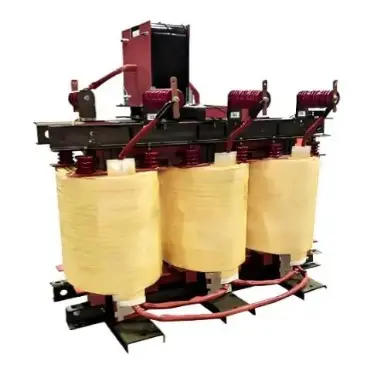
The core is a key component of a transformer, primarily used to strengthen the magnetic circuit and facilitate electromagnetic induction to produce output voltage. The size and quality of the core determine the transformer’s output power. If the core is too small or made of poor-quality material, the transformer cannot deliver sufficient power. Therefore, replacing the core is an effective way to increase capacity. Installing a high-quality core enhances the magnetic circuit, improves conversion efficiency, and thereby increases output power.
Replace the Windings
Windings are another essential part of a transformer, responsible for delivering electrical energy to the load. The design and quality of windings directly affect the transformer’s output power. Undersized or poorly designed windings restrict current output. Thus, replacing windings with appropriately sized ones is an effective capacity upgrade method. Suitable windings enhance the transformer’s current output capability and increase overall power delivery.
Enhance the Cooling System
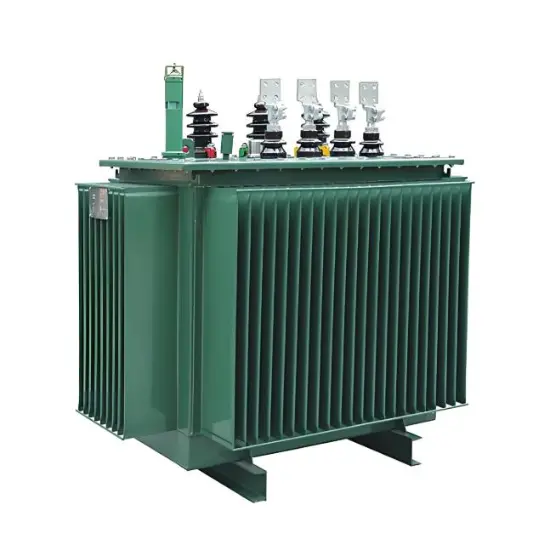
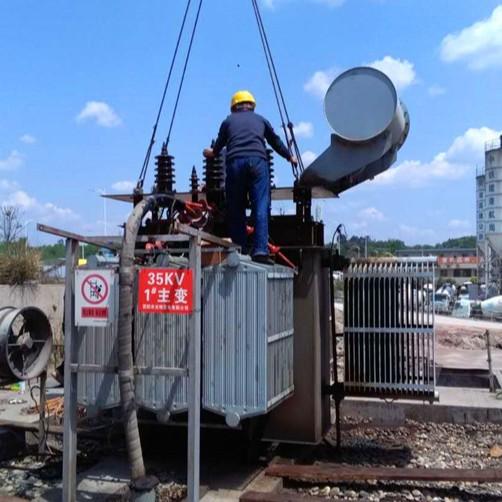
Transformer output power is highly sensitive to temperature. Rising temperatures increase winding resistance, limiting output power. Therefore, improving the cooling system effectively boosts output capacity. Cooling systems typically include radiators, fans, and other components. Appropriately enhancing the cooling system reduces transformer temperature and increases output power.
Add Transformers in Parallel
Connecting two or more transformers in parallel to jointly supply power to a load is known as parallel operation. This approach increases total output power and is an effective method for capacity expansion. The number and capacity of paralleled transformers must be selected based on load current and voltage requirements.
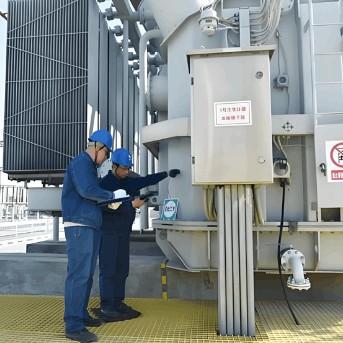
In summary, multiple methods exist for transformer capacity upgrade, and the appropriate approach should be chosen based on actual conditions. Before upgrading, all transformer components should be carefully inspected to ensure proper operation after the upgrade.
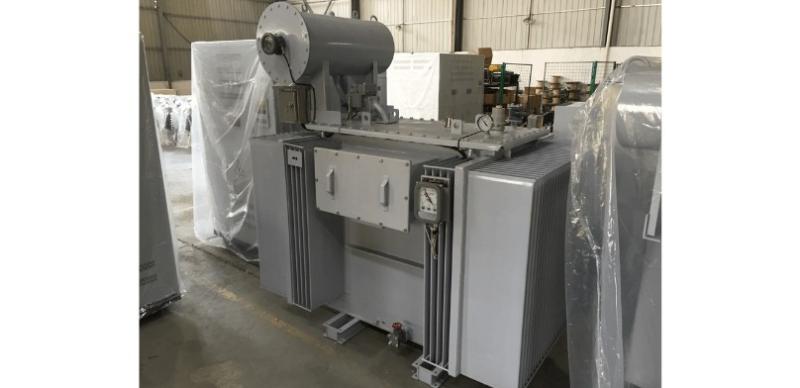
In addition to the above methods, certain components may need replacement to increase output power. Common parts requiring replacement include:
Replace Transformer Coils
If transformer coils suffer from open circuits or short circuits, current output becomes unstable, reducing output power. In such cases, the coils must be replaced.
Replace Insulation Materials
Insulation materials provide critical isolation within the transformer. Aged or damaged insulation can cause winding short circuits or leakage currents, affecting output power. Replacing insulation materials ensures reliable transformer operation.
Replace Transformer Oil
Transformer oil protects internal components and plays a vital role in heat dissipation. Degraded or contaminated oil impairs cooling performance and reduces output power. Replacing the oil is necessary to maintain normal operation.
Overall, transformer capacity upgrade is a significant technical task. It requires thorough inspection of all components, selection of suitable upgrade methods, and replacement of necessary parts to enhance output power and stability. Only by ensuring safety during implementation can normal equipment operation be guaranteed and the transformer’s service life extended.