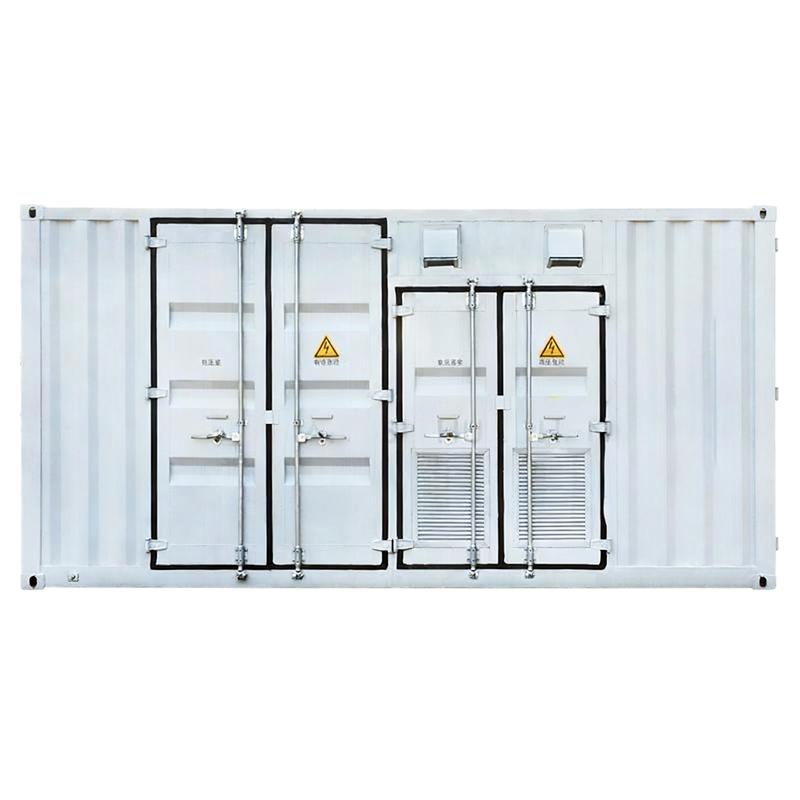
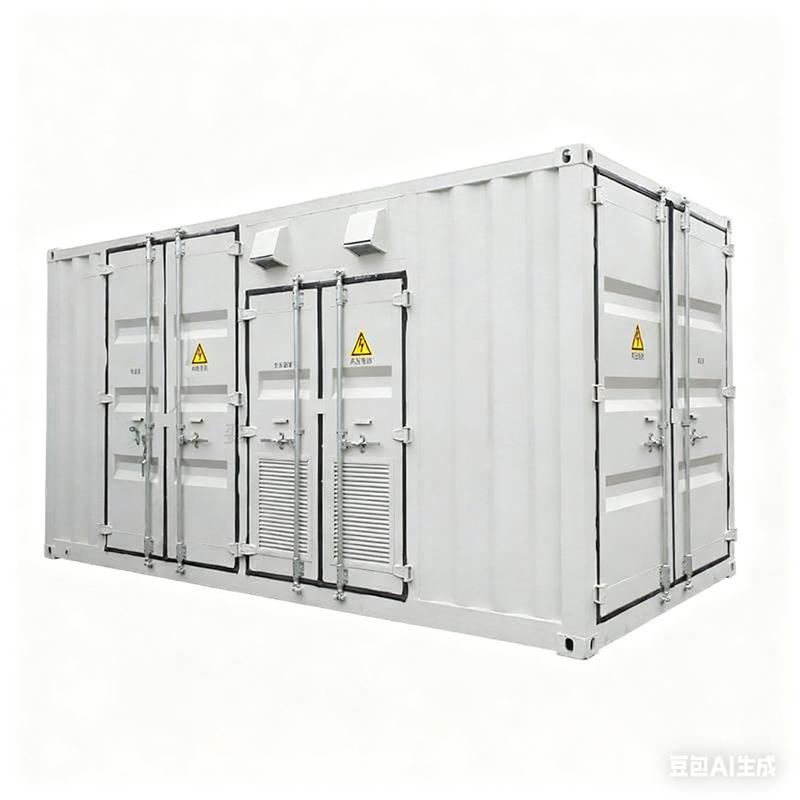
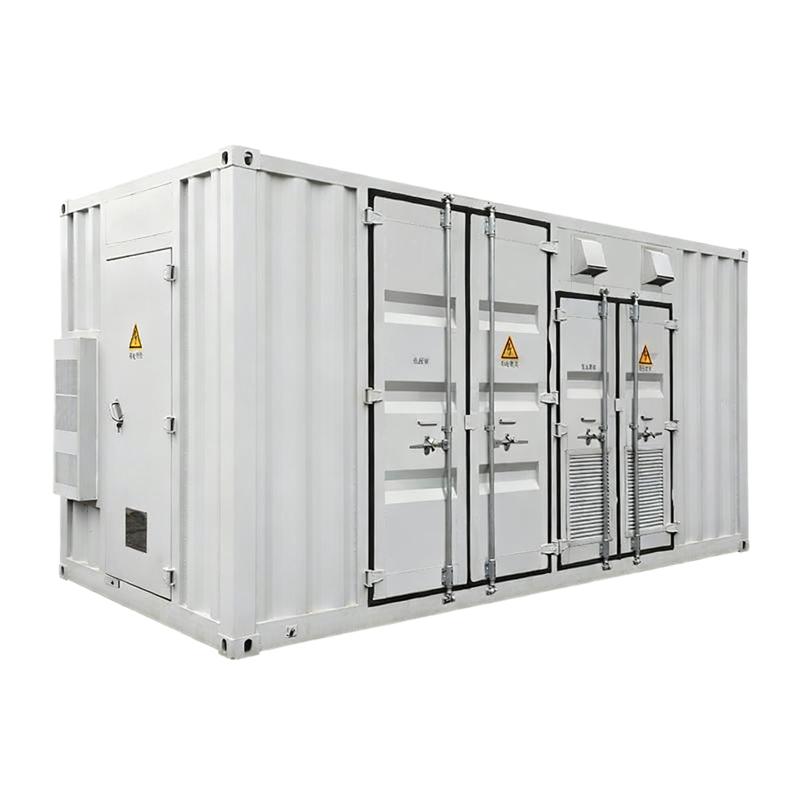
Prefabricated New Energy substation
Key attributes
| Brand | Wone Store |
| Model NO. | Prefabricated New Energy substation |
| Rated voltage | 10kV |
| Series | NESUB |
Product descriptions from the supplier
Product Description
This Transformer Substation product series is a diverse range of innovative power transformation and distribution equipment, tailored to optimize energy efficiency, enhance grid stability, and support the full lifecycle of new energy power generation systems. This series integrates multiple specialized substation types, including Integrated Multi-Branch Converter & Booster Chambers, Inverter Step-Up Integrated Box-Type Substations, New Energy Transformer Substations, Prefabricated Cabin Substations (e.g., YB Preinstalled Type, 10kV State Grid Standard Models), ZGS Combined Substations, and Chinese Type Transformer Substations.
At its core, the series addresses key challenges in new energy applications: it enables efficient conversion of low-voltage alternating current (LV AC) from renewable sources (solar, wind) to medium/high-voltage AC (MV/HV AC) for grid connection, stores surplus energy via collaboration with battery cabins, and balances grid load through peak shaving and valley filling. All products feature high integration, prefabricated designs, and compliance with industry standards (e.g., 10kV State Grid requirements), making them ideal for new energy power plants, grid supporting projects, and distributed energy systems. By combining superior performance, reliability, and cost-effectiveness, the series serves as a one-stop solution for seamless energy transformation, storage, and grid integration.
Key Features
Diverse Product Portfolio for Versatile Needs: The series covers multiple substation types (prefabricated cabins, combined units, inverter-booster integrations, etc.), catering to scenarios ranging from large-scale ground power stations to small distributed energy projects and State Grid supporting facilities.
Energy Storage & Grid Supplementary Capability: Core products (e.g., Multi-Branch Converter Booster Integrated Chambers) work with battery cabins to store surplus new energy power, releasing it to supplement the grid during high-demand periods--effectively eliminating power waste.
Peak Shaving & Valley Filling Functionality: Unique load-balancing capabilities allow the substations to reduce grid pressure during peak consumption hours and utilize stored energy during low-generation periods, meeting dynamic user power needs and stabilizing grid operation.
Efficient Power Conversion Performance: Enables dual conversion processes--converting AC power to DC for battery charging (via PCS inverters) and upgrading low-voltage power (from new energy systems) to MV/HV power (10kV/35kV) for grid connection--ensuring high energy utilization rates.
Prefabricated & Rapid Deployment Design: Most models (e.g., Prefabricated Cabin Substations, YB Preinstalled Type) feature factory-prefabricated internal equipment and compact structures (e.g., 20ft container-sized), minimizing on-site assembly work and enabling quick deployment.
High Protection Ratings for Outdoor Durability: Key components (low/medium-voltage rooms, transformer bodies) boast protection ratings up to IP54 (dust-proof Class 5, water-proof Class 4) and IP68 (dust-proof Class 6, water-proof Class 8), resisting sand, rain, and harsh weather in outdoor environments.
Compliance with State Grid Standards: The 10kV State Grid Standard Prefabricated Substation and other models adhere to national grid specifications, ensuring seamless compatibility with public power grid systems and simplifying approval processes for grid-connection projects.
Integrated Structure for Space & Cost Savings: All products integrate critical components (transformers, low/high-voltage cabinets, inverters, auxiliary power supplies) into a single unit, reducing land occupation and lowering overall project costs (e.g., installation, maintenance).
Optimized Energy Consumption: Coating Coil Power Transformer technology (a core part of the series) enhances energy efficiency by minimizing power loss during transformation, aligning with global low-carbon energy goals.
Strong Grid Acceptance Support: By smoothing new energy output (reducing intermittency from solar/wind), the substations improve the grid's acceptance ratio of renewable energy, driving higher economic benefits for power plant operators.
Technical Specifications
Specification Category |
Value/Description |
Product Range |
Integrated Multi-Branch Converter & Booster Chambers, Inverter Step-Up Integrated Box-Type Substations, New Energy Transformer Substations, Prefabricated Cabin Substations (YB Preinstalled Type, 10kV State Grid Standard), ZGS Combined Substations, Chinese Type Transformer Substations |
Core Functions |
Power conversion (LV→MV/HV AC, AC→DC), energy storage collaboration, peak shaving & valley filling, grid connection, power distribution |
Voltage Level |
10kV/35kV |
Key Integrated Components |
Coating Coil Power Transformers, PCS inverters, low-voltage cabinets, high-voltage/ring network cabinets, auxiliary power supplies, load switches |
Protection Rating |
Low/medium-voltage rooms: IP54; Transformer bodies: up to IP68 |
Structural Design |
Prefabricated cabins (20ft container-sized optional), combined units, fully sealed oil tanks (for transformers) |
Applicable Standards |
10-35kV Grid Standards, new energy power generation system specifications |
Power Parameter Detection Accuracy |
Current & voltage: up to Class 0.5 (for models with on-line monitoring) |
Energy Storage Compatibility |
Works with battery cabins (for multi-branch converter & booster models) |
Installation Requirement |
Minimal on-site work (only LV incoming line & MV outgoing line connections for prefabricated models) |
Application Scenarios
Large-Scale New Energy Ground Power Stations: Ideal for centralized photovoltaic (PV) or onshore wind power plants. Models like the Inverter Step-Up Integrated Box-Type Substation and New Energy Transformer Substation convert low-voltage power from PV arrays/wind turbines to 10kV/35kV for grid connection, while peak shaving capabilities stabilize output--maximizing power plant efficiency.
Grid 10kV Supporting Projects: The Grid Standard Prefabricated Substation directly complies with national grid requirements, serving as a key component in grid expansion, rural electrification, and urban power distribution upgrades. Its compatibility with grid systems ensures fast approval and seamless integration.
Industrial & Commercial Distributed Energy Systems: For distributed PV/wind projects in industrial parks, factories, or commercial buildings, Prefabricated Cabin Substations (YB Preinstalled Type) and ZGS Combined Substations offer compact, space-saving solutions. They convert on-site generated power to usable voltage (for internal loads or grid feedback) and reduce reliance on grid power.
Energy Storage & Microgrid Projects: In rural, mining, or island microgrids (with limited grid access), Multi-Branch Converter Booster Integrated Chambers collaborate with battery cabins to form self-sustaining energy loops. They store surplus new energy power and supply it during outages, ensuring stable electricity for local residents or industrial operations.
.
On-site installation takes only 1–3 days for most models. Unlike traditional substations, all components (transformers, HV/LV cabinets, wiring) are prefabricated and pre-debugged in the factory. On-site work is limited to: 1) placing the unit on a flat, hardened ground (no complex concrete foundations); 2) connecting low-voltage incoming lines and high-voltage outgoing lines.
The most common output voltages are 10kV (compliant with global medium-voltage grid standards, ideal for distributed projects) and 35kV (for large-scale ground solar/wind farms). Input voltage is customizable to match PV inverter (e.g., 380V/480V) or wind turbine output. For grid-tied projects, 10kV is the most widely used; 35kV is optional for high-power transmission needs.
Yes. Most prefabricated new energy substations (e.g., prefabricated cabin models, box-type units) support integration with both solar and wind systems. They convert low-voltage AC from PV inverters or wind turbines to 10kV/35kV (standard grid voltages) for seamless connection. For dedicated scenarios, wind-specific models add wind-speed resistance (≤35m/s), while solar-specific ones optimize heat dissipation for high-load midday generation.

Related Products
-
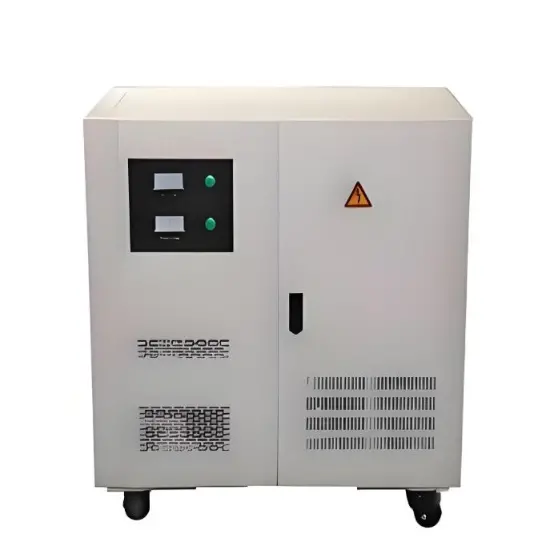
Long-Lasting 800V/800V Photovoltaic Transformer for Continuous Solar Energy Supply
-
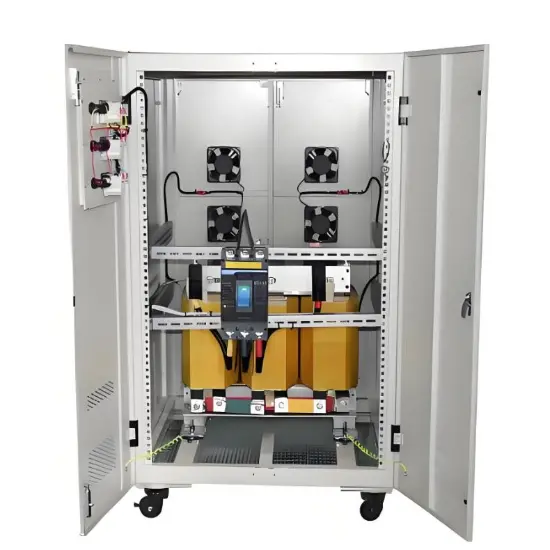
Low-Loss Three-Phase Photovoltaic Isolation Transformer
-
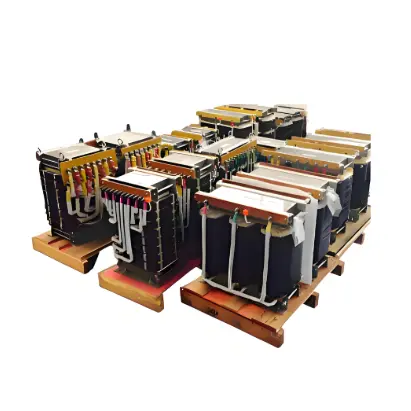
Photovoltaic grid-connected isolation transformer
-
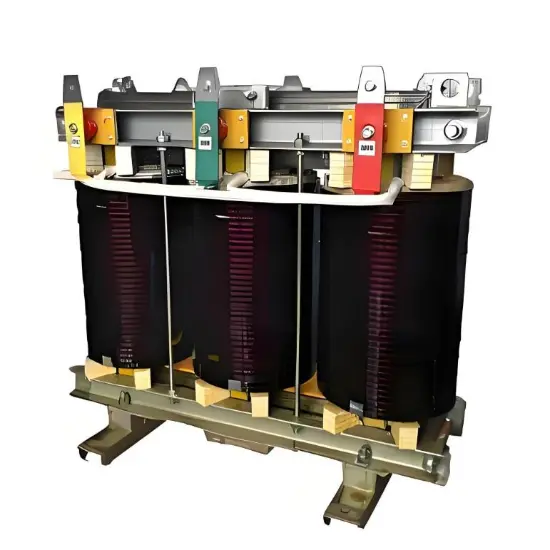
Photovoltaic Auxiliary Energy Storage Transformer
-
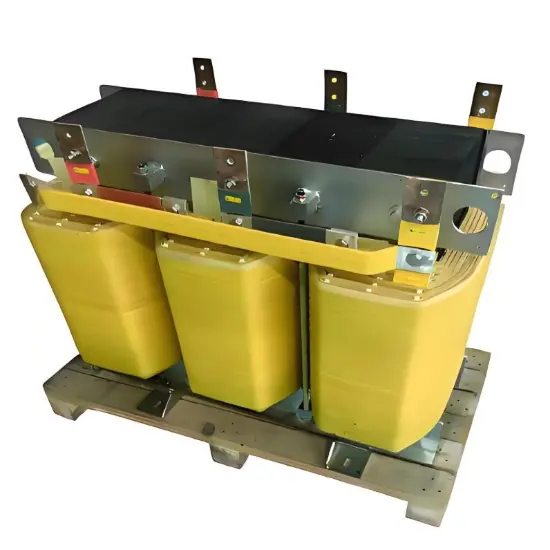
1kVA-3000kVA Photovoltaic Isolation Transformer
-
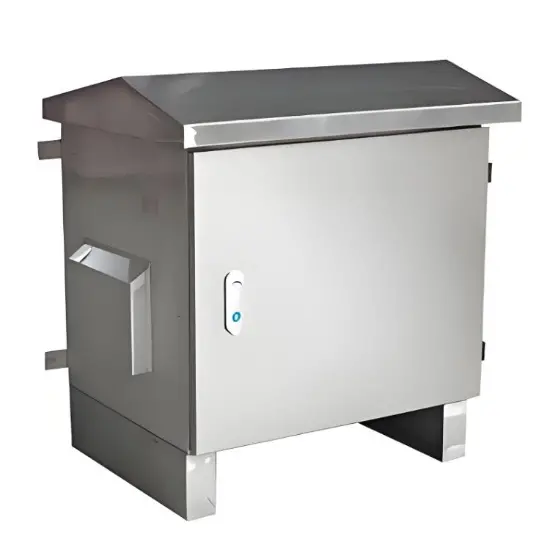
304 stainless steel photovoltaic isolation transformer
-
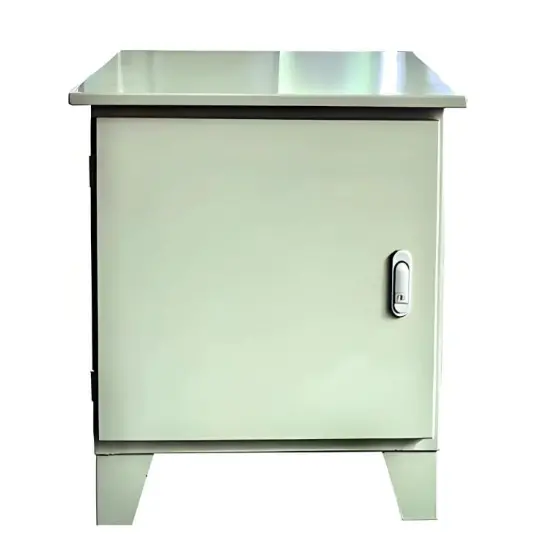
Photovoltaic inverter grid-connected transformers
Related Knowledges
-
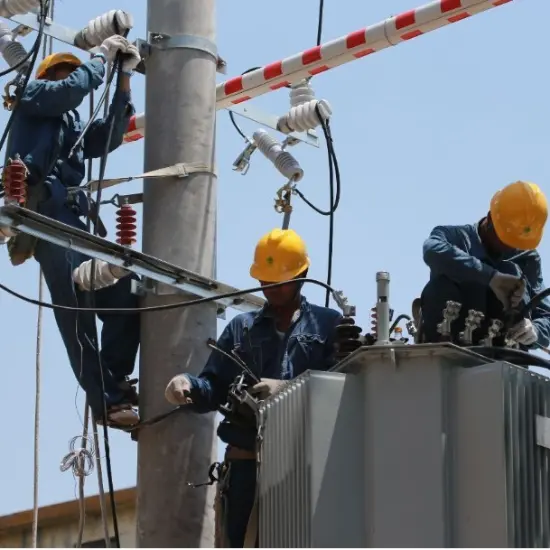 Main Transformer Accidents and Light Gas Operation Issues1. Accident Record (March 19, 2019)At 16:13 on March 19, 2019, the monitoring background reported a light gas action of No. 3 main transformer. In accordance with the Code for Operation of Power Transformers (DL/T572-2010), operation and maintenance (O&M) personnel inspected the on-site condition of No. 3 main transformer.On-site confirmation: The WBH non-electrical protection panel of No. 3 main transformer reported a Phase B light gas action of the transformer body, and the reset was ineff02/05/2026
 -
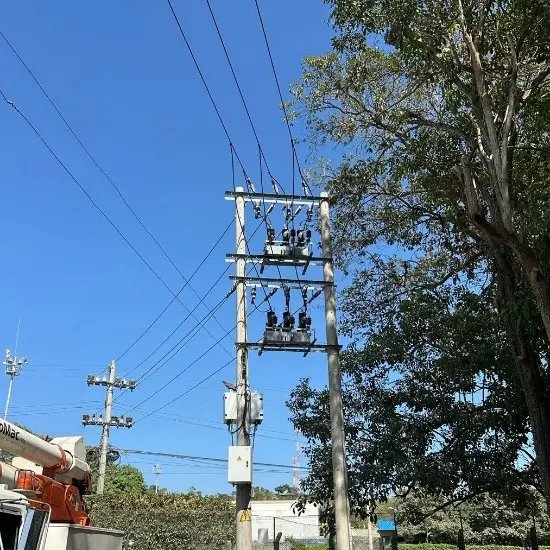 Faults and Handling of Single-phase Grounding in 10kV Distribution LinesCharacteristics and Detection Devices for Single-Phase Ground Faults1. Characteristics of Single-Phase Ground FaultsCentral Alarm Signals:The warning bell rings, and the indicator lamp labeled “Ground Fault on [X] kV Bus Section [Y]” illuminates. In systems with a Petersen coil (arc suppression coil) grounding the neutral point, the “Petersen Coil Operated” indicator also lights up.Insulation Monitoring Voltmeter Indications:The voltage of the faulted phase decreases (in01/30/2026
 -
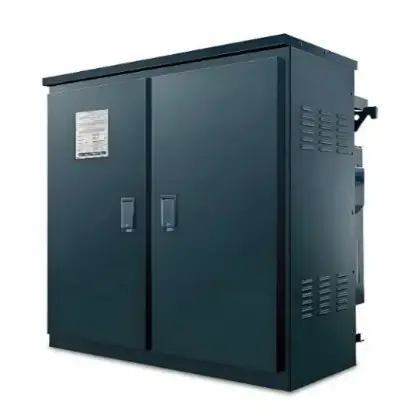 Neutral point grounding operation mode for 110kV~220kV power grid transformersThe arrangement of neutral point grounding operation modes for 110kV~220kV power grid transformers shall meet the insulation withstand requirements of transformer neutral points, and shall also strive to keep the zero-sequence impedance of substations basically unchanged, while ensuring that the zero-sequence comprehensive impedance at any short-circuit point in the system does not exceed three times the positive-sequence comprehensive impedance.For 220kV and 110kV transformers in new constructi01/29/2026
 -
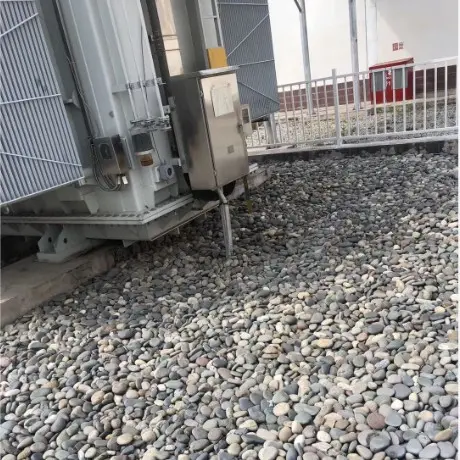 Why Do Substations Use Stones, Gravel, Pebbles, and Crushed Rock?Why Do Substations Use Stones, Gravel, Pebbles, and Crushed Rock?In substations, equipment such as power and distribution transformers, transmission lines, voltage transformers, current transformers, and disconnect switches all require grounding. Beyond grounding, we will now explore in depth why gravel and crushed stone are commonly used in substations. Though they appear ordinary, these stones play a critical safety and functional role.In substation grounding design—especially when multiple gr01/29/2026
 -
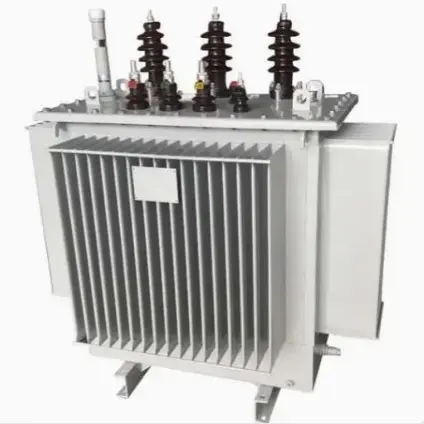 Why Must a Transformer Core Be Grounded at Only One Point? Isn't Multi-Point Grounding More Reliable?Why Does the Transformer Core Need to Be Grounded?During operation, the transformer core, along with the metal structures, parts, and components that fix the core and windings, are all situated in a strong electric field. Under the influence of this electric field, they acquire a relatively high potential with respect to ground. If the core is not grounded, a potential difference will exist between the core and the grounded clamping structures and tank, which may lead to intermittent discharge.I01/29/2026
 -
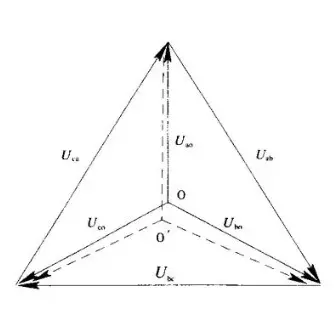 Understanding Transformer Neutral GroundingI. What is a Neutral Point?In transformers and generators, the neutral point is a specific point in the winding where the absolute voltage between this point and each external terminal is equal. In the diagram below, pointOrepresents the neutral point.II. Why Does the Neutral Point Need Grounding?The electrical connection method between the neutral point and earth in a three-phase AC power system is called theneutral grounding method. This grounding method directly affects:The safety, reliabilit01/29/2026
Related Solutions
-
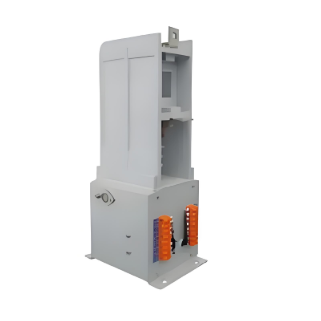 Dedicated Vacuum Contactor Solution for Port Shore Power SystemsI. Background and ChallengesShore power systems have become core technical equipment for ports to reduce carbon emissions and noise pollution. However, these systems face two major challenges in the harsh operational environment of ports:Severe Environmental Corrosion: High humidity and salt spray in port areas cause serious corrosion to metal components and enclosures of electrical equipment, significantly impacting electrical lifespan and operational reliability.High Switching Requirements:09/13/2025
 -
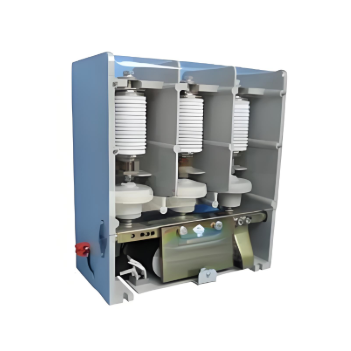 ABB Vacuum Contactor KC2 Power Supply System Technical Transformation PlanIssue OverviewThe 10kV air compressor starting system of a company utilizes the ABB vacuum contactor KC2 as the control component for the operating circuit. The dedicated wide-voltage power supply module paired with this contactor presents the following issues:Frequent failures: The power supply module fails to properly transition the voltage from 300V to 12V, resulting in fuse blowouts.Poor heat dissipation: Enclosed installation of the module leads to insufficient heat dissipation, acceler09/13/2025
 -
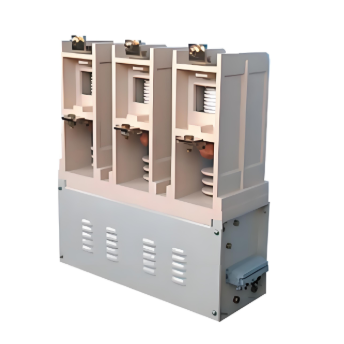 Solution for Medium-Voltage Motor Control and Protection Using Vacuum Contactor-Fuse (VCF) in a Coal Conveying System1.Project BackgroundA coal conveying system comprises 15 belt conveyors driven by medium-voltage motors. The system operates under complex conditions, with motors often subjected to heavy loads and frequent starts. To address these challenges and achieve effective control and reliable protection during motor startup, the project comprehensively adopts Vacuum Contactor-Fuse (VCF) combination devices for the 6kV medium-voltage motor power distribution. This solution details the technical features,09/13/2025