• Product
  • Suppliers
  • Manufacturers
  • Solutions
  • Free tools
  • Knowledges
  • Experts
  • Communities
Search


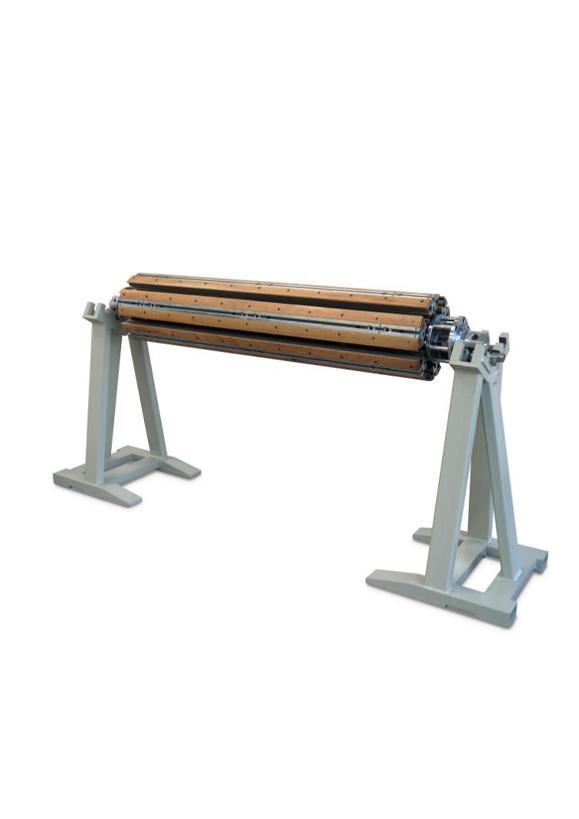
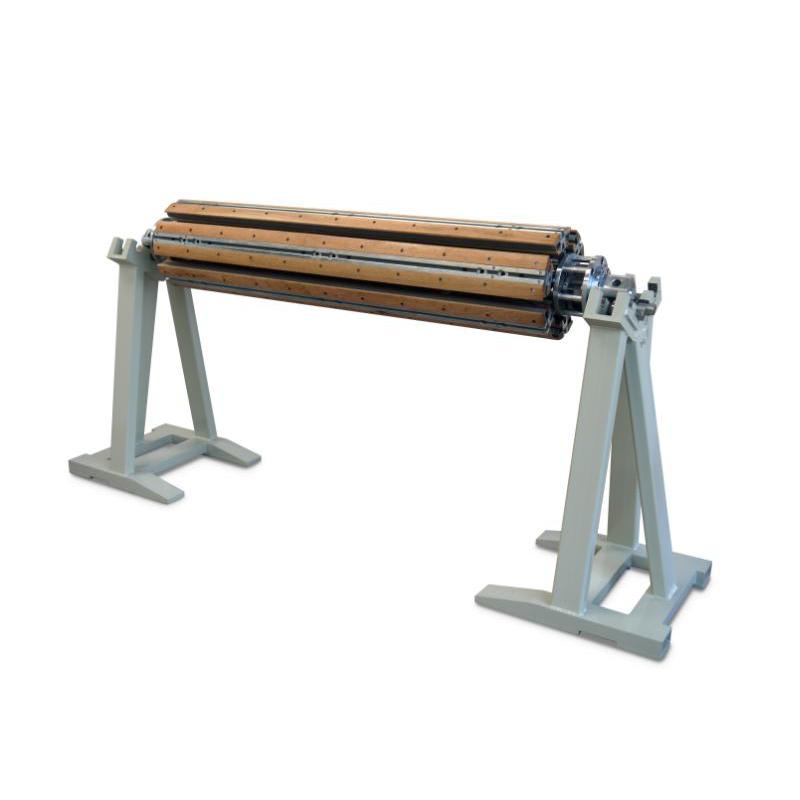
Transformer expandable mandrel

  • Transformer expandable mandrel

Key attributes

Brand Switchgear parts
Model NO. Transformer expandable mandrel
Max length distance 1100mm
Max outer diameter 200mm
Series EM-200

Product descriptions from the supplier

Description

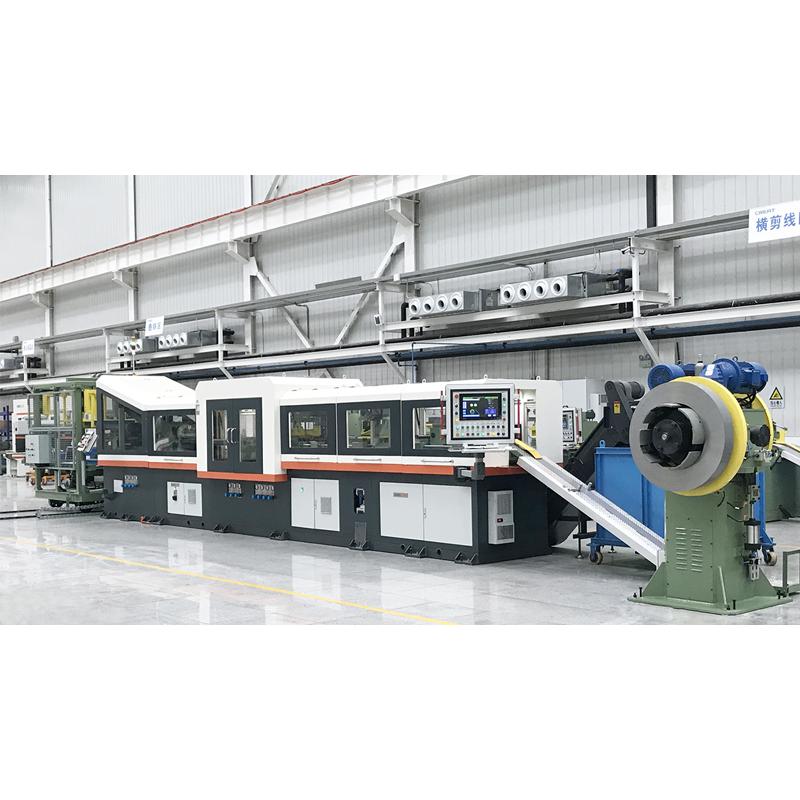
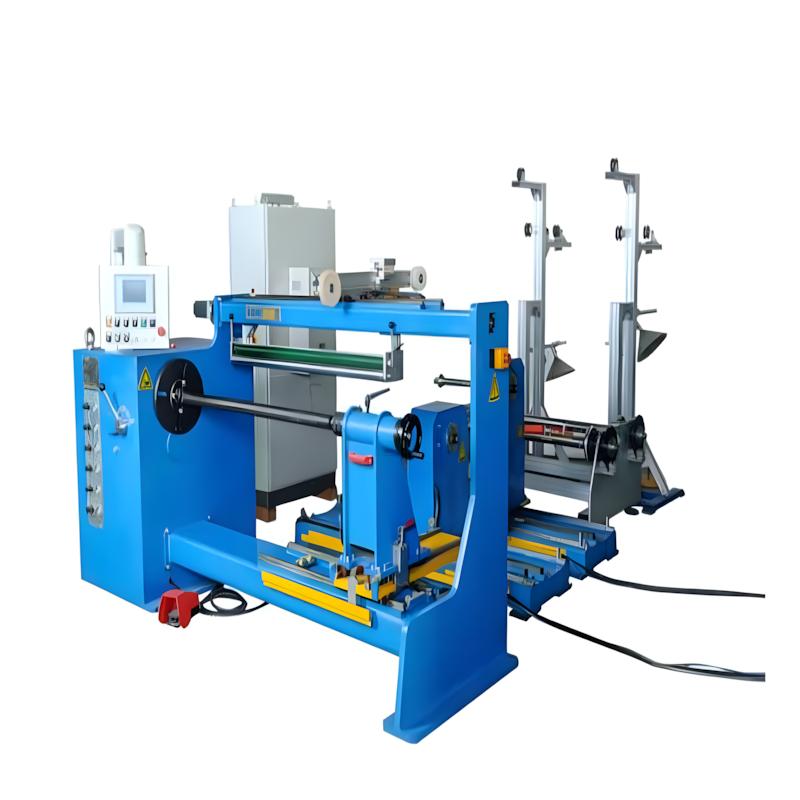
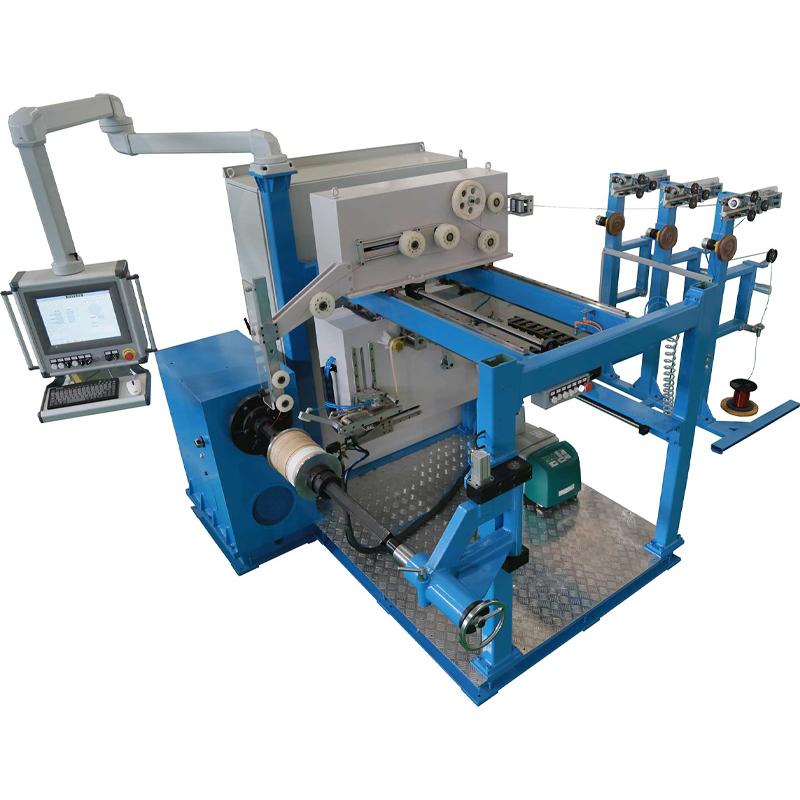
Expandable Mandrel is the core auxiliary equipment of winding machines, designed specifically for the coil winding process of electromagnetic components such as transformers and reactors. Through precise matching of coil size and customized production, it provides stable support and positioning for coil forming.
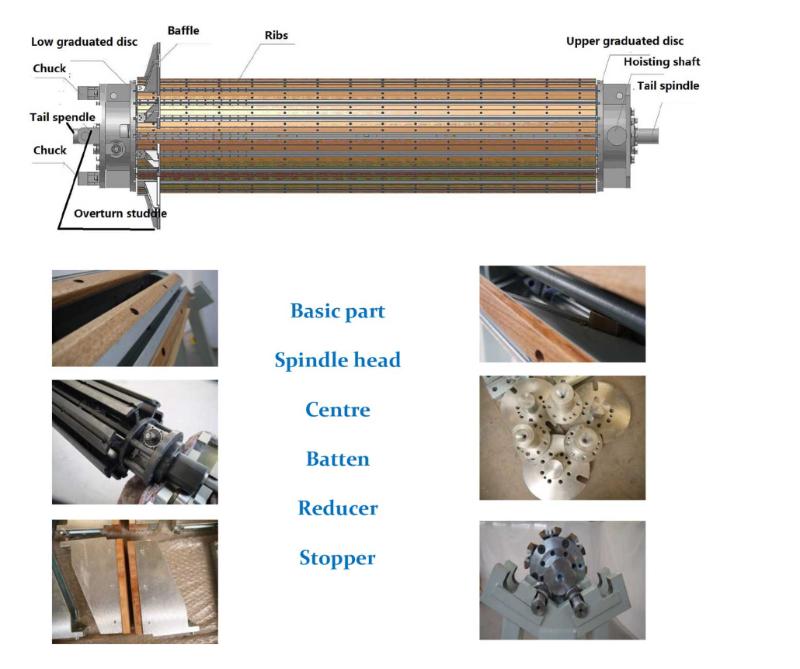
This expansion and contraction core shaft is compatible with three structural types: rectangular, elliptical, and circular, and can adapt to different coil shape requirements. The core size parameters (L1=1515.5mm, L2=1313.5mm, L3=1100mm, D2=200mm, etc.) can meet the processing requirements of various specifications of coils. The equipment works together through the main shaft head, central Flat noodles, reducer and other basic components, and is equipped with upper and lower dials, baffles, chucks and other components to achieve accurate positioning, clamping and fixation during the coil winding process, effectively avoid coil offset and looseness, and ensure uniform winding density.
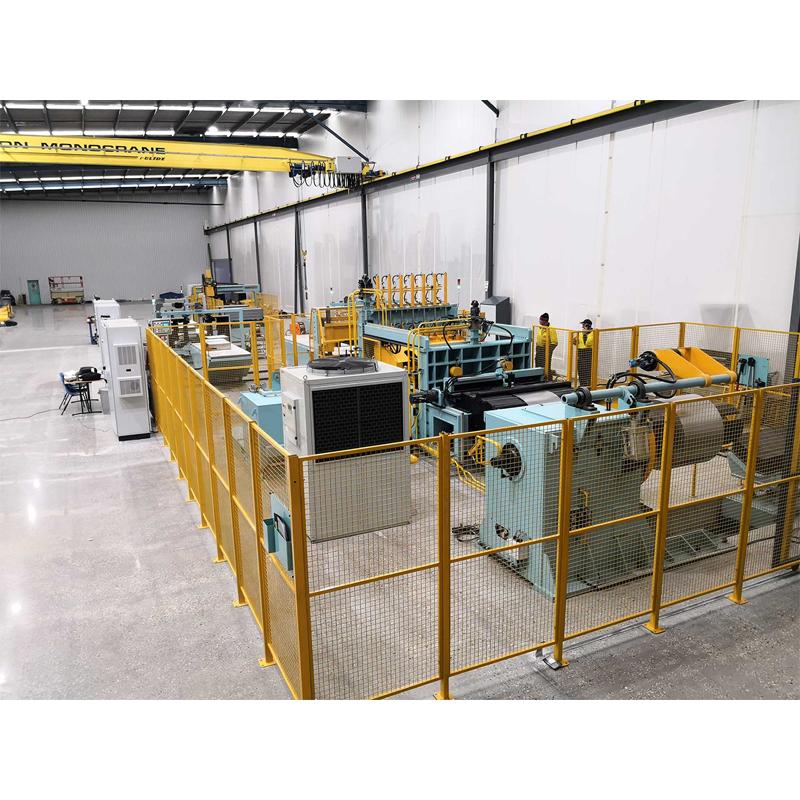
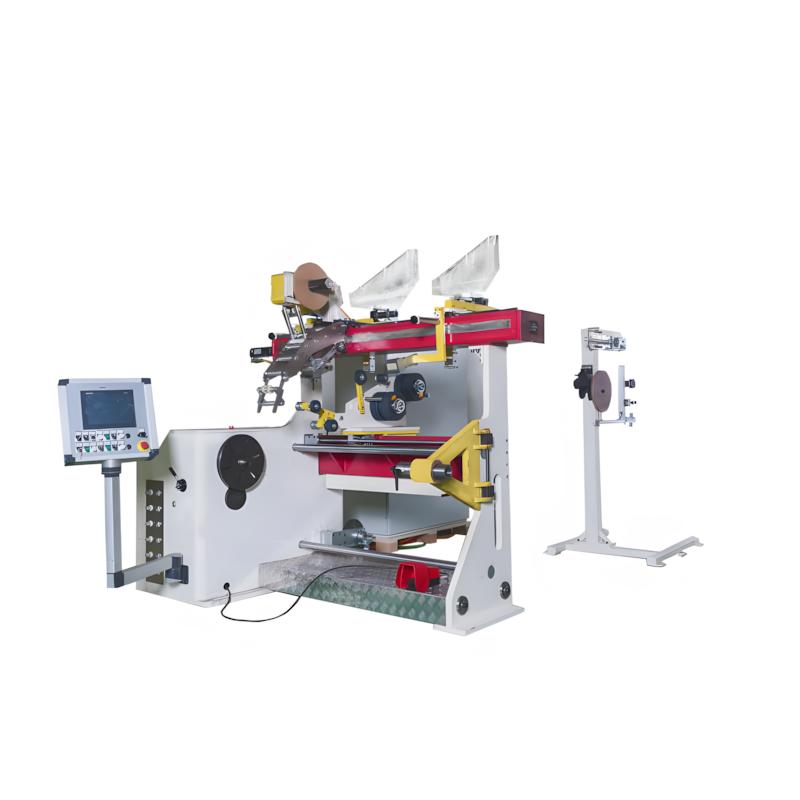
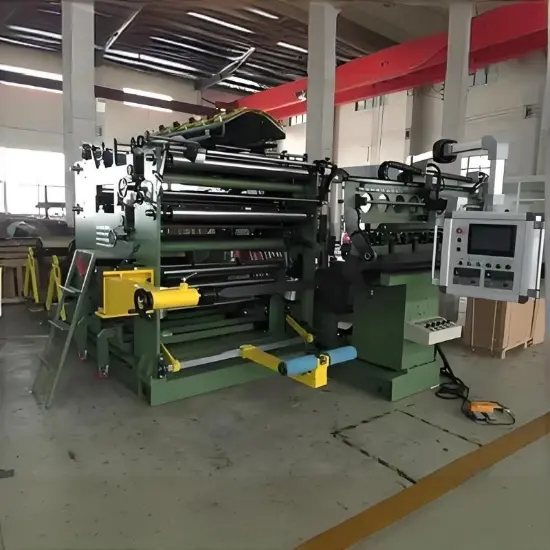
In practical applications, this expansion and contraction core shaft can be used in conjunction with various automatic conductor winding machines and interlayer insulation winding machines, and is widely used in the production of coils for dry-type transformers, oil immersed transformers, and special transformers power transformers(rectification, traction transformers, etc.). Whether it is the round or flat wire winding of copper and aluminum conductors, or the forming of foil coils, their stable expansion and contraction clamping performance can improve the accuracy and production efficiency of coil winding. At the same time, they are suitable for small batch customization and large-scale production scenarios, and are key auxiliary equipment for coil processing in the power equipment manufacturing industry.

Machine composition
Documentation Resource Library
Public.
Expandable mandrel
Catalogue
English
FAQ
Q: What are the main indicators of the "high precision" of expandable core shafts, and how do these indicators directly affect the machining quality of transformer coils or precision workpieces?
A:

High precision is mainly reflected in two core indicators: coaxiality (0.002-0.005mm) and end face runout control. The direct impact is as follows: ① Accurate coaxiality can ensure the winding density and roundness during transformer coil winding, avoiding insulation performance degradation or conductivity efficiency reduction caused by interlayer misalignment; For precision workpieces such as gears and cutting tools, it can ensure that the dimensional tolerances after machining meet the standard and avoid fitting deviations during assembly; ② Accurate control of end face jumping can ensure that the two ends of the coil are flat, reducing gap errors during subsequent assembly; For processing workpieces, it can avoid tilting and unevenness in end face processing, ensuring the assembly accuracy and stability of the workpiece.

Q: What are the differences in parameters, performance, and application scenarios of expandable core shafts with different driving modes (manual/power), and how should enterprises select them?
A:

The differences and selection logic are as follows: (1) Manual drive type (such as Gerber 110/120 series): the clamping range is relatively small in parameters (4mm-100mm), the expansion amount is moderate (0.05-0.09mm), the performance focuses on precision clamping, and the operation relies on manual labor. It is suitable for small batch precision part processing, small coil winding, or scenarios with low automation in the workshop; (2) Power driven type (such as SMW Autoblok EMX-C series): with a larger clamping range (25mm-120mm) and higher expansion capacity (1.0-1.2mm) in terms of parameters, the maximum transmission torque can reach 400Nm, and the performance focuses on high efficiency and heavy load. It has a high degree of automation and is suitable for large-scale production, large workpiece processing, high-capacity coil winding, or workshop automation assembly line scenarios. When selecting, priority should be given to matching one's own production capacity and workpiece specifications (size/weight), and then making decisions based on the level of workshop automation

Q: What is the core working principle of expandable core shaft, and compared with traditional fixed core shaft, what core pain points does it solve in transformer coil winding or workpiece processing?
A:

The core working principle is to uniformly expand the clamping element of the core shaft radially through manual or power drive, achieving clamping support for the workpiece/coil; After processing/winding is completed, the core shaft shrinks to reduce its diameter, making it easier to quickly demold. Compared to traditional fixed core shafts, it solves three major pain points: ① Traditional fixed core shafts are difficult to disassemble, which can easily cause damage to the coil/workpiece, while expandable core shafts can be removed without damage by shrinking and demolding; ② Traditional core shafts have poor adaptability, with only one type of workpiece corresponding to one specification. The expandable core shaft has a wide clamping range (4mm-120mm) and also supports non-standard customization; ③ The traditional core shaft clamping and debugging time is long, and the expandable core shaft expansion sleeve can be quickly replaced, greatly reducing the setting time and improving batch production efficiency.
Know your supplier
Online store
On-time delivery rate
Response time
100.0%
≤4h
Company overview
Workplace: 1000m² Total staff: Highest Annual Export(usD): 300000000
Workplace: 1000m²
Total staff:
Highest Annual Export(usD): 300000000
Services
Business Type: Sales
Main Categories: Low Voltage Electrical Apparatus/Instrument meters/Production equipment/Tester/High Voltage Electrical Apparatus/Electrical fittings/Equipment Parts
Whole life care manager
Whole-life care management services for equipment procurement, use, maintenance, and after-sales, ensuring safe operation of electrical equipment, continuous control, and worry-free electricity consumption.
The equipment supplier has passed platform qualification certification and technical evaluation, ensuring compliance, professionalism, and reliability from the source.

Related Products

Related Knowledges

  • Faults and Handling of Single-phase Grounding in 10kV Distribution Lines
    Characteristics and Detection Devices for Single-Phase Ground Faults1. Characteristics of Single-Phase Ground FaultsCentral Alarm Signals:The warning bell rings, and the indicator lamp labeled “Ground Fault on [X] kV Bus Section [Y]” illuminates. In systems with a Petersen coil (arc suppression coil) grounding the neutral point, the “Petersen Coil Operated” indicator also lights up.Insulation Monitoring Voltmeter Indications:The voltage of the faulted phase decreases (in
    01/30/2026
  • Neutral point grounding operation mode for 110kV~220kV power grid transformers
    The arrangement of neutral point grounding operation modes for 110kV~220kV power grid transformers shall meet the insulation withstand requirements of transformer neutral points, and shall also strive to keep the zero-sequence impedance of substations basically unchanged, while ensuring that the zero-sequence comprehensive impedance at any short-circuit point in the system does not exceed three times the positive-sequence comprehensive impedance.For 220kV and 110kV transformers in new constructi
    01/29/2026
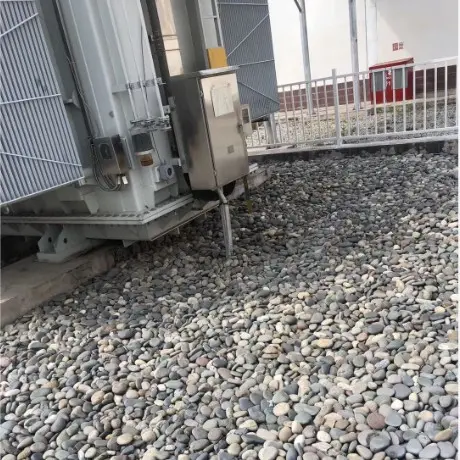
  • Why Do Substations Use Stones, Gravel, Pebbles, and Crushed Rock?
    Why Do Substations Use Stones, Gravel, Pebbles, and Crushed Rock?In substations, equipment such as power and distribution transformers, transmission lines, voltage transformers, current transformers, and disconnect switches all require grounding. Beyond grounding, we will now explore in depth why gravel and crushed stone are commonly used in substations. Though they appear ordinary, these stones play a critical safety and functional role.In substation grounding design—especially when multiple gr
    01/29/2026
  • Why Must a Transformer Core Be Grounded at Only One Point? Isn't Multi-Point Grounding More Reliable?
    Why Does the Transformer Core Need to Be Grounded?During operation, the transformer core, along with the metal structures, parts, and components that fix the core and windings, are all situated in a strong electric field. Under the influence of this electric field, they acquire a relatively high potential with respect to ground. If the core is not grounded, a potential difference will exist between the core and the grounded clamping structures and tank, which may lead to intermittent discharge.I
    01/29/2026
  • Understanding Transformer Neutral Grounding
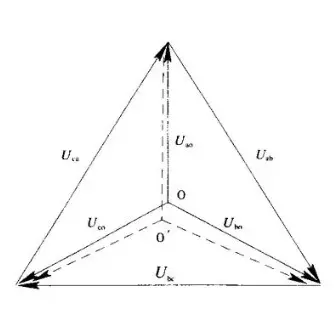
    I. What is a Neutral Point?In transformers and generators, the neutral point is a specific point in the winding where the absolute voltage between this point and each external terminal is equal. In the diagram below, pointOrepresents the neutral point.II. Why Does the Neutral Point Need Grounding?The electrical connection method between the neutral point and earth in a three-phase AC power system is called theneutral grounding method. This grounding method directly affects:The safety, reliabilit
    01/29/2026
  • What’s the Difference Between Rectifier Transformers and Power Transformers?
    What is a Rectifier Transformer?"Power conversion" is a general term encompassing rectification, inversion, and frequency conversion, with rectification being the most widely used among them. Rectifier equipment converts input AC power into DC output through rectification and filtering. A rectifier transformer serves as the power supply transformer for such rectifier equipment. In industrial applications, most DC power supplies are obtained by combining a rectifier transformer with rectifier equ
    01/29/2026
Haven't found the right supplier yet? Let matching verified suppliers find you. Get Quotation Now
Haven't found the right supplier yet? Let matching verified suppliers find you.
Get Quotation Now
Send inquiry
+86
Click to upload file
Download
Get the IEE Business Application
Use the IEE-Business app to find equipment, obtain solutions, connect with experts, and participate in industry collaboration anytime, anywhere—fully supporting the development of your power projects and business.