• Product
  • Suppliers
  • Manufacturers
  • Solutions
  • Free tools
  • Knowledges
  • Experts
  • Communities
Search


American Standard Distribution Transformer Solution: Voltage Adaptation Upgrade Case for Automotive Parts Manufacturing Plant


1. Project Background & Requirements Analysis

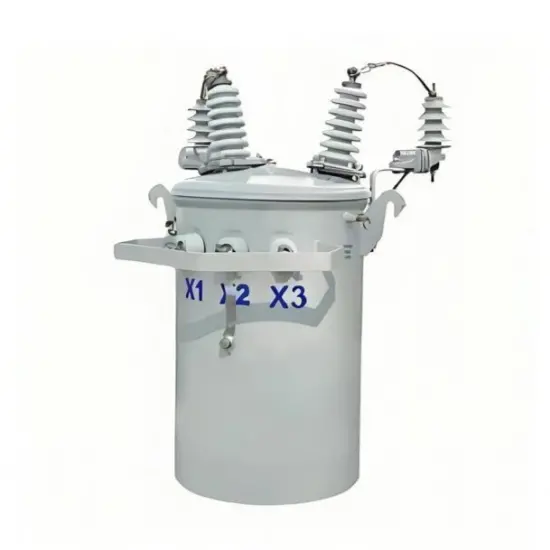
A Mexican automotive parts manufacturing plant imported high-precision CNC machine tools from China. The servo motors of these machines require a 380V three-phase power supply, while the local grid standard is 220V three-phase. To ensure efficient equipment operation and compliance with North American safety standards, a customized voltage conversion solution utilizing American standard distribution transformers (UL/NEMA-certified) was required. The solution needed to address both instantaneous startup current surges (6× rated current) and long-term stable operation demands.

2. VZIMAN Customized Solution Design

2.1Core Equipment: UL-Certified Transformer

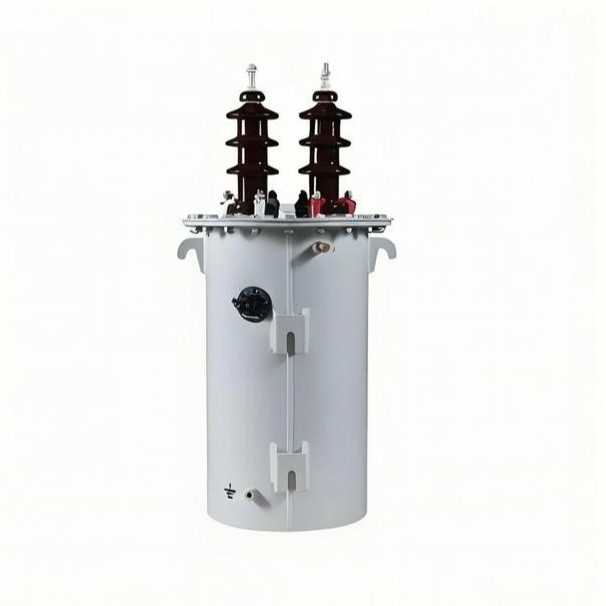
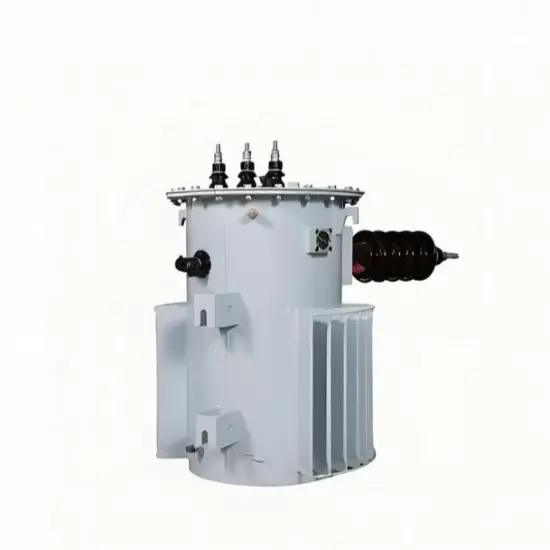
  • Voltage Conversion Parameters: Custom 220V→380V step-up American standard distribution transformer with 30% capacity margin based on machine peak power (including multi-device parallel operation). Utilized low-loss oxygen-free copper windings and Class H insulated dry-type structure to ensure ≥95% efficiency and ≤80°C temperature rise.

  • Overload Protection Module: Integrated transient overload protection device capable of withstanding 6× rated current (for 2 seconds), preventing voltage dips during servo motor startup that could compromise machining accuracy.

2.2 Interface Adaptation Design

  • Output Interface: NEMA 6-50R industrial receptacles (50A/380V) compatible with machine tool plugs, minimizing retrofit costs. IP54-rated enclosures ensured dust resistance in workshop environments.

  • Smart Monitoring System: Embedded voltage/current sensors and PLC controllers provided real-time load feedback. Data integration via Modbus protocol into the plant’s SCADA system enabled remote fault alerts.

2.3 Structural & Installation Optimization

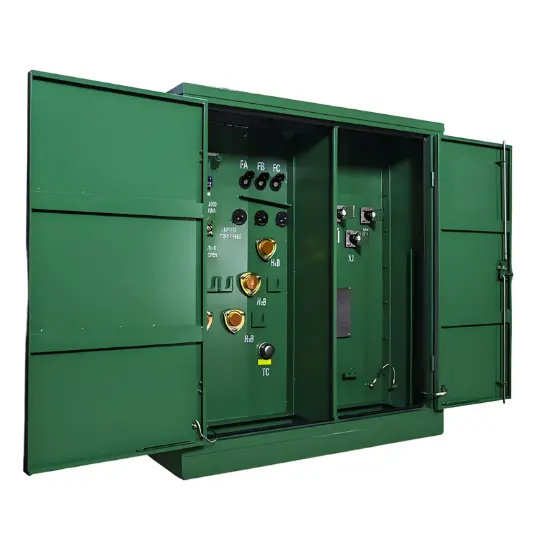
  • Compact Enclosure: NEMA 3R-rated cabinet (dust/water-splash resistant) with space-efficient dimensions tailored to the workshop layout. Internal high/low-voltage module zoning reduced electromagnetic interference, while forklift slots at the base simplified mobility.

  • Vibration Damping: Rubber shock-absorbing mounts and soundproofing materials inside the cabinet limited operational noise to <65dB, aligning with factory environmental standards.


3. Implementation Outcomes & Value Enhancement


3.1 Performance Gains

Voltage fluctuation reduced from &plusmn;5% to &plusmn;0.5%, spindle speed stability improved, and part machining accuracy optimized from &plusmn;0.05mm to &plusmn;0.01mm, boosting yield rates by 18%.


3.2 Cost Efficiency

UL certification and localized services shortened delivery cycles to 4 weeks. Annual procurement agreements reduced unit costs by 22%, achieving a 75% customer repurchase rate.


3.3 Safety Compliance

Full system certification to UL 1558 (transformers) and UL 508A (control cabinets) ensured compliance with NEC electrical codes and OSHA safety requirements, maintaining a zero-safety-incident record.
05/19/2025

Recommended

Procurement
Analysis of Advantages and Solutions for Single-Phase Distribution Transformers Compared to Traditional Transformers
1. Structural Principles and Efficiency Advantages1.1 Structural Differences Affecting EfficiencySingle-phase distribution transformers and three-phase transformers exhibit significant structural differences. Single-phase transformers typically adopt an E-type or wound core structure, while three-phase transformers use a three-phase core or group structure. This structural variation directly impacts efficiency: The wound core in single-phase transformers optimizes magnetic flux distribution, red
Procurement
Integrated Solution for Single Phase Distribution Transformers in Renewable Energy Scenarios: Technical Innovation and Multi-Scenario Application
1. Background and ChallengesThe distributed integration of renewable energy sources (photovoltaics (PV), wind power, energy storage) imposes new demands on distribution transformers: Volatility Handling:Renewable energy output is weather-dependent, requiring transformers to possess high overload capacity and dynamic regulation capabilities. Harmonic Suppression:Power electronic devices (inverters, charging piles) introduce harmonics, leading to increased losses and equipment aging. Multi-Scenari
Procurement
Single-Phase Transformer Solutions for SE Asia: Voltage, Climate & Grid Needs
1. Core Challenges in the Southeast Asian Power Environment​1.1 ​Diversity of Voltage Standards​Complex voltages across Southeast Asia: Residential use often 220V/230V single-phase; industrial zones require 380V three-phase, but non-standard voltages like 415V exist in remote areas.High-voltage input (HV): Typically 6.6kV / 11kV / 22kV (some countries like Indonesia use 20kV).Low-voltage output (LV): Standardly 230V or 240V (single-phase two-wire or three-wire system).1.2 ​Climate and Grid Condi
Procurement
Pad-Mounted Transformer Solutions: Superior Space Efficiency and Cost Savings over Traditional Transformers
1.Integrated Design & Protection Features of American-Style Pad-Mounted Transformers1.1 Integrated Design ArchitectureAmerican-style pad-mounted transformers employ a combined design integrating key components - transformer core, windings, high-voltage load switch, fuses, arresters - within a single oil tank, using transformer oil as both insulation and coolant. The structure consists of two main sections: Front Section:High & Low Voltage Operation Compartment (with elbow plug-in connect
Send inquiry
+86
Click to upload file
Download
Get the IEE Business Application
Use the IEE-Business app to find equipment, obtain solutions, connect with experts, and participate in industry collaboration anytime, anywhere—fully supporting the development of your power projects and business.