What are the criteria for selection of distribution transformer?

Transformer Selection Criteria: Essential Factors for Optimal Performance
Selecting the appropriate transformer is critical for ensuring power distribution reliability across industrial, commercial, and residential systems. This process requires meticulous evaluation of load dynamics, environmental constraints, and regulatory standards. Below we outline key selection criteria to guide engineers and designers in making informed decisions.
1. Maximum Demand Assessment
The transformer’s capacity (kVA) must exceed the system’s peak power requirement.
Calculation Methodology:
Maximum Demand (kVA)=Power FactorTotal Connected Load (kW)×Demand FactorDemand Factor: Typically 0.6–0.9 based on load simultaneity .
Safety Margin: Select a transformer with 20–30% excess capacity to accommodate future load growth.
2. Future Expansion Planning
Anticipate scalability needs to prevent premature obsolescence:
Incorporate projected changes (e.g., facility expansions, equipment upgrades).
Example: A 500kVA transformer for a 400kVA current load ensures headroom for 25% growth.
3. Load Characteristics Analysis
Linear vs. Non-Linear Loads:
Linear Loads (resistive/inductive): Standard transformers suffice (e.g., lighting, heaters).
Non-Linear Loads (harmonic-generating):
Use K-rated transformers (e.g., K13/K20) for systems with VFDs, UPS, or IT loads .
Validate inrush current tolerance for motor-driven equipment.
4. Voltage Configuration
Primary Voltage: Align with grid supply (e.g., 11kV, 33kV).
Secondary Voltage: Match end-use requirements (e.g., 400V, 480V).
Tap Changers: Essential for ±5% voltage regulation in fluctuating grids.
5. Transformer Type Comparison
| Type | Advantages | Limitations | Applications |
|---|---|---|---|
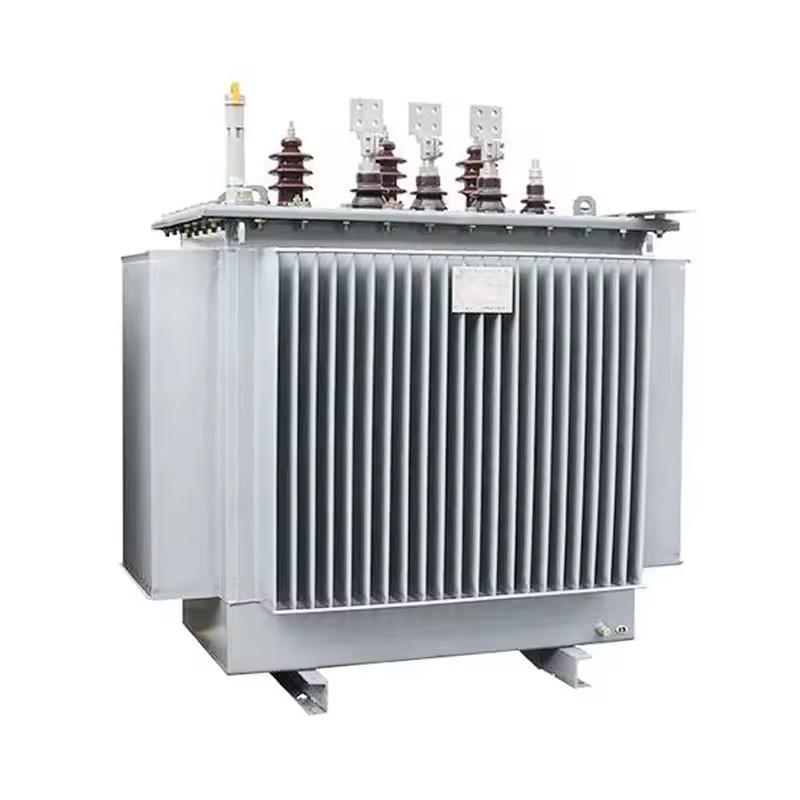
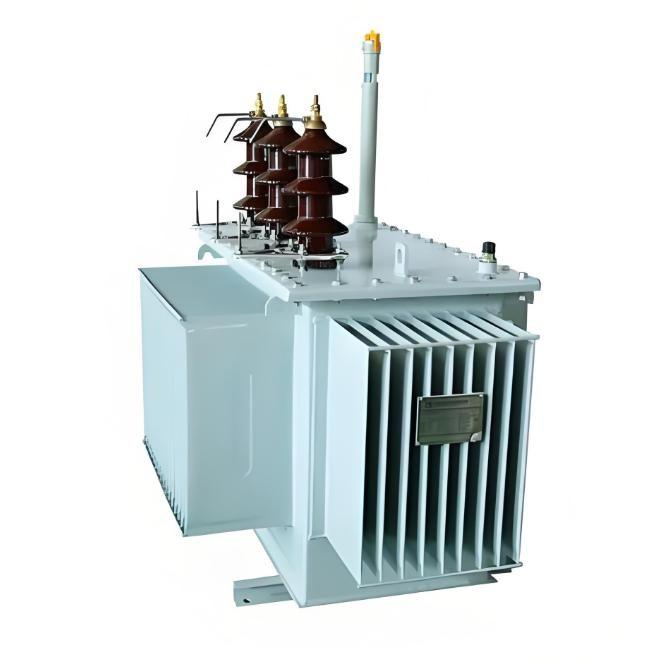
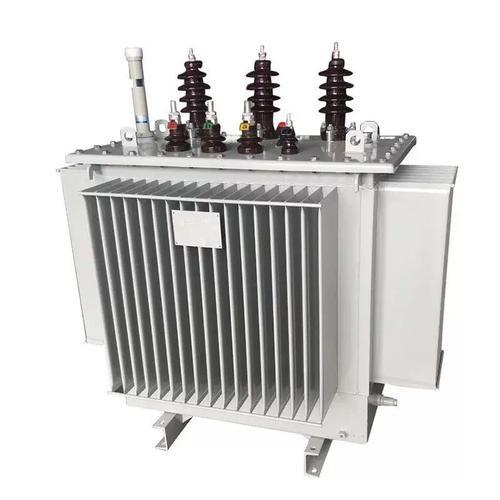
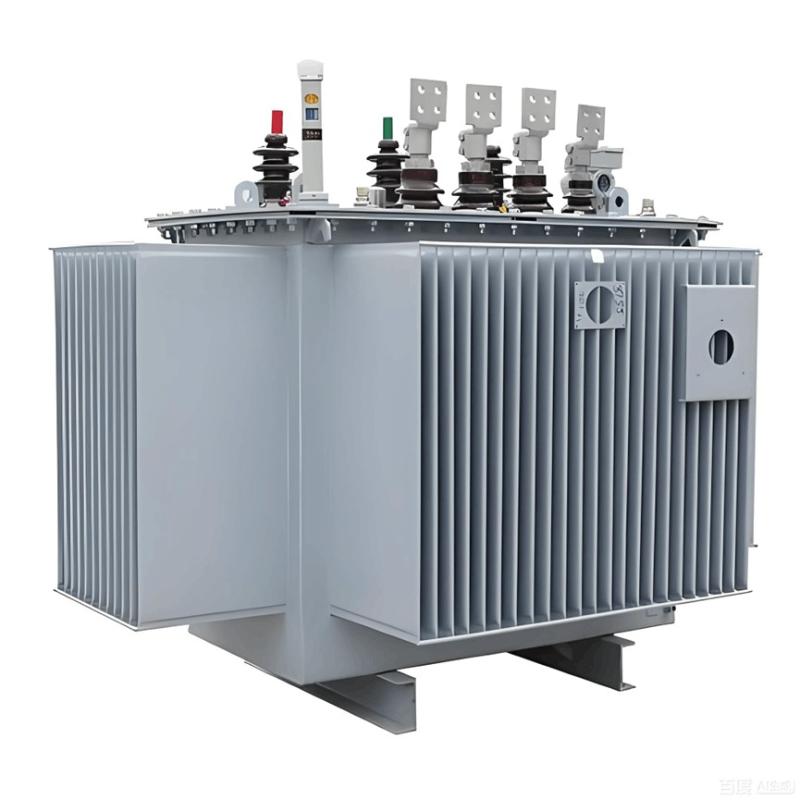
| Oil-Filled | Higher efficiency, better cooling | Fire risk, maintenance-intensive | Outdoor substations |
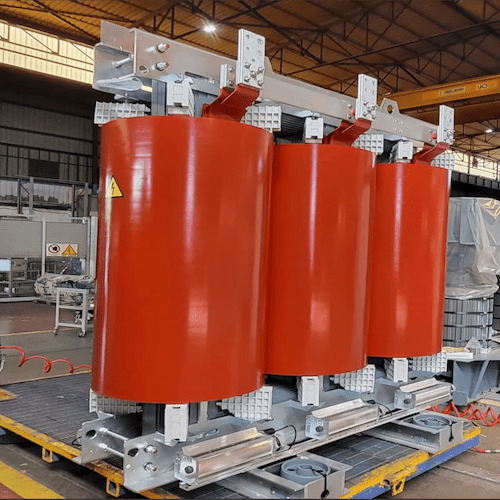
| Dry-Type | Fire-safe, low maintenance | Lower efficiency | Hospitals, data centers |
| Amorphous Core | 70% lower no-load losses | Higher upfront cost | High-uptime facilities |
6. Efficiency & Loss Optimization
No-Load Losses (core losses): Fixed, independent of load.
Load Losses (copper losses): Vary with current.
Compliance Standards:
DOE 2016 (US), IS 1180 (India), or EU Tier 3 for minimum efficiency .
7. Environmental Resilience
Outdoor Installations:
IP55+ enclosure rating for dust/rain resistance.
C2/C3 corrosion protection for coastal areas.
Indoor/Confined Spaces:
Dry-type transformers mandatory for fire safety (e.g., NFPA 99 compliance).
8. Cooling System Design
| Cooling Method | Transformer Type | Use Case |
|---|---|---|
| ONAN (Oil-Natural) | Oil-Filled | Low-density installations |
| ONAF (Oil-Forced) | Oil-Filled | High-load substations |
| AF (Air-Forced) | Dry-Type | Ventilation-limited sites |
9. Safety & Protection
Critical Protections:
Buchholz relays (oil-filled) for gas-detection faults.
IP2X touch-proof barriers for public access areas.
Thermal sensors for overload prevention.
Standards Compliance: IEC 60076, IS 2026, or IEEE C57.12.00.
Conclusion
Optimal transformer selection balances technical specifications, environmental adaptability, and lifecycle economics. By integrating these criteria—from load analytics to safety protocols—engineers can deploy transformers that deliver reliability, efficiency, and scalability. For complex projects, collaborate with certified manufacturers (e.g., ABB, Siemens) to validate design assumptions and leverage digital sizing tools