How is the application of dimethyl silicone oil in transformers?

The application of dimethyl silicone oil in transformers is mainly reflected in the following aspects:
Electrical Insulation Medium
Dimethyl silicone oil is widely used as an electrical insulating medium in transformers. Although its electrical properties are not superior to those of general insulating oils, it has the advantages of a wide range of viscosities, good thermal stability, oxidation resistance, low dielectric loss, low freezing point and vapor pressure, high flash and fire points. These characteristics enable dimethyl silicone oil to maintain good dielectric performance over a wide range of temperatures and frequencies.
Cooling Insulating Medium
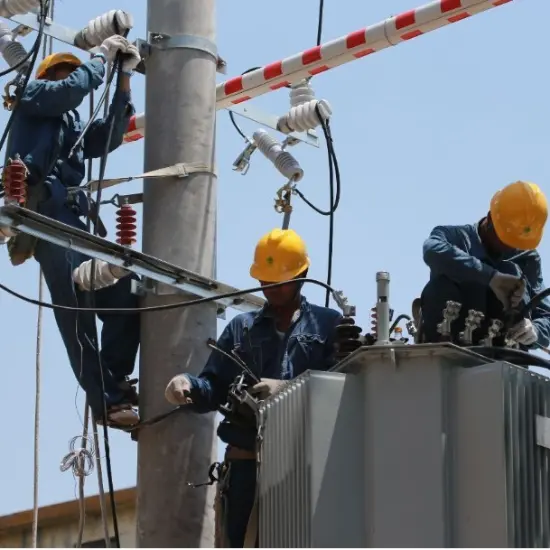
Dimethyl silicone oil can be used as a transformer cooling and insulating medium. Compared with traditional mineral oil, dimethyl silicone oil has higher safety, is not easy to burn, and is non-toxic. Although the price of dimethyl silicone oil is higher, due to its excellent performance and safety, it has been more and more commonly used in transformers in recent years. In particular, dimethyl silicone oil transformers are widely used in high-rise buildings, residential areas, schools, factories, and key departments with special requirements.
Silicone oil for transformers
China has already developed silicone oil for transformers in the 1980s. The transformers made from this silicone oil have been running safely in departments such as Beijing Subway for many years to date. With the miniaturization of transformer design, the use of silicone oil can be greatly reduced, thereby reducing production costs. Therefore, dimethyl silicone oil is increasingly used to replace mineral oil as electrical insulating oil.
Summary
In summary, the application of dimethyl silicone oil in transformers is mainly reflected in its advantages as an electrical insulating medium and cooling insulating medium. Its excellent performance and safety make it an important material in the field of transformers. Although the price is relatively high, due to the safety and performance improvement it brings, the application prospect of dimethyl silicone oil in transformers is still broad.
Recommended
-
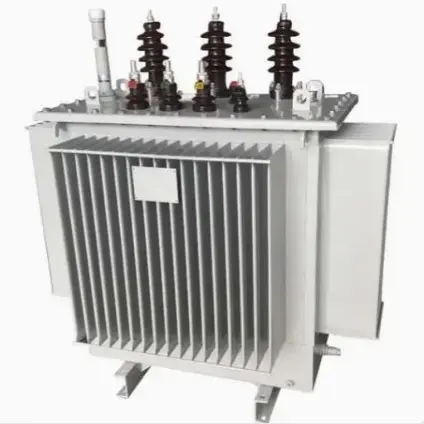
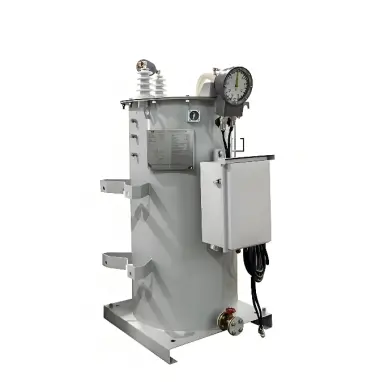
13.2kV 13.8kV 14.4kV 19.92kV IEC Standard voltage regulator control compliant for Industrial Manufacturing Industry
-
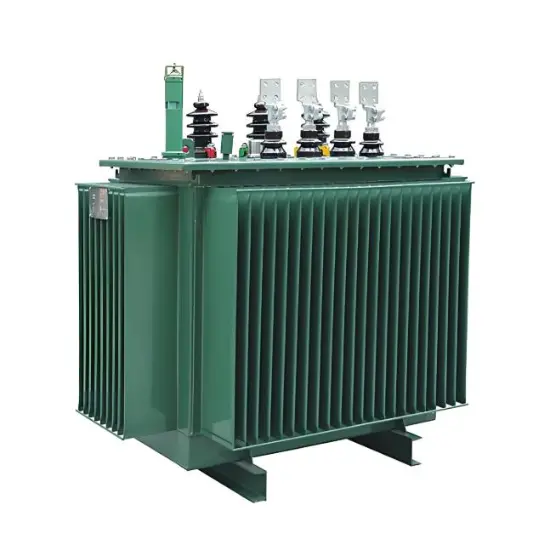
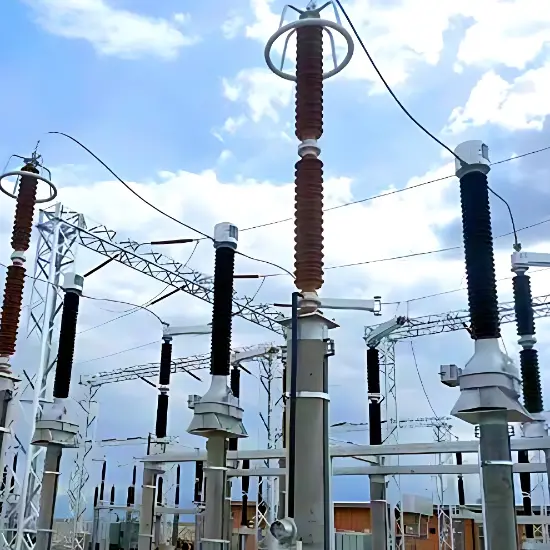
JDCF Oil immersed inductive voltage transformer
-
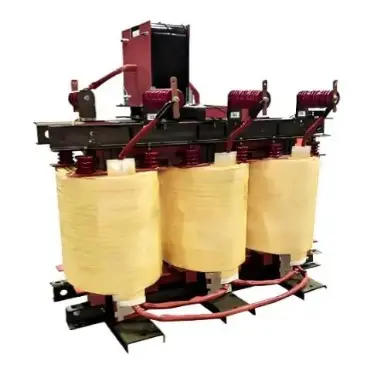
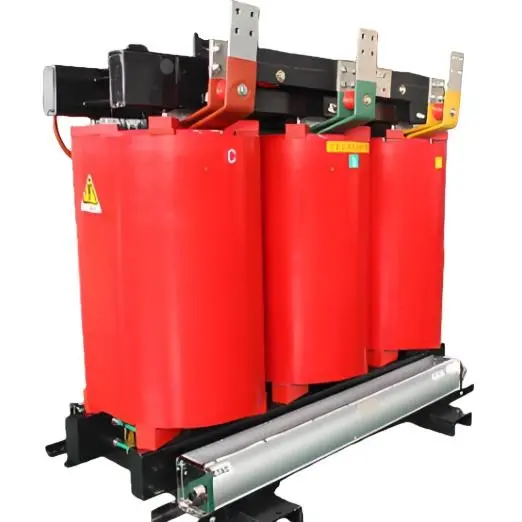
Resin-insulated Dry Type Transformer 800kVA 1000kVA 1250kVA 1600kVA 2000kVA 2500kVA
-
15kV 20kV 22kV 30kV 33kV 35kV oil-immersed neutral grounding resistance to transformer (earthing transfoemer)







