Electro - Optical Phase Modulator Operation
In the electro - optical phase modulator, a beam splitter and a beam combiner play crucial roles in manipulating light waves. When an optical signal enters the modulator, the beam splitter divides the light beam into two equal parts, directing each half along a distinct path. Subsequently, an applied electric signal alters the phase of the light beam traveling through one of these paths.
After traversing their respective routes, the two light waves reach the beam combiner, where they recombine. This recombination can occur in two ways: constructively or destructively. When constructive recombination takes place, the combined light waves reinforce each other, resulting in a bright light wave at the modulator's output, as represented by pulse 1. Conversely, during destructive recombination, the two halves of the light beam cancel each other out, leading to no light signal being detected at the output, which is indicated by pulse 0.
Electro - Absorption Modulator
The electro - absorption modulator is primarily fabricated from indium phosphide. In this type of modulator, the electrical signal carrying information modifies the properties of the material through which light propagates. Depending on these property changes, either pulse 1 or 0 is generated at the output.
Notably, the electro - absorption modulator can be integrated with a laser diode and enclosed within a standard butterfly package. This integrated design offers significant advantages. By combining the modulator and laser diode into a single unit, it reduces the overall space requirements of the device. Additionally, it optimizes power consumption and lowers voltage demands compared to using a separate laser source and modulator circuit, making it a more compact, efficient, and practical solution for various optical communication applications.
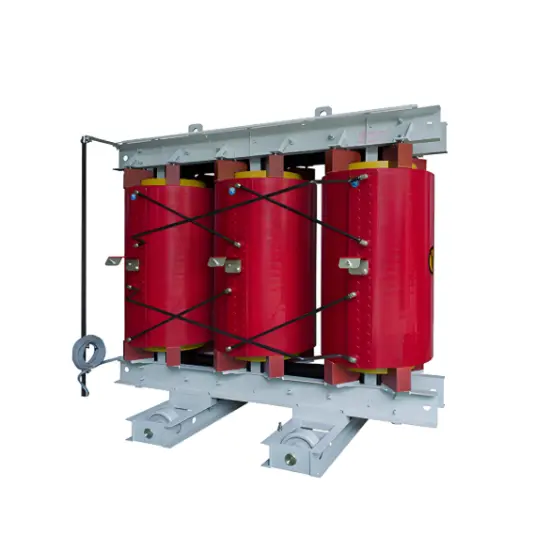
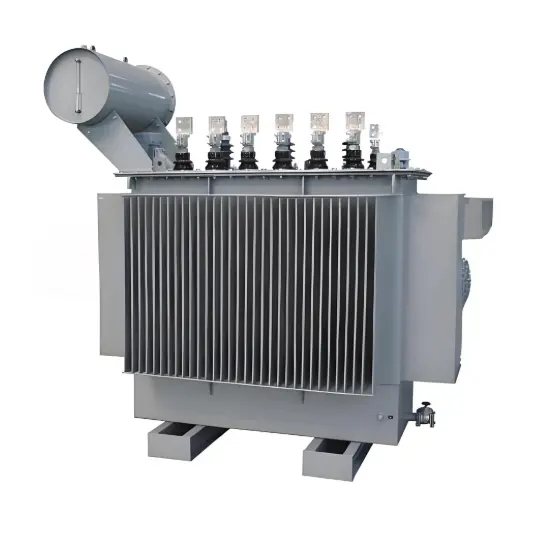
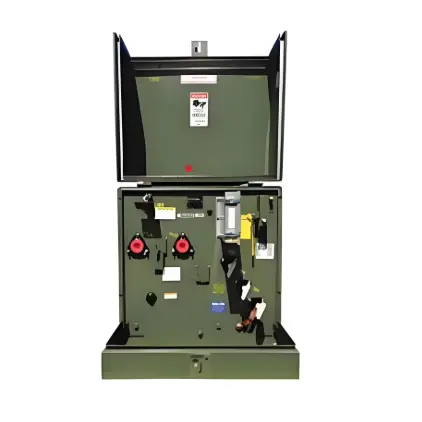
Disadvantages of 3-Phase Transformers Compared to 1-Phase Transformers
Three-phase transformers, while widely used in electrical power systems for their efficiency and capacity, have several drawbacks when juxtaposed with single-phase transformers. These disadvantages are outlined below:
Higher Cost of Standby Units
One of the primary setbacks of three-phase transformers is the elevated cost associated with maintaining standby units. Since a three-phase transformer serves as a single, integrated unit for power distribution, having a spare three-phase transformer in reserve demands a significant financial investment. In contrast, single-phase transformers are more affordable to stock as backups, allowing for a more cost-effective approach to ensuring system reliability.
Increased Repair Costs and Inconveniences
Repairing three-phase transformers is typically more expensive and cumbersome compared to their single-phase counterparts. The intricate design and complex internal configurations of three-phase transformers often require specialized technical expertise and tools. This not only drives up repair costs but also extends the downtime during maintenance, causing disruptions to power supply and potentially impacting various industrial and commercial operations.
System-Wide Shutdowns Due to Faults
In the event of a fault or failure within a three-phase transformer, the consequences are far-reaching. The entire electrical load connected to the transformer experiences an immediate power outage. Unlike single-phase transformers, where the failure of one unit can be more easily isolated and managed, restoring power to the affected areas with a three-phase transformer is neither quick nor straightforward. The complexity of diagnosing and rectifying issues in a three-phase system often delays the restoration process, leading to significant inconvenience and potential economic losses for consumers.
Limited Operational Flexibility During Faults
Three-phase transformers lack the operational flexibility of single-phase transformers when dealing with faults. Specifically, a three-phase transformer cannot be temporarily operated in an open delta connection during a fault situation. In contrast, when three single-phase transformers are used in place of a single three-phase unit, it is possible to operate the remaining units in an open delta configuration if one unit fails. This alternative operating mode allows for continued power supply to essential loads, albeit at a reduced capacity, providing a degree of resilience that three-phase transformers do not offer.
Higher Replacement Costs and Downtime
When a three-phase transformer fails, the entire unit must be replaced. This not only incurs a substantial replacement cost but also results in extended periods of downtime as the new transformer is installed and commissioned. In contrast, with single-phase transformers, only the faulty unit needs to be replaced, minimizing both the financial burden and the disruption to power supply. Additionally, the modular nature of single-phase transformers makes the replacement process quicker and more straightforward, contributing to a more reliable and cost-effective power distribution system.