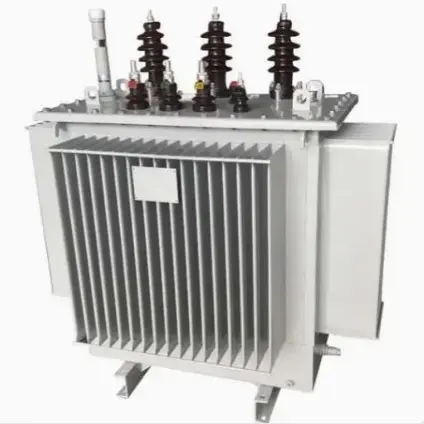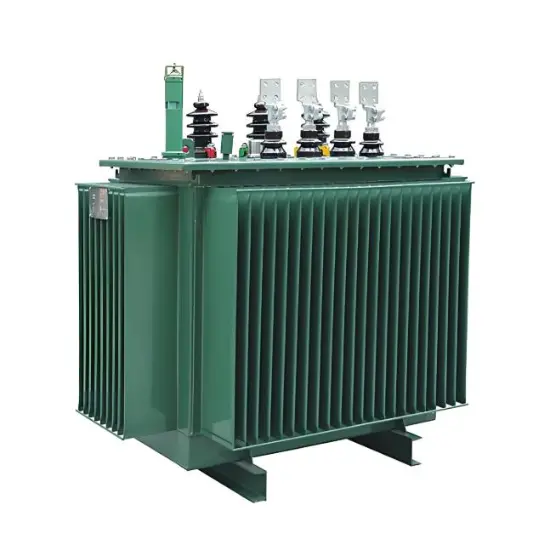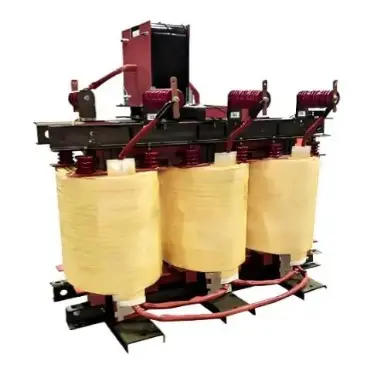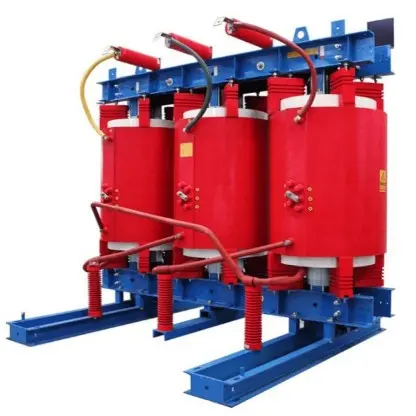
The primary current (Primary Current) in a transformer plays a crucial role in its normal operation. Below is a detailed explanation of the main purposes and related concepts of the primary current:
Purposes of Primary Current
Provide Excitation Current:A portion of the primary current is used to generate the magnetic field in the transformer core. This magnetic field is produced by the alternating current in the primary winding, known as the excitation current (Excitation Current). The excitation current establishes an alternating magnetic field in the core, which is fundamental to the operation of the transformer.
Transfer Energy:The main part of the primary current is used to transfer energy from the primary winding to the secondary winding. Once the alternating magnetic field is established in the core, it induces a voltage in the secondary winding, thereby generating the secondary current. The primary current and secondary current are coupled through electromagnetic induction.
Maintain Voltage:The magnitude and phase of the primary current affect the output voltage of the transformer. Ideally, the output voltage of the transformer is proportional to the input voltage by the ratio of the turns in the primary winding to the turns in the secondary winding. However, in practical applications, changes in the load current can affect the primary current, which in turn affects the output voltage.
Related Concepts
Excitation Current:The excitation current is the portion of the primary current used to establish the magnetic field in the core. It is usually small but is essential for the proper operation of the transformer. The strength of the magnetic field generated by the excitation current determines the flux density in the core.
Load Current:The load current is the current flowing through the secondary winding, caused by the load connected to it. Changes in the load current affect the magnitude and phase of the primary current.
Leakage Flux:Leakage flux refers to the portion of the magnetic field that does not fully couple to the secondary winding. Leakage flux can lead to incomplete coupling between the primary and secondary windings, affecting the efficiency and performance of the transformer.
Copper Loss:Copper loss refers to the resistive losses incurred when current flows through the primary and secondary windings. Larger primary currents result in higher copper losses, which can reduce the efficiency of the transformer.
Iron Loss:Iron loss refers to the losses in the core due to hysteresis and eddy current effects. The magnetic field generated by the excitation current causes these losses in the core, which can impact the efficiency of the transformer.
Conclusion
The primary current in a transformer serves to generate the magnetic field in the core and transfer energy. The excitation current establishes the alternating magnetic field, while changes in the load current affect the primary current, influencing the output voltage. Understanding the role of primary current is essential for designing and using transformers effectively, helping to improve their efficiency and performance.