
• Product
  • Suppliers
  • Manufacturers
  • Solutions
  • Free tools
  • Knowledges
  • Experts
  • Communities
Search


What are the methods for switching operations of station transformers?

Vziman
Field: Manufacturing
China

Let's take an auxiliary power system with two station transformers as an example. When one station transformer needs to be out of service, there are two operation methods: non-interruptive power supply and instantaneous power interruption. Generally, the method of instantaneous power interruption on the low-voltage side is preferred.

The operation method for instantaneous power interruption on the low-voltage side is as follows:

  • Open the 380V power incoming circuit breaker of the corresponding section of the auxiliary power for the station transformer to be out of service.
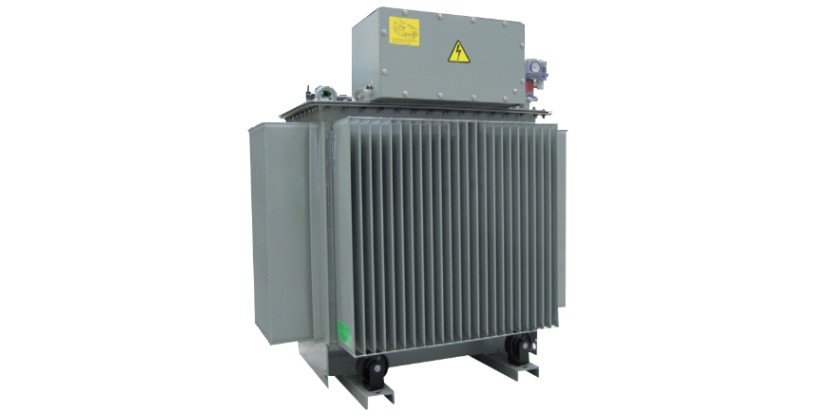
  • Open the 380V incoming isolating switch of the station transformer to be out of service.
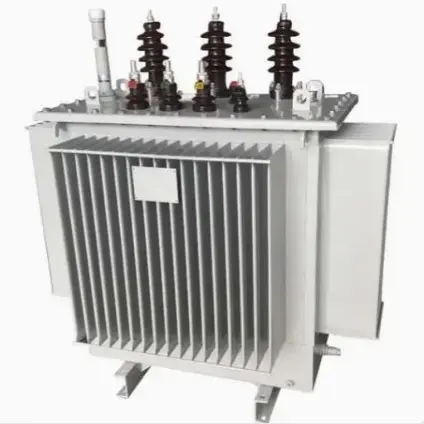
  • Close the auxiliary power section circuit breaker.

  • Open the bus isolating switch of the station transformer to be out of service.
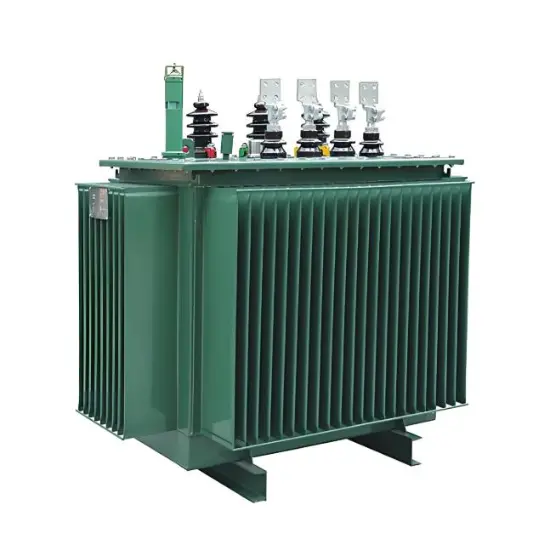
  • Open the high-voltage fuse of the station transformer to be out of service.
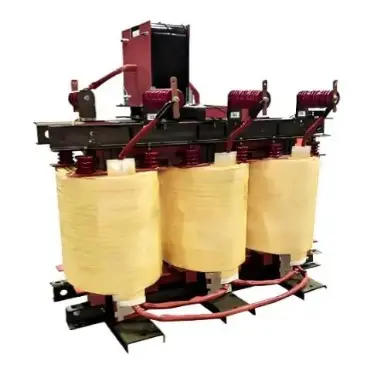
The operation method for non-interruptive power supply on the low-voltage side is as follows:

  • Apply to the dispatching for paralleling the high-voltage side of the station transformers (for example, close the 35kV bus tie circuit breaker).

  • Measure that the voltage difference between the busbars of section Ⅰ and section Ⅱ of the auxiliary power is qualified, then close the auxiliary power section circuit breaker to make section Ⅰ and section Ⅱ of the auxiliary power operate in parallel.

  • Open the 380V power incoming circuit breaker of the corresponding section of the auxiliary power for the station transformer to be out of service.
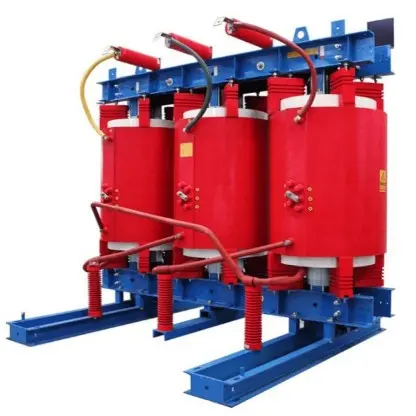
  • Open the 380V incoming isolating switch of the station transformer to be out of service.
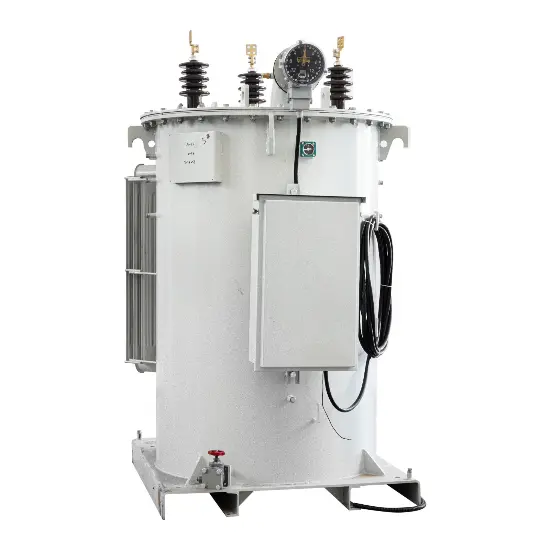
  • Open the bus isolating switch of the station transformer to be out of service.
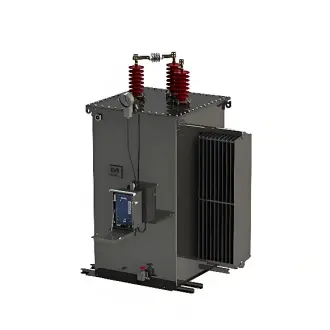
  • Open the high-voltage fuse of the station transformer to be out of service.

electrical transformer.jpg

Give a tip and encourage the author!

Recommended

Why Must a Transformer Core Be Grounded at Only One Point? Isn't Multi-Point Grounding More Reliable?
Why Does the Transformer Core Need to Be Grounded?During operation, the transformer core, along with the metal structures, parts, and components that fix the core and windings, are all situated in a strong electric field. Under the influence of this electric field, they acquire a relatively high potential with respect to ground. If the core is not grounded, a potential difference will exist between the core and the grounded clamping structures and tank, which may lead to intermittent discharge.I
01/29/2026
What’s the Difference Between Rectifier Transformers and Power Transformers?
What is a Rectifier Transformer?"Power conversion" is a general term encompassing rectification, inversion, and frequency conversion, with rectification being the most widely used among them. Rectifier equipment converts input AC power into DC output through rectification and filtering. A rectifier transformer serves as the power supply transformer for such rectifier equipment. In industrial applications, most DC power supplies are obtained by combining a rectifier transformer with rectifier equ
01/29/2026
How to Judge, Detect and Troubleshoot Transformer Core Faults
1. Hazards, Causes, and Types of Multi-Point Grounding Faults in Transformer Cores1.1 Hazards of Multi-Point Grounding Faults in the CoreUnder normal operation, a transformer core must be grounded at only one point. During operation, alternating magnetic fields surround the windings. Due to electromagnetic induction, parasitic capacitances exist between the high-voltage and low-voltage windings, between the low-voltage winding and the core, and between the core and the tank. The energized windin
01/27/2026
A Brief Discussion on the Selection of Grounding Transformers in Boost Stations
A Brief Discussion on the Selection of Grounding Transformers in Boost StationsThe grounding transformer, commonly referred to as "grounding transformer," operates under the condition of being no-load during normal grid operation and overloaded during short-circuit faults. According to the difference in filling medium, common types can be divided into oil-immersed and dry-type; according to phase number, they can be classified into three-phase and single-phase grounding transformers. The groundi
01/27/2026
Related Products
Send inquiry
+86
Click to upload file
Download
Get the IEE Business Application
Use the IEE-Business app to find equipment, obtain solutions, connect with experts, and participate in industry collaboration anytime, anywhere—fully supporting the development of your power projects and business.






