How Tanesco Inspects Electrical Systems and Equipment
Tanesco (Tanzania Electricity Supply Company Limited) is the national electricity company responsible for power supply and related infrastructure maintenance in Tanzania. To ensure the safety and reliable operation of electrical systems, Tanesco implements a series of inspection and maintenance procedures. Here are some common methods and steps used by Tanesco to inspect electrical systems and equipment:
1. Regular Inspections
Visual Inspection: Technicians regularly perform visual inspections to check for obvious damage, corrosion, or loose components.
Data Recording: Record operational parameters such as voltage, current, and temperature for subsequent analysis.
2. Preventive Maintenance
Scheduled Maintenance: Develop regular maintenance schedules, including cleaning, lubrication, and tightening connections.
Component Replacement: Timely replace worn or aged components to prevent failures.
3. Electrical Testing
Insulation Testing: Use a megohmmeter to measure the insulation resistance of cables and equipment to ensure good insulation performance.
Grounding Testing: Check the continuity and effectiveness of the grounding system to ensure safe grounding.
Dielectric Testing: Perform high-voltage dielectric tests to verify the insulation strength of equipment.
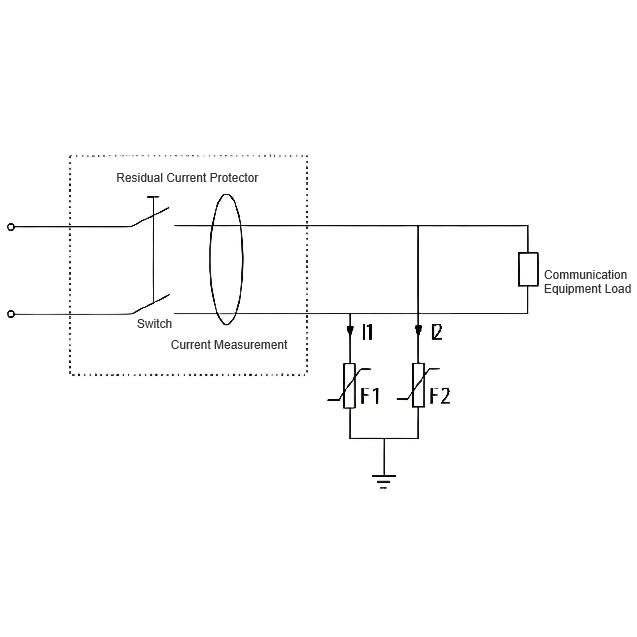
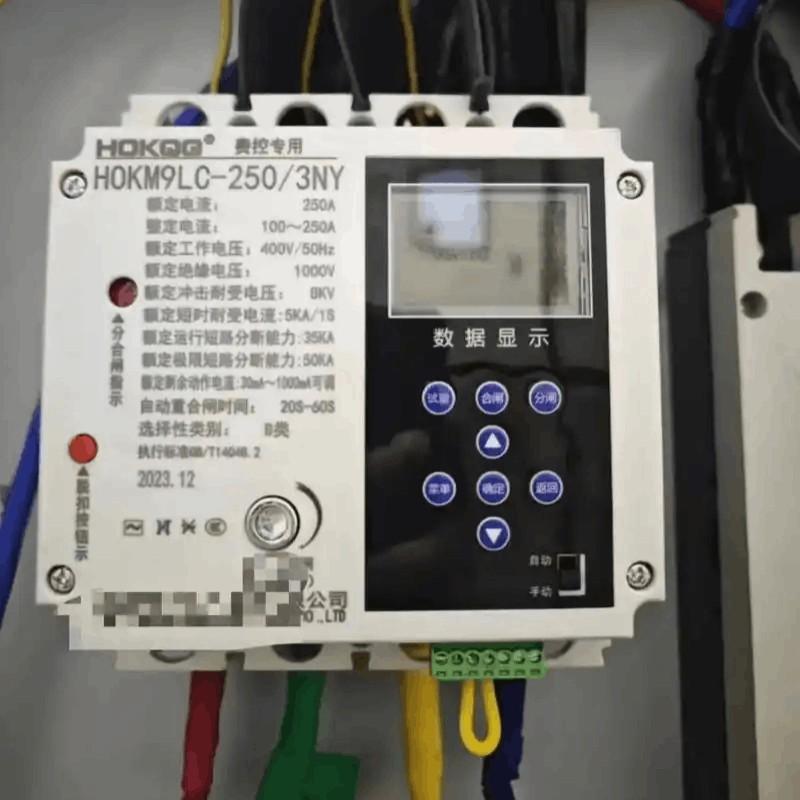
Leakage Current Testing: Detect leakage current in equipment to ensure there are no potential electrical leakage risks.
4. Equipment Calibration
Instrument Calibration: Regularly calibrate measuring instruments and protective devices to ensure their accuracy and reliability.
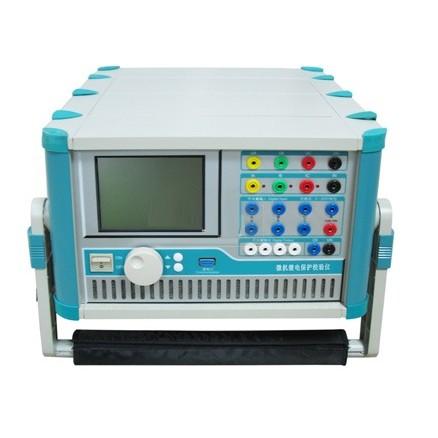
Relay Calibration: Calibrate relay settings to ensure they operate correctly within the set protection ranges.
5. Fault Diagnosis
Fault Logging: Record all faults and anomalies for analysis to identify root causes.
Troubleshooting: Use professional tools and equipment to diagnose and fix problems.
6. Safety Checks
Safety Procedures: Ensure all operations comply with safety procedures and standards.
Personal Protective Equipment (PPE): Check that staff personal protective equipment is in good condition and used correctly.
7. Training and Technical Support
Employee Training: Regularly train employees to enhance their skills and knowledge.
Technical Support: Provide technical support and consulting services to help solve complex technical issues.
8. Environmental Monitoring
Environmental Impact Assessment: Evaluate the impact of electrical facilities on the environment to ensure compliance with environmental requirements.
Lightning Protection: Inspect and maintain lightning protection systems to ensure their effectiveness.
9. Customer Feedback
User Reports: Collect user feedback and complaints and address them promptly.
Satisfaction Surveys: Conduct regular user satisfaction surveys to assess service quality and identify areas for improvement.
10. Emergency Preparedness
Emergency Plans: Develop emergency plans to handle unexpected situations, such as natural disasters or major failures.
Emergency Drills: Conduct regular emergency drills to enhance emergency response capabilities.
Example Process
Planning Stage:
Develop inspection plans and schedules.
Prepare necessary tools and equipment.
Execution Stage:
Conduct on-site inspections and tests.
Record inspection results and identified issues.
Analysis Stage:
Analyze inspection data to determine the root causes of problems.
Develop repair and improvement measures.
Repair Stage:
Perform repairs and replacements.
Verify the effectiveness of the repairs.
Reporting Stage:
Write inspection reports documenting all inspection and repair activities.
Report to management and relevant departments.
Summary
Through these methods and steps, Tanesco can effectively inspect and maintain electrical systems and equipment, ensuring the safety, reliability, and efficiency of power supply. These measures not only improve system performance but also reduce the occurrence of faults and accidents, ensuring user safety and satisfaction.