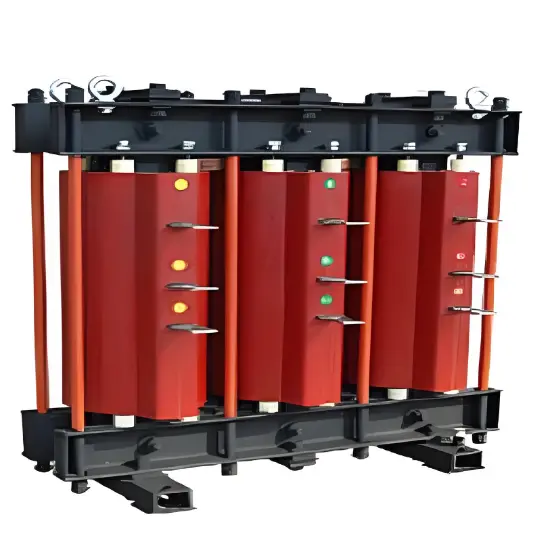
6kV 10kV High-voltage starting reactor with F Insulation Class
Key attributes
| Brand | POWERTECH |
| Model NO. | High-voltage starting reactor |
| Starting current | 112A |
| Starting capacity | 410KVar |
| Series | QKSG |
Product descriptions from the supplier
Description:
When the AC asynchronous motor is started at the rated voltage, the initial starting current is very large, often exceeding many times of the rated current (generally 5~7 times). In order to reduce the starting current and not affect the power grid, the AC asynchronous motor is usually started by reducing the voltage, and the commonly used step-down method is to use a reactor or autotransformer, and the starting process of the AC motor is very short (generally a few seconds to two minutes), and the reactor or autotransformer used for step-down start-up is cut off after starting.
Feature:
The core is made of silicon steel sheet, the core column is divided into uniform small sections through multiple air gaps, the air gap is isolated by epoxy plates, and high-temperature binders are used to ensure that the air gap does not change under the long-term operation of the reactor.
The end face of the iron core is made of silicon steel sheet end glue, so that the silicon steel sheet is firmly combined, which greatly reduces the noise during operation and has good corrosion resistance.
The coil wrapping structure, the main insulation of the coil is impregnated with glass fiber epoxy resin, and the coil is impregnated with high-temperature insulating paint under vacuum after hot baking and curing, the coil not only has good insulation performance, but also has high mechanical strength, and can withstand the large current impact and cold and hot shock when the motor is started without cracking.
Parameters:
Rated voltage: 6kV, 10kV
Rated frequency: 50Hz, 60Hz
Insulation grade: F
class Starting time: 120S, after 120S, it should be cooled for 6 hours before starting again


Standard:

Conditions for the use:
The altitude does not exceed 2000m.
Ambient temperature -25~+45°C, relative humidity ≤90%.
There are no harmful gases around, no flammable and explosive materials.
The waveform of the supply voltage is similar to that of a sine wave.
The surrounding environment should be well ventilated, if installed in the cabinet, ventilation equipment should be installed.
Indoors.
What are the differences in the working methods of different types of reactors?
Shunt Reactors:
Shunt reactors are primarily used to compensate for capacitive currents, improve power factor, and stabilize grid voltage. They are connected in parallel with the grid and absorb reactive power to regulate the reactive power balance in the grid.
Series Reactors:
Series reactors are connected in series within the circuit and are used to limit short-circuit currents, improve the transient stability of the power system, and other purposes. For example, in high-voltage transmission systems, series reactors can limit the short-circuit current during faults, protecting electrical equipment. In power electronic circuits, series reactors can smooth the input current and reduce harmonic distortion.
Related Products
-
Air-Core Series current-limiting Reactors
-
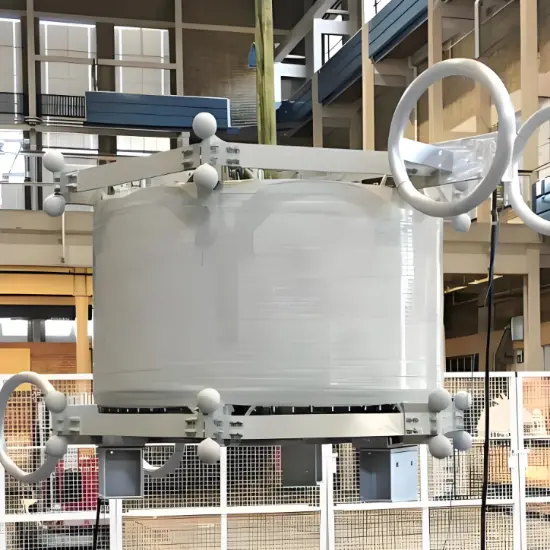
40-500kHz Line Traps for Serial Connection
-
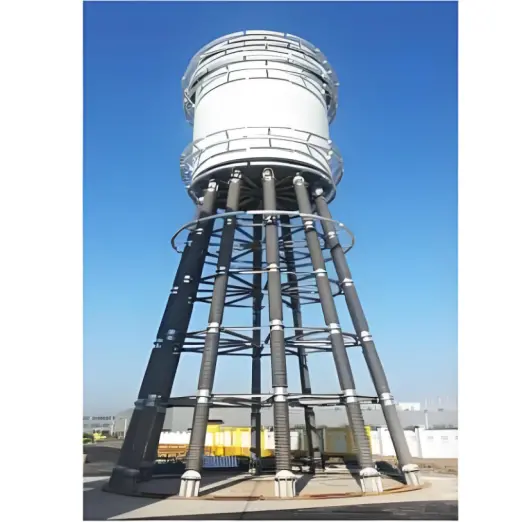
800kV 1100kV Smoothing Reactor Connected in Series
-
10kV High-voltage series reactors for Serial Connection

-
Air-Core Smoothing current-limiting Reactors

-
Air-Core Split current-limiting Reactors

-
Air-Core Current Limiting Reactors

Related Knowledges
-
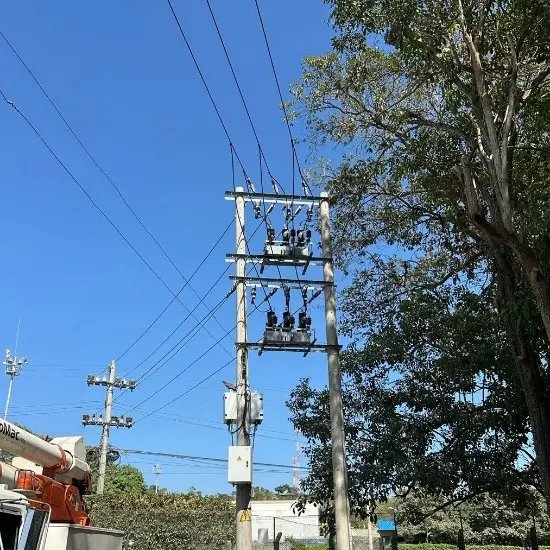 Faults and Handling of Single-phase Grounding in 10kV Distribution LinesCharacteristics and Detection Devices for Single-Phase Ground Faults1. Characteristics of Single-Phase Ground FaultsCentral Alarm Signals:The warning bell rings, and the indicator lamp labeled “Ground Fault on [X] kV Bus Section [Y]” illuminates. In systems with a Petersen coil (arc suppression coil) grounding the neutral point, the “Petersen Coil Operated” indicator also lights up.Insulation Monitoring Voltmeter Indications:The voltage of the faulted phase decreases (in01/30/2026
 -
 Neutral point grounding operation mode for 110kV~220kV power grid transformersThe arrangement of neutral point grounding operation modes for 110kV~220kV power grid transformers shall meet the insulation withstand requirements of transformer neutral points, and shall also strive to keep the zero-sequence impedance of substations basically unchanged, while ensuring that the zero-sequence comprehensive impedance at any short-circuit point in the system does not exceed three times the positive-sequence comprehensive impedance.For 220kV and 110kV transformers in new constructi01/29/2026
 -
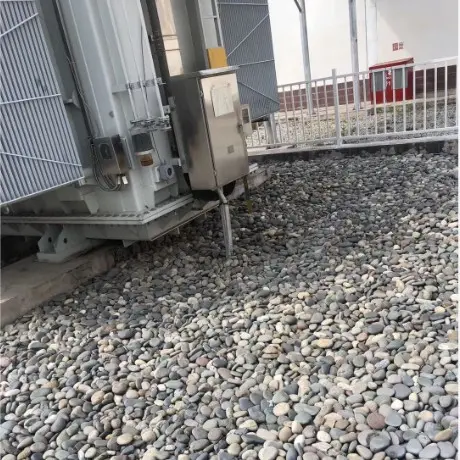 Why Do Substations Use Stones, Gravel, Pebbles, and Crushed Rock?Why Do Substations Use Stones, Gravel, Pebbles, and Crushed Rock?In substations, equipment such as power and distribution transformers, transmission lines, voltage transformers, current transformers, and disconnect switches all require grounding. Beyond grounding, we will now explore in depth why gravel and crushed stone are commonly used in substations. Though they appear ordinary, these stones play a critical safety and functional role.In substation grounding design—especially when multiple gr01/29/2026
 -
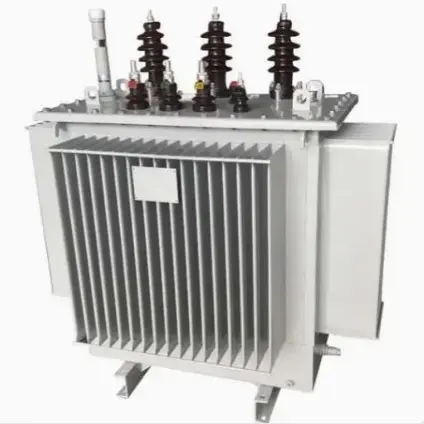 Why Must a Transformer Core Be Grounded at Only One Point? Isn't Multi-Point Grounding More Reliable?Why Does the Transformer Core Need to Be Grounded?During operation, the transformer core, along with the metal structures, parts, and components that fix the core and windings, are all situated in a strong electric field. Under the influence of this electric field, they acquire a relatively high potential with respect to ground. If the core is not grounded, a potential difference will exist between the core and the grounded clamping structures and tank, which may lead to intermittent discharge.I01/29/2026
 -
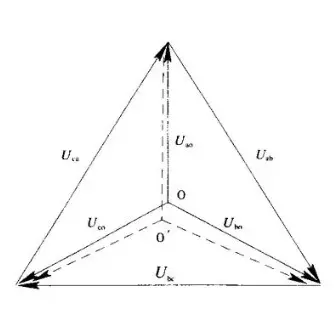 Understanding Transformer Neutral GroundingI. What is a Neutral Point?In transformers and generators, the neutral point is a specific point in the winding where the absolute voltage between this point and each external terminal is equal. In the diagram below, pointOrepresents the neutral point.II. Why Does the Neutral Point Need Grounding?The electrical connection method between the neutral point and earth in a three-phase AC power system is called theneutral grounding method. This grounding method directly affects:The safety, reliabilit01/29/2026
 -
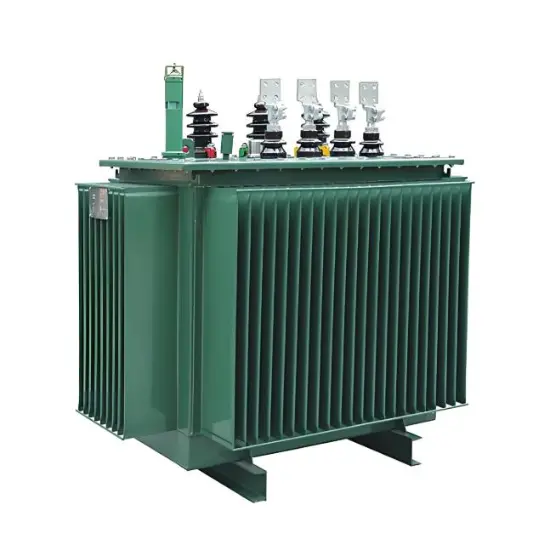 What’s the Difference Between Rectifier Transformers and Power Transformers?What is a Rectifier Transformer?"Power conversion" is a general term encompassing rectification, inversion, and frequency conversion, with rectification being the most widely used among them. Rectifier equipment converts input AC power into DC output through rectification and filtering. A rectifier transformer serves as the power supply transformer for such rectifier equipment. In industrial applications, most DC power supplies are obtained by combining a rectifier transformer with rectifier equ01/29/2026
Related Solutions
-
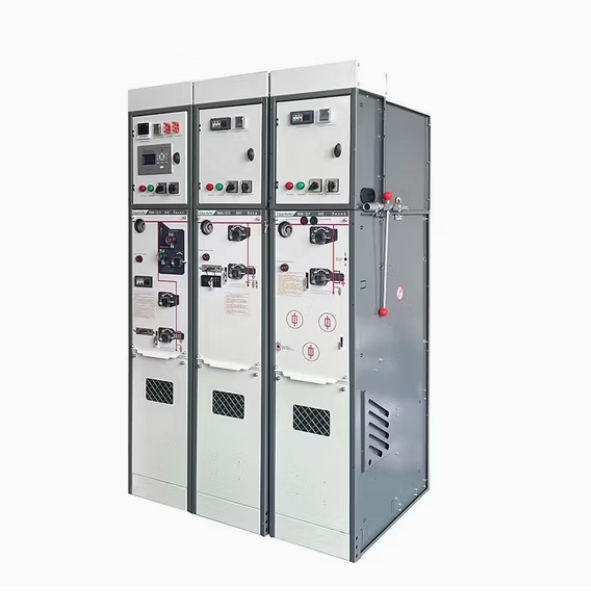 Core Value and Innovative Applications of 12kV Medium Voltage Switchgear in Smart SubstationsWith the Rapid Development of Smart Grids and the Integration of Renewable Energy Medium Voltage (MV) Switchgear, as the core power distribution equipment in substations, directly determines the stability of the power system through its reliability, intelligence, and space efficiency. This article delves into the key technologies, scenario-specific solutions, and practical benefits of Medium Voltage Switchgear in substations.Core Requirements for Substation ScenariosHigh Reliability Requirements06/12/2025
 -
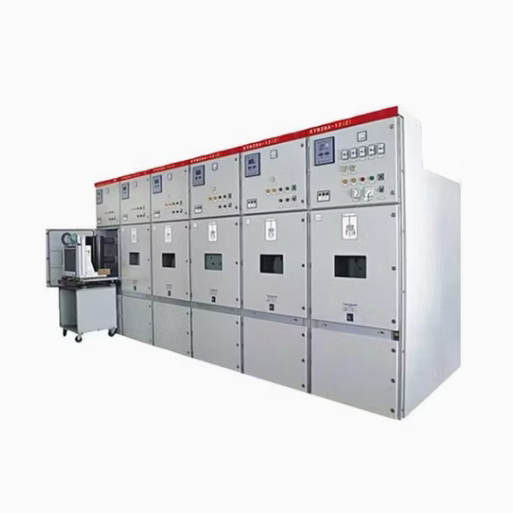 Withdrawable 12kV Medium Voltage Switchgear: The Indispensable Pivot of Flexibility and Safety in Smart GridsAt the core of medium-voltage power distribution systems in industrial facilities, commercial complexes, and data centers, switchgear acts as a silent commander, governing the lifeline of electrical flow. Among various solutions, Withdrawable Switchgearhas become synonymous with reliability in modern MV systems due to its unique design philosophy. Compared to fixed switchgear, its "withdrawable" feature delivers compelling advantages, setting new benchmarks for operational efficiencyand per06/12/2025
 -
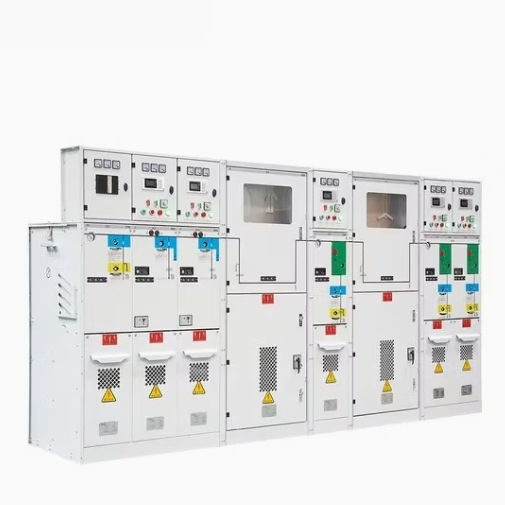 Core Dilemma in Southeast Asia 12kV Medium Voltage SwitchgearSoutheast Asia’s rapidly growing power demand (GDP growth >5% annually) combined with extreme climatic conditions—high temperature, humidity, and salt spray corrosion—necessitates balancing lifecycle costs with climate resilience in switchgear selection. This article analyzes the optimal cost-performance solutions between GIS and AIS.I. GIS vs. AIS Cost Comparison Model (Southeast Asia Context)1. Initial Investment Costs2. Long-Term Operational CostsGIS Advantages:Ext06/12/2025