
Power Transformers: Short Circuit Risks, Causes, and Improvement MeasuresPower transformers are fundamental components in power systems that provide energy transmission and are crucial induction devices ensuring safe power operation. Their structure consists of primary coils, secondary coils, and an iron core, utilizing the principle of electromagnetic induction to alter AC voltage. Through long-term technological improvements, the reliability and stability of power supply have continuously enha
12/17/2025
Consult
Tip
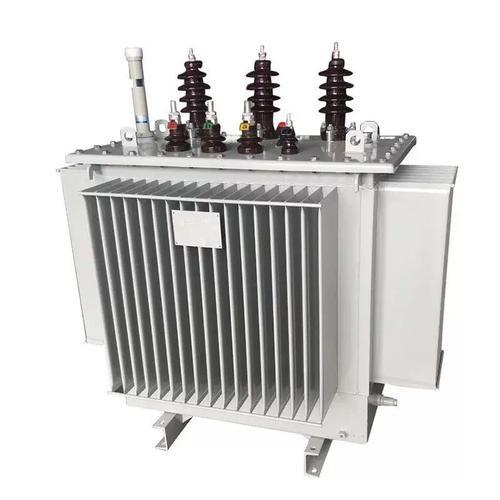
1.Causes of Damage to Agricultural H59/H61 Oil-Immersed Distribution Transformers1.1 Insulation DamageRural power supply commonly uses a 380/220V mixed system. Due to the high proportion of single-phase loads, H59/H61 oil-immersed distribution transformers often operate under significant three-phase load imbalance. In many cases, the degree of three-phase load imbalance far exceeds the limits permitted by operational regulations, causing premature aging, deterioration, and eventual failure of th
12/08/2025
Consult
Tip
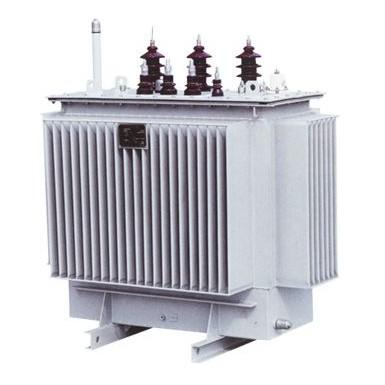
The main hazard points in transformer operation are: Switching overvoltages that may occur during the energizing or de-energizing of no-load transformers, endangering transformer insulation; No-load voltage rise in transformers, which may damage transformer insulation.1. Preventive Measures Against Switching Overvoltages During No-Load Transformer SwitchingGrounding the transformer neutral point is primarily aimed at preventing switching overvoltages. In 110 kV and higher large-current grounding
12/04/2025
Consult
Tip
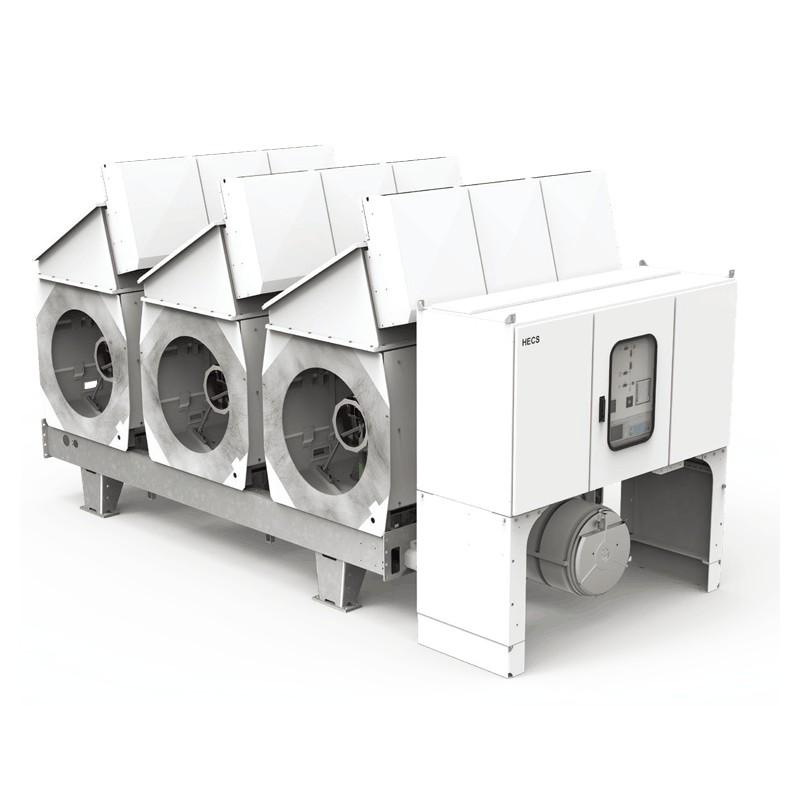
Units with a capacity of 300MW and above are usually connected in a generator-transformer unit configuration and connected to the power system through the circuit breaker on the high-voltage side of the transformer. During the normal operation of the unit, the circuit breaker may trip automatically due to various reasons. Operators must make correct judgments and take timely measures to ensure the safe operation of the unit.1. Causes of Automatic Circuit Breaker Tripping Tripping due to relay pr
11/27/2025
Consult
Tip
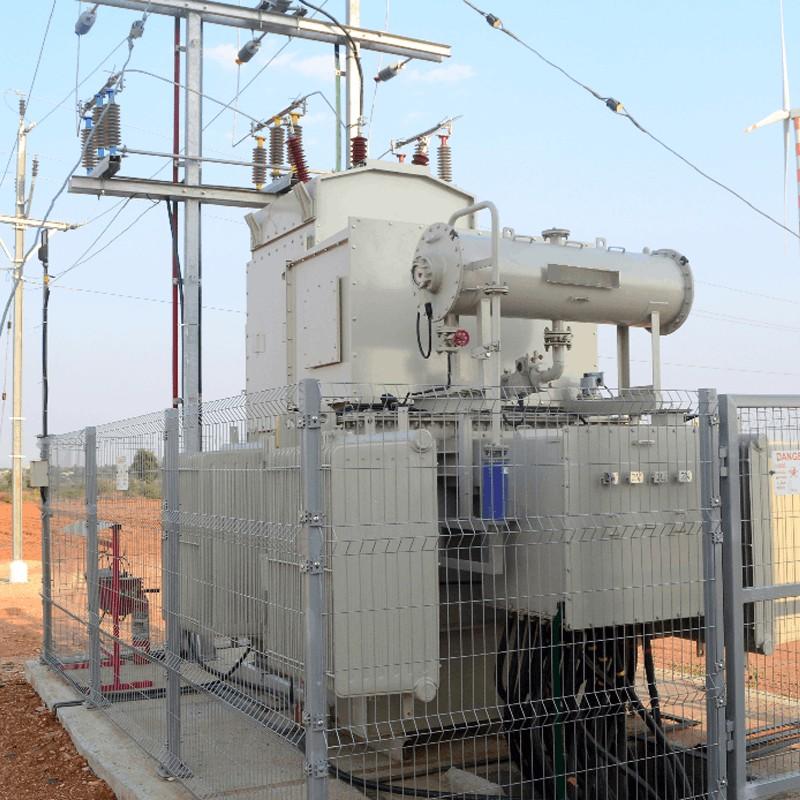
I. IntroductionSubstations serve as critical hubs in power systems, responsible for transmitting electrical energy from power plants to end users. Busbars, as a key component of substations, play an essential role in power distribution and transmission. However, busbar voltage loss incidents occur from time to time, posing a serious threat to the safe and stable operation of power systems. Therefore, ensuring zero busbar voltage loss in substations has become a crucial issue in power system oper
11/14/2025
Consult
Tip
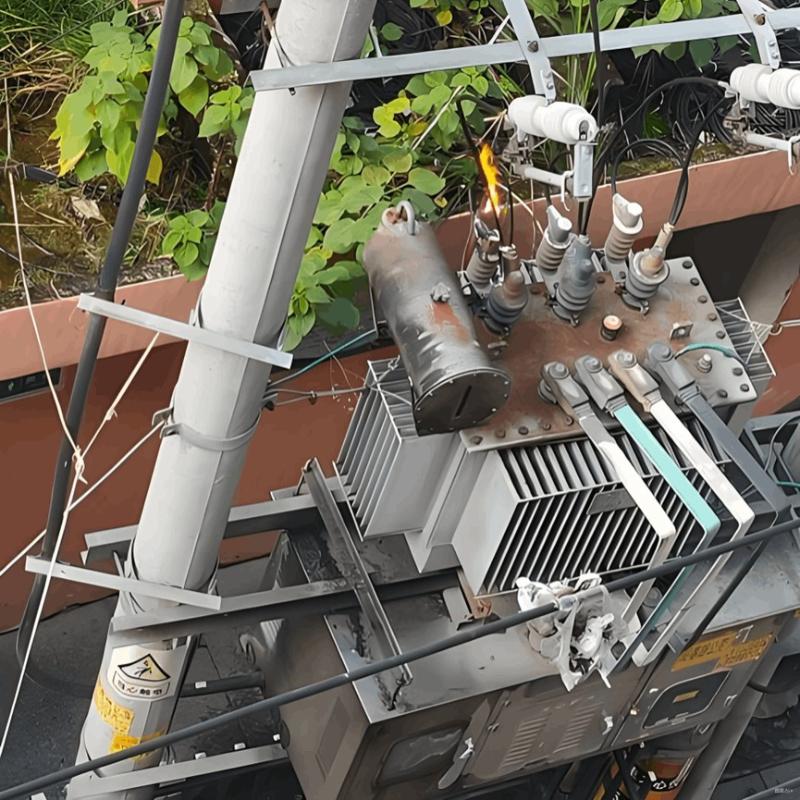
Failures in power transformers are commonly caused by severe overload operation, short circuits due to winding insulation degradation, aging of transformer oil, excessive contact resistance at connections or tap changers, failure of high- or low-voltage fuses to operate during external short circuits, core damage, internal arcing in oil, and lightning strikes.Since transformers are filled with insulating oil, fires can have severe consequences—ranging from oil spraying and ignition to, in extrem
11/05/2025
Consult
Tip
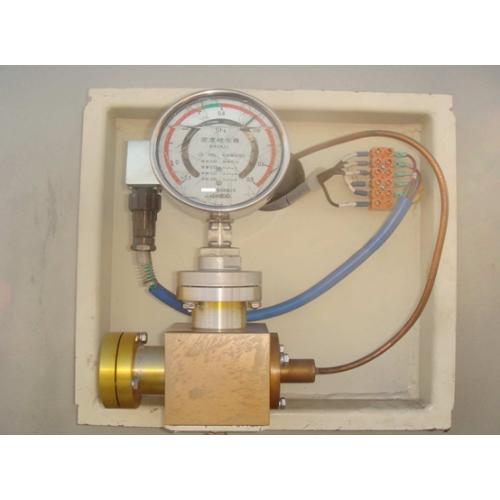
1. Introduction SF6 electrical equipment, renowned for its excellent arc-quenching and insulating properties, has been widely applied in power systems. To ensure safe operation, real-time monitoring of SF6 gas density is essential. Currently, mechanical pointer-type density relays are commonly used, providing functions such as alarm, lockout, and on-site display. To enhance vibration resistance, most of these relays are filled internally with silicone oil.However, oil leakage from density relays
10/27/2025
Consult
Tip






