• Product
  • Suppliers
  • Manufacturers
  • Solutions
  • Free tools
  • Knowledges
  • Experts
  • Communities
Search


Free Expert Guides on Power Systems, Circuit Design & Electrical Troubleshooting

Access free engineering resources from IEE Business—covering power design, circuit layout, equipment selection, and troubleshooting. Expert-developed guides help engineers, procurement, and project teams make better decisions. Stay ahead on smart grids, renewables, efficiency, and AI tools. Improve reliability, reduce downtime, and enhance outcomes with real-world solutions. Explore our knowledge hub today.
Why Can't a 10kV VCB Trip Locally?
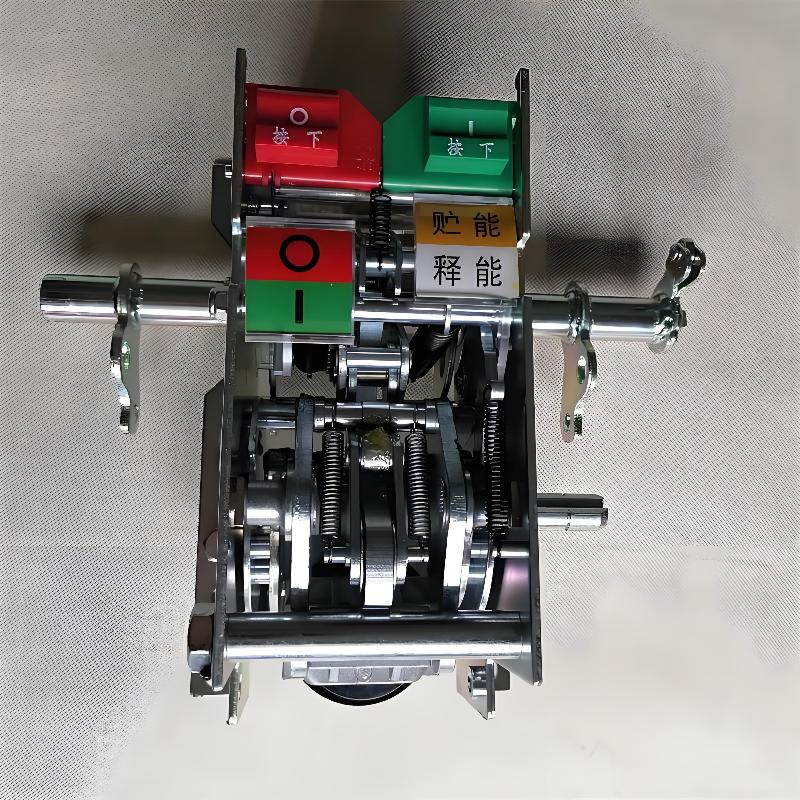
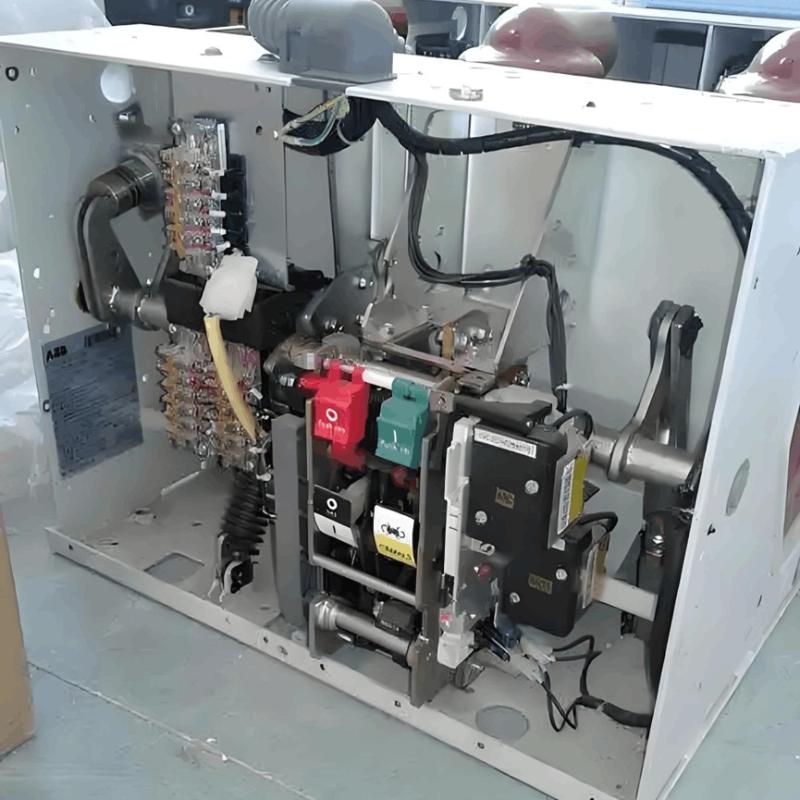
The inability to manually operate the local mechanical trip of a 10kV vacuum circuit breaker is a relatively common fault type in power system maintenance work. Based on years of field experience, such issues typically stem from five core areas, each requiring troubleshooting based on specific symptoms.Operating mechanism jamming is the most common cause. The tripping process of a circuit breaker relies on mechanical energy released from spring energy storage; if rust, deformation, or foreign ob
10/18/2025
Consult
Tip
Consult
Tip
How to Choose Vacuum Circuit Breakers Correctly?
01 PrefaceIn medium-voltage systems, circuit breakers are indispensable primary components. Vacuum circuit breakers dominate the domestic market. Therefore, correct electrical design is inseparable from the proper selection of vacuum circuit breakers. In this section, we will discuss how to correctly select vacuum circuit breakers and common misconceptions in their selection.02 Interrupting Capacity for Short-Circuit Current Need Not Be Excessively HighThe short-circuit interrupting capacity of
10/18/2025
Consult
Tip
Consult
Tip
Vacuum vs Air Circuit Breakers: Key Differences
Low-Voltage Air Circuit Breakers vs. Vacuum Circuit Breakers: Structure, Performance and ApplicationLow-voltage air circuit breakers, also known as universal or molded frame circuit breakers (MCCBs), are designed for AC voltages of 380/690V and DC voltages up to 1500V, with rated currents ranging from 400A to 6300A or even 7500A. These breakers use air as the arc-quenching medium. The arc is extinguished through arc elongation, splitting, and cooling by an arc chute (arc runner). Such breakers c
10/18/2025
Consult
Tip
Consult
Tip
Vacuum Circuit Breakers for Capacitor Bank Switching
Reactive Power Compensation and Capacitor Switching in Power SystemsReactive power compensation is an effective means to increase system operating voltage, reduce network losses, and improve system stability.Conventional Loads in Power Systems (Impedance Types): Resistance Inductive reactance Capacitive reactanceInrush Current During Capacitor EnergizationIn power system operation, capacitors are switched in to improve power factor. At the moment of closing, a large inrush current is generated.
10/18/2025
Consult
Tip
Consult
Tip
Minimum Operating Voltage for Vacuum Circuit Breakers
Minimum Operating Voltage for Trip and Close Operations in Vacuum Circuit Breakers1. IntroductionWhen you hear the term "vacuum circuit breaker," it might sound unfamiliar. But if we say "circuit breaker" or "power switch," most people will know what it means. In fact, vacuum circuit breakers are key components in modern power systems, responsible for protecting circuits from damage. Today, let's explore an important concept — the minimum operating voltage for trip and close operations.Though it
10/18/2025
Consult
Tip
Consult
Tip
Comprehensive Guide to Operating Mechanisms in HV and MV Circuit Breakers
What Is the Spring Operating Mechanism in High- and Medium-Voltage Circuit Breakers?The spring operating mechanism is a critical component in high- and medium-voltage circuit breakers. It uses the elastic potential energy stored in springs to initiate the opening and closing operations of the breaker. The spring is charged by an electric motor. When the breaker operates, the stored energy is released to drive the moving contacts.Key Features: The spring mechanism utilizeselastic energy stored in
10/18/2025
Consult
Tip
Consult
Tip
Reduce Downtime with Digital MV Circuit Breakers
Reduce Downtime with Digitized Medium-Voltage Switchgear and Circuit Breakers"Downtime" — it’s a word no facility manager wants to hear, especially when it’s unplanned. Now, thanks to next-generation medium-voltage (MV) circuit breakers and switchgear, you can leverage digital solutions to maximize uptime and system reliability.Modern MV switchgear and circuit breakers are equipped with embedded digital sensors that enable product-level equipment monitoring, providing real-time insights into the
10/18/2025
Consult
Tip
Consult
Tip
Analysis of Common Faults and Countermeasures for Medium-Voltage Vacuum Circuit Breakers
The Role of Vacuum Circuit Breakers in Substation Systems and Common Fault AnalysisWhen substation system faults occur, vacuum circuit breakers play a critical protective role by interrupting overloads and short-circuit currents, ensuring the safe and stable operation of power systems. It is essential to strengthen routine inspection and maintenance of medium-voltage (MV) vacuum circuit breakers, analyze common failure causes, and implement effective corrective measures to improve substation rel
10/17/2025
Consult
Tip
Consult
Tip
Why Choose IEEE Over IEC for Vacuum Breakers?
Differences Between Vacuum Circuit Breakers Complying with IEEE C37.04 and IEC/GB StandardsVacuum circuit breakers designed to meet the North American IEEE C37.04 standard exhibit several key design and functional differences compared to those conforming to IEC/GB standards. These differences primarily stem from safety, serviceability, and system integration requirements in North American switchgear practices.1. Trip-Free Mechanism (Anti-Pumping Function)The "trip-free" mechanism—functionally eq
10/17/2025
Consult
Tip
Consult
Tip
Advantages & Applications of Low-Voltage Vacuum Circuit Breakers
Low-Voltage Vacuum Circuit Breakers: Advantages, Application, and Technical ChallengesDue to their lower voltage rating, low-voltage vacuum circuit breakers have a smaller contact gap compared to medium-voltage types. Under such small gaps, transverse magnetic field (TMF) technology is superior to axial magnetic field (AMF) for interrupting high short-circuit currents. When interrupting large currents, the vacuum arc tends to concentrate into a constricted arc mode, where localized erosion zones
10/16/2025
Consult
Tip
Consult
Tip
Send inquiry
+86
Click to upload file
Download
Get the IEE Business Application
Use the IEE-Business app to find equipment, obtain solutions, connect with experts, and participate in industry collaboration anytime, anywhere—fully supporting the development of your power projects and business.