• Product
  • Suppliers
  • Manufacturers
  • Solutions
  • Free tools
  • Knowledges
  • Experts
  • Communities
Search


Free Expert Guides on Power Systems, Circuit Design & Electrical Troubleshooting

Access free engineering resources from IEE Business—covering power design, circuit layout, equipment selection, and troubleshooting. Expert-developed guides help engineers, procurement, and project teams make better decisions. Stay ahead on smart grids, renewables, efficiency, and AI tools. Improve reliability, reduce downtime, and enhance outcomes with real-world solutions. Explore our knowledge hub today.
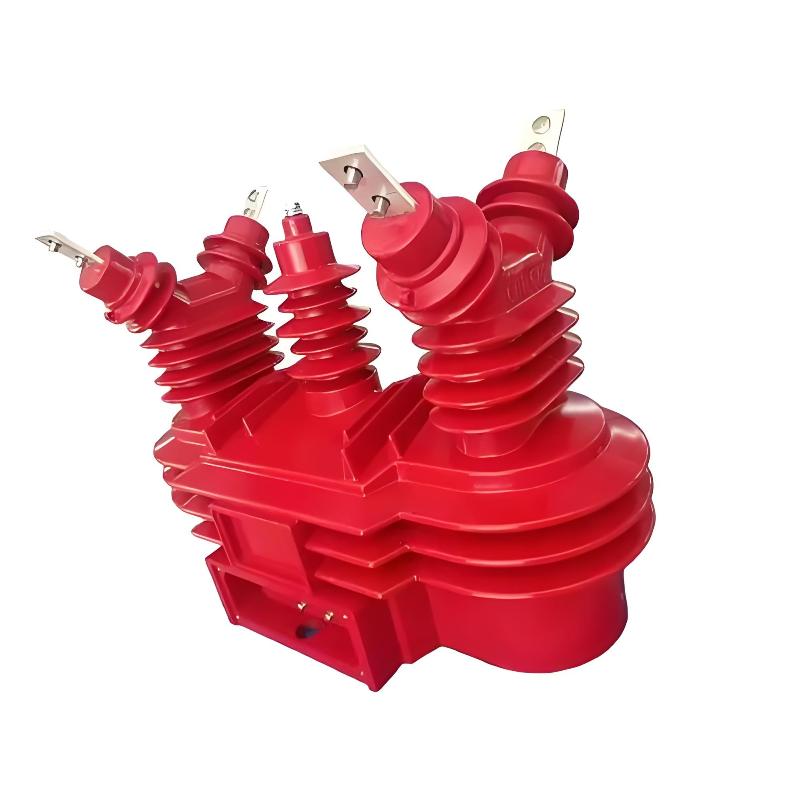
What Are Combined Transformer Standards? Key Specs & Tests
Combined Instrument Transformers: Technical Requirements and Testing Standards Explained with DataA combined instrument transformer integrates a voltage transformer (VT) and a current transformer (CT) into a single unit. Its design and performance are governed by comprehensive standards covering technical specifications, testing procedures, and operational reliability.1. Technical RequirementsRated Voltage:The primary rated voltages include 3kV, 6kV, 10kV, and 35kV, among others. The secondary v
10/23/2025
Consult
Tip
Consult
Tip
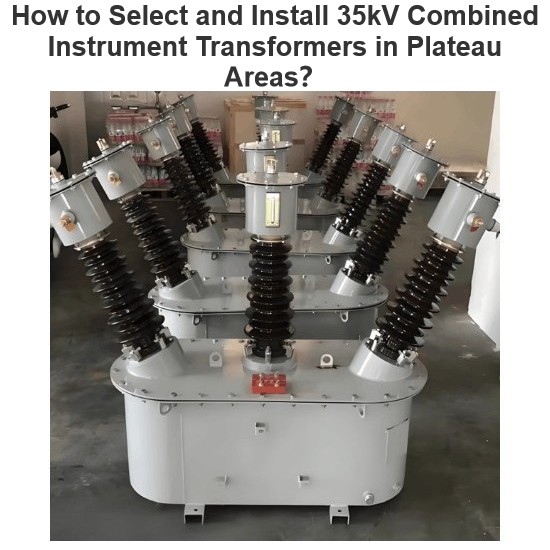
How to Select and Install 35kV Combined Instrument Transformers in Plateau Areas?
In real-world engineering projects, selecting and installing 35kV combined instrument transformers isn't just a matter of "buying and installing" — it requires a comprehensive evaluation of many factors, such as environmental conditions, equipment performance, and maintenance convenience. Only by taking all these aspects into account can we ensure that the equipment runs safely and stably for a long time under specific conditions.1. Oil-Immersed vs. Dry-Type Transformers — Wh
07/22/2025
Consult
Tip
Consult
Tip
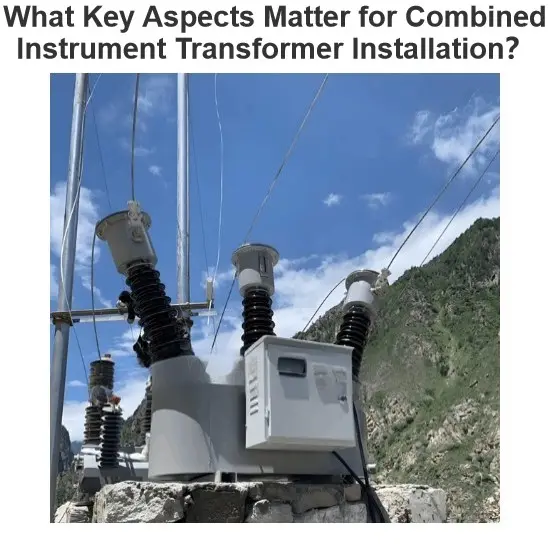
What Key Aspects Matter for Combined Instrument Transformer Installation?
The installation quality of combined instrument transformers directly affects whether they can operate safely and stably. Therefore, during the installation process, several key aspects must not be overlooked — such as foundation construction, grounding, sealing checks, testing and commissioning, as well as secondary wiring. Below, I’ll explain these points in a more conversational way.1. Foundation Construction Must Be Solid, Especially in Plateau AreasAlthough a combined in
07/22/2025
Consult
Tip
Consult
Tip
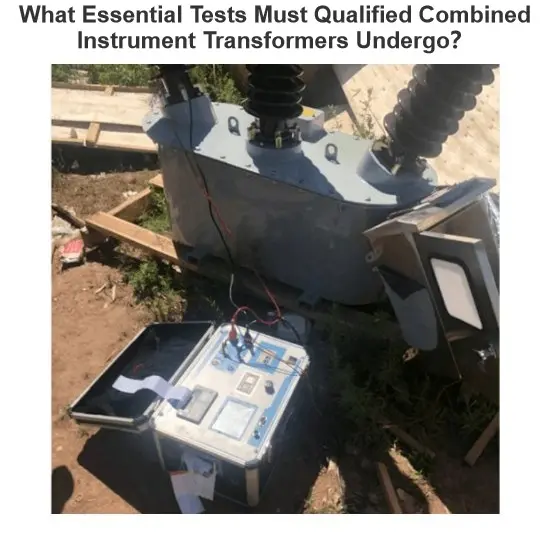
What Essential Tests Must Qualified Combined Instrument Transformers Undergo?
Hi everyone, I’m Oliver, and I’ve been working in the instrument transformer industry for almost eight years now. From a complete newbie to someone who can now handle things independently, I’ve participated in dozens of combined instrument transformer inspections over the years.Today, I’d like to share with you: What tests must a qualified combined instrument transformer go through before leaving the factory or being put into operation? After all, it's a v
07/21/2025
Consult
Tip
Consult
Tip
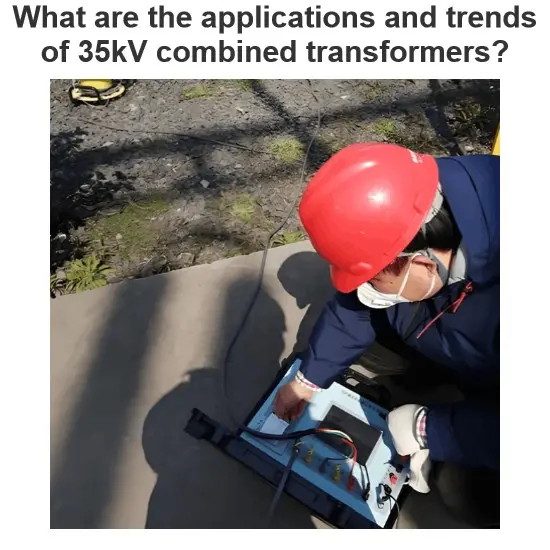
What Are the Applications and Trends of 35kV Combined Instrument Transformers?
Applications and Trends of 35kV Combined Instrument Transformers – From Echo’s PerspectiveHey everyone! My name is Echo, and I’ve been working in the field of instrument transformers for 12 years now. Today, I’d like to share some insights about the applications and future trends of 35kV combined instrument transformers. Hope this can give you a glimpse into this fascinating industry.Application Scenarios: More Than Just Metering ToolsFirst off, let's talk
07/21/2025
Consult
Tip
Consult
Tip
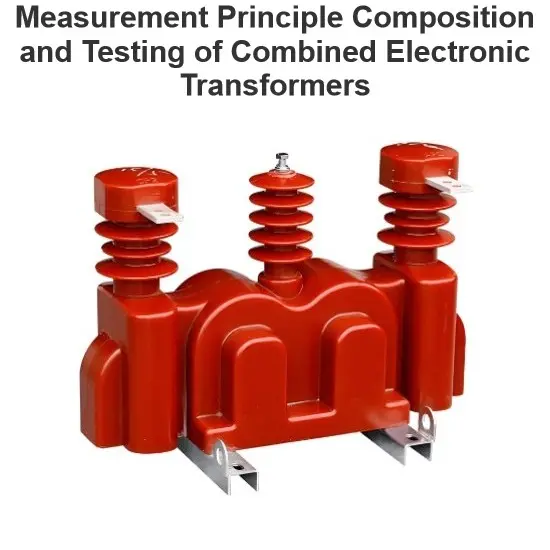
Measurement Principle Composition and Testing of Combined Electronic Transformers
1 Measurement Principle of Combined Electronic Transformers1.1 Voltage Measurement PrincipleElectronic transformers measure voltage using the capacitive voltage division method. Since the voltage across a capacitor cannot change abruptly, the secondary voltage obtained directly through capacitive voltage division has poor transient response and low measurement accuracy. To improve the measurement accuracy, a precision sampling resistor is connected in parallel across the low-voltage capacitor. I
07/21/2025
Consult
Tip
Consult
Tip
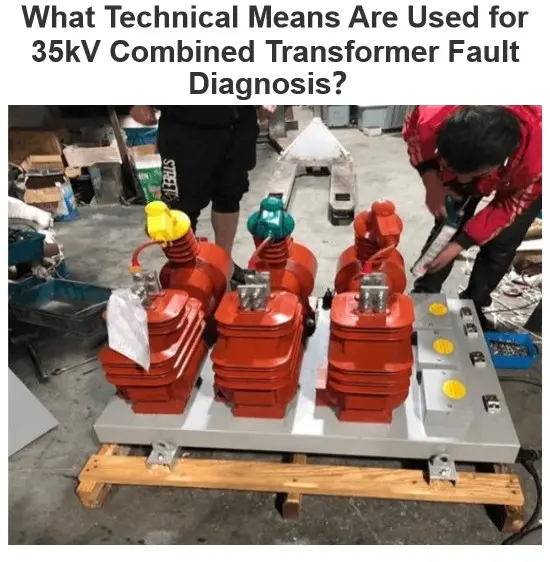
What Technical Means Are Used for 35kV Combined Transformer Fault Diagnosis?
For fault diagnosis and handling of 35kV combined transformers, the following technical means can be adopted:Insulation Fault DiagnosisUse equipment such as high-voltage test transformers, power frequency withstand voltage testers, and partial discharge detection systems to conduct a comprehensive assessment of the insulation performance of combined transformers. When the insulation resistance is found to be lower than 1000MΩ or the dielectric loss factor tanδ exceeds 0.5%, a
07/21/2025
Consult
Tip
Consult
Tip
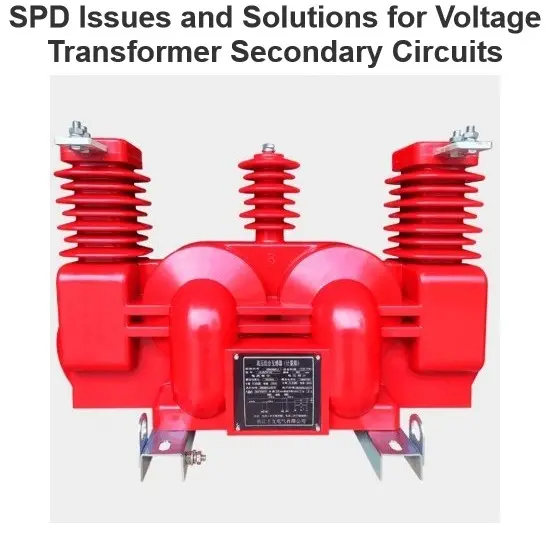
SPD Issues and Solutions for Voltage Transformer Secondary Circuits
This paper analyzes the above situation in - depth and summarizes technical measures to solve the problems.1. Main Problems of SPD Products in Voltage Transformer Secondary CircuitsCurrently, there are residual - current - free SPDs (switch - type lightning arresters) at home and abroad. Their main internal discharge circuits use discharge tubes/gaps, with high discharge current capacity (exceeding zinc oxide varistors). However, they have fatal flaws: poor voltage - limiting, arc - pulling volt
07/21/2025
Consult
Tip
Consult
Tip
Send inquiry
+86
Click to upload file
Download
Get the IEE Business Application
Use the IEE-Business app to find equipment, obtain solutions, connect with experts, and participate in industry collaboration anytime, anywhere—fully supporting the development of your power projects and business.