• Product
  • Suppliers
  • Manufacturers
  • Solutions
  • Free tools
  • Knowledges
  • Experts
  • Communities
Search


Free Expert Guides on Power Systems, Circuit Design & Electrical Troubleshooting

Access free engineering resources from IEE Business—covering power design, circuit layout, equipment selection, and troubleshooting. Expert-developed guides help engineers, procurement, and project teams make better decisions. Stay ahead on smart grids, renewables, efficiency, and AI tools. Improve reliability, reduce downtime, and enhance outcomes with real-world solutions. Explore our knowledge hub today.
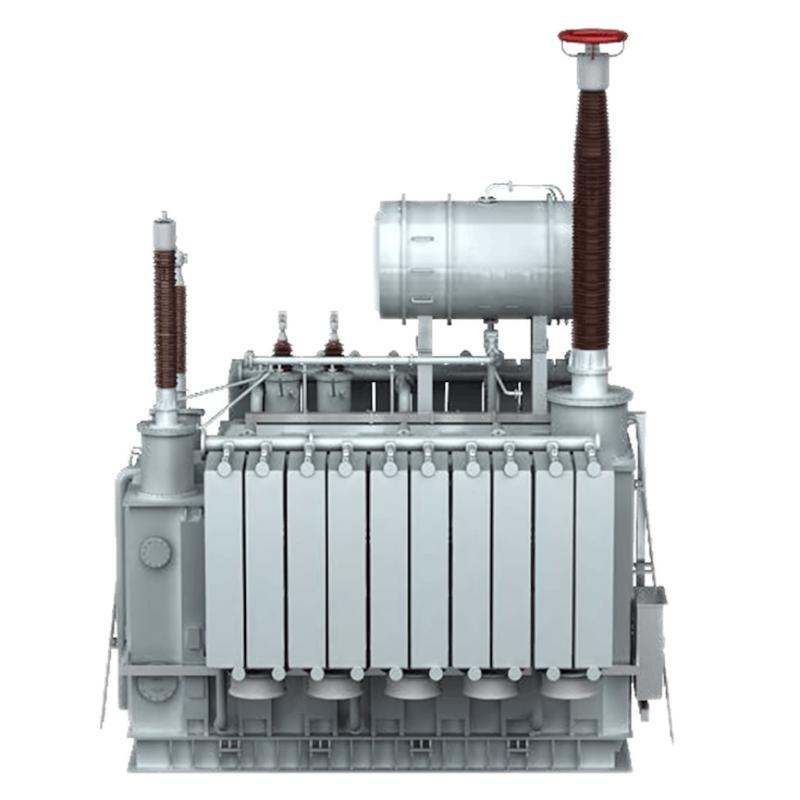
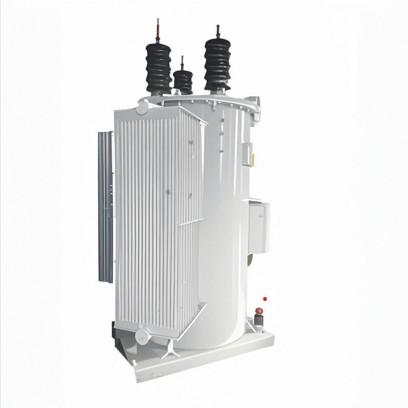
Transformer Noise Control Solutions for Different Installations
1.Noise Mitigation for Ground-Level Independent Transformer RoomsMitigation Strategy:First, conduct a power-off inspection and maintenance of the transformer, including replacing aged insulating oil, checking and tightening all fasteners, and cleaning dust from the unit.Second, reinforce the transformer foundation or install vibration isolation devices—such as rubber pads or spring isolators—selected based on the severity of vibration.Finally, strengthen sound insulation at weak points of the ro
12/25/2025
Consult
Tip
Consult
Tip
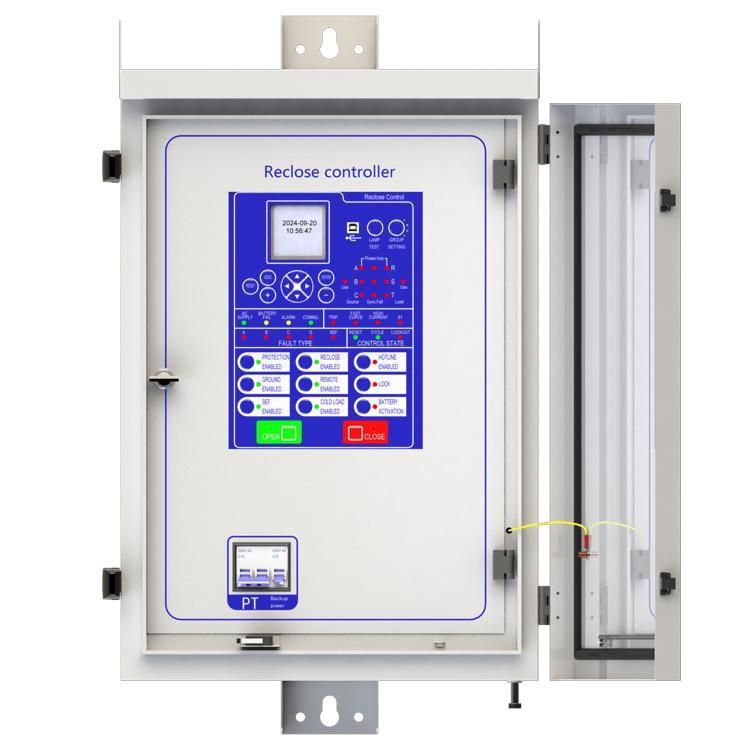
Recloser Controllers: Key to Smart Grid Reliability
Lightning strikes, fallen tree branches, and even Mylar balloons are enough to interrupt current flow on power lines. That’s why utility companies prevent outages by equipping their overhead distribution systems with reliable recloser controllers.In any smart grid environment, recloser controllers play a critical role in detecting and interrupting transient faults. Although many short circuits on overhead lines can resolve themselves, reclosers help improve service continuity by automatically re
12/11/2025
Consult
Tip
Consult
Tip
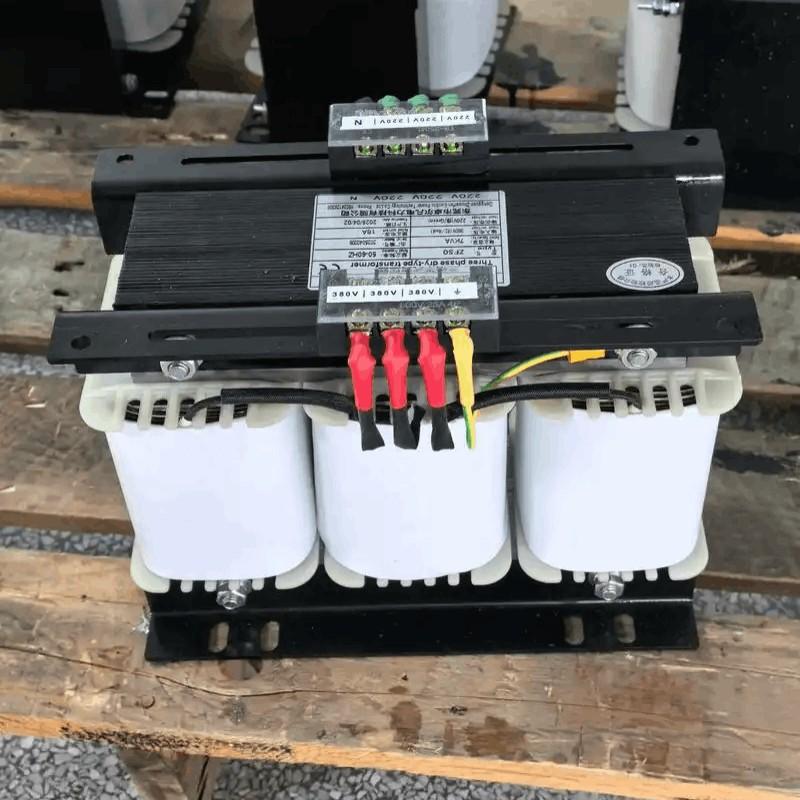
Can the secondary neutral of a control transformer be grounded?
Grounding the secondary neutral of a control transformer is a complex topic involving multiple aspects such as electrical safety, system design, and maintenance.Reasons for Grounding the Secondary Neutral of a Control Transformer Safety considerations: Grounding provides a safe path for current to flow to earth in the event of a fault—such as insulation failure or overload—instead of passing through the human body or other conductive paths, thereby reducing the risk of electric shock. System sta
12/05/2025
Consult
Tip
Consult
Tip
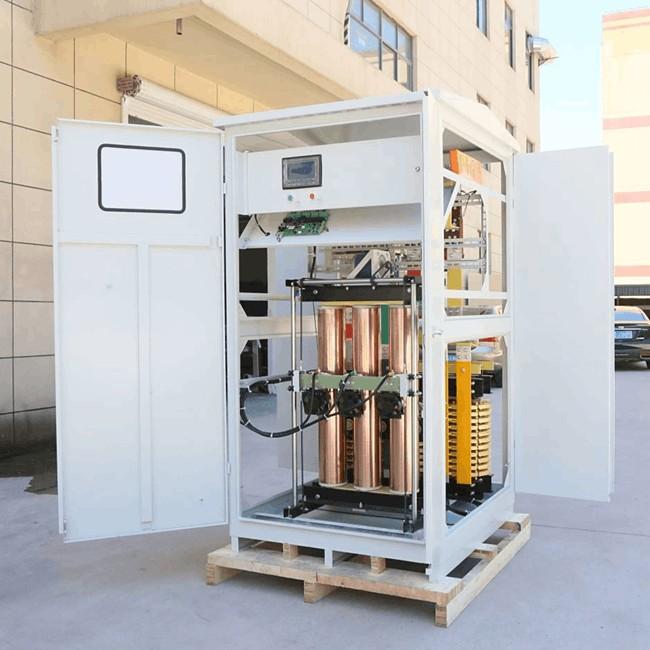
When to Use a Three-Phase Automatic Voltage Stabilizer?
When to Use a Three-Phase Automatic Voltage Stabilizer?A three-phase automatic voltage stabilizer is suitable for scenarios requiring stable three-phase voltage supply to ensure normal equipment operation, extend service life, and improve production efficiency. Below are typical situations that require the use of a three-phase automatic voltage stabilizer, along with analysis: Significant Grid Voltage FluctuationsScenario: Industrial zones, rural power grids, or remote areas where grid voltage f
12/01/2025
Consult
Tip
Consult
Tip
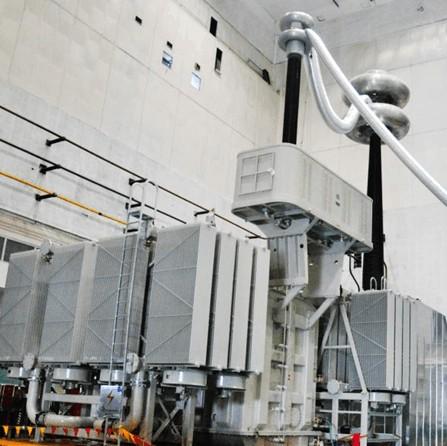
China Develops Largest 750kV 140Mvar Stepped-Controlled Reactor
Chinese reactor manufacturer successfully completed all tests in one go for the nation’s largest-capacity 750 kV, 140 Mvar stepped-controlled shunt reactor developed for the Turpan–Bazhou–Kuche II Circuit 750 kV transmission and transformation project. The successful completion of these tests marks a new breakthrough in the core manufacturing technology of 750 kV reactors by the Chinese manufacturer, pioneers a new field for 750 kV stepped-controlled shunt reactors in China, and lays a solid fou
12/01/2025
Consult
Tip
Consult
Tip
Analysis of PLC Control Technology Application in Intelligent Power Voltage Regulators
When evaluating power quality, voltage is a critical influencing factor. Voltage quality is typically assessed by measuring voltage deviation, fluctuation, waveform distortion, and three-phase symmetry—with voltage deviation being the most important indicator. To ensure high voltage quality, voltage regulation is generally required. Currently, the most widely used and effective method for voltage regulation involves adjusting the tap changer of power transformers.This paper primarily integrates
11/25/2025
Consult
Tip
Consult
Tip
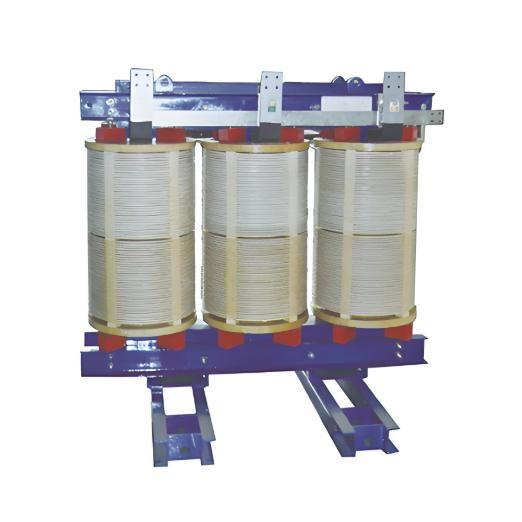
SCB & SGB Dry-Type Transformers Explained
1. IntroductionA transformer operates based on the principle of electromagnetic induction. The main components of a transformer are the windings and the core. During operation, the windings serve as the path for electric current, while the core serves as the path for magnetic flux. When electrical energy is input to the primary winding, the alternating current creates an alternating magnetic field in the core (i.e., electrical energy is converted into magnetic field energy). Due to magnetic link
11/22/2025
Consult
Tip
Consult
Tip
How does the TTC series dry-type transformer temperature controller prevent transformer overheating?
1. Function of Transformer Temperature ControllersToday, power transformers are primarily categorized into two types: oil-immersed and dry-type transformers. Dry-type transformers are widely used in power plants, substations, airports, railways, intelligent buildings, and smart residential communities due to their numerous advantages—such as inherent safety, flame resistance, zero pollution, maintenance-free operation, low losses, minimal partial discharge, and long service life.A key advantage
11/22/2025
Consult
Tip
Consult
Tip
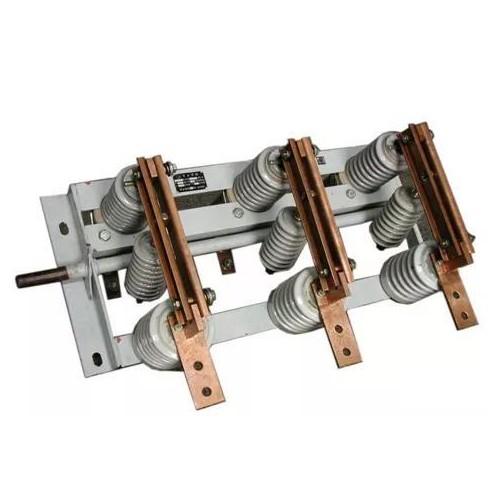
Design of an Intelligent Control System for Fully Enclosed Disconnectors in Distribution Lines
Intelligentization has become an important development direction for power systems. As a critical component of the power system, the stability and safety of 10 kV distribution network lines are vital to the overall operation of the power grid. The fully enclosed disconnector, as one of the key devices in distribution networks, plays a significant role; thus, achieving its intelligent control and optimized design is of great importance for enhancing the performance of distribution lines.This pape
11/17/2025
Consult
Tip
Consult
Tip
Motor-Operated Mechanism Control System for High-Voltage Disconnectors
High-voltage disconnectors require operating mechanisms with fast response and high output torque. Most current motor-driven mechanisms rely on a series of reduction components, yet motor-operated mechanism control systems effectively meet these requirements.1. Overview of the Motor-Operated Mechanism Control System for High-Voltage Disconnectors1.1 Basic ConceptThe motor-operated mechanism control system primarily refers to a system that employs a dual-loop PID control strategy to regulate moto
11/13/2025
Consult
Tip
Consult
Tip
Send inquiry
+86
Click to upload file
Download
Get the IEE Business Application
Use the IEE-Business app to find equipment, obtain solutions, connect with experts, and participate in industry collaboration anytime, anywhere—fully supporting the development of your power projects and business.