• Product
  • Suppliers
  • Manufacturers
  • Solutions
  • Free tools
  • Knowledges
  • Experts
  • Communities
Search


Free Expert Guides on Power Systems, Circuit Design & Electrical Troubleshooting

Access free engineering resources from IEE Business—covering power design, circuit layout, equipment selection, and troubleshooting. Expert-developed guides help engineers, procurement, and project teams make better decisions. Stay ahead on smart grids, renewables, efficiency, and AI tools. Improve reliability, reduce downtime, and enhance outcomes with real-world solutions. Explore our knowledge hub today.
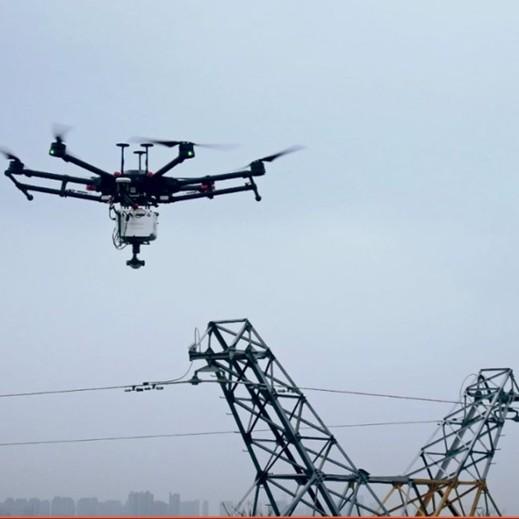
Research and Analysis on Drone-Based Replacement Technologies for Ultra-High-Voltage Transmission Line Maintenance
In a certain region, after maintenance of ultra-high-voltage (UHV) transmission lines, the following issues were identified: existing drones lack sufficient performance to meet the current large-scale and extensive inspection and maintenance demands of UHV lines. In practical operations, drones exhibit inadequate endurance, limited image acquisition capability, and poor electromagnetic interference (EMI) resistance, which negatively impacts inspection effectiveness and prevents accurate identifi
11/18/2025
Consult
Tip
Consult
Tip
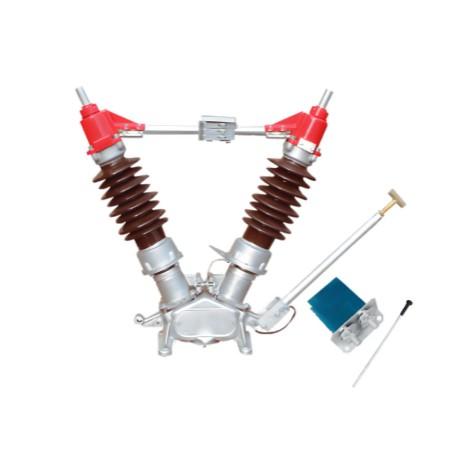
Winter Maintenance Essentials for GW5-Type Disconnectors
In substations with voltage levels of 110 kV and below, the GW5-type disconnector is widely used due to its simple structure, reliable contact performance, and self-cleaning contact function. Every winter, the failure rate of abnormal heating in GW5-type disconnectors shows an upward trend. Therefore, improving winter maintenance practices for GW5-type disconnectors (hereinafter referred to as “disconnectors”) and promptly detecting and addressing overheating faults are of critical importance to
11/12/2025
Consult
Tip
Consult
Tip
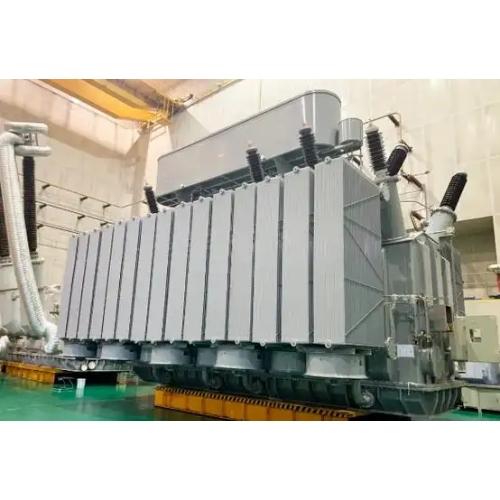
IEC Three-Ratio & Equilibrium Method for DGA Diagnosis
0 Introduction Dissolved gas analysis (DGA) in insulating oil is a crucial test for large oil-immersed power transformers. By employing gas chromatography, it is possible to timely detect the aging or changes in internal insulation oil of oil-filled electrical equipment, identify potential faults such as overheating or electrical discharges at an early stage, and accurately assess the severity, type, and development trend of the fault. Gas chromatography has become an essential method for monito
10/31/2025
Consult
Tip
Consult
Tip
Low-Voltage Distribution Cabinet Maintenance Steps and Safety Guide
Maintenance Procedure for Low-Voltage Power Distribution FacilitiesLow-voltage power distr ibution facilities refer to the infrastructure that delivers electrical power from a power supply room to end-user equipment, typically including distribution cabinets, cables, and wiring. To ensure the normal operation of these facilities and guarantee user safety and power supply quality, regular maintenance and servicing are essential. This article provides a detailed introduction to the maintenance pro
10/28/2025
Consult
Tip
Consult
Tip
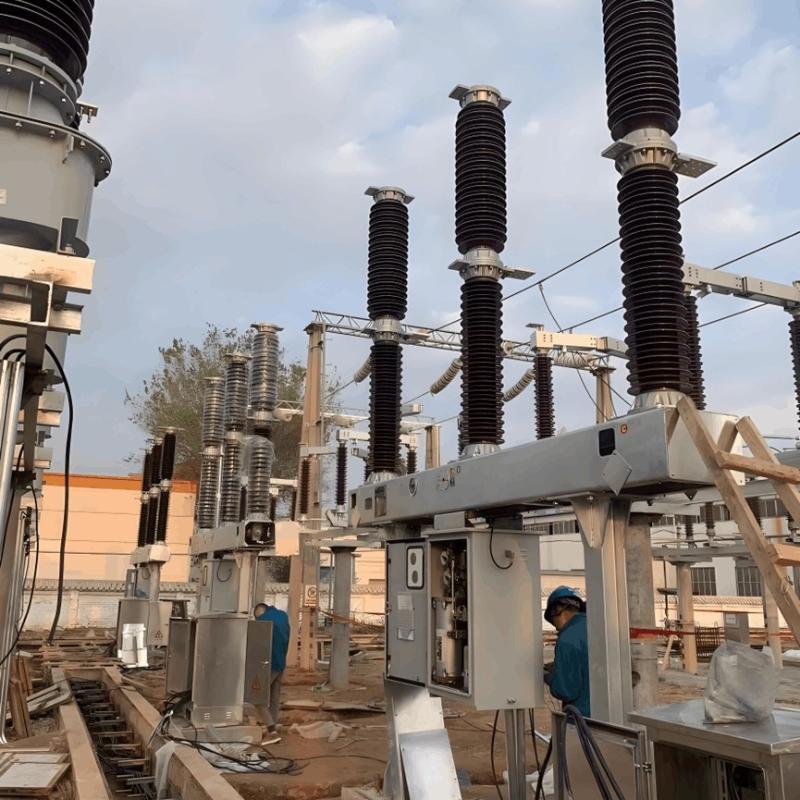
Hydraulic Leak & SF6 Gas Leakage in Circuit Breakers
Leakage in Hydraulic Operating MechanismsFor hydraulic mechanisms, leakage can cause short-term frequent pump starting or excessively long re-pressurization time. Severe internal oil seepage in valves may lead to pressure loss failure. If hydraulic oil enters the nitrogen side of the accumulator cylinder, it can cause abnormal pressure rise, which affects the safe operation of SF6 circuit breakers.Apart from failures caused by damaged or abnormal pressure detection devices and pressure component
10/25/2025
Consult
Tip
Consult
Tip
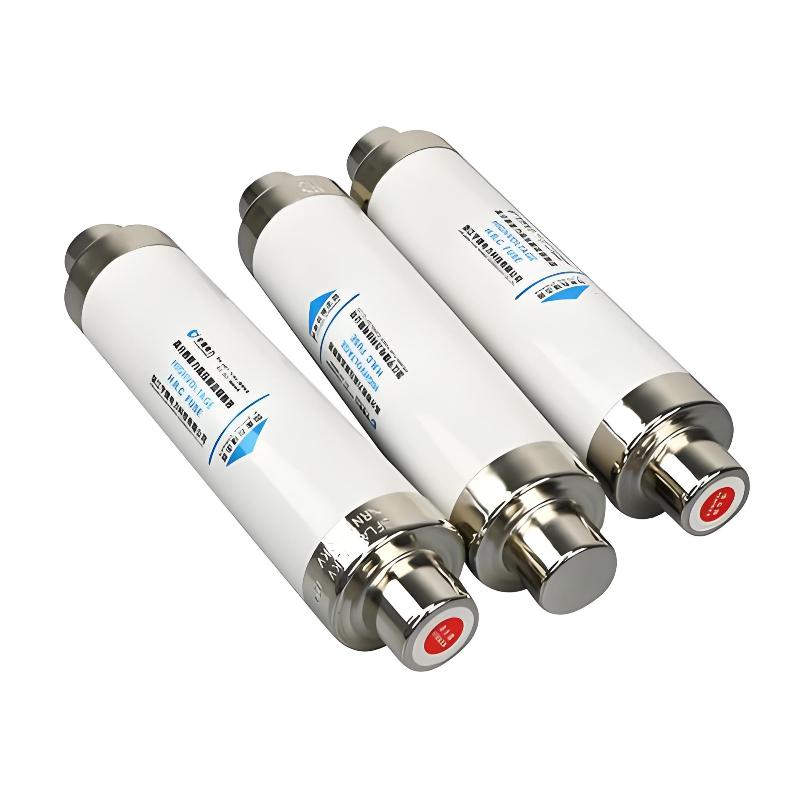
Fuse Maintenance & Replacement: Safety and Best Practices
1. Fuse MaintenanceFuses in service should be regularly inspected. The inspection includes the following items: Load current should be compatible with the rated current of the fuse element. For fuses equipped with a fuse blown indicator, check whether the indicator has actuated. Check the conductors, connection points, and the fuse itself for overheating; ensure connections are tight and making good contact. Inspect the fuse exterior for cracks, contamination, or signs of arcing/discharge. Liste
10/24/2025
Consult
Tip
Consult
Tip
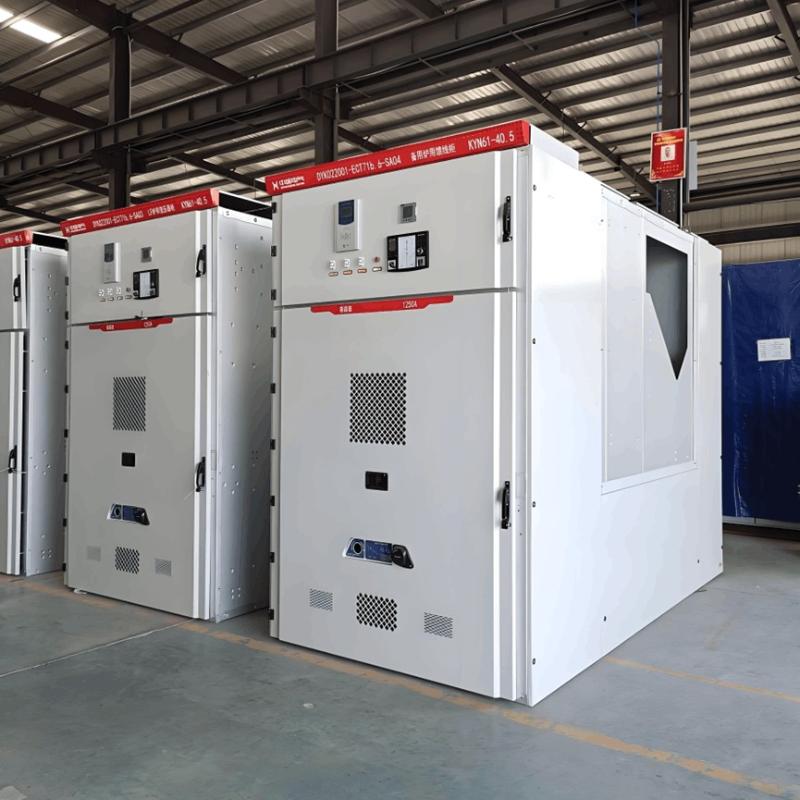
Maintenance and Repair Items for 10kV High-Voltage Switchgear
I. Routine Maintenance and Inspection(1) Visual Inspection of Switchgear Enclosure No deformation or physical damage to the enclosure. Protective paint coating shows no severe rust, peeling, or flaking. Cabinet is securely installed, clean on the surface, and free of foreign objects. Nameplates and identification labels are neatly affixed and not falling off.(2) Check of Switchgear Operating Parameters Instruments and meters indicate normal values (comparable to typical operating data, with no s
10/24/2025
Consult
Tip
Consult
Tip
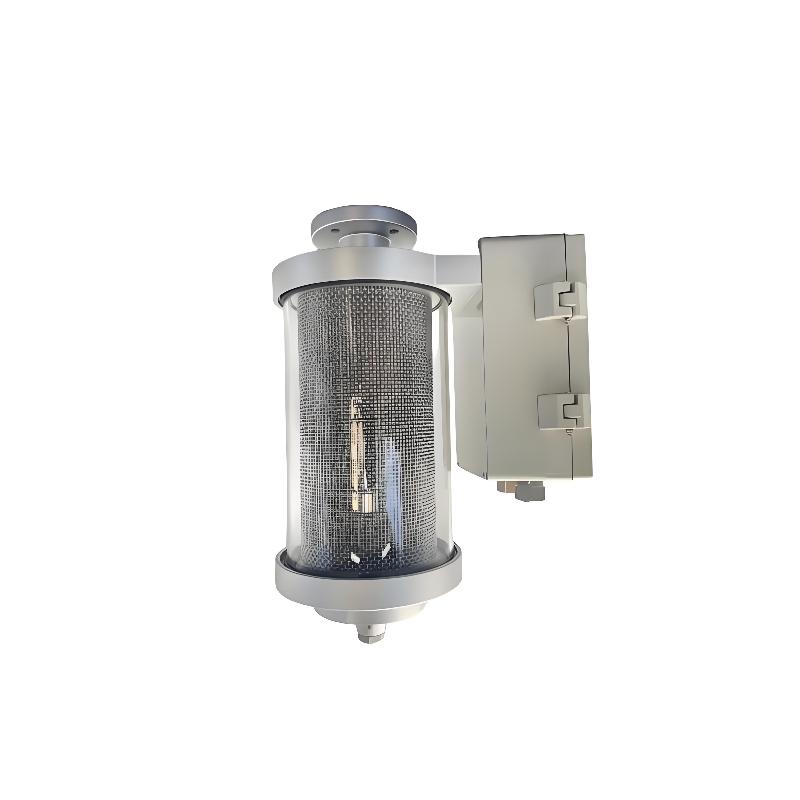
Why Upgrade to Maintenance-Free Transformer Breathers?
Maintenance-Free Moisture Absorption Technology for Oil-Immersed TransformersIn traditional oil-filled transformers, the temperature control system causes thermal expansion and contraction of insulating oil, requiring the sealing gel chamber to absorb significant moisture from the air above the oil surface. The frequency of manual silica gel replacement during patrols directly impacts equipment safety—delayed replacement can easily lead to oil degradation. Maintenance-free moisture absorbers rev
10/23/2025
Consult
Tip
Consult
Tip
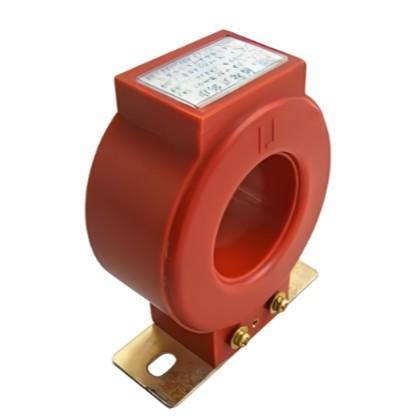
How to Safely Operate & Maintain Current Transformers?
I. Permissible Operating Conditions for Current Transformers Rated Output Capacity: Current transformers (CTs) must operate within the rated output capacity specified on their nameplate. Operation beyond this rating reduces accuracy, increases measurement errors, and causes inaccurate meter readings, similar to voltage transformers. Primary Side Current: The primary current may continuously operate up to 1.1 times the rated current. Prolonged overload operation increases measurement errors and m
10/22/2025
Consult
Tip
Consult
Tip
How to Operate & Maintain Voltage Transformers Safely?
I. Normal Operation of Voltage Transformers A voltage transformer (VT) may operate long-term at its rated capacity, but under no circumstances should it exceed its maximum capacity. The secondary winding of a VT supplies high-impedance instruments, resulting in a very small secondary current, nearly equal to the magnetizing current. The voltage drops across the leakage impedances of both primary and secondary windings are therefore very small, meaning the VT operates close to no-load under norma
10/22/2025
Consult
Tip
Consult
Tip
Send inquiry
+86
Click to upload file
Download
Get the IEE Business Application
Use the IEE-Business app to find equipment, obtain solutions, connect with experts, and participate in industry collaboration anytime, anywhere—fully supporting the development of your power projects and business.