• Product
  • Suppliers
  • Manufacturers
  • Solutions
  • Free tools
  • Knowledges
  • Experts
  • Communities
Search


Free Expert Guides on Power Systems, Circuit Design & Electrical Troubleshooting

Access free engineering resources from IEE Business—covering power design, circuit layout, equipment selection, and troubleshooting. Expert-developed guides help engineers, procurement, and project teams make better decisions. Stay ahead on smart grids, renewables, efficiency, and AI tools. Improve reliability, reduce downtime, and enhance outcomes with real-world solutions. Explore our knowledge hub today.
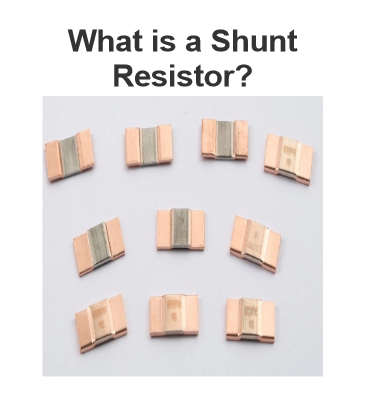
What is a Shunt Resistor?
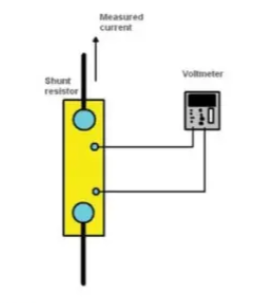
What is a Shunt Resistor?Shunt resistance definitionA shunt resistor is a high-precision resistor that uses a very low ammeter resistance to measure the flow of current through a circuit. It is the resistance of a conductor in parallel with a circuit. Because of its particularity, it is generally used in precision electronic products. The smaller the resistance value of the shunt resistance, the more obvious the shunt effect.Shunt resistance characteristic Good structure High stabilityResistance
Consult
Tip
Consult
Tip
Shunt Resistor: What is it And How Does it Work?
What is a Shunt Resistor?A shunt resistor (or shunt) is defined as a device that creates a low resistance path to force most of the electric current through the circuit to flow through this path. In most cases, a shunt resistor is made up of a material having a low-temperature coefficient of resistance, giving it a very low resistance over a wide temperature range.Shunt resistors are commonly used in current measuring devices called “ammeters”. In an ammeter, the shunt resistance is connected in
03/11/2024
Consult
Tip
Consult
Tip
Send inquiry
+86
Click to upload file
Download
Get the IEE Business Application
Use the IEE-Business app to find equipment, obtain solutions, connect with experts, and participate in industry collaboration anytime, anywhere—fully supporting the development of your power projects and business.