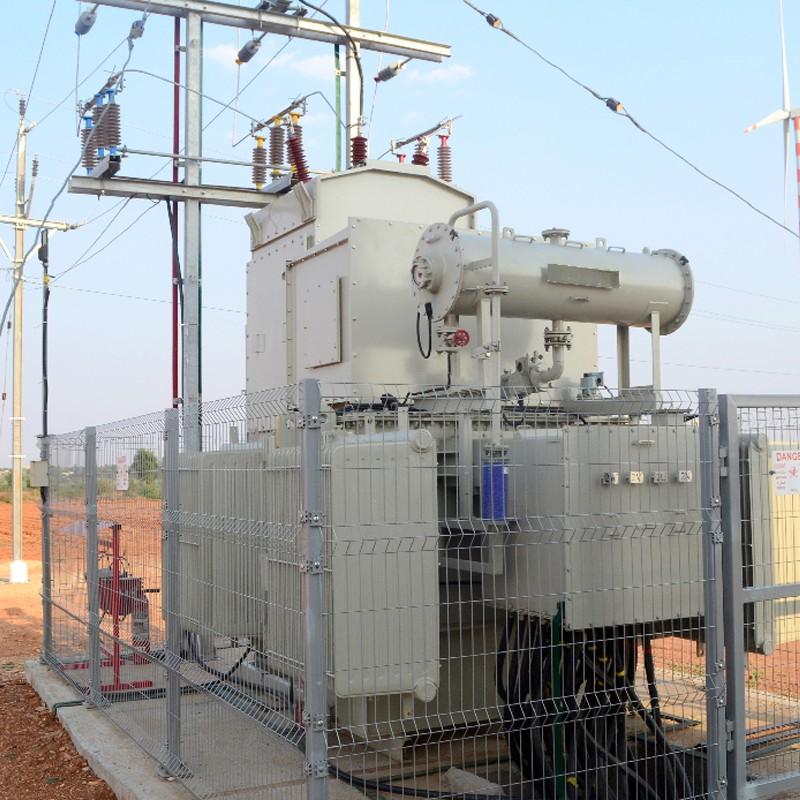
What Are the Differences Between Substations, Switching Stations, and Distribution Rooms?A substation is a power facility in the electric power system that transforms voltage levels, receives and distributes electrical energy, controls the direction of power flow, and adjusts voltage. It interconnects power grids of various voltage levels through its transformers. In specific applications—such as submarine power cables or long-distance transmission—some systems use high-voltage direct current (H
11/20/2025
Consult
Tip
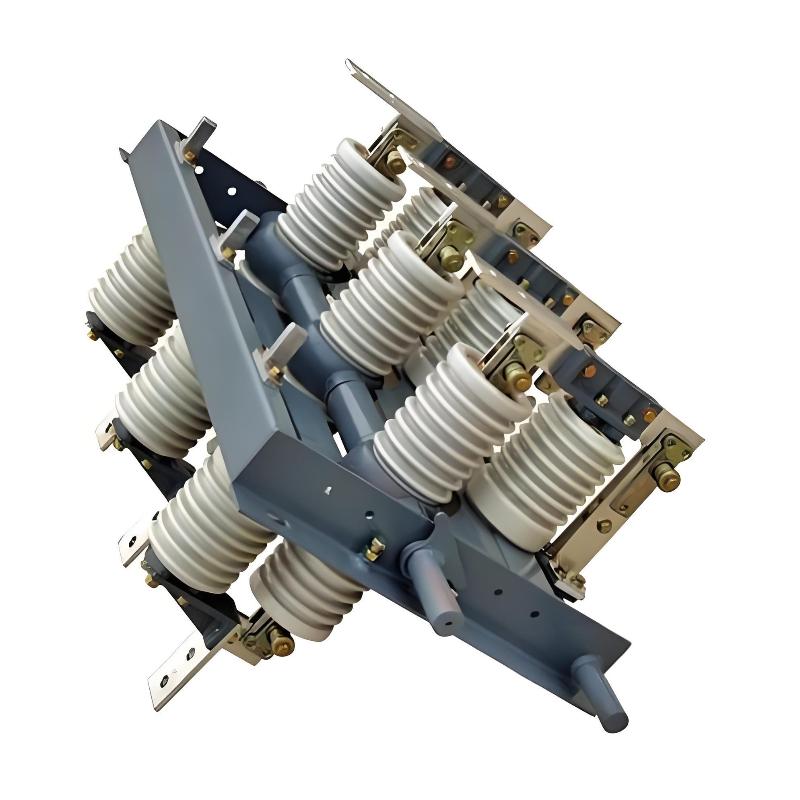
First, the installation of 10 kV high-voltage disconnect switches must meet the following requirements. The first step is to select an appropriate installation location, typically near the switchgear power supply in the power system to facilitate operation and maintenance. At the same time, sufficient space must be ensured at the installation site to accommodate equipment placement and wiring.Secondly, equipment safety must be fully considered—for example, lightning protection and explosion-proo
11/20/2025
Consult
Tip
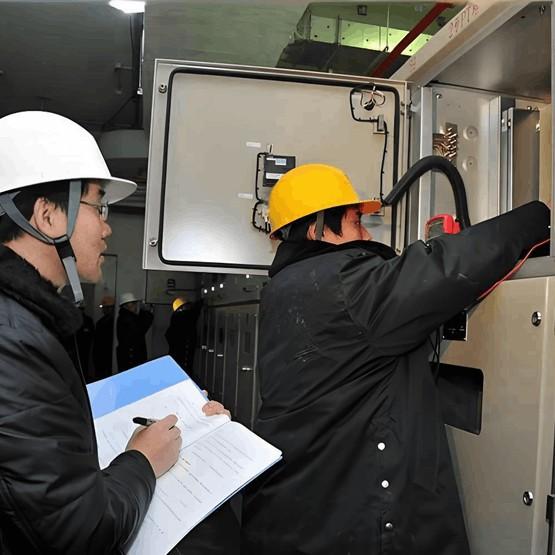
1.IntroductionIn a double-busbar system, line energizing/de-energizing and bus transfer are fundamental switching operations. Under the double-busbar configuration, line protection voltage is derived from busbar potential transformers (PTs). The PTs are connected to the busbar via primary disconnect switches, with their secondary windings routed to the PT secondary terminal box. Each PT has three secondary windings: one for protection and measurement, one for metering, and one open-delta winding
11/20/2025
Consult
Tip
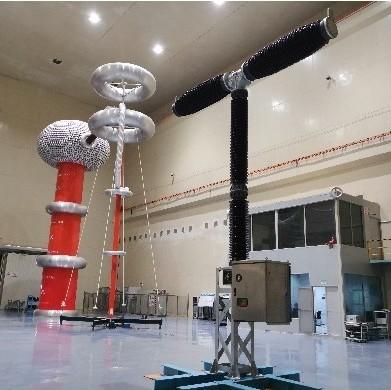
It has been reported by a Chinese column-type circuit breaker manufacturer that its independently developed LW62-420/T5000-63 column-type circuit breaker has successfully passed the full set of type tests in accordance with IEC standards, marking the birth of China’s first double-break, grading-capacitor-free circuit breaker at Pinggao.In recent years, the Chinese column-type circuit breaker manufacturer has focused on breaking through key technologies such as high-breaking-capacity, low-operati
11/20/2025
Consult
Tip
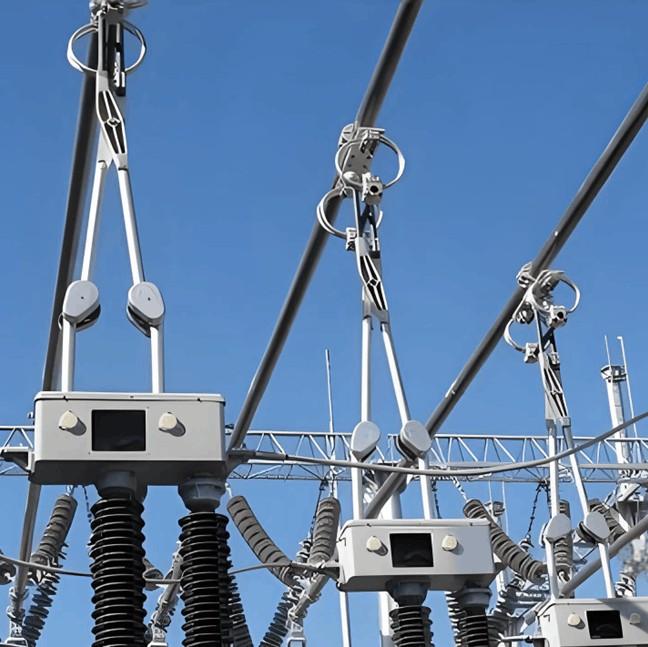
The 145 kV disconnector is a critical switching device in substation electrical systems. It is used in conjunction with high-voltage circuit breakers and plays an important role in power grid operation:First, it isolates the power source, separating equipment under maintenance from the power system to ensure personnel and equipment safety;Second, it enables switching operations to change the system operating mode;Third, it is used to interrupt small-current circuits and bypass (loop) currents.Re
11/20/2025
Consult
Tip
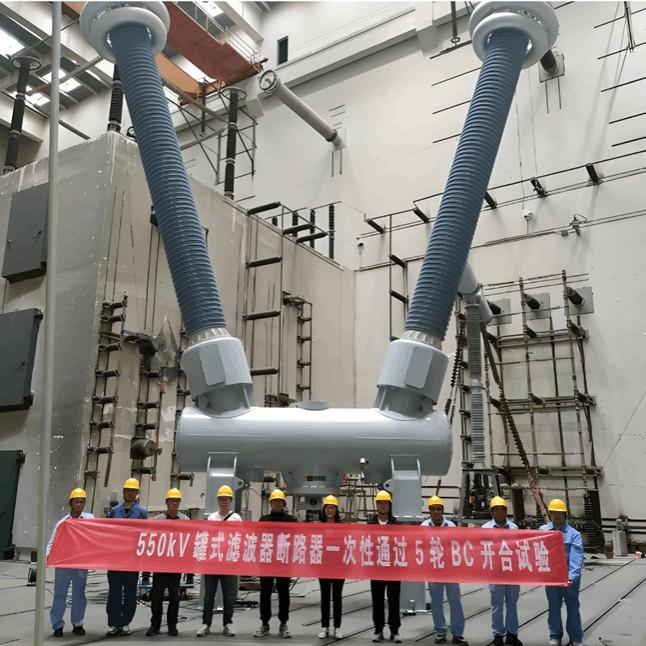
Good news has come from a Chinese tank-type filter manufacturer: its independently developed 550 kV tank-type filter bank circuit breaker has successfully passed all type tests, marking the official completion of the product’s development.In recent years, with the continuous growth of electricity demand, power grids have placed increasingly higher performance demands on electrical equipment. Keeping pace with the times, the Chinese tank-type filter manufacturer has actively responded to the nati
11/19/2025
Consult
Tip
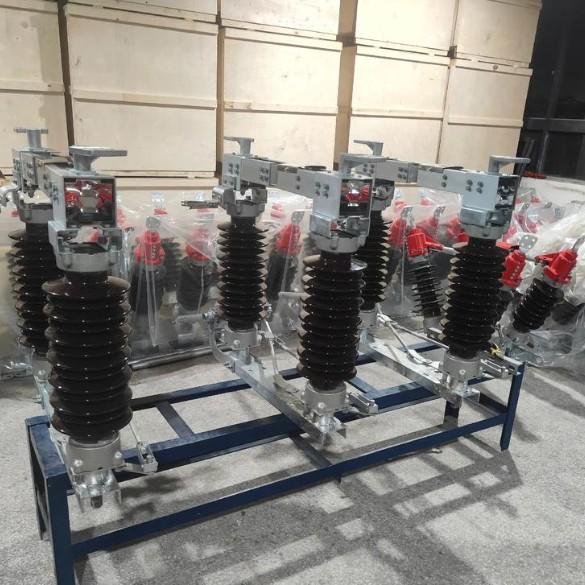
1. Operating Principle of the DisconnectorThe operating mechanism of the disconnector is connected to the active pole of the disconnector via a connecting tube. When the main shaft of the mechanism rotates 90°, it drives the insulating pillar of the active pole to rotate 90°. The bevel gears inside the base drive the insulating pillar on the other side to rotate in the opposite direction, thereby achieving opening and closing operations. The active pole, through inter-pole linkage tubes, drives
11/19/2025
Consult
Tip
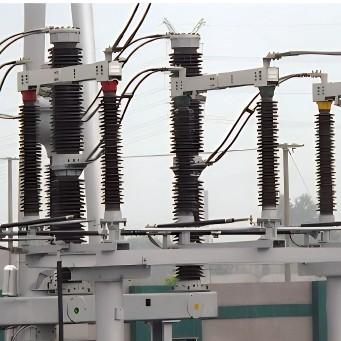
Selection Guidelines for 36 kV Disconnect SwitchesWhen selecting the rated voltage, ensure that the disconnect switch’s rated voltage is equal to or higher than the nominal voltage of the power system at the installation point. For example, in a typical 36 kV power network, the disconnect switch must have a rated voltage of at least 36 kV.For rated current, selection should be based on the actual long-term load current. Generally, the switch’s rated current must be no less than the maximum conti
11/19/2025
Consult
Tip
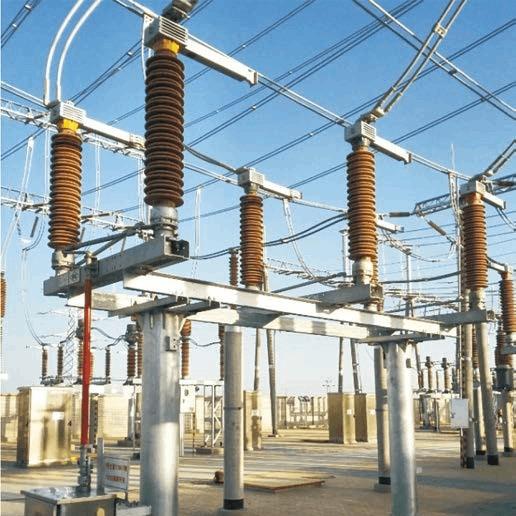
The relationship between the temperature-rise current of a 145 kV disconnector and copper conductor size lies in balancing current-carrying capacity and heat dissipation efficiency. The temperature-rise current refers to the maximum continuous current a conductor can carry without exceeding its specified temperature rise limit, and the copper conductor size directly influences this parameter.Understanding this relationship begins with the physical properties of the conductor material. Copper’s c
11/19/2025
Consult
Tip

Many people have asked me: “What’s the difference between a recloser and a pole-mounted circuit breaker?” It’s hard to explain in one sentence, so I’ve written this article to clarify. In fact, reclosers and pole-mounted circuit breakers serve very similar purposes—they are both used for control, protection, and monitoring on outdoor overhead distribution lines. However, there are significant differences in the details. Let’s examine them one by one.1.Different MarketsThis may be the biggest dis
11/19/2025
Consult
Tip






