• Product
  • Suppliers
  • Manufacturers
  • Solutions
  • Free tools
  • Knowledges
  • Experts
  • Communities
Search


Free Expert Guides on Power Systems, Circuit Design & Electrical Troubleshooting

Access free engineering resources from IEE Business—covering power design, circuit layout, equipment selection, and troubleshooting. Expert-developed guides help engineers, procurement, and project teams make better decisions. Stay ahead on smart grids, renewables, efficiency, and AI tools. Improve reliability, reduce downtime, and enhance outcomes with real-world solutions. Explore our knowledge hub today.
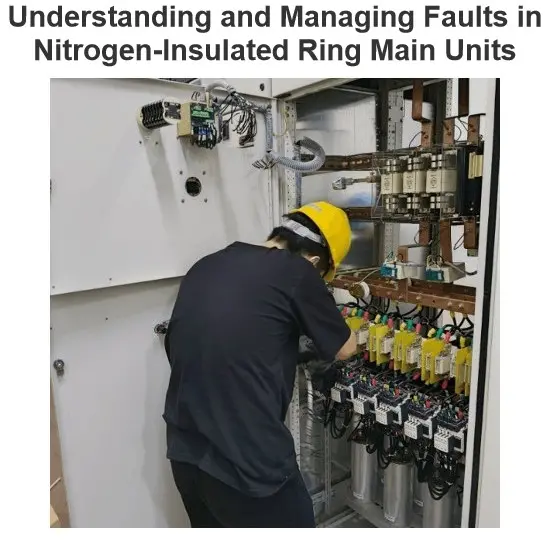
Understanding and Managing Faults in Nitrogen-Insulated Ring Main Units
1. Gas System FaultsThe most critical type of fault in environmentally friendly gas-insulated ring main units is related to the gas system, primarily involving gas leakage and pressure anomalies. Gas leakage in nitrogen-insulated ring main units mainly stems from seal material aging and welding process defects. Statistics indicate that approximately 65% of gas leakage faults are related to O-ring aging, while 30% are caused by inadequate welding. Gas leakage not only affects insulation performan
08/13/2025
Consult
Tip
Consult
Tip
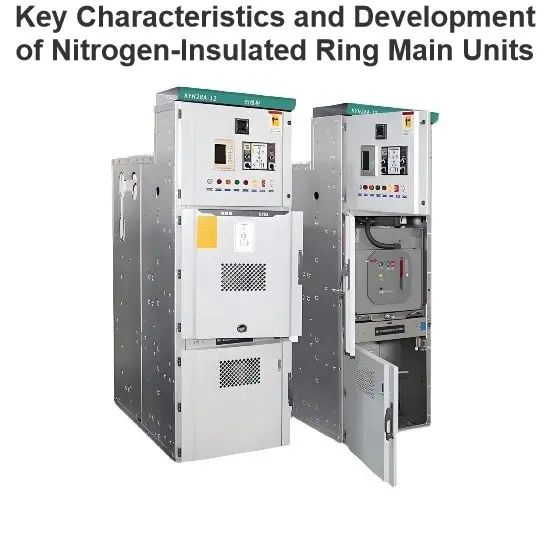
Key Characteristics and Development of Nitrogen-Insulated Ring Main Units
1 Characteristics of Nitrogen-Insulated Ring Main UnitsThe new generation of nitrogen-insulated ring main units has the following main characteristics: Excellent insulation performance. All live components are sealed inside, with external surfaces made of insulating material, effectively blocking current flow and preventing interference from external charged objects. Strong resistance to external environmental conditions. Both the enclosure and internal insulation materials possess high resilien
08/13/2025
Consult
Tip
Consult
Tip
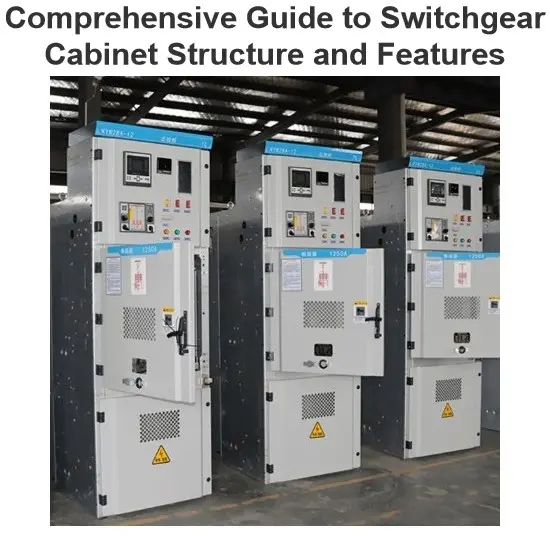
Comprehensive Guide to Switchgear Cabinet Structure and Features
The switchgear comprises a fixed cabinet and removable components (i.e., the draw-out unit or "handcart"). The cabinet enclosure and partition plates of each functional unit are constructed from aluminum-zinc-coated steel sheets, precision-formed using CNC machinery and assembled with bolts. This ensures dimensional consistency, high mechanical strength, and excellent resistance to corrosion and oxidation. The overall protection level of the switchgear enclosure is IP4X; when the circuit breaker
08/13/2025
Consult
Tip
Consult
Tip
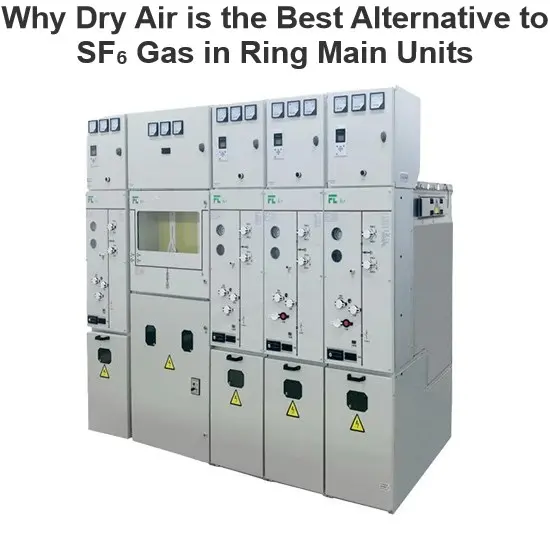
Why Dry Air is the Best Alternative to SF₆ Gas in Ring Main Units
1. Air-insulated and SF₆ Gas-insulated Ring Main UnitsAir-insulated ring main units primarily integrate load break switches, disconnectors, or a combination of both with grounding capabilities, operated either manually or electrically. These units may also incorporate fuses to control cable input and output lines. Conversely, SF₆ gas-insulated ring main units, commonly referred to as gas-insulated switchgear, utilize SF₆ gas for insulation and arc quenching due to its high dielectric strength, p
08/13/2025
Consult
Tip
Consult
Tip
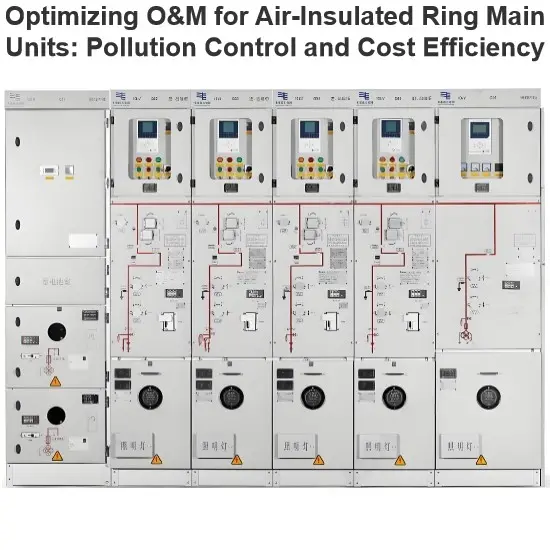
Optimizing O&M for Air-Insulated Ring Main Units: Pollution Control and Cost Efficiency
1. Integrated Operation and Maintenance Strategy for Medium-Voltage Distribution EquipmentTo effectively prevent discharge faults in distribution equipment, it is essential to establish a corresponding operation and maintenance (O&M) strategy. This strategy should focus on air-insulated ring main units (RMUs) as the primary subject, utilizing live-line detection as a key method and aiming for closed-loop defect elimination. This approach establishes a scientific and effective closed-loop man
08/12/2025
Consult
Tip
Consult
Tip
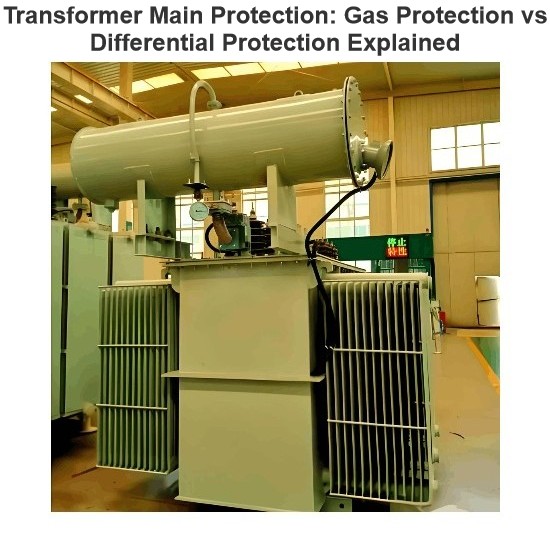
Transformer Main Protection: Gas Protection vs Differential Protection Explained
Transformer Main ProtectionThe main protection for transformers consists of gas protection and differential protection.Gas ProtectionGas protection is a protective mechanism that responds to internal faults within the transformer tank and to a drop in oil level. When an internal fault occurs in the transformer tank, gases generated from the decomposition of transformer oil and insulation materials due to fault currents and arcing flow from the tank toward the upper part of the oil conservator. T
08/12/2025
Consult
Tip
Consult
Tip
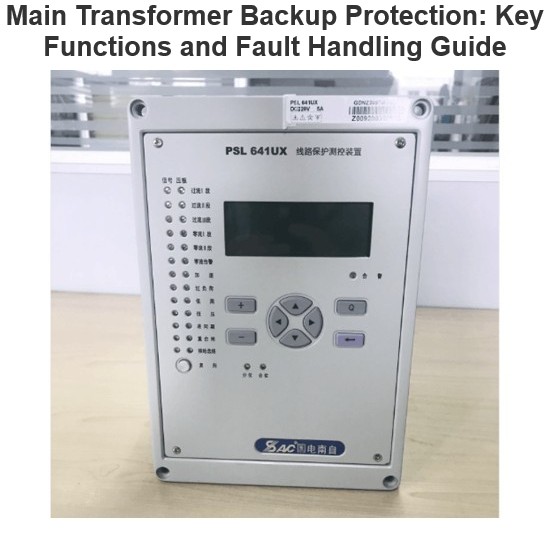
Main Transformer Backup Protection: Key Functions and Fault Handling Guide
Main Transformer Backup ProtectionThe purpose of main transformer backup protection is to prevent overcurrent in transformer windings caused by external faults, serve as backup protection for adjacent components (busbars or lines), and, where possible, act as backup for the transformer's primary protection in the event of internal faults. Backup protection is used to isolate faults when primary protection or circuit breakers fail.Main transformer zero-sequence protection is a backup protection f
08/12/2025
Consult
Tip
Consult
Tip
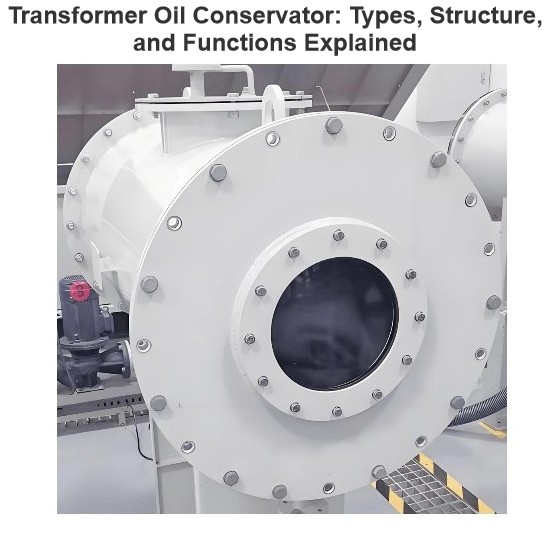
Transformer Oil Conservator: Types, Structure, and Functions Explained
Introduction to Transformer Oil ConservatorThe oil conservator is a crucial oil storage device for transformers. When the transformer load increases and the oil temperature rises, the insulating oil inside the tank expands due to heat, causing excess oil to flow into the conservator. Conversely, when the temperature decreases, the oil in the conservator flows back into the tank. This process enables automatic oil level regulation, allowing the conservator to serve both oil storage and replenishm
08/12/2025
Consult
Tip
Consult
Tip
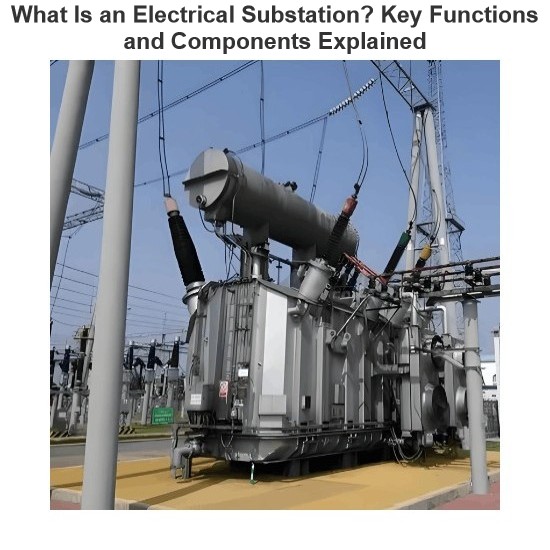
What Is an Electrical Substation? Key Functions and Components Explained
An electrical substation is a critical component of the power transmission and distribution system. Its primary function is to receive electricity from high-voltage transmission lines and deliver it at lower voltages suitable for end users, such as homes, businesses, and other consumers. The operation of a substation can be summarized as follows:Step-down Transformer: Electricity generated at power plants is transmitted over long distances at high voltages to reduce energy losses. Upon reaching
08/12/2025
Consult
Tip
Consult
Tip
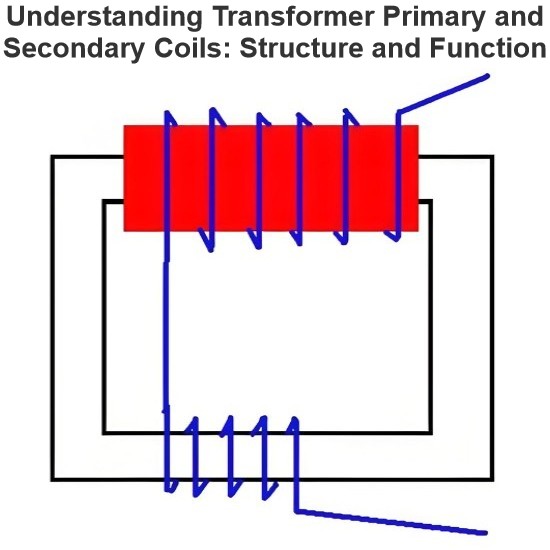
Understanding Transformer Primary and Secondary Coils: Structure and Function
The primary and secondary coils are two fundamental components of a transformer, enabling the transmission and transformation of electrical energy through the principle of electromagnetic induction. The primary coil receives high-voltage current from the input source and generates a varying magnetic field, while the secondary coil, influenced by this magnetic field, produces a corresponding output voltage. Their interaction allows the transformer to perform voltage conversion, facilitating effic
08/12/2025
Consult
Tip
Consult
Tip
Send inquiry
+86
Click to upload file
Download
Get the IEE Business Application
Use the IEE-Business app to find equipment, obtain solutions, connect with experts, and participate in industry collaboration anytime, anywhere—fully supporting the development of your power projects and business.