• Product
  • Suppliers
  • Manufacturers
  • Solutions
  • Free tools
  • Knowledges
  • Experts
  • Communities
Search


Free Expert Guides on Power Systems, Circuit Design & Electrical Troubleshooting

Access free engineering resources from IEE Business—covering power design, circuit layout, equipment selection, and troubleshooting. Expert-developed guides help engineers, procurement, and project teams make better decisions. Stay ahead on smart grids, renewables, efficiency, and AI tools. Improve reliability, reduce downtime, and enhance outcomes with real-world solutions. Explore our knowledge hub today.
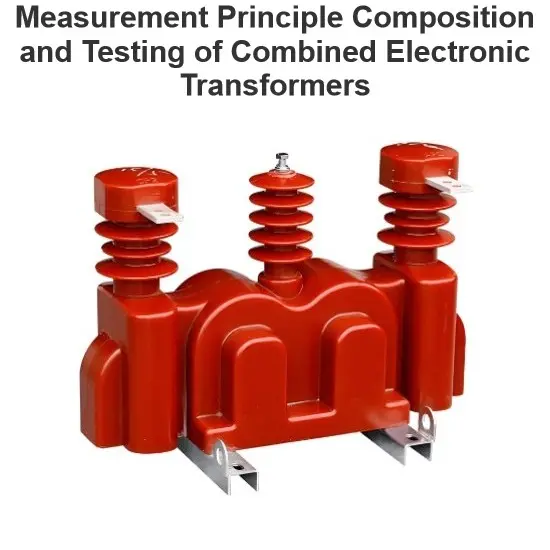
Measurement Principle Composition and Testing of Combined Electronic Transformers
1 Measurement Principle of Combined Electronic Transformers1.1 Voltage Measurement PrincipleElectronic transformers measure voltage using the capacitive voltage division method. Since the voltage across a capacitor cannot change abruptly, the secondary voltage obtained directly through capacitive voltage division has poor transient response and low measurement accuracy. To improve the measurement accuracy, a precision sampling resistor is connected in parallel across the low-voltage capacitor. I
07/21/2025
Consult
Tip
Consult
Tip
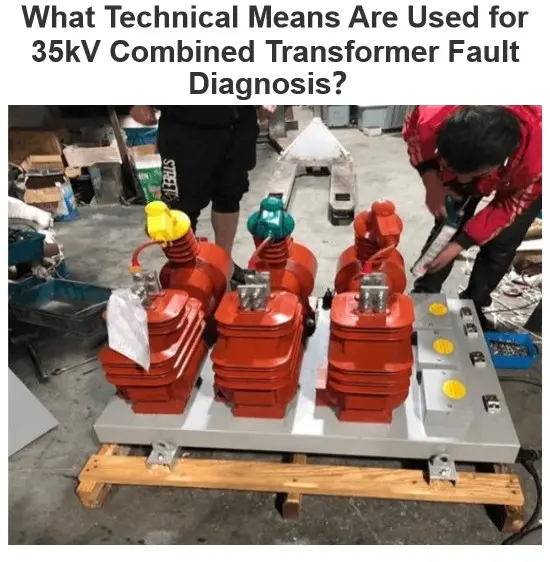
What Technical Means Are Used for 35kV Combined Transformer Fault Diagnosis?
For fault diagnosis and handling of 35kV combined transformers, the following technical means can be adopted:Insulation Fault DiagnosisUse equipment such as high-voltage test transformers, power frequency withstand voltage testers, and partial discharge detection systems to conduct a comprehensive assessment of the insulation performance of combined transformers. When the insulation resistance is found to be lower than 1000MΩ or the dielectric loss factor tanδ exceeds 0.5%, a
07/21/2025
Consult
Tip
Consult
Tip
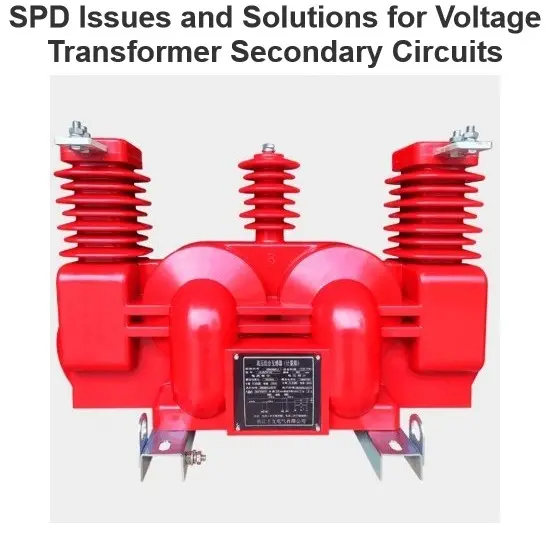
SPD Issues and Solutions for Voltage Transformer Secondary Circuits
This paper analyzes the above situation in - depth and summarizes technical measures to solve the problems.1. Main Problems of SPD Products in Voltage Transformer Secondary CircuitsCurrently, there are residual - current - free SPDs (switch - type lightning arresters) at home and abroad. Their main internal discharge circuits use discharge tubes/gaps, with high discharge current capacity (exceeding zinc oxide varistors). However, they have fatal flaws: poor voltage - limiting, arc - pulling volt
07/21/2025
Consult
Tip
Consult
Tip
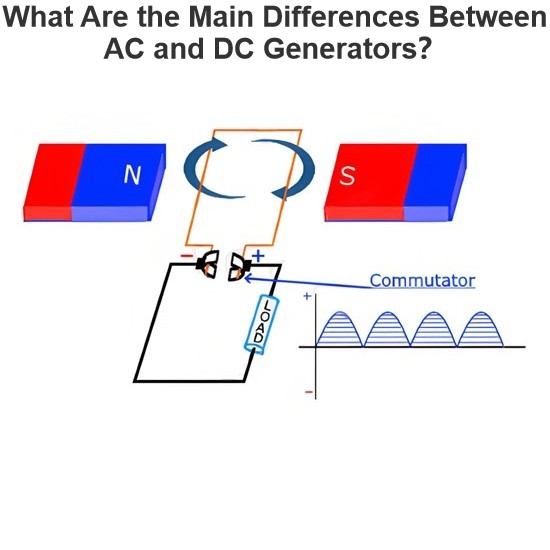
What Are the Main Differences Between AC and DC Generators?
Main Differences Between AC and DC GeneratorsAn electrical machine is a device that converts mechanical energy into electrical energy and vice versa. A generator is a type of such machine that converts mechanical energy into electrical energy. However, the electrical energy generated can be in either alternating current (AC) or direct current (DC) form. Thus, the primary difference between AC and DC generators is that they generate alternating current and direct current respectively. While there
07/18/2025
Consult
Tip
Consult
Tip
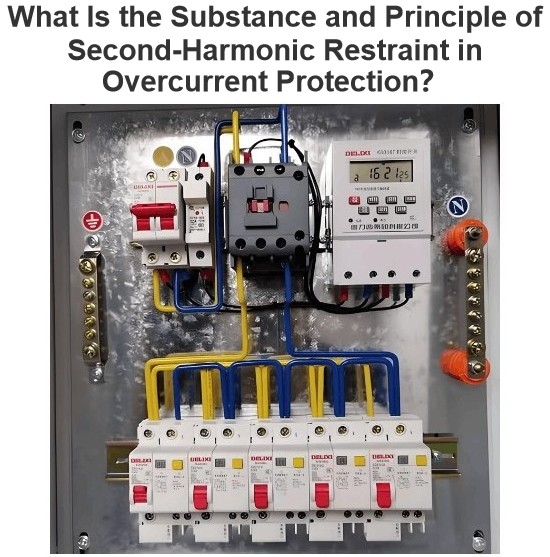
What Is the Substance and Principle of Second-Harmonic Restraint in Overcurrent Protection?
Substance of Second - harmonic Restraint in Overcurrent ProtectionThe substance of second - harmonic restraint in overcurrent protection is to use the second - harmonic component to judge whether the current is a fault current or an excitation inrush current. When the percentage of the second - harmonic component to the fundamental - wave component is greater than a certain value, it is judged to be caused by the excitation inrush current, and the overcurrent protection is blocked.Therefore, the
07/18/2025
Consult
Tip
Consult
Tip
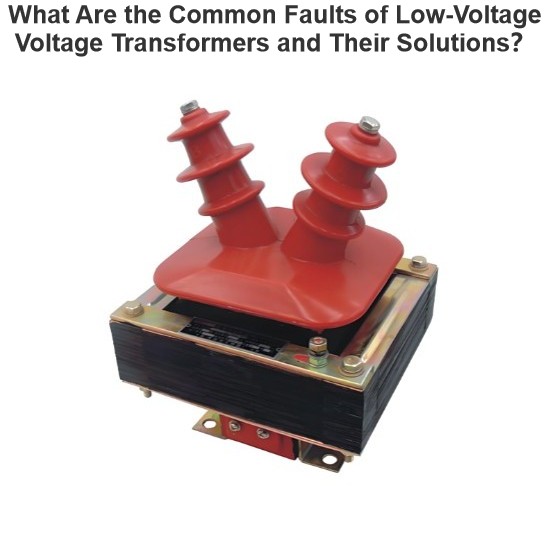
What Are the Common Faults of Low-Voltage Voltage Transformers and Their Solutions?
Open - Circuit Fault on the Secondary SideOpen - circuit in the secondary side is a typical fault of low - voltage voltage transformers, showing abnormal voltmeter readings (zero/fluctuation), faulty power meters, buzzing noises, and core overheating. When open - circuited, the secondary voltage spikes (no secondary current to balance the primary EMF), causing core saturation, flux distortion, and potential overheating/damage.Causes include loose terminals, poor contact, or human error. In low
07/18/2025
Consult
Tip
Consult
Tip
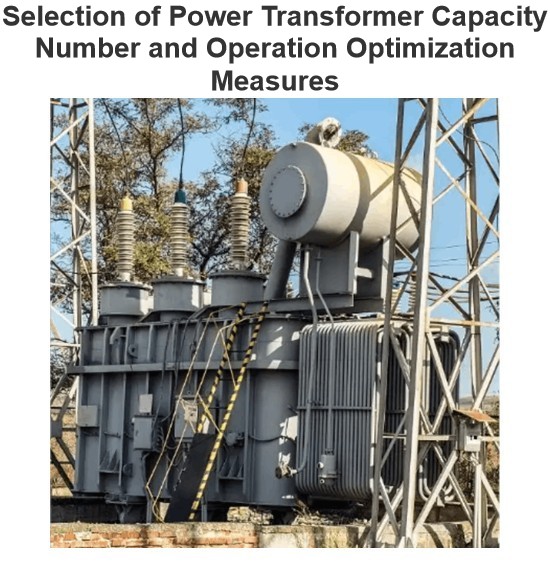
Selection of Power Transformer Capacity Number and Operation Optimization Measures
The safe and economical operation of power transformers is related to the safety, economy, stability, and reliability of the operations of various industries. The limitations of conditions such as the investment economic indicators for its selection, the economic benefits of maintenance and operation, and the adaptability in the new environment (access of distributed power sources, configuration of energy storage, etc.) make it impossible to include comprehensive factors in other aspects.The cap
07/17/2025
Consult
Tip
Consult
Tip
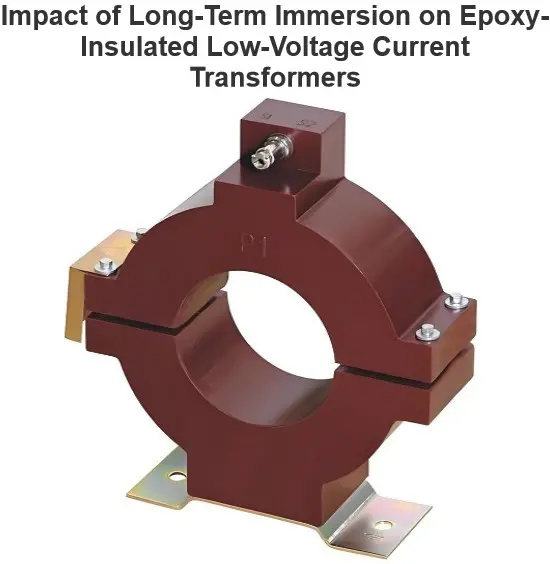
Impact of Long-Term Immersion on Epoxy-Insulated Low-Voltage Current Transformers
1 IntroductionLow - voltage current transformers for metering, with a through - core type epoxy resin structure, are widely used in distribution transformer areas and for small - to - medium - sized industrial and commercial electricity consumption. As a range expander for electric energy metering, their performance directly relates to electricity consumption safety and the accuracy of users' trade calculations. Studying long - term immersion's impact on these transformers is practically signifi
07/17/2025
Consult
Tip
Consult
Tip
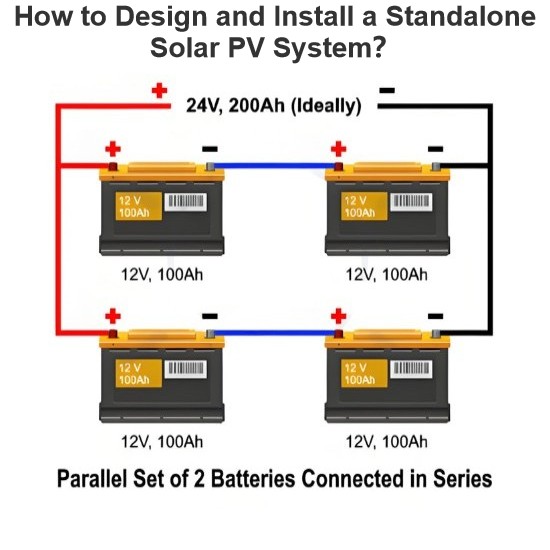
How to Design and Install a Standalone Solar PV System?
Design and Installation of Solar PV SystemsModern society relies on energy for daily needs like industry, heating, transport, and agriculture, mostly met by non-renewable sources (coal, oil, gas). However, these cause environmental harm, are unevenly distributed, and face price volatility due to limited reserves—driving demand for renewable energy.Solar energy, abundant and capable of meeting global needs, stands out. Standalone PV systems (Fig 1) offer energy independence from utiliti
07/17/2025
Consult
Tip
Consult
Tip
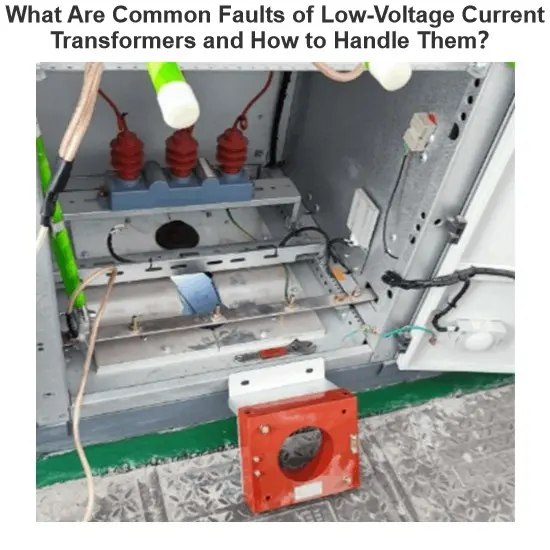
What Are Common Faults of Low-Voltage Current Transformers and How to Handle Them?
Low-voltage current transformers, as indispensable measurement and protection devices in power systems, often encounter various faults when used in combination with other power equipment due to environmental factors, equipment linkage issues, and improper installation and maintenance. These faults not only affect the normal operation of power equipment but may also endanger personal safety. Therefore, it is necessary to gain an in-depth understanding of fault types, judgment methods, and prevent
07/17/2025
Consult
Tip
Consult
Tip
Send inquiry
+86
Click to upload file
Download
Get the IEE Business Application
Use the IEE-Business app to find equipment, obtain solutions, connect with experts, and participate in industry collaboration anytime, anywhere—fully supporting the development of your power projects and business.