• Product
  • Suppliers
  • Manufacturers
  • Solutions
  • Free tools
  • Knowledges
  • Experts
  • Communities
Search


Free Expert Guides on Power Systems, Circuit Design & Electrical Troubleshooting

Access free engineering resources from IEE Business—covering power design, circuit layout, equipment selection, and troubleshooting. Expert-developed guides help engineers, procurement, and project teams make better decisions. Stay ahead on smart grids, renewables, efficiency, and AI tools. Improve reliability, reduce downtime, and enhance outcomes with real-world solutions. Explore our knowledge hub today.
What are the advantages and disadvantages of single-phase reclosing and three-phase reclosing?
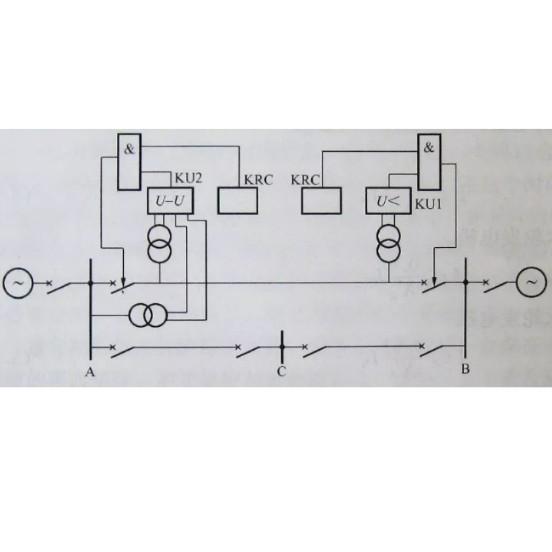
Single-Phase ReclosingAdvantage:When a single-phase-to-ground fault occurs on a line and three-phase auto-reclosing is applied, it results in higher switching overvoltages compared to single-phase reclosing. This is because three-phase tripping interrupts the current at zero-crossing, leaving residual charge voltages on the unfaulted phases—approximately equal to the peak phase voltage. Since the de-energized interval during reclosing is relatively short, the voltage on these unfaulted phases do
12/12/2025
Consult
Tip
Consult
Tip
Advantages and Disadvantages of Dry-Type Transformers and Their Differences from Oil-Immersed Transformers
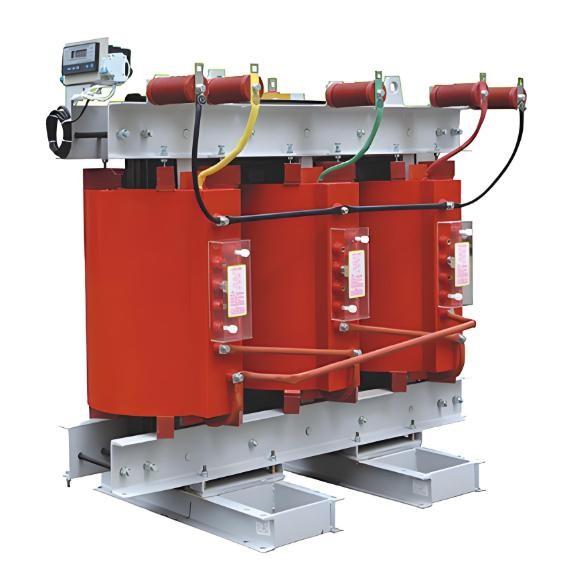
Cooling and Insulation of Dry-Type TransformersA dry-type transformer is a special type of power transformer characterized by the fact that its core and windings are not immersed in insulating oil.This raises a question: oil-immersed transformers rely on insulating oil for both cooling and insulation, so how do dry-type transformers achieve cooling and insulation without oil?First, let’s discuss cooling .Dry-type transformerstypically use two cooling methods: Natural air cooling (AN): When opera
11/22/2025
Consult
Tip
Consult
Tip
Advantages and Disadvantages of Double-Busbar Configuration in Substations
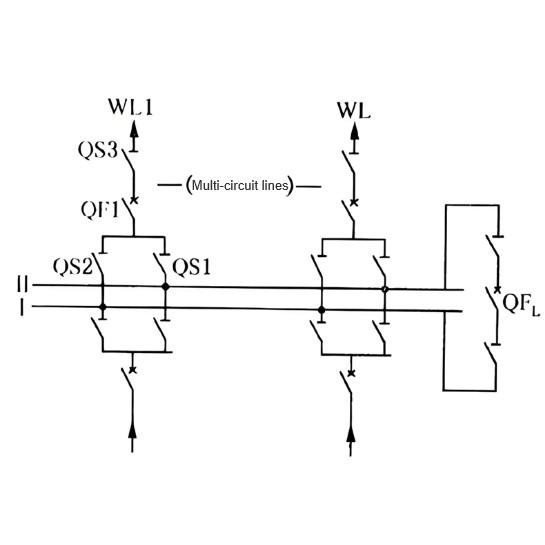
Advantages and Disadvantages of Double-Busbar Configuration in SubstationsA substation with double-busbar configuration employs two sets of busbars. Each power source and each outgoing line is connected to both busbars via one circuit breaker and two disconnectors, allowing either busbar to serve as the working or standby busbar. The two busbars are interconnected through a bus tie circuit breaker (referred to as the bus coupler, QFL), as shown in the figure below.I. Advantages of Double Busbar
11/14/2025
Consult
Tip
Consult
Tip
Send inquiry
+86
Click to upload file
Download
Get the IEE Business Application
Use the IEE-Business app to find equipment, obtain solutions, connect with experts, and participate in industry collaboration anytime, anywhere—fully supporting the development of your power projects and business.