• Product
  • Suppliers
  • Manufacturers
  • Solutions
  • Free tools
  • Knowledges
  • Experts
  • Communities
Search


Free Expert Guides on Power Systems, Circuit Design & Electrical Troubleshooting

Access free engineering resources from IEE Business—covering power design, circuit layout, equipment selection, and troubleshooting. Expert-developed guides help engineers, procurement, and project teams make better decisions. Stay ahead on smart grids, renewables, efficiency, and AI tools. Improve reliability, reduce downtime, and enhance outcomes with real-world solutions. Explore our knowledge hub today.
Handling Substation Blackout: Step-by-Step Guide
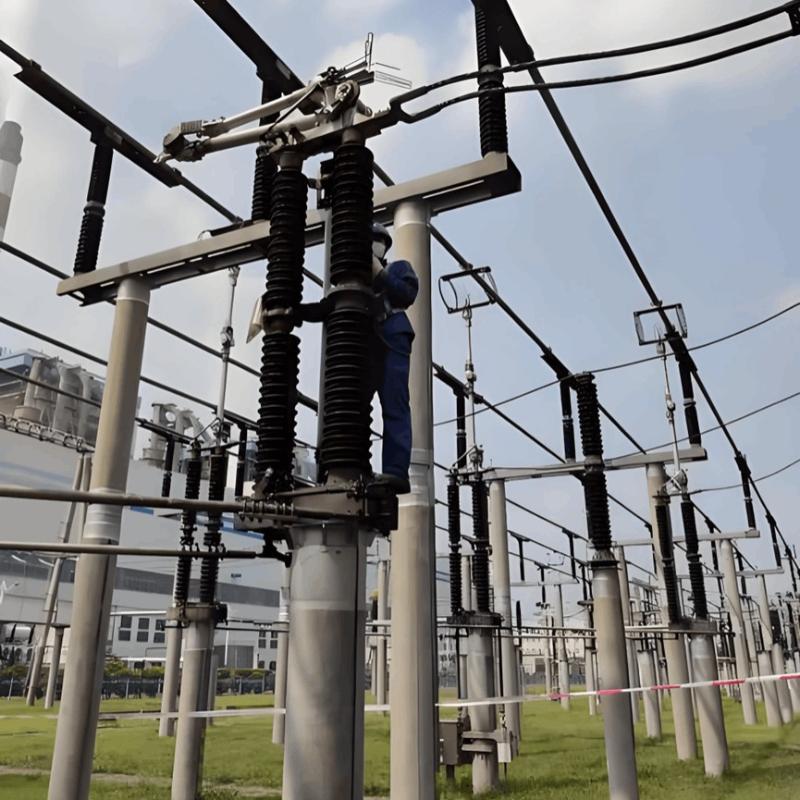
1. Purpose of Handling Total Substation BlackoutA total blackout at a 220 kV or higher substation may lead to widespread power outages, significant economic losses, and instability in the power grid, potentially causing system separation. This procedure aims to prevent voltage loss in main grid substations rated 220 kV and above.2. General Principles for Handling Total Substation Blackout Establish contact with dispatch as soon as possible. Restore station service power promptly. Quickly restore
10/31/2025
Consult
Tip
Consult
Tip
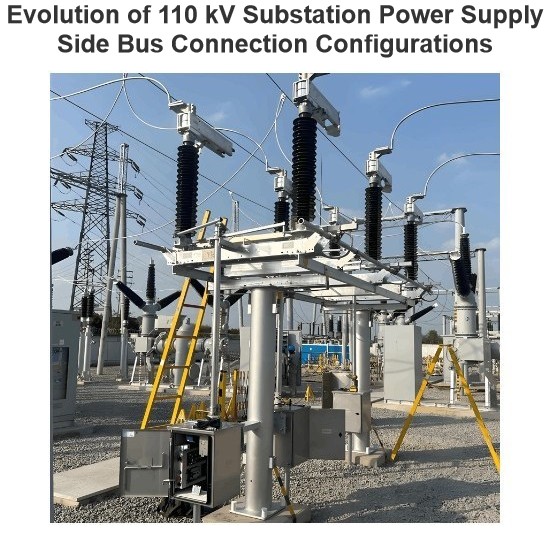
Evolution of 110 kV Substation Power Supply Side Bus Connection Configurations
Early 110 kV substations typically adopted the "internal bus connection" configuration on the power supply side, where the power source commonly used the "internal bridge connection" method. This was often observed in certain 220 kV substations supplying 110 kV buses from different transformers in a "same-direction dual-power" arrangement. This setup involved two transformers, with the 10 kV side using a single busbar with sectionalized connection. Advantages included simple wiring, convenient o
08/08/2025
Consult
Tip
Consult
Tip
Outdoor Substation
An outdoor substation is one that accommodates all voltage levels ranging from 55 KV to 765 KV. This type of substation generally requires less construction time but occupies more space. Outdoor substations are primarily categorized into two types: pole - mounted substations and foundation - mounted substations.Pole - Mounted SubstationPole - mounted substations are utilized to support distribution transformers with a capacity of up to 250 KVA. These transformers are among the most cost - effect
05/12/2025
Consult
Tip
Consult
Tip
What is a substation in electrical engineering?
Substations are critical facilities in power systems used for voltage transformation, power distribution, and controlling the flow of electricity. Their primary functions include:Voltage TransformationSubstations use transformers to convert high voltage electricity to lower voltages, or vice versa, to meet the needs of different users and equipment.Power DistributionSubstations transmit electricity from power plants to various consumption areas, ensuring a stable and reliable power supply.Power
02/05/2025
Consult
Tip
Consult
Tip
Which is the first equipment used in a substation?
A substation is a crucial component of the power system, responsible for converting high-voltage electricity generated at power plants into voltages suitable for transmission and distribution. During the design and construction of a substation, the earliest installed equipment is typically aimed at ensuring the safety and smooth progress of subsequent construction and commissioning. Below are the key pieces of equipment that are installed first in a substation:1. Earthing System Importance: The
12/16/2024
Consult
Tip
Consult
Tip
What are the basic requirement of electrical substation?
Basic Requirements for a SubstationA substation is a critical facility in the power system, responsible for converting transmission voltages to levels suitable for distribution or further transmission. It not only performs voltage transformation but also handles the protection, control, and monitoring of the power system. To ensure the safety, reliability, and efficient operation of a substation, a series of fundamental requirements must be met. Below are the main requirements for the design and
12/12/2024
Consult
Tip
Consult
Tip
What are the advantages of modular electrical substation design?
A modular substation is a solution where the main components of a substation are pre-manufactured, assembled, and tested in a factory before being transported to the site for rapid installation. This design approach offers several significant advantages over traditional substations, as detailed below:1. Shortened Construction Time Prefabrication and Pre-assembly: The various components of a modular substation are manufactured and assembled in a controlled factory environment, reducing on-site co
12/10/2024
Consult
Tip
Consult
Tip
Layout of GIS type high voltage electrical combination (Single bus section wiring)
Consult
Tip
Consult
Tip
Layout of GIS type high voltage electrical combination (Internal bonding)
Consult
Tip
Consult
Tip
10(6)/0.4kV Substation Layout Scheme(with workshop)
10(6)/0.4kV Substation Layout Scheme(with workshop)(a)Workshop built-in type(b)Workshop built-in type(c)Workshop built-out type(d)Workshop built-out type1-Transformer room2-Low voltage switchboard room3-Highvoltage switchboard room
Consult
Tip
Consult
Tip
Send inquiry
+86
Click to upload file
Download
Get the IEE Business Application
Use the IEE-Business app to find equipment, obtain solutions, connect with experts, and participate in industry collaboration anytime, anywhere—fully supporting the development of your power projects and business.