• Product
  • Suppliers
  • Manufacturers
  • Solutions
  • Free tools
  • Knowledges
  • Experts
  • Communities
Search


Free Expert Guides on Power Systems, Circuit Design & Electrical Troubleshooting

Access free engineering resources from IEE Business—covering power design, circuit layout, equipment selection, and troubleshooting. Expert-developed guides help engineers, procurement, and project teams make better decisions. Stay ahead on smart grids, renewables, efficiency, and AI tools. Improve reliability, reduce downtime, and enhance outcomes with real-world solutions. Explore our knowledge hub today.

One-Tap Energy Control: How Smart Apps Breathe Life into Your Home Storage System
As home energy storage evolves from "backup power" to "energy manager,"smart control appsare becoming the command center for households worldwide. More than a remote switch, it’s your intelligent brain for energy freedom and bill reduction—Scenario 1: Blackout? Zero-Second Switch, Safety at Your Fingertips A midnight storm knocks out grid power—your phone lights up: ‘Backup activated. 32-hour runtime secured.’With apps likeHi-Smart Energy(from Hi
06/20/2025
Consult
Tip
Consult
Tip
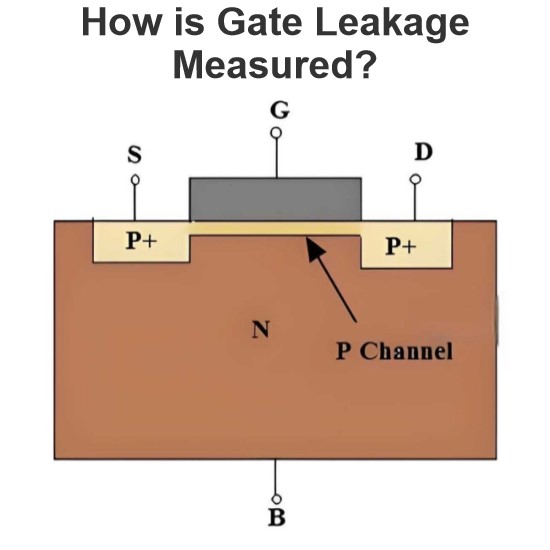
How is Gate Leakage Measured?
How to Measure Gate LeakageMeasuring gate leakage typically refers to measuring the leakage current between the gate and source or drain in a Metal-Oxide-Semiconductor Field-Effect Transistor (MOSFET) or similar devices. Gate leakage is an important parameter for assessing device reliability and performance, especially in high-voltage and high-frequency applications. Below are some common methods and techniques for measuring gate leakage:1. Using a Precision Current Meter (Picoammeter)Precision
01/13/2025
Consult
Tip
Consult
Tip
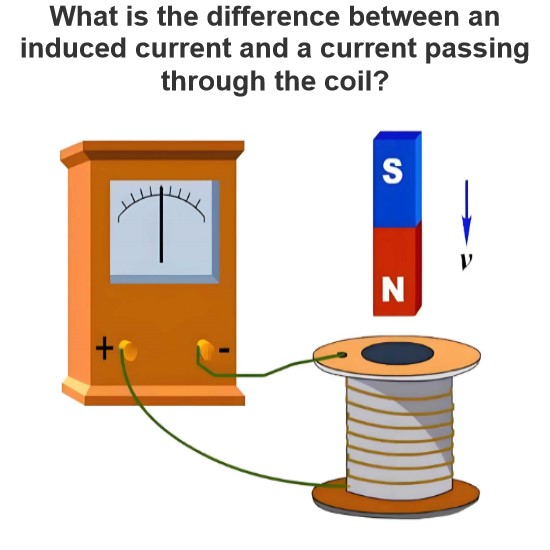
What is the difference between an induced current and a current passing through the coil?
Induced current and current through a coil are two different concepts, each with distinct physical principles and applications. Below is a detailed explanation of the differences between these two types of currents:1. Induced CurrentDefinition:Induced current is the current generated in a conductor due to the electromagnetic induction effect caused by a changing magnetic field. According to Faraday's law of electromagnetic induction, when the magnetic flux through a closed loop changes, an elect
11/28/2024
Consult
Tip
Consult
Tip
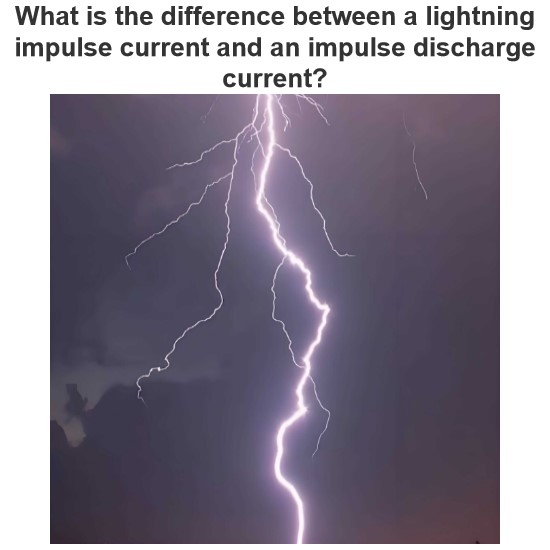
What is the difference between a lightning impulse current and an impulse discharge current?
Lightning surge current and impulse discharge current are two different electrical phenomena, each with distinct characteristics, sources, and applications. Below is a detailed explanation of the differences between these two types of currents:Lightning Surge CurrentDefinition:Lightning surge current refers to the instantaneous large current caused by lightning. When lightning strikes the ground or a building, it generates a massive current pulse, which is the lightning surge current.Characteris
11/27/2024
Consult
Tip
Consult
Tip
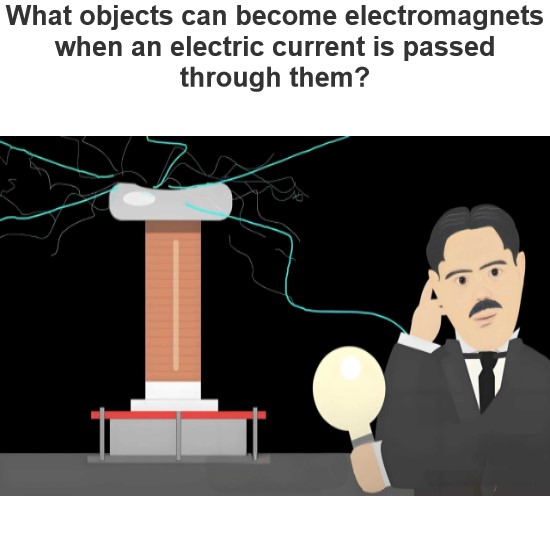
What objects can become electromagnets when an electric current is passed through them?
When current flows through certain objects, they can become electromagnets. Electromagnets work by generating a magnetic field when an electric current flows through a conductor. Here are some common objects that can become electromagnets:1. Iron-Core CoilIron Core: Iron is a common ferromagnetic material. When current flows through a coil wound around an iron core, the iron core becomes magnetized, forming a powerful electromagnet.Coil: Typically made of copper wire or another conductive materi
10/31/2024
Consult
Tip
Consult
Tip
What does electricity have to do with vibration?
Relationship Between Electricity and VibrationElectricity and vibration have several relationships, which are widely applied in various scientific and engineering fields. Here are some of the main relationships and their applications:1. Electromagnetic VibrationPrinciples: Electromagnetic Induction: When a conductor moves in a magnetic field, an electromotive force (EMF) is induced in the conductor, a phenomenon known as electromagnetic induction. Conversely, when a current flows through a condu
10/30/2024
Consult
Tip
Consult
Tip
What are the characteristics of a DC current?
Characteristics of Direct Current (DC)Direct Current (DC) is a type of electrical current that flows in a single direction, unlike Alternating Current (AC), which periodically reverses direction. DC has several distinct characteristics:1. Constant Direction Direction: DC flows consistently from the positive terminal to the negative terminal of the power source. Stability: Due to its constant direction, DC is more stable and is suitable for applications requiring a steady current.2. Voltage and C
10/28/2024
Consult
Tip
Consult
Tip
What happens to a coil when AC current is passed through it? How does it avoid getting burnt?
When an alternating current passes through a coil, the following situations occur:I. Electromagnetic effects1. Generation of a magnetic fieldWhen an alternating current passes through a coil, an alternating magnetic field is generated around the coil. The intensity of this magnetic field changes with the change of current.For example, in an electromagnet, when an alternating current passes through a coil, a magnetic field that attracts ferromagnetic objects is generated. The direction and intens
10/22/2024
Consult
Tip
Consult
Tip
What happens when a higher voltage current runs through a lower voltage circuit?
When current flows through a circuit with lower voltage from a higher voltage, several scenarios may occur: Damaged Circuit Components: Circuits with lower voltages may not be able to withstand higher voltages, leading to the burning or permanent damage of components within the circuit (such as resistors, capacitors, transistors, etc.). Performance Degradation: Even if components are not immediately damaged, higher voltages can lead to a decline in circuit performance, such as changes in the ope
10/19/2024
Consult
Tip
Consult
Tip
What are the factors that determine how much current flows in a circuit?
The amount of current flowing in a circuit is primarily determined by several factors:1. VoltagePower Source: The voltage provided in the circuit is the main driving force of current flow. According to Ohm's Law I=V/RcurrentIis directly proportional to voltageV. This means that the higher the voltage, the larger the current in the circuit (assuming the resistance remains constant).2. Resistance Circuit Elements: Resistive elements in the circuit (such as resistors, bulbs, motors, etc.) affect th
10/15/2024
Consult
Tip
Consult
Tip
Send inquiry
+86
Click to upload file
Download
Get the IEE Business Application
Use the IEE-Business app to find equipment, obtain solutions, connect with experts, and participate in industry collaboration anytime, anywhere—fully supporting the development of your power projects and business.