• Product
  • Suppliers
  • Manufacturers
  • Solutions
  • Free tools
  • Knowledges
  • Experts
  • Communities
Search


Free Expert Guides on Power Systems, Circuit Design & Electrical Troubleshooting

Access free engineering resources from IEE Business—covering power design, circuit layout, equipment selection, and troubleshooting. Expert-developed guides help engineers, procurement, and project teams make better decisions. Stay ahead on smart grids, renewables, efficiency, and AI tools. Improve reliability, reduce downtime, and enhance outcomes with real-world solutions. Explore our knowledge hub today.
How does the flow of electricity through the ground cause a fire hazard?
Electric current passing through the ground (i.e., through a grounding path) can pose a fire hazard mainly because the current generates heat when traveling through unintended paths. This heat can potentially ignite flammable materials nearby. Below are some mechanisms by which electric current passing through the ground can cause a fire hazard:1. Overcurrent Short Circuit: If the current travels through a path not designed to carry the intended current strength (such as the ground), it can resu
10/14/2024
Consult
Tip
Consult
Tip
How can we calculate the number of electrons per second flowing through a wire in a circuit?
The number of electrons per second flowing through a wire in a circuit can be calculated from a known current value. Current is measured in amperes (Ampere, A), defined as 1 Coulomb (C) of charge flowing through a cross section of a wire per second. We know that the charge of 1 coulomb is equal to about 6.242 x 10^18 electrons.Calculation formula Current (I) : Current is measured in amperes (A) and represents the amount of charge passing through a cross section of a wire per unit time. Number of
10/08/2024
Consult
Tip
Consult
Tip
What is the reason behind the inability to transmit electricity using direct current (DC)?
Causes of inability to transmit power using direct current (DC)There are some key differences between direct current (DC) and alternating current (AC) in power transmission, and these differences make DC not suitable for power transmission in some cases. Here are a few main reasons: Lack of voltage conversion capability: Transformers are the core components of alternating current systems, which allow power to be converted between different voltage levels. Because the current direction of direct
10/07/2024
Consult
Tip
Consult
Tip
Why does electricity only pass through one person when touched by another person near an electrical cable?
The reason why electricity passes through the human body involves the principles of electricity in physics. When the human body becomes part of the circuit, the current will pass through the human body, and the reason why the human body can become part of the circuit is because the human body has a certain conductivity. The following explains why current only passes through another person when that person touches near the cable:The conditions under which the current flowsCurrent always tends to
09/30/2024
Consult
Tip
Consult
Tip
Which appliances can run on single-phase electricity instead of three-phase electricity?
Single Phase Electricity is a form of alternating current system that usually consists of a phase line (live line) and a neutral line (neutral line) with a voltage of 220V or 230V (depending on the region). Single-phase electricity is mainly used in homes, small business establishments, or occasions that do not require a large amount of electricity. Here are a few common appliances that can run on single-phase electricity:Household appliance Lighting fixtures: such as LED lamps, fluorescent lamp
09/27/2024
Consult
Tip
Consult
Tip
What is Solar Electricity?
What is Solar Electricity?Solar Electricity DefinitionSolar electricity is produced by sunlight hitting photovoltaic cells, generating power.Photovoltaic EffectSolar energy electrical engineering relies on the photovoltaic effect, where sunlight creates electricity in semiconductor materials.Structure of Solar CellsA solar cell consists of a thin n-type layer on top of a thicker p-type layer, with a depletion region at their junction.Charge SeparationSunlight causes electrons to move to the n-la
07/29/2024
Consult
Tip
Consult
Tip
The Nature of Electricity?
The Nature of Electricity?Definition of electricityThe flow of electrons through a conductor due to an electric potential difference.The fundamental properties of electricityWhen a negatively charged object is connected to a positively charged object through a conductor, excess electrons flow from the negative body to the positive body to balance the electron shortage.Atomic structureAn atom consists of a nucleus with protons and neutrons, surrounded by electrons.Free electronLoose bonds combine
07/16/2024
Consult
Tip
Consult
Tip
Electromagnetism Defined
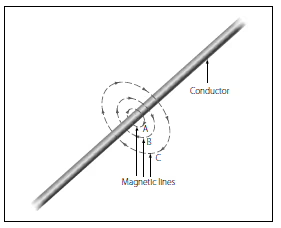
Here's a good wayto define electromagnetism -Electromagnetism is a branch of physics involving the study of the electromagnetic force, a type of physical interaction that occurs between electrically charged particles.The electromagnetic force is carried by electromagnetic fields composed of electric fields and magnetic fields, and it is responsible for electromagnetic radiation such as light.Who Discovered Electromagnetism?In 1820, the Danish physicist, Hans Christian Oersted, discovered that th
Consult
Tip
Consult
Tip
 What is a Multimeter?
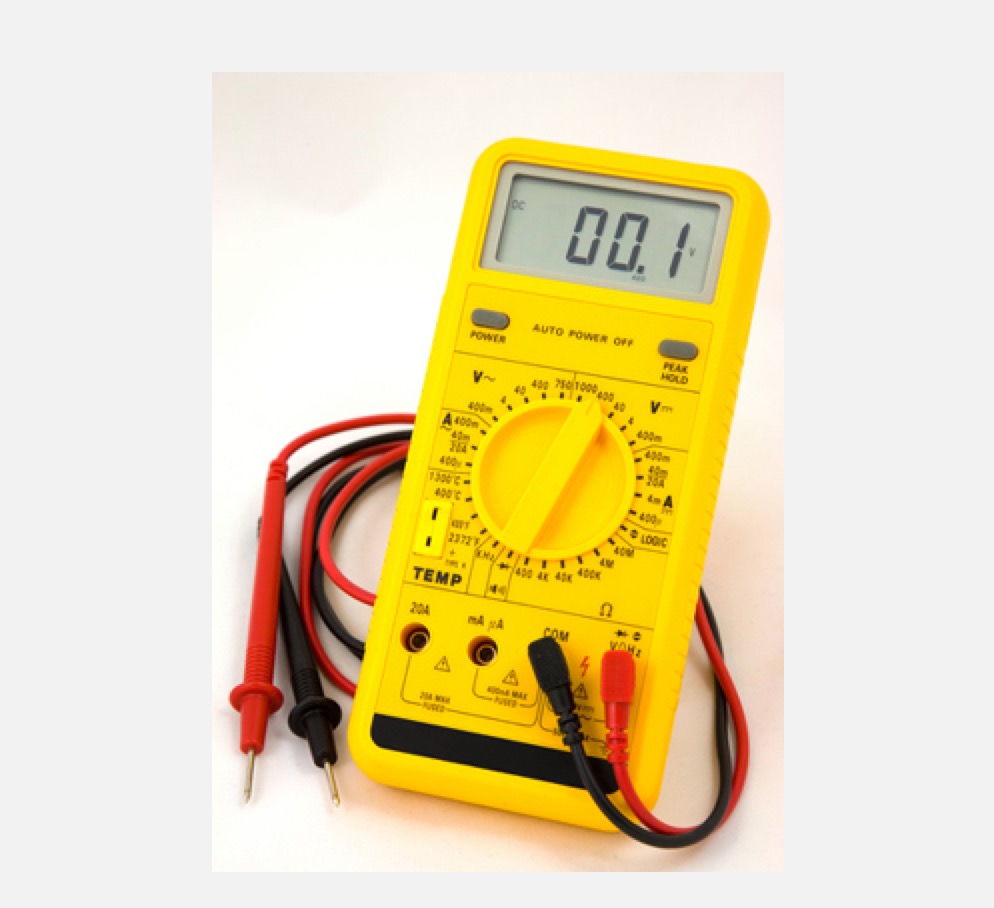
What is a Multimeter?A multimeter (MM) is essential for those working with electronics or electrical systems. It is a versatile instrument that combines several measurement functions into one unit, making it indispensable for electricians, technicians, and even DIY enthusiasts. This article will explore a multimeter's features, types of multimeters, and useswhile answering some common questions about this indispensable tool.Multimeters come in two primary forms: digital (DMMs) and analog multime
Consult
Tip
Consult
Tip
What is Inductance?
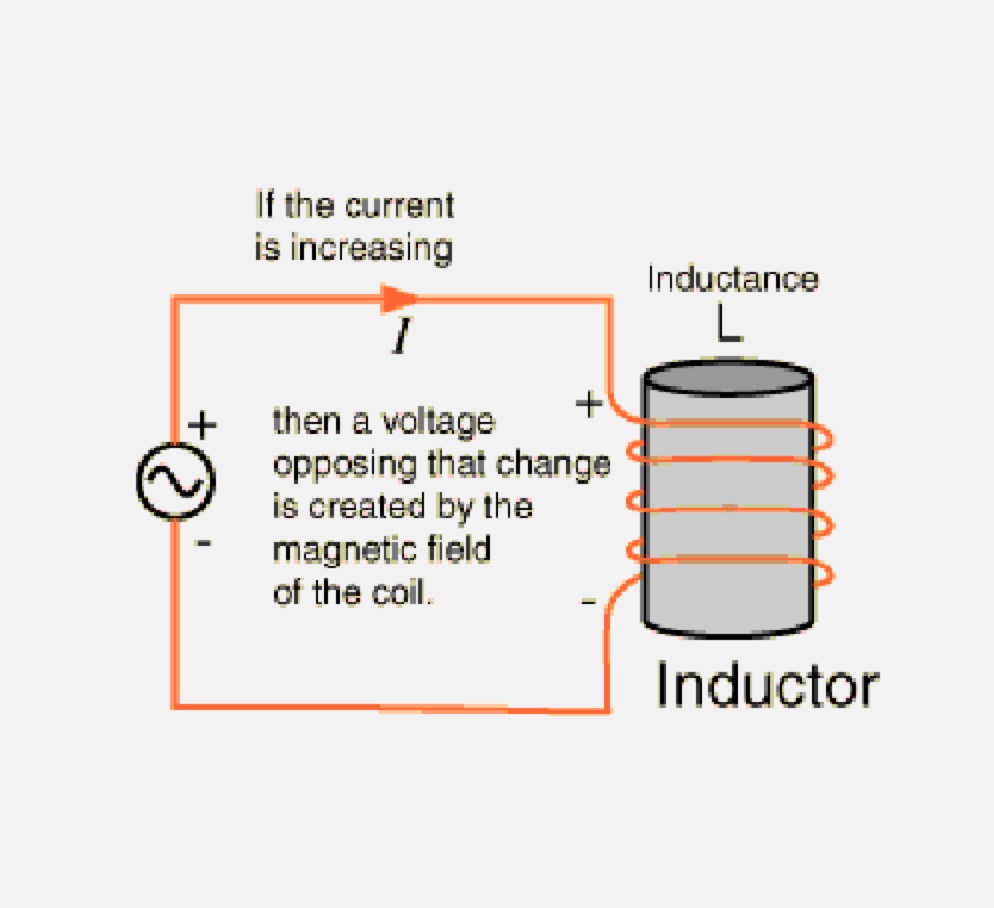
What is Inductance?Inductance occurs when a change in current flow is exploited for the purpose of preventing signals with a higher frequency component from passing while allowing signals of lower frequency components to pass. This is why inductors are sometimes referred to as "chokes," since they effectively choke off higher frequencies. A common application of a choke is in a radio amplifier biasing circuit where the collector of a transistor needs to be supplied with a DC voltage without allo
Consult
Tip
Consult
Tip
Send inquiry
+86
Click to upload file
Download
Get the IEE Business Application
Use the IEE-Business app to find equipment, obtain solutions, connect with experts, and participate in industry collaboration anytime, anywhere—fully supporting the development of your power projects and business.