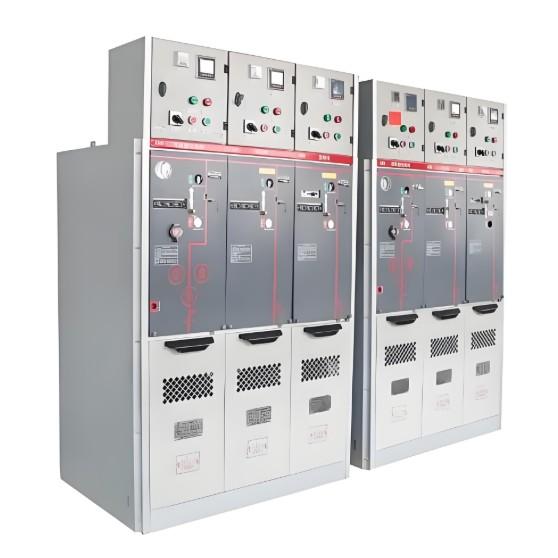
From the perspective of insulation performance, sulfur hexafluoride SF6 exhibits excellent insulating properties. Its dielectric strength is approximately 2.5 times that of air, effectively ensuring the insulation performance of electrical equipment under standard atmospheric pressure and ambient temperature. The new SF6 gas free gases used in SF6 gas-free switchgear—such as certain gas mixtures—can also meet insulation requirements, though their specific values vary depending on the formulation
12/10/2025
Consult
Tip
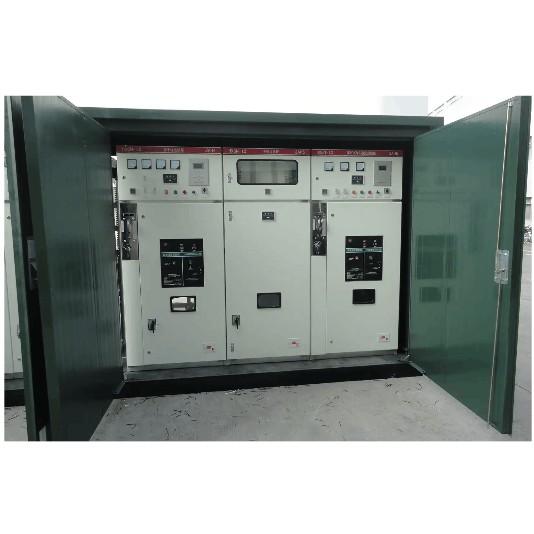
(1) The contact gap is primarily determined by insulation coordination parameters, interruption parameters, contact material of the high-voltage SF₆-free ring main unit, and the design of the magnetic blowout chamber. In practical application, a larger contact gap is not necessarily better; instead, the contact gap should be adjusted as close as possible to its lower limit to reduce operating energy consumption and extend service life.(2) The determination of contact overtravel is related to fac
12/10/2025
Consult
Tip
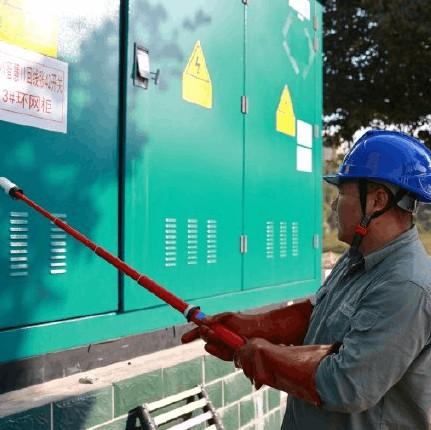
Insulation degradation in power equipment is generally caused by multiple factors. During operation, insulation materials (such as epoxy resin and cable terminations) gradually deteriorate due to thermal, electrical, and mechanical stresses, leading to the formation of voids or cracks. Alternatively, contamination and moisture—such as dust or salt deposition or high-humidity environments—can increase surface conductivity, triggering corona discharge or surface tracking. Additionally, lightning s
12/09/2025
Consult
Tip
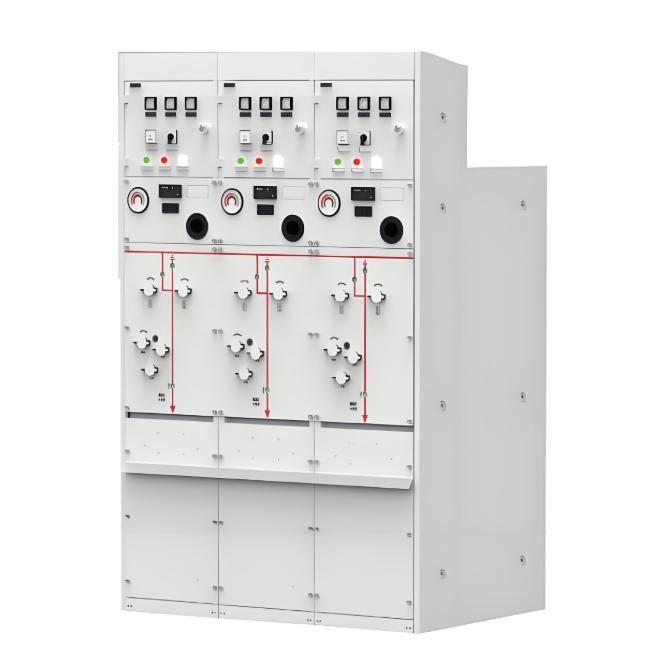
Intelligent complete sets of electrical switchgear and intelligent controller products are essential components in the manufacturing of intelligent ring main units (RMUs). The intelligent integration of complete switchgear combines advanced manufacturing technologies with information technology, effectively enhancing the power grid’s capabilities in state awareness, data analysis, decision-making, control, and learning, thereby fully embodying the digital, networked, and intelligent development
12/09/2025
Consult
Tip
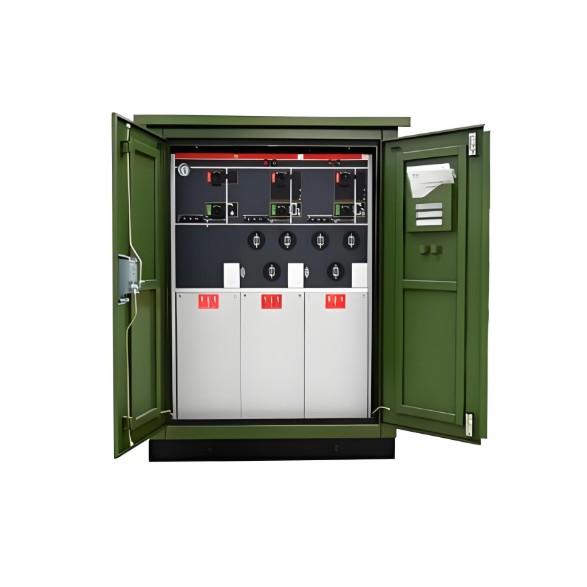
1. Key Points for Debugging High-Voltage Power Distribution Cabinets in Power Systems1.1 Voltage ControlDuring the debugging of high-voltage power distribution cabinets, voltage and dielectric loss show an inverse relationship. Insufficient detection accuracy and large voltage errors will lead to increased dielectric loss, higher resistance, and leakage. Therefore, it is necessary to strictly control the resistance under low-voltage conditions, analyze current and resistance values, and avoid ex
11/26/2025
Consult
Tip
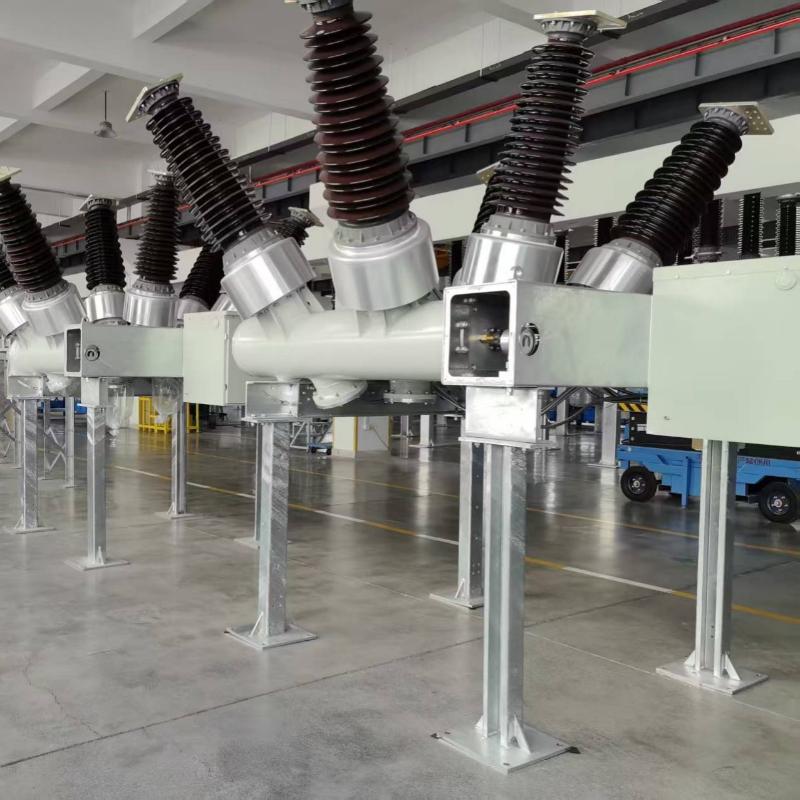
1. IntroductionSF₆ is widely used in electric power transmission and distribution systems, such as gas-insulated switchgear (GIS), circuit breakers (CB), and medium-voltage (MV) load switches. It possesses unique electrical insulation and arc-quenching capabilities. However, SF₆ is also a potent greenhouse gas, with a global warming potential of approximately 23,500 over a 100-year time horizon, and therefore its use is regulated and subject to ongoing discussions regarding restrictions. Consequ
11/21/2025
Consult
Tip
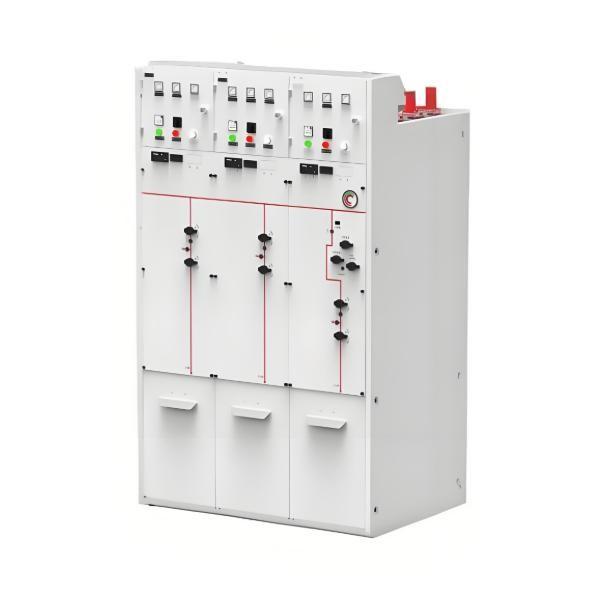
1.IntroductionIn response to climate change, extensive research and development efforts have been undertaken globally to develop various types of SF₆-free gas-insulated switchgear as alternatives to conventional SF₆-based equipment. On the other hand, SF₆-free gas-insulated switchgear has been in service since the late 1960s. By integrally molding live components of the switchgear using solid insulation materials—such as epoxy resin—with dielectric strength significantly higher than that of SF₆,
11/21/2025
Consult
Tip
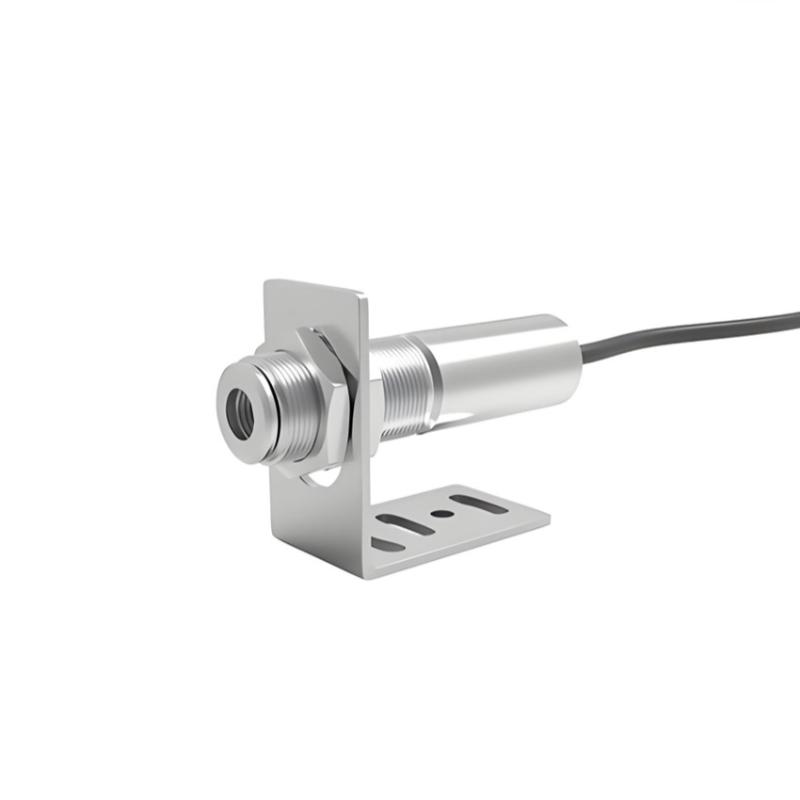
High-voltage switchgear refers to electrical equipment operating within a voltage range of 3.6 kV to 550 kV, used in power generation, transmission, distribution, energy conversion, and consumption systems for switching, control, or protection purposes. It primarily includes high-voltage circuit breakers, high-voltage disconnectors and earthing switches, high-voltage load switches, high-voltage auto-reclosers and sectionalizers, high-voltage operating mechanisms, high-voltage explosion-proof swi
11/14/2025
Consult
Tip
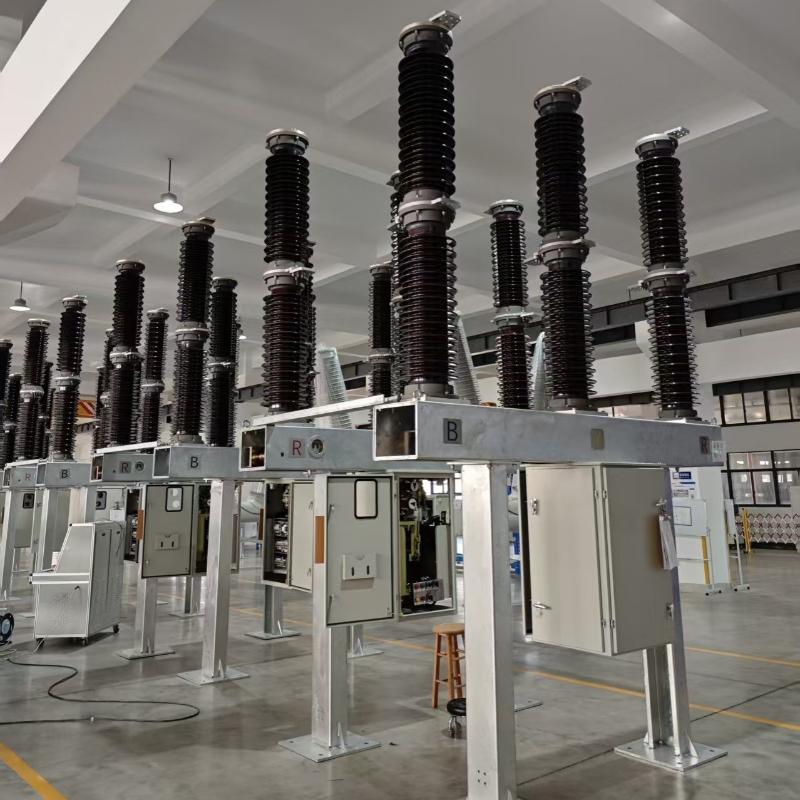
The basic meaning of a high-voltage circuit breaker is, simply put, that under normal conditions, it is used to open (interrupt, trip) and close (make, reclose) circuits, feeders, or specific loads—such as those connected to transformers or capacitor banks. When a fault occurs in the power system, protective relays activate the circuit breaker to interrupt either load current or short-circuit current, thereby ensuring the safe operation of the power system.A high-voltage circuit breaker is a typ
11/06/2025
Consult
Tip
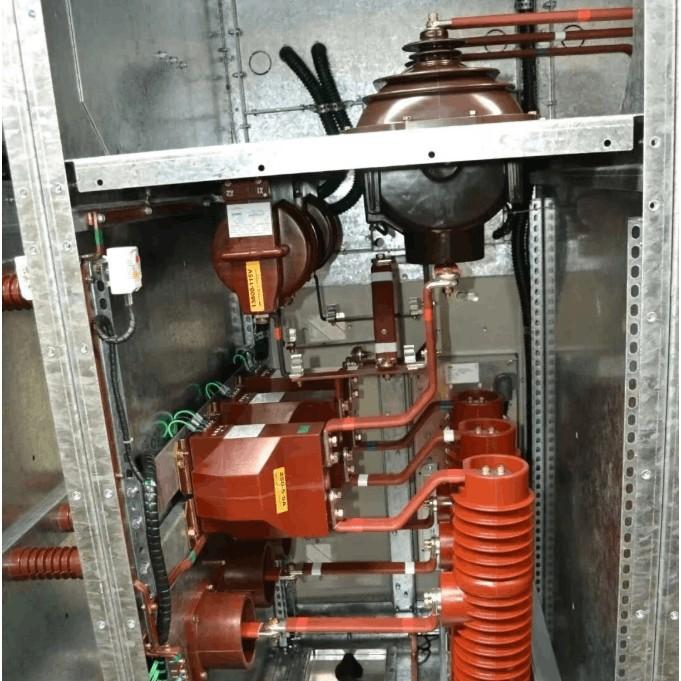
Air-insulated ring main units (RMUs) are defined in contrast to compact gas-insulated RMUs. Early air-insulated RMUs used vacuum or puffer-type load switches from VEI, as well as gas-generating load switches. Later, with the widespread adoption of the SM6 series, it became the mainstream solution for air-insulated RMUs. Similar to other air-insulated RMUs, the key difference lies in replacing the load switch with an SF6-encapsulated type—where the three-position switch for load and grounding is
11/03/2025
Consult
Tip






