• Product
  • Suppliers
  • Manufacturers
  • Solutions
  • Free tools
  • Knowledges
  • Experts
  • Communities
Search


Free Expert Guides on Power Systems, Circuit Design & Electrical Troubleshooting

Access free engineering resources from IEE Business—covering power design, circuit layout, equipment selection, and troubleshooting. Expert-developed guides help engineers, procurement, and project teams make better decisions. Stay ahead on smart grids, renewables, efficiency, and AI tools. Improve reliability, reduce downtime, and enhance outcomes with real-world solutions. Explore our knowledge hub today.
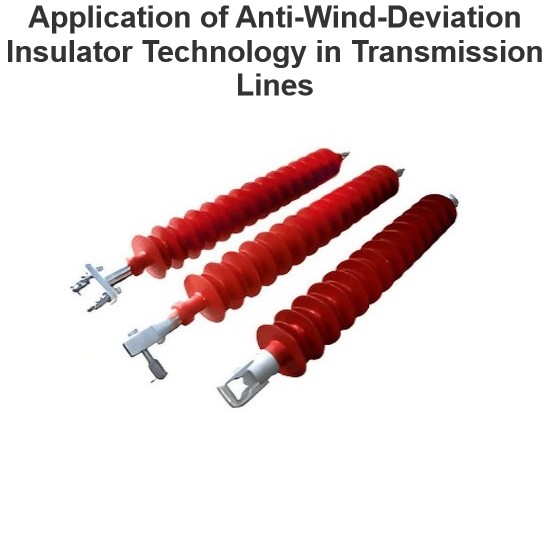
Application of Anti-Wind-Deviation Insulator Technology in Transmission Lines
In the continuous development of China's power industry, the power system is constantly advancing into new fields. Although significant achievements have been made in power research, new challenges continue to emerge with industry growth, requiring new technologies for improvement. In the field of transmission lines, the application of anti-wind-deviation insulator technology is one such example. Therefore, this paper analyzes the application of anti-wind-deviation insulator technology from the
08/20/2025
Consult
Tip
Consult
Tip
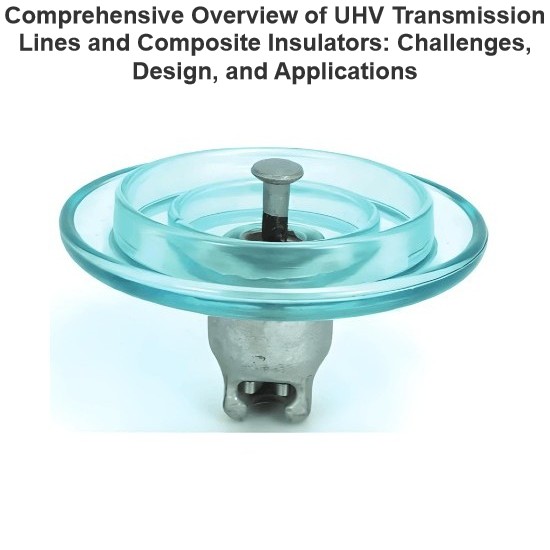
Comprehensive Overview of UHV Transmission Lines and Composite Insulators: Challenges, Design, and Applications
1 Characteristics and Components of High-Voltage Transmission Lines1.1 Characteristics of High-Voltage Transmission LinesHigh-voltage transmission lines are characterized by their relatively low cost due to the smaller amount of information they require. They typically use two conductors, one connected to the positive pole and the other to the negative pole. DC transmission lines have durability and can transmit current over long distances. In some high-voltage transmission facilities in China,
08/20/2025
Consult
Tip
Consult
Tip
Common faults of insulators and preventive measures
An insulator is a special type of insulating component that serves the dual purpose of supporting conductors and preventing current from grounding in overhead transmission lines. It is widely used at the connection points between transmission towers and conductors, as well as between substation structures and power lines. Based on the dielectric material, insulators are classified into three types: porcelain, glass, and composite. Analyzing common insulator faults and preventive maintenance meas
08/20/2025
Consult
Tip
Consult
Tip
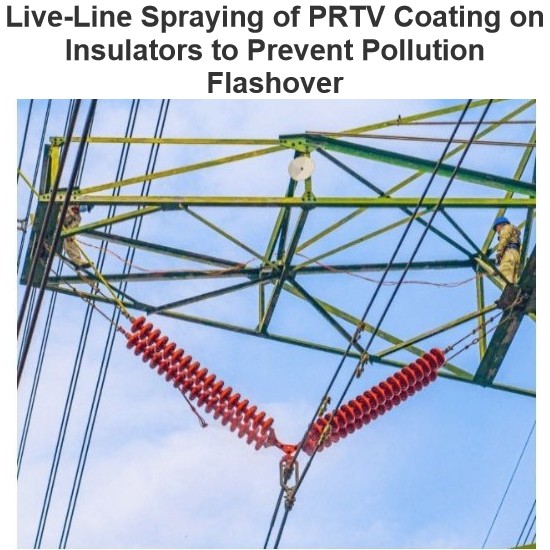
Live-Line Spraying of PRTV Coating on Insulators to Prevent Pollution Flashover
Live-line spraying of PRTV on insulatorsTo ensure the safe operation of transmission lines and effectively prevent pollution flashover, the company's live-line work team recently responded to the local power supply bureau's requirements by conducting live-line spraying of PRTV coating on insulators of relevant transmission lines, equipping the insulators with a bright red "protective coat." The live-line spraying operations were mainly carried out in industrialized towns in central and western C
08/20/2025
Consult
Tip
Consult
Tip
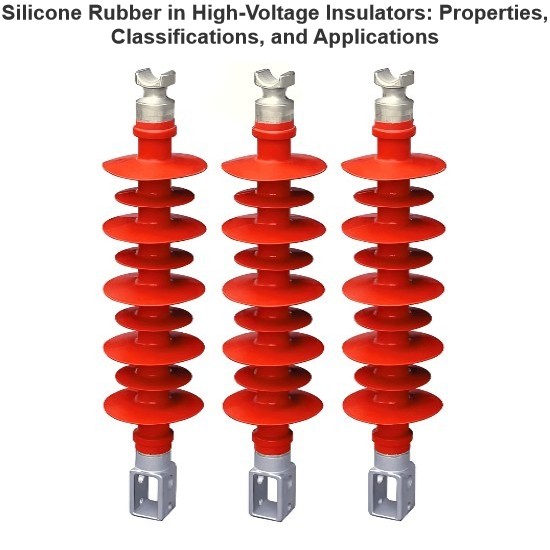
Silicone Rubber in High-Voltage Insulators: Properties, Classifications, and Applications
Since the second half of the 19th century, the only insulating materials suitable for high-voltage power transmission lines were ceramics and glass. Starting in the 1940s, with the emergence of polymer materials, ceramics and glass were no longer the preferred choices, prompting countries in Europe and America to begin researching polymer insulators. Subsequently, extensive studies were conducted on the physical properties, electrical characteristics, long-term reliability, and optimal shapes of
08/20/2025
Consult
Tip
Consult
Tip
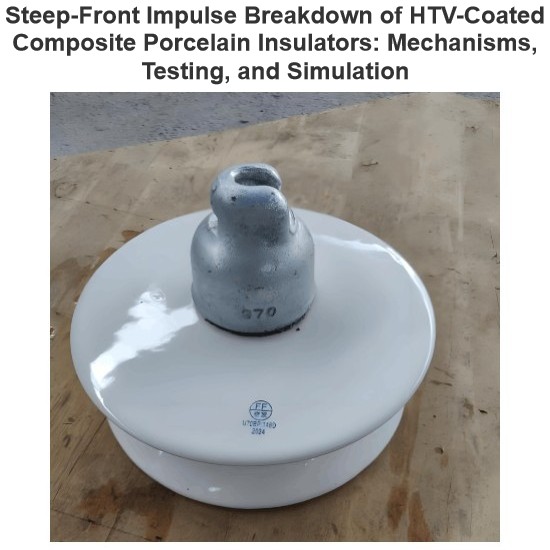
Steep-Front Impulse Breakdown of HTV-Coated Composite Porcelain Insulators: Mechanisms, Testing, and Simulation
Porcelain and glass insulators exhibit excellent insulation performance and mechanical strength, but are prone to pollution flashover under severe contamination, threatening the stable operation of power grids. To enhance the pollution flashover resistance of external insulation, manufacturers commonly apply room-temperature vulcanized silicone rubber (RTV) coatings with superior hydrophobicity and hydrophobicity transfer properties onto insulator surfaces, thereby reducing flashover risks. Init
08/20/2025
Consult
Tip
Consult
Tip
Send inquiry
+86
Click to upload file
Download
Get the IEE Business Application
Use the IEE-Business app to find equipment, obtain solutions, connect with experts, and participate in industry collaboration anytime, anywhere—fully supporting the development of your power projects and business.