• Product
  • Suppliers
  • Manufacturers
  • Solutions
  • Free tools
  • Knowledges
  • Experts
  • Communities
Search


Free Expert Guides on Power Systems, Circuit Design & Electrical Troubleshooting

Access free engineering resources from IEE Business—covering power design, circuit layout, equipment selection, and troubleshooting. Expert-developed guides help engineers, procurement, and project teams make better decisions. Stay ahead on smart grids, renewables, efficiency, and AI tools. Improve reliability, reduce downtime, and enhance outcomes with real-world solutions. Explore our knowledge hub today.
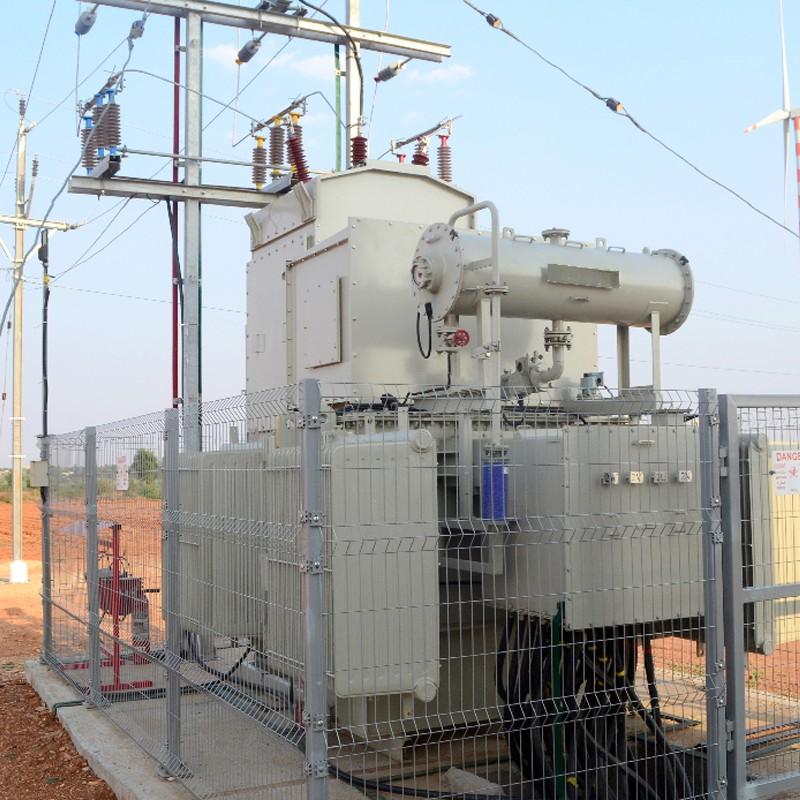
Neutral point grounding operation mode for 110kV~220kV power grid transformers
The arrangement of neutral point grounding operation modes for 110kV~220kV power grid transformers shall meet the insulation withstand requirements of transformer neutral points, and shall also strive to keep the zero-sequence impedance of substations basically unchanged, while ensuring that the zero-sequence comprehensive impedance at any short-circuit point in the system does not exceed three times the positive-sequence comprehensive impedance.For 220kV and 110kV transformers in new constructi
01/29/2026
Consult
Tip
Consult
Tip
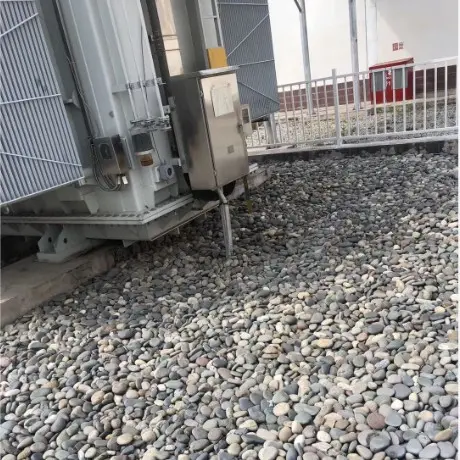
Why Do Substations Use Stones, Gravel, Pebbles, and Crushed Rock?
Why Do Substations Use Stones, Gravel, Pebbles, and Crushed Rock?In substations, equipment such as power and distribution transformers, transmission lines, voltage transformers, current transformers, and disconnect switches all require grounding. Beyond grounding, we will now explore in depth why gravel and crushed stone are commonly used in substations. Though they appear ordinary, these stones play a critical safety and functional role.In substation grounding design—especially when multiple gr
01/29/2026
Consult
Tip
Consult
Tip
Intelligent Substation Maintenance Pressure Plate Operation Guide
According to the "Eighteen Major Anti-Accident Measures for Power Grid of State Grid Corporation of China (Revised Edition)" promulgated in 2018, operation and maintenance units should improve the on-site operation regulations for intelligent substations, refine the usage instructions and abnormal handling methods for various messages, signals, hard pressure plates, and soft pressure plates of intelligent equipment, standardize the operation sequence of pressure plates, strictly follow the seque
12/15/2025
Consult
Tip
Consult
Tip
Grounding Transformer Protection: Misoperation Causes & Countermeasures in 110kV Substations
In China's power system, the 6 kV, 10 kV, and 35 kV grids generally adopt a neutral-point ungrounded operation mode. The distribution voltage side of the main transformer in the grid is usually connected in delta configuration, which provides no neutral point for connecting a grounding resistor.When a single-phase ground fault occurs in a neutral-point ungrounded system, the line-to-line voltage triangle remains symmetrical, causing minimal impact on user operations. Moreover, when the capacitiv
12/03/2025
Consult
Tip
Consult
Tip
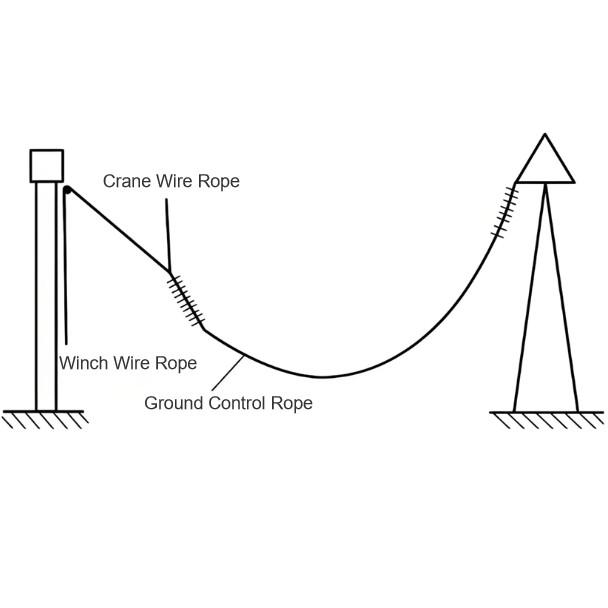
Analysis of Inter-Bay Jumper Installation Construction Techniques for UHV Substations
UHV (Ultra-High Voltage) substations are a critical component of power systems. To meet the fundamental requirements of power systems, the associated transmission lines must remain in good operational condition. During the operation of UHV substations, it is essential to properly implement the inter-bay jumper installation and construction techniques between structural frames to ensure rational interconnection among the frames, thereby fulfilling the basic operational needs of UHV substations an
11/20/2025
Consult
Tip
Consult
Tip
What Is a Substation Bay? Types & Functions
A substation bay refers to a complete and independently operable assembly of electrical equipment within a substation. It can be regarded as a fundamental unit of the substation’s electrical system, typically comprising circuit breakers, disconnectors (isolators), earthing switches, instrumentation, protective relays, and other associated devices.The primary function of a substation bay is to receive electrical power from the power system into the substation and then deliver it to the required d
11/20/2025
Consult
Tip
Consult
Tip
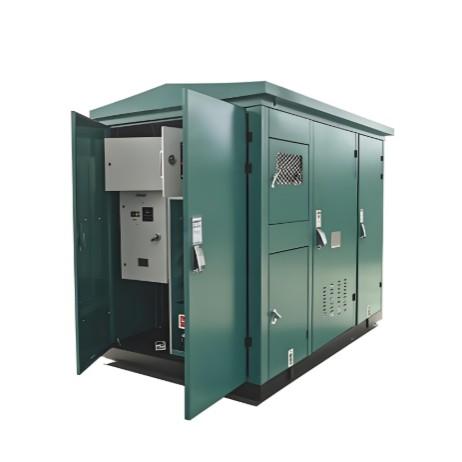
What is the difference between a pad-mounted substation and a traction substation?
Pad-Mounted Substation (Box-Type Substation)Definition:A pad-mounted substation, also known as a prefabricated substation or pre-assembled substation, is a compact, factory-assembled power distribution unit that integrates high-voltage switchgear, a distribution transformer, and low-voltage distribution equipment according to a specific wiring scheme. It combines functions such as voltage step-down and low-voltage power distribution into a single unit housed in a fully enclosed, movable steel en
11/20/2025
Consult
Tip
Consult
Tip
What Are the Differences Between Substations, Switching Stations, and Distribution Rooms?
What Are the Differences Between Substations, Switching Stations, and Distribution Rooms?A substation is a power facility in the electric power system that transforms voltage levels, receives and distributes electrical energy, controls the direction of power flow, and adjusts voltage. It interconnects power grids of various voltage levels through its transformers. In specific applications—such as submarine power cables or long-distance transmission—some systems use high-voltage direct current (H
11/20/2025
Consult
Tip
Consult
Tip
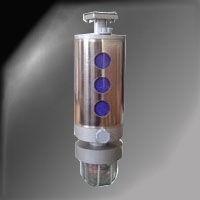
Application of Maintenance-Free Transformer Breathers in Substations
Currently, traditional-type breathers are widely used in transformers. The moisture-absorbing capability of silica gel is still judged by operation and maintenance personnel through visual observation of the color change of silica gel beads. Subjective judgment by personnel plays a decisive role. Although it has been clearly stipulated that silica gel in transformer breathers should be replaced when more than two-thirds of it changes color, there is still no accurate quantitative method to deter
11/18/2025
Consult
Tip
Consult
Tip
Application of UAV Technology in Sequential Control Operations of Substations
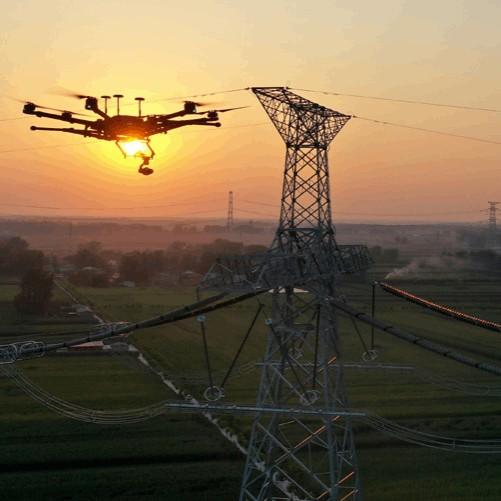
With the advancement of smart grid technologies, sequential control (SCADA-based automated switching) in substations has become a core technique for ensuring stable power system operation. Although existing sequential control technologies have been widely deployed, challenges related to system stability under complex operating conditions and equipment interoperability remain significant. Unmanned Aerial Vehicle (UAV) technology—characterized by its agility, mobility, and non-contact inspection c
11/18/2025
Consult
Tip
Consult
Tip
Send inquiry
+86
Click to upload file
Download
Get the IEE Business Application
Use the IEE-Business app to find equipment, obtain solutions, connect with experts, and participate in industry collaboration anytime, anywhere—fully supporting the development of your power projects and business.