• Product
  • Suppliers
  • Manufacturers
  • Solutions
  • Free tools
  • Knowledges
  • Experts
  • Communities
Search


Free Expert Guides on Power Systems, Circuit Design & Electrical Troubleshooting

Access free engineering resources from IEE Business—covering power design, circuit layout, equipment selection, and troubleshooting. Expert-developed guides help engineers, procurement, and project teams make better decisions. Stay ahead on smart grids, renewables, efficiency, and AI tools. Improve reliability, reduce downtime, and enhance outcomes with real-world solutions. Explore our knowledge hub today.
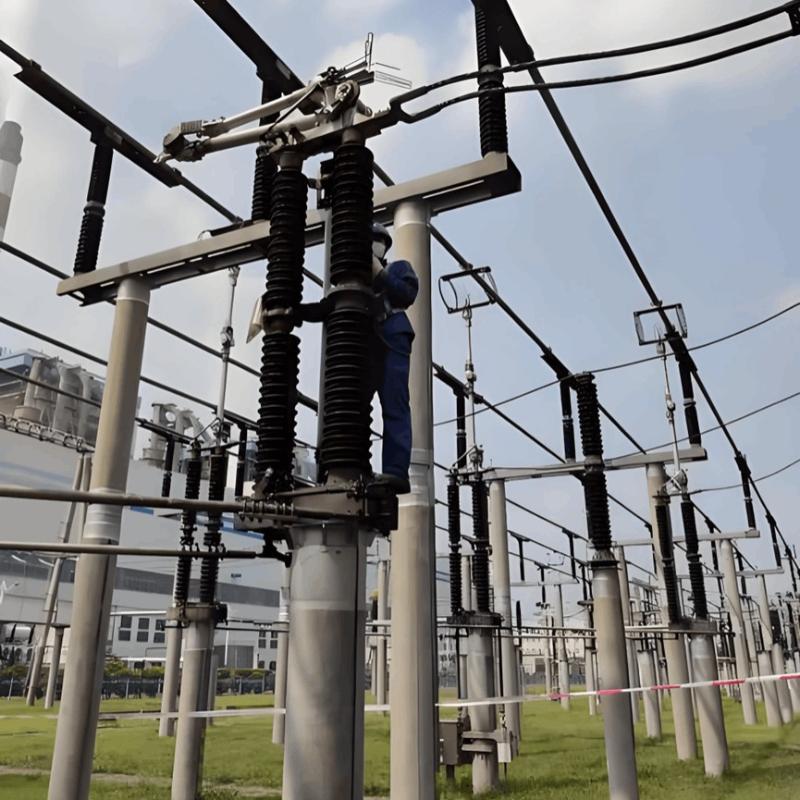
Measures to Ensure Zero Busbar Voltage Loss in Substations
I. IntroductionSubstations serve as critical hubs in power systems, responsible for transmitting electrical energy from power plants to end users. Busbars, as a key component of substations, play an essential role in power distribution and transmission. However, busbar voltage loss incidents occur from time to time, posing a serious threat to the safe and stable operation of power systems. Therefore, ensuring zero busbar voltage loss in substations has become a crucial issue in power system oper
11/14/2025
Consult
Tip
Consult
Tip
Advantages and Disadvantages of Double-Busbar Configuration in Substations
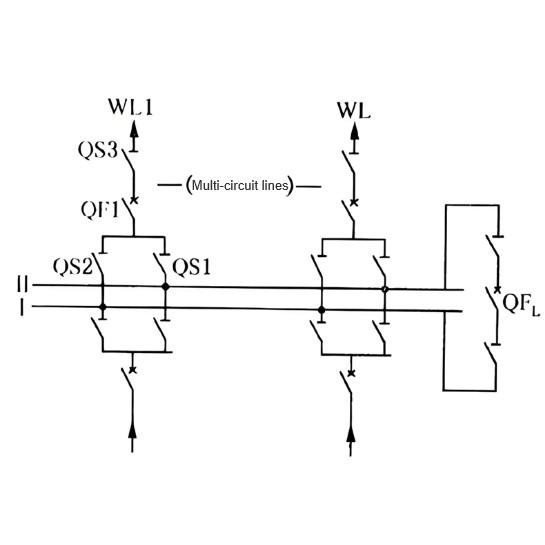
Advantages and Disadvantages of Double-Busbar Configuration in SubstationsA substation with double-busbar configuration employs two sets of busbars. Each power source and each outgoing line is connected to both busbars via one circuit breaker and two disconnectors, allowing either busbar to serve as the working or standby busbar. The two busbars are interconnected through a bus tie circuit breaker (referred to as the bus coupler, QFL), as shown in the figure below.I. Advantages of Double Busbar
11/14/2025
Consult
Tip
Consult
Tip
Outdoor Substations: Types, Pros & Cons (55kV–765kV)
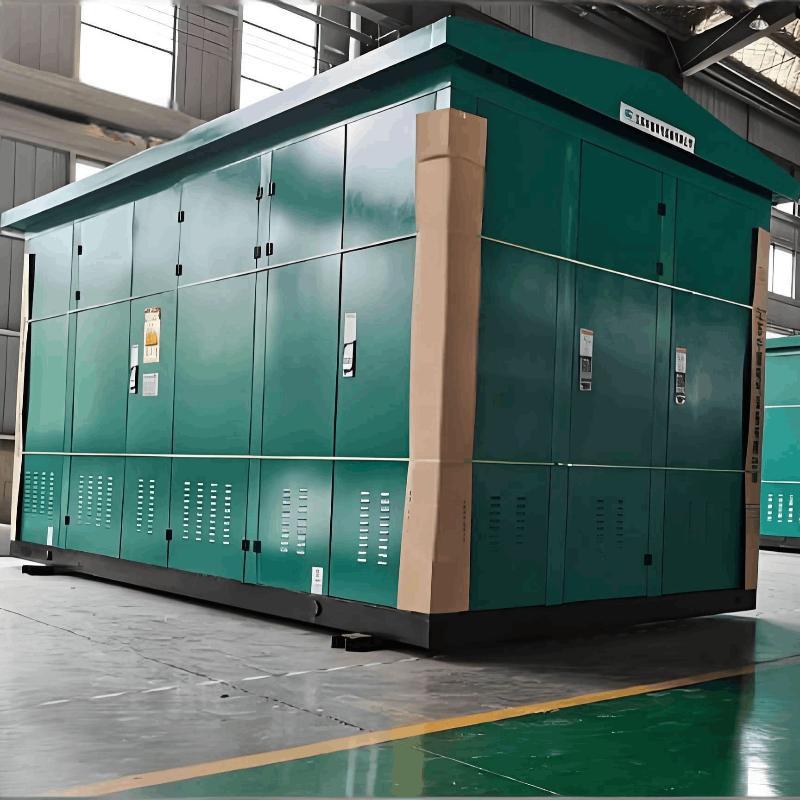
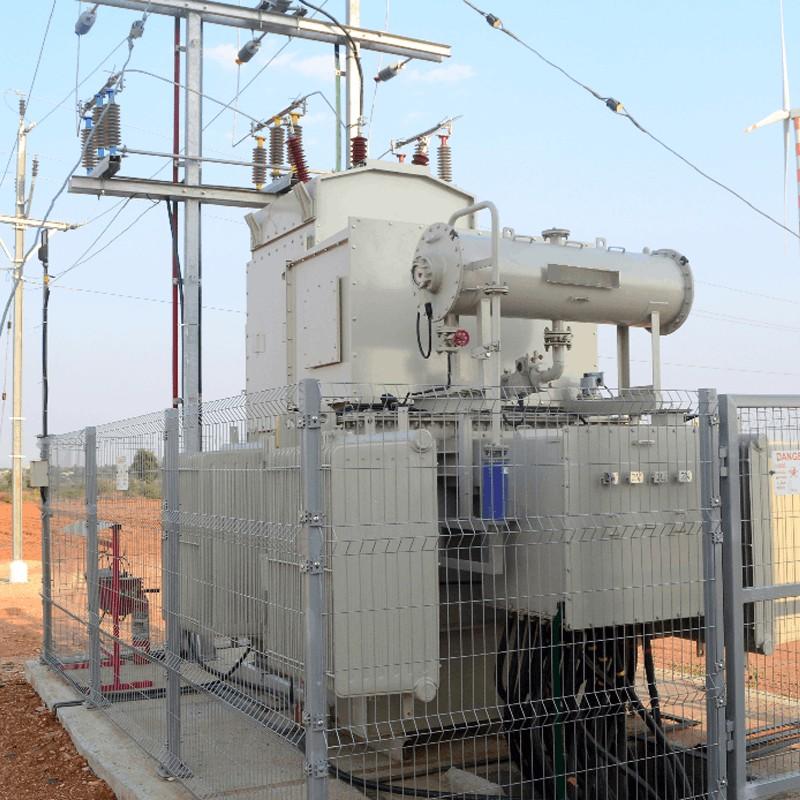
Substations designed for voltage levels ranging from 55 kV to 765 kV are known as outdoor substations. This type of substation requires less construction time but occupies more space. Outdoor substations are mainly divided into pole-mounted substations and foundation-mounted substations.Pole-Mounted SubstationsThis type of substation is used to support distribution transformers with capacities up to 250 kVA. Such transformers represent the cheapest, simplest, and smallest form of distribution. A
11/06/2025
Consult
Tip
Consult
Tip
Relay Protection Types in Substations: A Complete Guide
(1) Generator Protection:Generator protection covers: phase-to-phase short circuits in stator windings, stator ground faults, inter-turn short circuits in stator windings, external short circuits, symmetrical overload, stator overvoltage, single- and double-point grounding in the excitation circuit, and loss of excitation. Tripping actions include shutdown, islanding, limiting fault impact, and alarm signaling.(2) Transformer Protection:Power transformer protection includes: phase-to-phase short
11/05/2025
Consult
Tip
Consult
Tip
Handling 35kV Substation Fault Tripping
Analysis and Handling of Fault Tripping in 35kV Substation Operation1. Analysis of Tripping Faults1.1 Line-Related Tripping FaultsIn power systems, the coverage area is extensive. To meet power supply demands, numerous transmission lines must be installed—posing significant management challenges. Especially for special-purpose lines, installations are often located in remote areas such as suburbs to minimize impact on residential life. However, these remote areas have complex environments, makin
10/31/2025
Consult
Tip
Consult
Tip
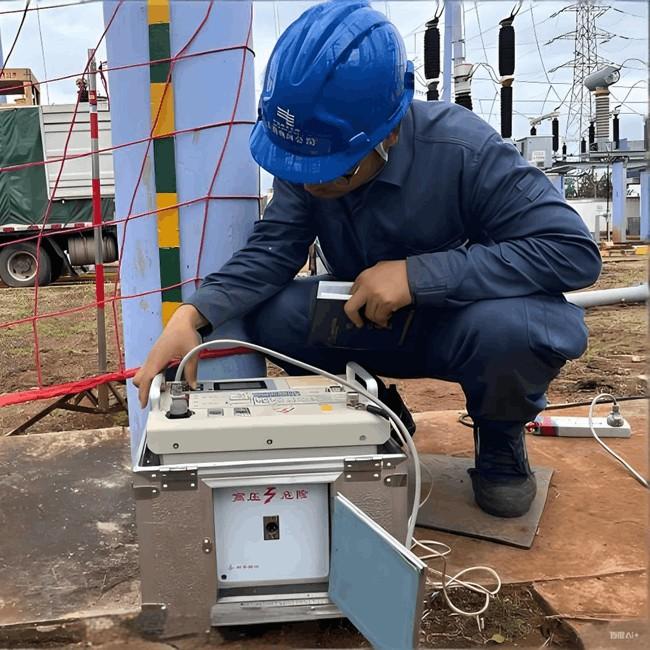
Infrared, UV & Ultrasonic Busbar Discharge Testing
1. Methods for Detecting Busbar Discharge1.1 Insulation Resistance TestThe insulation resistance test is a simple and commonly used method in electrical insulation testing. It is highly sensitive to through-type insulation defects, overall moisture absorption, and surface contamination—conditions that typically result in significantly reduced resistance values. However, it is less effective in detecting localized aging or partial discharge faults.Depending on the equipment’s insulation class and
10/31/2025
Consult
Tip
Consult
Tip
Handling Substation Blackout: Step-by-Step Guide
1. Purpose of Handling Total Substation BlackoutA total blackout at a 220 kV or higher substation may lead to widespread power outages, significant economic losses, and instability in the power grid, potentially causing system separation. This procedure aims to prevent voltage loss in main grid substations rated 220 kV and above.2. General Principles for Handling Total Substation Blackout Establish contact with dispatch as soon as possible. Restore station service power promptly. Quickly restore
10/31/2025
Consult
Tip
Consult
Tip
Standard Procedures for Substation Fault and Defect Handling
I. Fault Management(1) Basic Principles of Fault Handling Rapidly restrict the development of the fault, eliminate the root cause, and remove threats to personnel, power grid, and equipment safety. Adjust and restore normal power grid operation modes. If the grid has split, quickly restore synchronization. Maintain operation of healthy equipment and ensure continuous power supply to critical users, plant service loads, and substation auxiliary power. Restore power supply to de-energized users an
10/24/2025
Consult
Tip
Consult
Tip
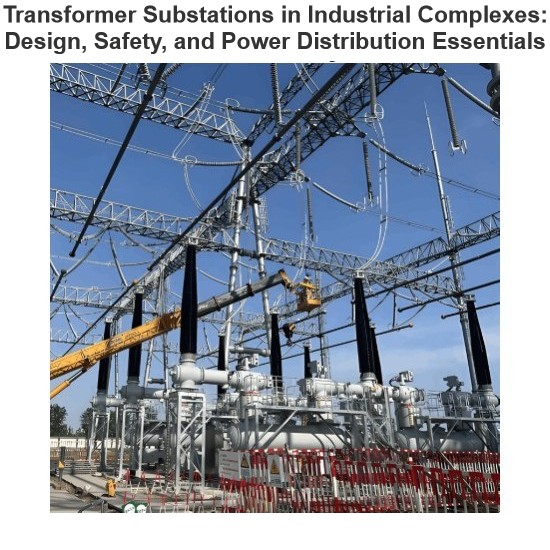
Transformer Substations in Industrial Complexes: Design, Safety, and Power Distribution Essentials
IntroductionWithin the intricate network of power distribution for industrial complexes, transformer substations stand as pivotal hubs. These facilities play a critical role in ensuring a stable, efficient, and safe electricity supply to power the diverse machinery and processes within industrial sites. In this blog post, we'll explore the realm of transformer substations, examining their design, functions, safety protocols, and their integral role in energizing industrial complexes.The Foundati
08/21/2025
Consult
Tip
Consult
Tip
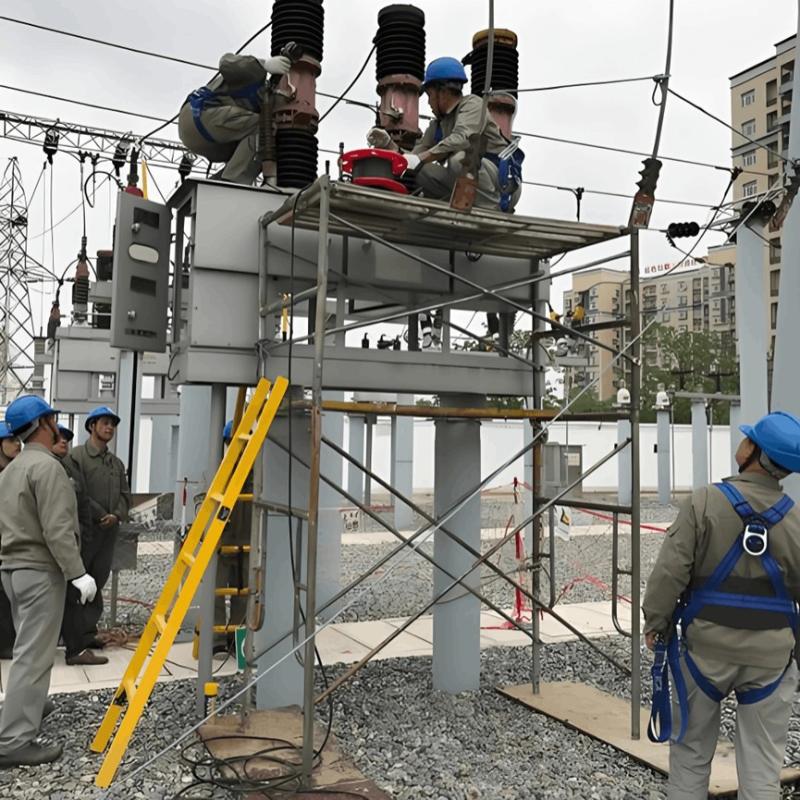
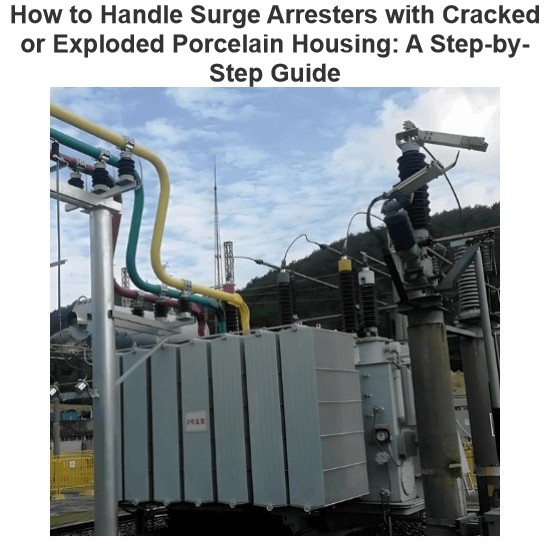
How to Handle Surge Arresters with Cracked or Exploded Porcelain Housing: A Step-by-Step Guide
How should a surge arrester with cracked or exploded porcelain housing be handled?Answer:Handling of Cracked Porcelain Housing: Under normal weather conditions, apply to the dispatcher to de-escalate and replace the damaged phase arrester with a qualified unit. If no spare parts are available, paint or epoxy resin may be applied to the crack to prevent moisture ingress, with replacement scheduled as soon as possible. During thunderstorms, avoid taking the arrester out of service if possible; def
08/14/2025
Consult
Tip
Consult
Tip
Send inquiry
+86
Click to upload file
Download
Get the IEE Business Application
Use the IEE-Business app to find equipment, obtain solutions, connect with experts, and participate in industry collaboration anytime, anywhere—fully supporting the development of your power projects and business.