• Product
  • Suppliers
  • Manufacturers
  • Solutions
  • Free tools
  • Knowledges
  • Experts
  • Communities
Search


Free Expert Guides on Power Systems, Circuit Design & Electrical Troubleshooting

Access free engineering resources from IEE Business—covering power design, circuit layout, equipment selection, and troubleshooting. Expert-developed guides help engineers, procurement, and project teams make better decisions. Stay ahead on smart grids, renewables, efficiency, and AI tools. Improve reliability, reduce downtime, and enhance outcomes with real-world solutions. Explore our knowledge hub today.
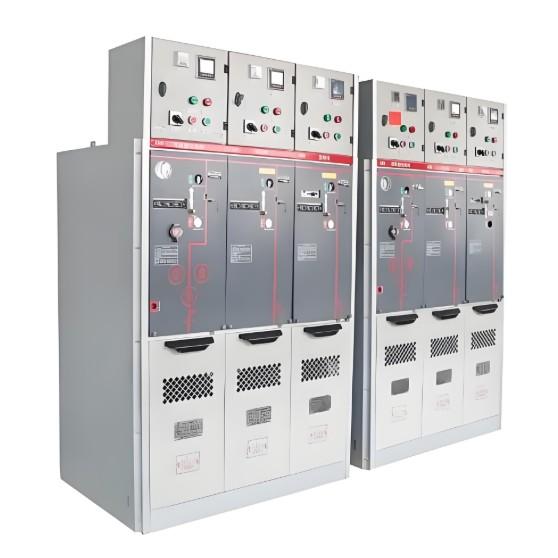
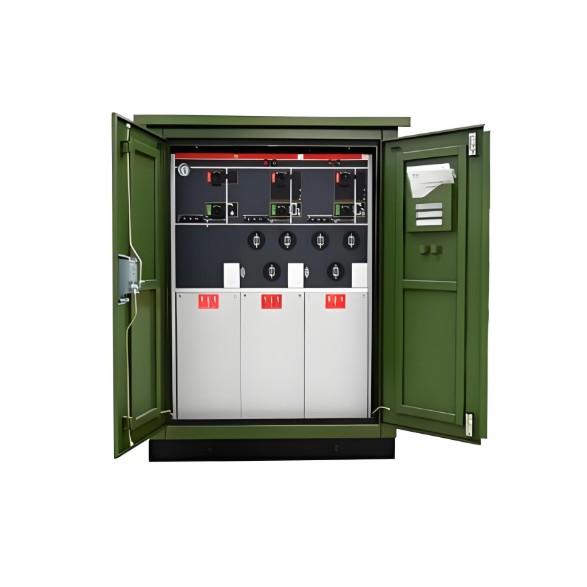
Research on Arcing and Interruption Characteristics of Eco-Friendly Gas-Insulated Ring Main Units
Eco-friendly gas-insulated ring main units (RMUs) are important power distribution equipment in electrical systems, featuring green, environmentally friendly, and high-reliability characteristics. During operation, arc formation and interruption characteristics significantly affect the safety of eco-friendly gas-insulated RMUs. Therefore, in-depth research on these aspects is of great significance for ensuring the safe and stable operation of power systems. This article aims to investigate the a
12/10/2025
Consult
Tip
Consult
Tip
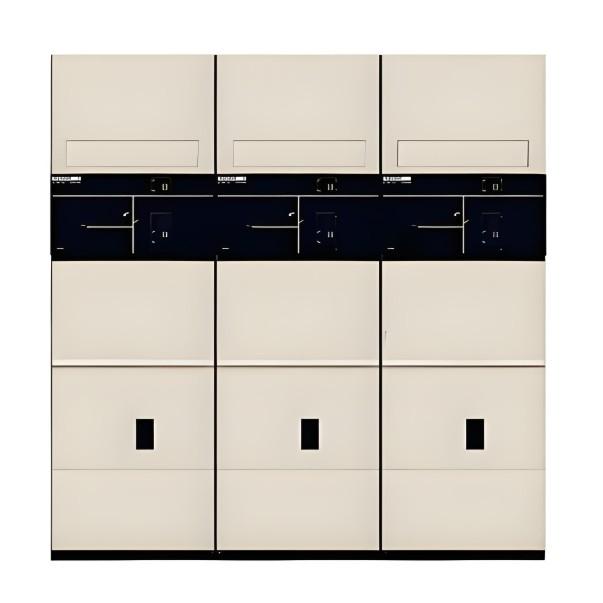
SF6 vs SF6 gas Free Ring Main Units: Key Differences
From the perspective of insulation performance, sulfur hexafluoride SF6 exhibits excellent insulating properties. Its dielectric strength is approximately 2.5 times that of air, effectively ensuring the insulation performance of electrical equipment under standard atmospheric pressure and ambient temperature. The new SF6 gas free gases used in SF6 gas-free switchgear—such as certain gas mixtures—can also meet insulation requirements, though their specific values vary depending on the formulation
12/10/2025
Consult
Tip
Consult
Tip
High-Voltage SF₆-Free Ring Main Unit: Adjustment of Mechanical Characteristics
(1) The contact gap is primarily determined by insulation coordination parameters, interruption parameters, contact material of the high-voltage SF₆-free ring main unit, and the design of the magnetic blowout chamber. In practical application, a larger contact gap is not necessarily better; instead, the contact gap should be adjusted as close as possible to its lower limit to reduce operating energy consumption and extend service life.(2) The determination of contact overtravel is related to fac
12/10/2025
Consult
Tip
Consult
Tip
How to Monitor Partial Discharge in RMUs Safely?
Insulation degradation in power equipment is generally caused by multiple factors. During operation, insulation materials (such as epoxy resin and cable terminations) gradually deteriorate due to thermal, electrical, and mechanical stresses, leading to the formation of voids or cracks. Alternatively, contamination and moisture—such as dust or salt deposition or high-humidity environments—can increase surface conductivity, triggering corona discharge or surface tracking. Additionally, lightning s
12/09/2025
Consult
Tip
Consult
Tip
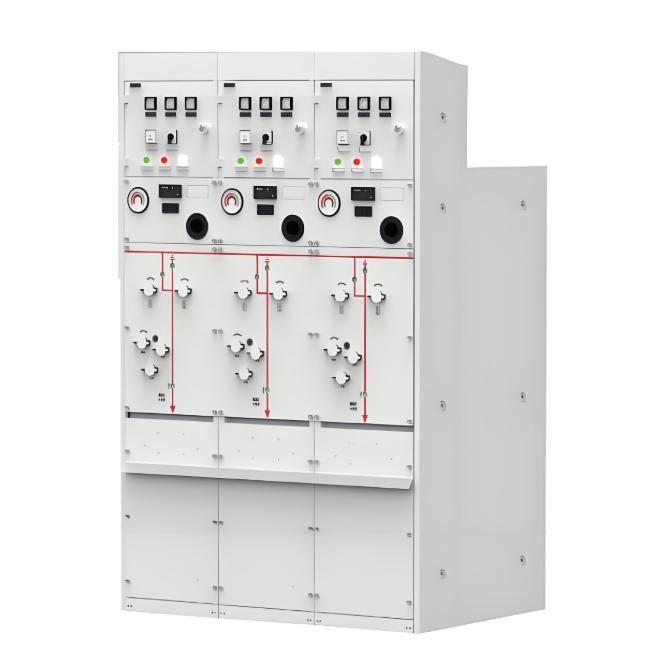
Smart RMU for Distribution Automation & Grid Control
Intelligent complete sets of electrical switchgear and intelligent controller products are essential components in the manufacturing of intelligent ring main units (RMUs). The intelligent integration of complete switchgear combines advanced manufacturing technologies with information technology, effectively enhancing the power grid’s capabilities in state awareness, data analysis, decision-making, control, and learning, thereby fully embodying the digital, networked, and intelligent development
12/09/2025
Consult
Tip
Consult
Tip
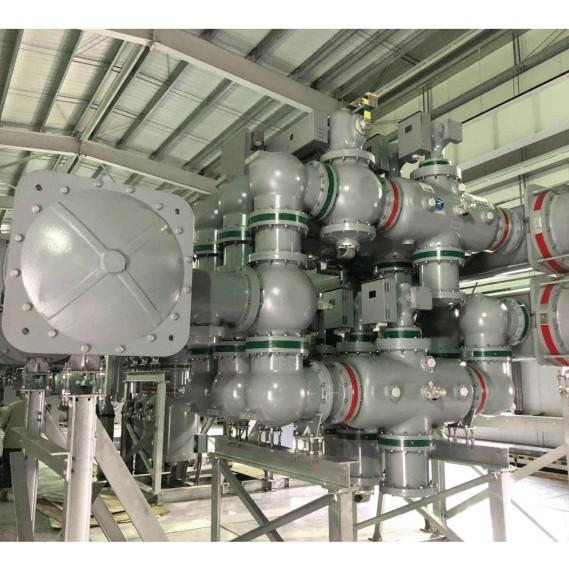
GIS Dual Grounding & Direct Grounding: State Grid 2018 Anti-Accident Measures
1. Regarding GIS, how should the requirement in Clause 14.1.1.4 of the State Grid’s "Eighteen Anti-Accident Measures" (2018 Edition) be understood?14.1.1.4: The neutral point of a transformer shall be connected to two different sides of the main mesh of the grounding grid via two grounding down conductors, and each grounding down conductor shall meet the thermal stability verification requirements. Main equipment and equipment structures shall each have two grounding down conductors connected to
12/05/2025
Consult
Tip
Consult
Tip
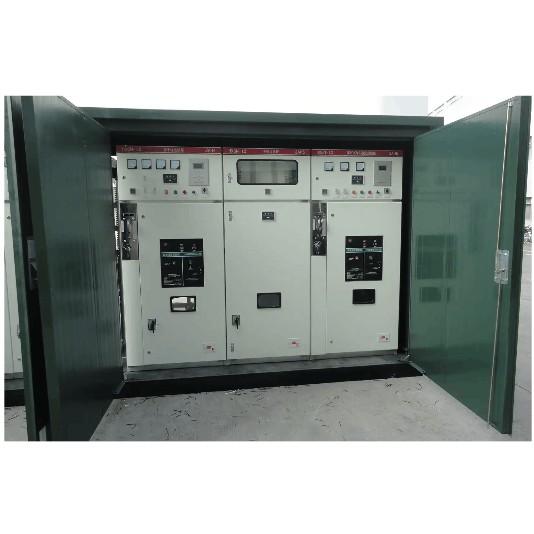
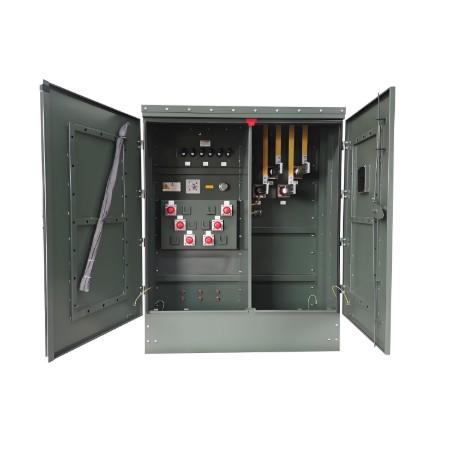
Functions and Specific Wiring Method of the Grounding Disconnect Switch for Pad-Mounted Transformers
The grounding disconnect switch of a pad-mounted transformer is a switching device used to isolate the pad-mounted transformer from the grounding cable. It is an essential component of pad-mounted transformer equipment and plays a critical role in protecting the safety of the transformer equipment. The grounding disconnect switch of a pad-mounted transformer serves important functions in grounding down leads, grounding switching, auxiliary grounding, and lightning protection.Its functions includ
12/04/2025
Consult
Tip
Consult
Tip
How Grounding Resistor Cabinets Protect Transformers?
In power systems, transformers, as core equipment, are critical to the safe operation of the entire grid. However, due to various reasons, transformers are often exposed to multiple threats. In such cases, the importance of grounding resistor cabinets becomes evident, as they provide indispensable protection for transformers.Firstly, grounding resistor cabinets can effectively protect transformers from lightning strikes. The instantaneous high voltage caused by lightning can severely damage tran
12/03/2025
Consult
Tip
Consult
Tip
Differences Between Linear Regulators, Switching Regulators, and Series Regulators
1.Linear Regulators vs. Switching RegulatorsA linear regulator requires an input voltage higher than its output voltage. It handles the difference between input and output voltages—known as the dropout voltage—by varying the impedance of its internal regulating element (such as a transistor).Think of a linear regulator as a precise “voltage control expert.” When faced with excessive input voltage, it decisively “acts” by “cutting off” the portion exceeding the desired output level, ensuring the
12/02/2025
Consult
Tip
Consult
Tip
Adjustment Test Operation and Precautions of High-Voltage Power Distribution Cabinets in Power Systems
1. Key Points for Debugging High-Voltage Power Distribution Cabinets in Power Systems1.1 Voltage ControlDuring the debugging of high-voltage power distribution cabinets, voltage and dielectric loss show an inverse relationship. Insufficient detection accuracy and large voltage errors will lead to increased dielectric loss, higher resistance, and leakage. Therefore, it is necessary to strictly control the resistance under low-voltage conditions, analyze current and resistance values, and avoid ex
11/26/2025
Consult
Tip
Consult
Tip
Send inquiry
+86
Click to upload file
Download
Get the IEE Business Application
Use the IEE-Business app to find equipment, obtain solutions, connect with experts, and participate in industry collaboration anytime, anywhere—fully supporting the development of your power projects and business.