• Product
  • Suppliers
  • Manufacturers
  • Solutions
  • Free tools
  • Knowledges
  • Experts
  • Communities
Search


Free Expert Guides on Power Systems, Circuit Design & Electrical Troubleshooting

Access free engineering resources from IEE Business—covering power design, circuit layout, equipment selection, and troubleshooting. Expert-developed guides help engineers, procurement, and project teams make better decisions. Stay ahead on smart grids, renewables, efficiency, and AI tools. Improve reliability, reduce downtime, and enhance outcomes with real-world solutions. Explore our knowledge hub today.
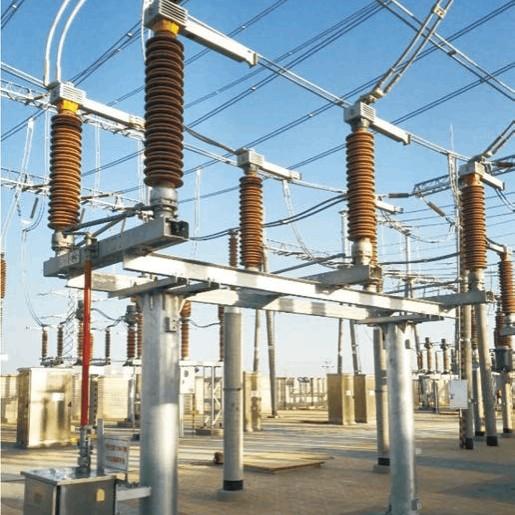
Impact Analysis of GIS Disconnector Operations on Secondary Equipment
Impact of GIS Disconnector Operations on Secondary Equipment and Mitigation Measures1.Impacts of GIS Disconnector Operations on Secondary Equipment 1.1Transient Overvoltage Effects During opening/closing operations of Gas-Insulated Switchgear (GIS) disconnectors, repeated arc reignition and extinction between contacts cause energy exchange between system inductance and capacitance, generating switching overvoltages with magnitudes 2–4 times the rated phase voltage and durations ranging from tens
11/15/2025
Consult
Tip
Consult
Tip
A Brief Analysis of Maintenance and Management of High-Voltage Disconnectors
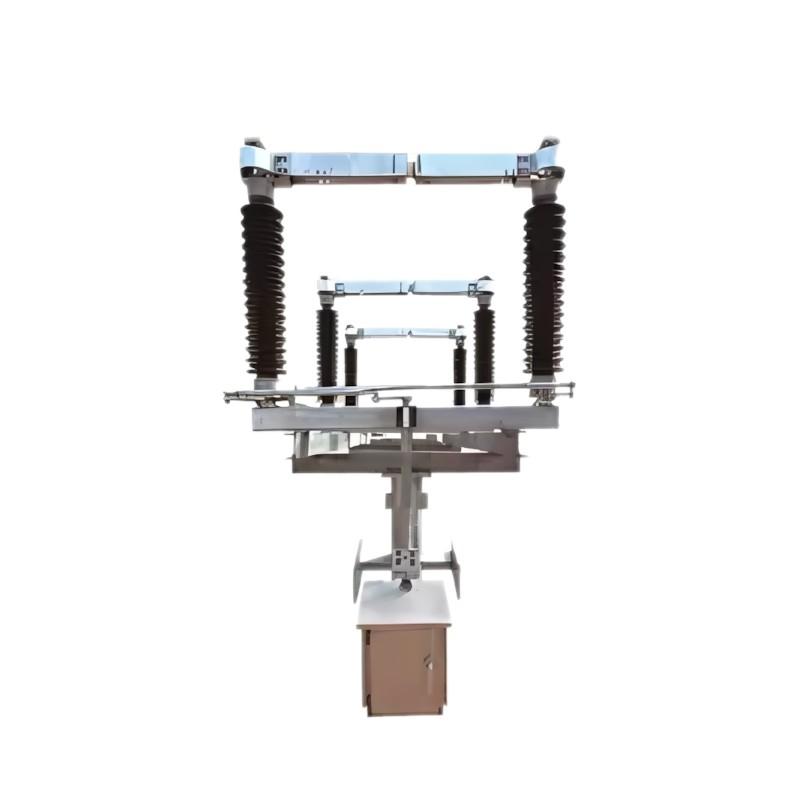
High-voltage disconnectors are widely used in China’s power systems due to their convenient operation and strong practicality. However, during long-term operation, serious faults such as insulator fracture and failure to open/close still occur, significantly impacting the normal operation of power systems [1]. Based on this, this paper analyzes common faults of high-voltage disconnectors during operation and proposes corresponding solutions based on actual working conditions to improve managemen
11/15/2025
Consult
Tip
Consult
Tip
A Brief Discussion on the Retrofit and Application of Stationary Contacts in 220 kV Outdoor High-Voltage Disconnectors
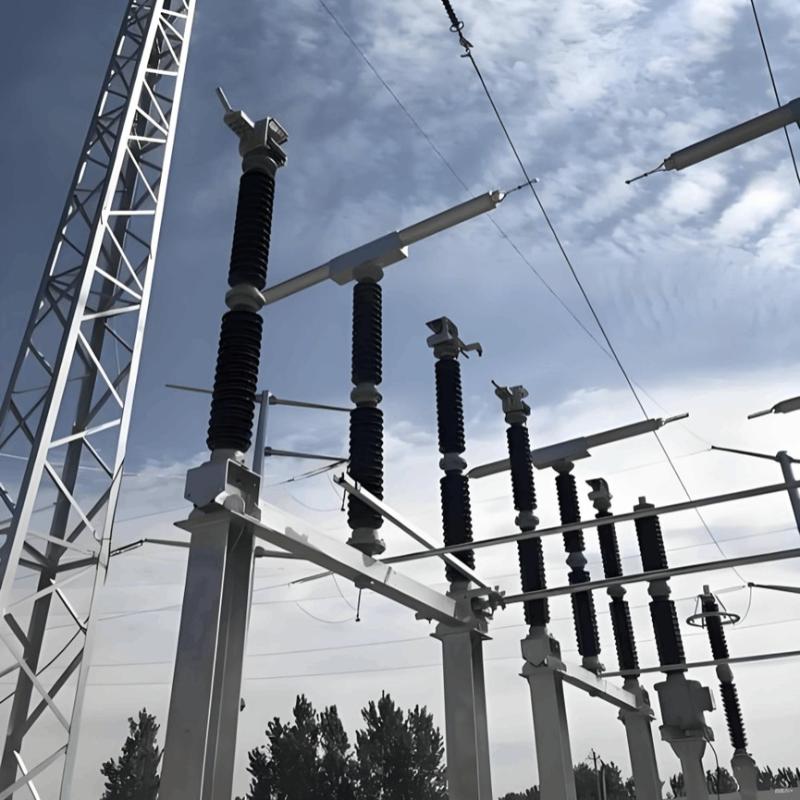
The disconnector is the most widely used type of high-voltage switching equipment. In power systems, high-voltage disconnectors are high-voltage electrical devices used in coordination with high-voltage circuit breakers to perform switching operations. They play a critical role during normal power system operation, switching operations, and substation maintenance. Due to their frequent operation and high reliability requirements, disconnectors significantly impact the design, construction, and s
11/14/2025
Consult
Tip
Consult
Tip
Abnormal Operation and Handling of High-Voltage Circuit Breakers and Disconnectors
Common Faults of High-Voltage Circuit Breakers and Mechanism Pressure LossCommon faults of high-voltage circuit breakers themselves include: failure to close, failure to trip, false closing, false tripping, three-phase asynchronism (contacts not closing or opening simultaneously), damage to the operating mechanism or pressure drop, oil spraying or explosion due to insufficient interrupting capacity, and phase-selective circuit breakers failing to operate according to the commanded phase."Circuit
11/14/2025
Consult
Tip
Consult
Tip
Infrared temperature sensors applied in temperature monitoring of high-voltage switchgear contacts
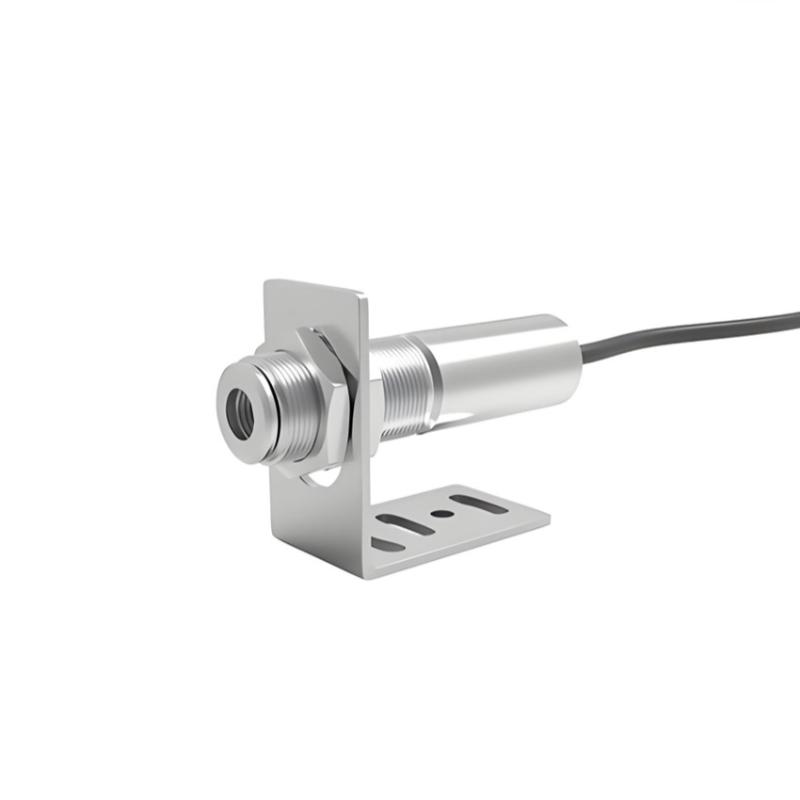
High-voltage switchgear refers to electrical equipment operating within a voltage range of 3.6 kV to 550 kV, used in power generation, transmission, distribution, energy conversion, and consumption systems for switching, control, or protection purposes. It primarily includes high-voltage circuit breakers, high-voltage disconnectors and earthing switches, high-voltage load switches, high-voltage auto-reclosers and sectionalizers, high-voltage operating mechanisms, high-voltage explosion-proof swi
11/14/2025
Consult
Tip
Consult
Tip
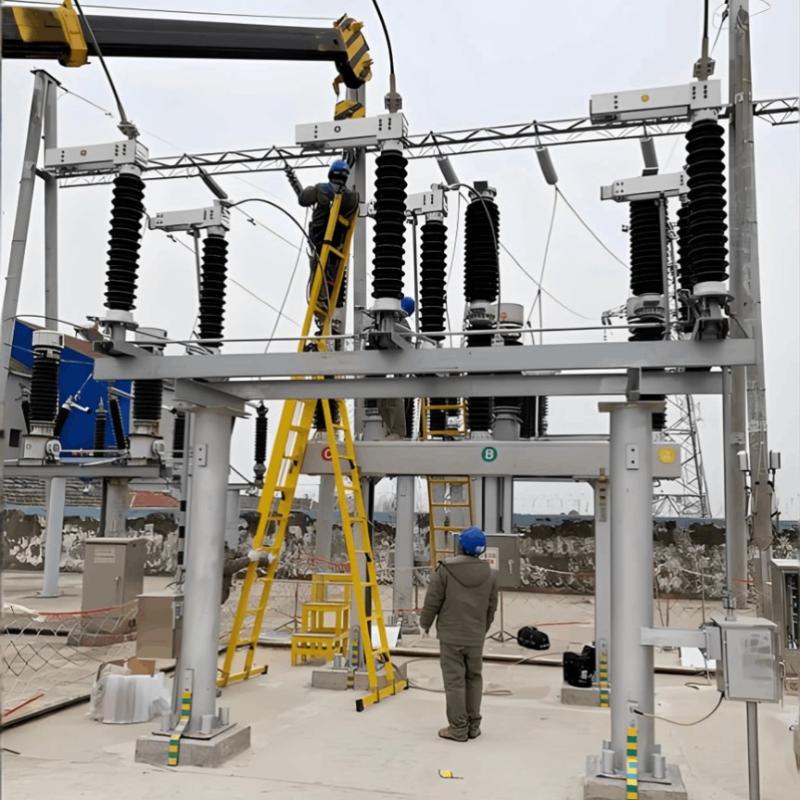
Development of a Lifting Device for High-Voltage Disconnectors in Complex Environments
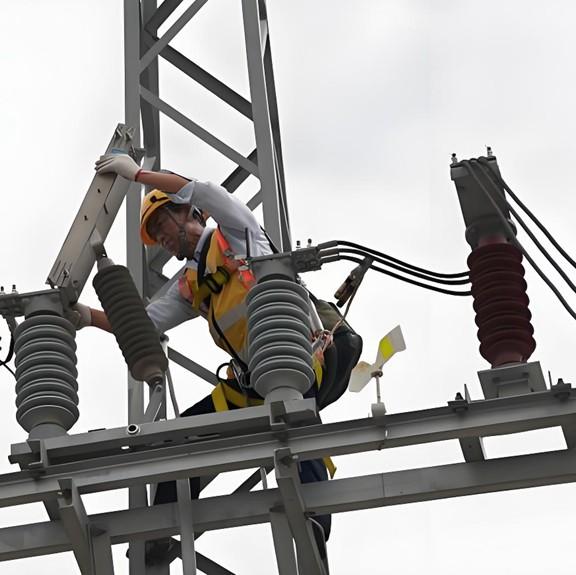
In power systems, high-voltage disconnectors in substations have suffered from aging infrastructure, severe corrosion, increasing defects, and insufficient current-carrying capacity of the main conductive circuit, significantly compromising power supply reliability. There is an urgent need to carry out technical retrofits on these long-in-service disconnectors. During such retrofits, to avoid interrupting customer power supply, the common practice is to place only the retrofit bay under maintena
11/13/2025
Consult
Tip
Consult
Tip
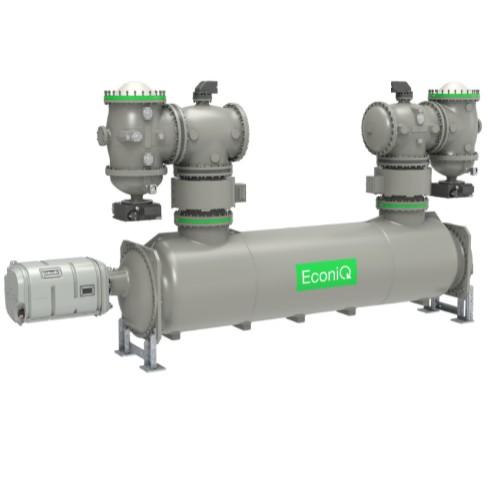
Hitachi Energy to deliver the world’s first 550kV SF6-free eco-efficient GIS.
Hitachi Energy recently announced it will supply State Grid Corporation of China’s Central China Branch with the world’s first 550 kV SF₆-free GIS. This groundbreaking innovation marks a significant milestone in grid decarbonization and contributes to China’s commitment to achieving carbon neutrality by 2060.State Grid Corporation of China is the world’s largest power grid operator, serving 88% of China’s territory and over 1.1 billion people. As a leader in the energy sector, State Grid activel
11/13/2025
Consult
Tip
Consult
Tip
Corrosion and Protective Practices of High-Voltage Disconnectors
High-voltage disconnectors are extremely widely used, and therefore people pay great attention to potential problems that may arise with them. Among various faults, corrosion of high-voltage disconnectors is a major concern. In light of this situation, this article analyzes the composition of high-voltage disconnectors, types of corrosion, and faults caused by corrosion. It also investigates the causes of disconnector corrosion and studies theoretical foundations and practical techniques for cor
11/13/2025
Consult
Tip
Consult
Tip
Faults and Handling Measures for 220 kV Outgoing Circuit Breakers and Disconnectors
1. Significance of Enhancing Fault Handling for 220 kV Outgoing Circuit Breakers and Disconnectors220 kV transmission lines are highly efficient and energy-saving high-voltage power transmission systems that significantly benefit daily life. A fault in a circuit breaker can severely compromise the safety and reliability of the entire power grid. As critical components of high-voltage transmission systems, circuit breakers and disconnectors play essential roles in power flow control and fault pro
11/13/2025
Consult
Tip
Consult
Tip
Why Do Disconnectors Overheat? Diagnosis & Fixes
Causes of Heating in Disconnectors Incomplete closing: This significantly reduces the current-carrying cross-sectional area, leading to increased contact resistance. Loose fasteners or degraded springs: Corrosion or overheating of the blade or contact springs reduces spring pressure; improper operating force may also cause misalignment of contact surfaces. Poor contact closure: Results in oxidation and contamination of contact surfaces; contacts may also be damaged by arcing during operation, an
11/13/2025
Consult
Tip
Consult
Tip
Send inquiry
+86
Click to upload file
Download
Get the IEE Business Application
Use the IEE-Business app to find equipment, obtain solutions, connect with experts, and participate in industry collaboration anytime, anywhere—fully supporting the development of your power projects and business.