• Product
  • Suppliers
  • Manufacturers
  • Solutions
  • Free tools
  • Knowledges
  • Experts
  • Communities
Search


Free Expert Guides on Power Systems, Circuit Design & Electrical Troubleshooting

Access free engineering resources from IEE Business—covering power design, circuit layout, equipment selection, and troubleshooting. Expert-developed guides help engineers, procurement, and project teams make better decisions. Stay ahead on smart grids, renewables, efficiency, and AI tools. Improve reliability, reduce downtime, and enhance outcomes with real-world solutions. Explore our knowledge hub today.
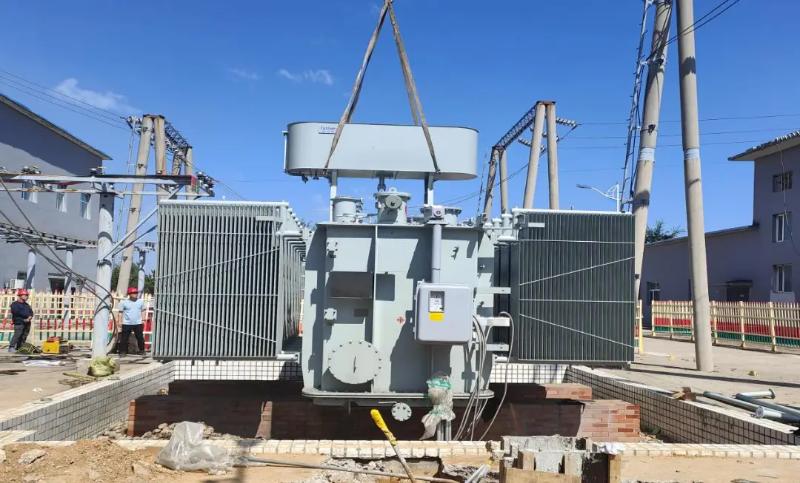
7 Key Steps to Ensure Safe and Reliable Installation of Large Power Transformers
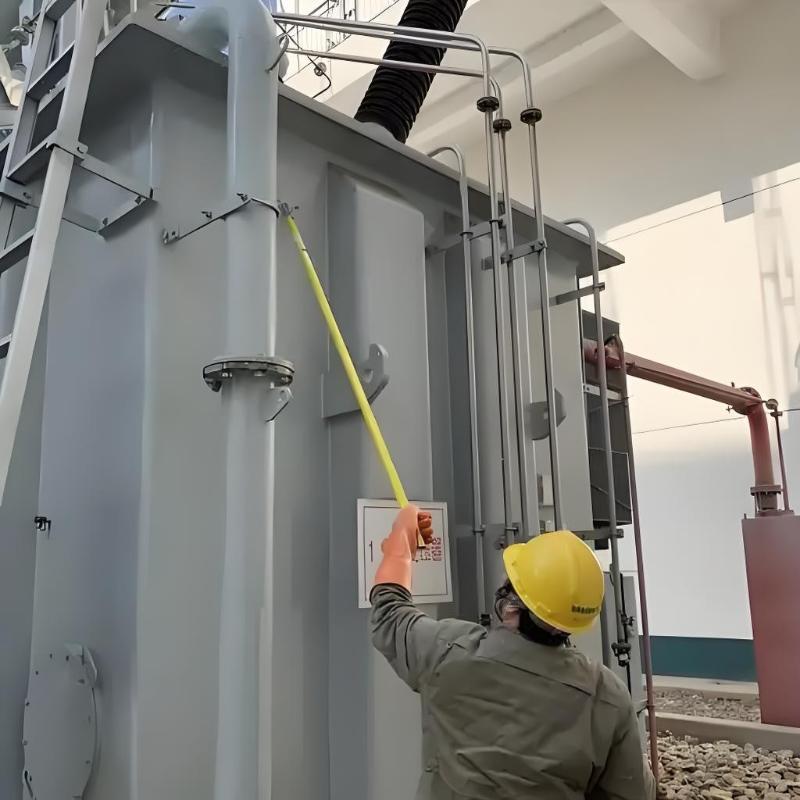
1. Maintaining and Restoring the Factory Insulation ConditionWhen a transformer undergoes factory acceptance tests, its insulation condition is at its optimal state. Thereafter, the insulation condition tends to deteriorate, and the installation phase may be a critical period for sudden degradation. In extreme cases, the dielectric strength may drop to the point of failure, leading to coil burnout immediately upon energization. Under normal circumstances, poor installation quality leaves behind
10/29/2025
Consult
Tip
Consult
Tip
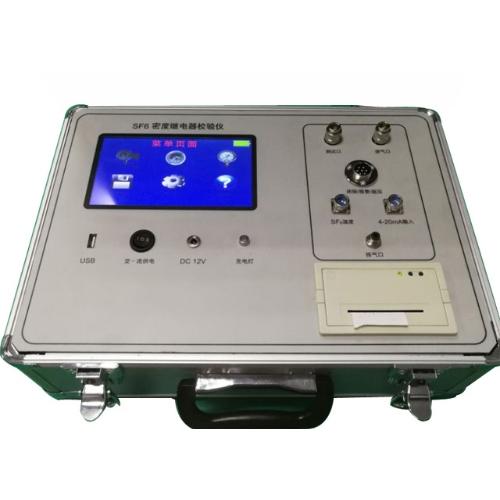
On-Site Testing of SF6 Gas Density Relays: Relevant Issues
IntroductionSF6 gas is widely used as an insulating and arc-quenching medium in high-voltage and extra-high-voltage electrical equipment due to its excellent insulation, arc-extinguishing properties, and chemical stability. The insulation strength and arc-quenching capability of electrical equipment depend on the density of SF6 gas. A decrease in SF6 gas density can lead to two main hazards: Reduced dielectric strength of the equipment; Decreased interrupting capacity of circuit breakers.Additio
10/27/2025
Consult
Tip
Consult
Tip
Can X-ray Technology Detect Hidden Switchgear Defects?
Advancing Power Equipment Diagnostics: The Role of X-ray Digital ImagingWith continuous advancements in power grid equipment research and manufacturing, an increasing number of new devices are being integrated into power systems. As a result, effective monitoring of in-service equipment has become critically important for ensuring grid reliability and safety.The introduction and successful application of X-ray digital imaging technologies—specifically Computed Radiography (CR) and Digital Radiog
10/24/2025
Consult
Tip
Consult
Tip
On-Line Testing for Surge Arresters Below 110kV: Safe and Efficient
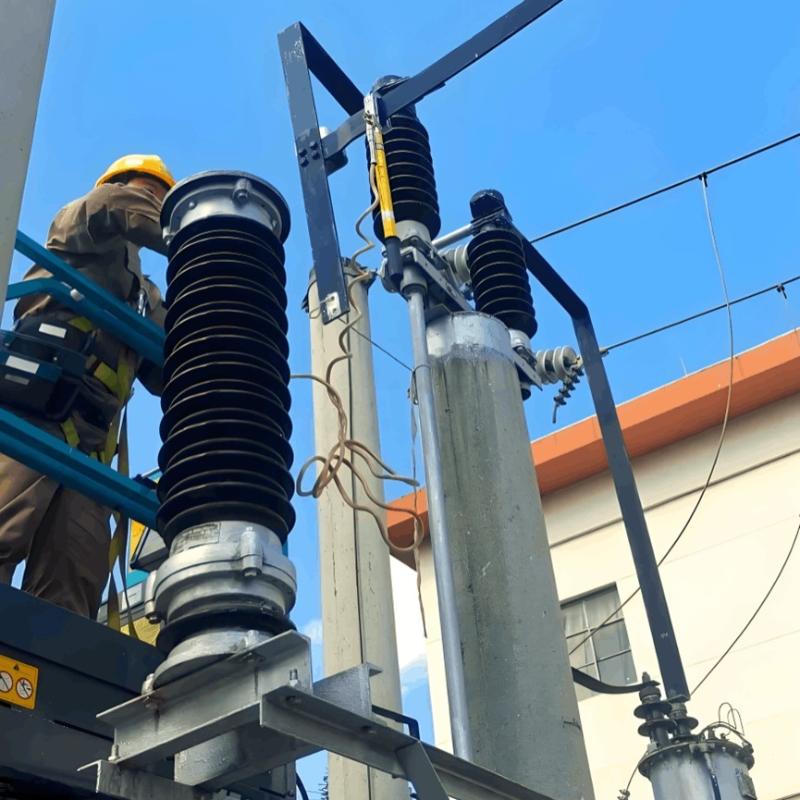
An On-Line Testing Method for Surge Arresters at 110kV and BelowIn power systems, surge arresters are critical components that protect equipment from lightning overvoltage. For installations at 110kV and below—such as 35kV or 10kV substations—an on-line testing method effectively avoids the economic losses associated with power outages. The core of this method lies in using online monitoring technology to evaluate arrester performance without interrupting system operation.The test principle is b
10/23/2025
Consult
Tip
Consult
Tip
Comprehensive Guide to Transformer Fault Diagnosis & Testing
Optimized Guide to Transformer Fault Diagnosis and Advanced Testing TechniquesTransformers are core components in power systems, and their operational reliability directly impacts power supply safety. Common types include oil-immersed and dry-type transformers. Failures typically occur in the windings, core, connections, and insulation oil, with typical issues such as inter-turn short circuits, insulation aging, overheated joints, and multi-point core grounding.1. Common Fault IndicatorsImmediat
10/20/2025
Consult
Tip
Consult
Tip
4 Transformer Inspection Methods: Visual, Olfactory, Tactile & Auditory Checks
Common Transformer Inspection Methods for Safe & Reliable OperationTransformers are essential electrical devices that transfer energy between circuits by electromagnetic induction, stepping voltage up or down to minimize power losses during transmission. For instance, industrial plants often receive electricity at 10 kV, which is then stepped down via transformers to usable low-voltage levels.To ensure transformers operate safely and efficiently, regular inspection is critical. Below are fou
10/20/2025
Consult
Tip
Consult
Tip
Vacuum Circuit Breaker Withstand Voltage Test Guide
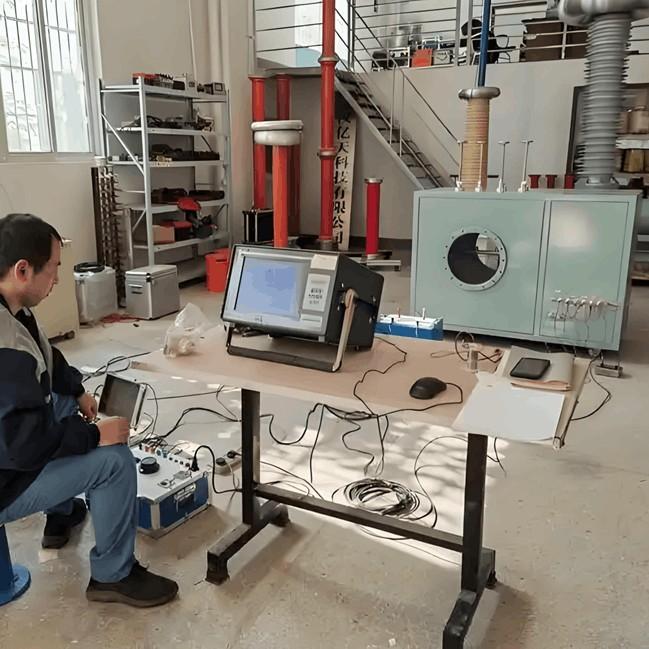
Insulation Withstand Voltage Test Standards for Vacuum Circuit BreakersThe main purpose of the insulation withstand voltage test for vacuum circuit breakers is to verify whether the insulation performance of the equipment under high voltage is qualified, and to prevent breakdown or flashover accidents during operation. The test process must be strictly carried out in accordance with power industry standards to ensure equipment safety and power supply reliability.Test ObjectsThe test objects incl
10/18/2025
Consult
Tip
Consult
Tip
How to Test Vacuum in Vacuum Circuit Breakers
Vacuum Integrity Testing of Circuit Breakers: A Critical Measure for Performance EvaluationVacuum integrity testing is a key method for assessing the vacuum performance of circuit breakers. This test effectively evaluates the insulation and arc-quenching capabilities of the breaker.Before testing, ensure the circuit breaker is properly installed and correctly connected. Common vacuum measurement methods include the high-frequency method and the magnetic control discharge method. The high-frequen
10/16/2025
Consult
Tip
Consult
Tip
What Are Key Circuit Breaker Mechanical Tests?
High-Voltage Circuit Breaker Characteristic Tests: Methods and PrecautionsHigh-voltage circuit breaker characteristic tests are essential for verifying the mechanical integrity, electrical performance, and protective logic of switchgear. These tests include mechanical characteristics measurement, main loop resistance testing, anti-pumping function verification, and non-full-phase protection testing. Proper execution ensures reliable operation under normal and fault conditions.1. Pre-Test Prepara
10/16/2025
Consult
Tip
Consult
Tip
Ensure Hybrid System Reliability with Full Production Testing
Production Testing Procedures and Methods for Wind-Solar Hybrid SystemsTo ensure the reliability and quality of wind-solar hybrid systems, several critical tests must be conducted during production. Wind turbine testing primarily includes output characteristic testing, electrical safety testing, and environmental adaptability testing. Output characteristic testing requires measuring voltage, current, and power under varying wind speeds, plotting wind-power curves, and calculating power generatio
10/15/2025
Consult
Tip
Consult
Tip
Send inquiry
+86
Click to upload file
Download
Get the IEE Business Application
Use the IEE-Business app to find equipment, obtain solutions, connect with experts, and participate in industry collaboration anytime, anywhere—fully supporting the development of your power projects and business.