• Product
  • Suppliers
  • Manufacturers
  • Solutions
  • Free tools
  • Knowledges
  • Experts
  • Communities
Search


Free Expert Guides on Power Systems, Circuit Design & Electrical Troubleshooting

Access free engineering resources from IEE Business—covering power design, circuit layout, equipment selection, and troubleshooting. Expert-developed guides help engineers, procurement, and project teams make better decisions. Stay ahead on smart grids, renewables, efficiency, and AI tools. Improve reliability, reduce downtime, and enhance outcomes with real-world solutions. Explore our knowledge hub today.
What is Parallel Operation of Transformers?
What is Parallel Operation of Transformers?Parallel Operation DefinedParallel operation of transformers is when multiple transformers are connected to increase system reliability, efficiency, and flexibility.Maximizing EfficiencyEfficient parallel operation is achieved by activating only the transformers necessary to meet current demands, optimizing energy use.Maintenance and ReliabilityParallel operation allows for maintenance without service interruptions and enhances reliability by providing
08/06/2024
Consult
Tip
Consult
Tip
What is Voltage Regulation of Transformer?
What is Voltage Regulation of Transformer?Voltage Regulation DefinitionVoltage regulation is a measure of the voltage change between no load and full load in electrical components, including transformers.Transformer Voltage DropWhen a transformer is loaded, the secondary terminal voltage drops due to impedance, causing a difference from the no-load voltage.Voltage Regulation FormulaThe voltage regulation of a transformer is calculated as a percentage using the formula involving load and impedanc
08/06/2024
Consult
Tip
Consult
Tip
What is a  Shell Type Transformer?
What is a Shell Type Transformer?Shell Type Transformer DefinitionA shell type transformer is defined as a transformer with a magnetic core using ‘E’ and ‘L’ shaped laminations.Core StructureThe core has three limbs, with the central limb carrying all the flux and side limbs half the flux, enhancing strength and protection.Winding DesignHV and LV windings are alternately wound around the core, needing less conductor but more insulation.Cooling SystemRequires forced air and/or oil cooling to diss
08/06/2024
Consult
Tip
Consult
Tip
What is Transformer Rating?
What is Transformer Rating?Transformer Rating DefinitionTransformer rating is defined as the voltage and current specified for operation, expressed in VA (Volt-Amps).Importance of CoolingThe effectiveness of the cooling system impacts the transformer’s rating, with better cooling allowing a higher rating.Loss Types Constant losses or core losses – These depend on V Variable losses or ohmic (I2R) losses – These depend on IPower Factor IndependenceThe transformer’s rating in kVA is independent of
08/06/2024
Consult
Tip
Consult
Tip
What is a Single Phase Transformer?
What is a Single Phase Transformer?Single Phase Transformer DefinitionA single phase transformer is defined as a device that operates on single-phase power to transfer electrical energy between circuits via electromagnetic induction.Working PrincipleThe AC voltage source injects current into the primary winding, creating an alternating magnetic field that induces voltage in the secondary winding.ComponentsMain parts include a magnetic iron core and copper windings, with essential insulation to p
08/06/2024
Consult
Tip
Consult
Tip
What is an Ideal Transformer?
What is an Ideal Transformer?Ideal Transformer DefinitionAn ideal transformer is defined as a theoretical transformer with 100% efficiency and no losses.Core and Copper LossesIn an ideal transformer, there are no core losses or copper losses, ensuring perfect efficiency.Purely Inductive WindingsThe windings are considered purely inductive, meaning they have no resistance, which is key to the ideal model.Magnetizing CurrentThe primary winding draws a magnetizing current that creates an alternatin
08/06/2024
Consult
Tip
Consult
Tip
What is a Core Transformer?
What is a Core Transformer?Core Type Transformer DefinitionA core type transformer is defined as a transformer with a rectangular magnetic core and cylindrical windings, primarily used for efficient electrical power transformation.Construction DetailsIt features laminated silicon steel sheets in the core to reduce energy loss and concentric windings to facilitate effective power distribution.Voltage AdjustmentEquipped with tap changers, it allows flexibility in voltage output to adapt to differe
08/06/2024
Consult
Tip
Consult
Tip
What are the Types of Electrical Machines?
What are the Types of Electrical Machines?Electrical Machines OverviewElectrical machines are devices like transformers, generators, and motors that either convert electricity to mechanical power or vice versa.TransformersA transformer transfers electrical energy between two circuits without changing the frequency, crucial for regulating voltage levels in power distribution.Transformers Types Step up transformer Step down transformerGeneratorsGenerators convert mechanical energy to electrical en
08/06/2024
Consult
Tip
Consult
Tip
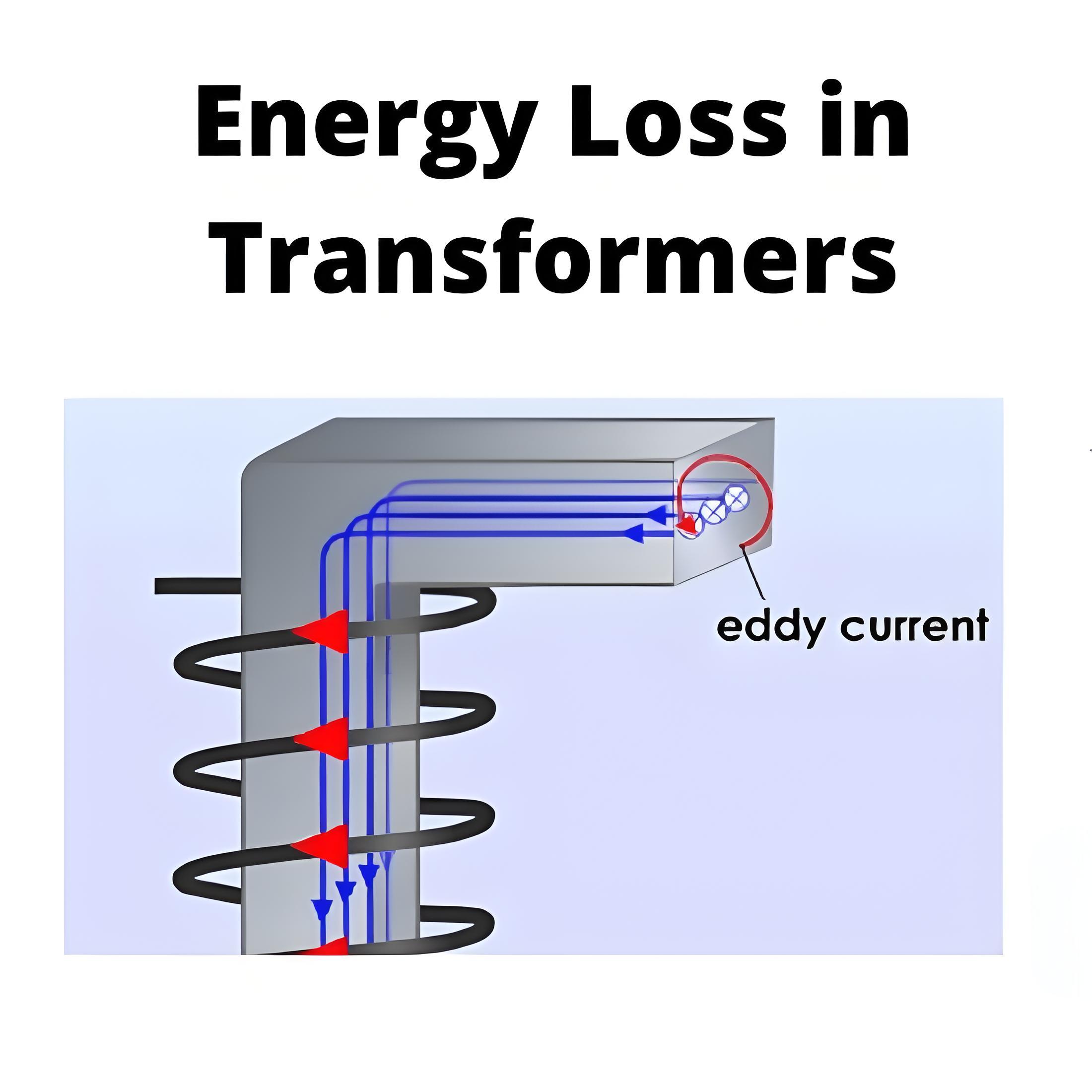
Energy  Loss in Transformers
Definition of Transformer LossesLosses in a transformer include electrical losses such as core losses and copper losses, which are the difference between input and output power.Copper Loss in TransformerCopper loss is the I²R loss occurring in the primary and secondary windings of the transformer, depending on the load.Core Losses in TransformerCore losses, also known as iron losses, are fixed and do not vary with the load, depending on the core material and design.Kh = Hysteresis constant.Ke =
08/06/2024
Consult
Tip
Consult
Tip
 Transformer Equivalent Circuit
Equivalent Circuit DefinitionAn equivalent circuit of a transformer is a simplified model used to calculate impedance, resistance, and leakage reactance.Primary Side Equivalent CircuitTo draw the equivalent circuit referred to the primary side, use the general equivalent circuit and modify it for primary side calculations.Excitation BranchThe primary current splits into no-load and load components, requiring a parallel path in the equivalent circuit known as the excitation branch.Approximate Equ
08/06/2024
Consult
Tip
Consult
Tip
Send inquiry
+86
Click to upload file
Download
Get the IEE Business Application
Use the IEE-Business app to find equipment, obtain solutions, connect with experts, and participate in industry collaboration anytime, anywhere—fully supporting the development of your power projects and business.