• Product
  • Suppliers
  • Manufacturers
  • Solutions
  • Free tools
  • Knowledges
  • Experts
  • Communities
Search


Free Expert Guides on Power Systems, Circuit Design & Electrical Troubleshooting

Access free engineering resources from IEE Business—covering power design, circuit layout, equipment selection, and troubleshooting. Expert-developed guides help engineers, procurement, and project teams make better decisions. Stay ahead on smart grids, renewables, efficiency, and AI tools. Improve reliability, reduce downtime, and enhance outcomes with real-world solutions. Explore our knowledge hub today.
Electric Current: What is it?
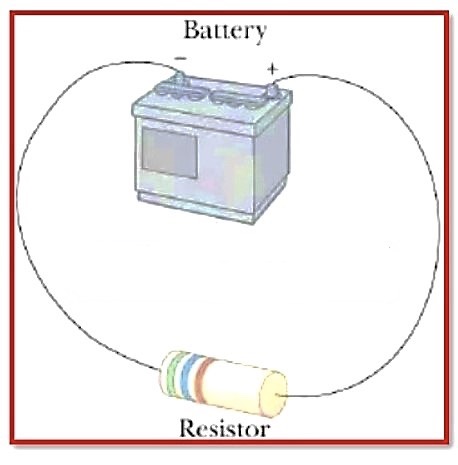
What is Electric Current?Electric current is defined as a stream of charged particles—such as electrons or ions—moving through an electrical conductor or space. It is the flow rate of electric charge through a conducting medium with respect to time. Electric current is expressed mathematically (e.g. in formulas) using the symbol “I” or “i”. The unit for current is is ampere or amp. This is represented by A.Mathematically, the flow rate of charge with respect to time can be expressed as,In other
03/08/2024
Consult
Tip
Consult
Tip
Moore’s Law
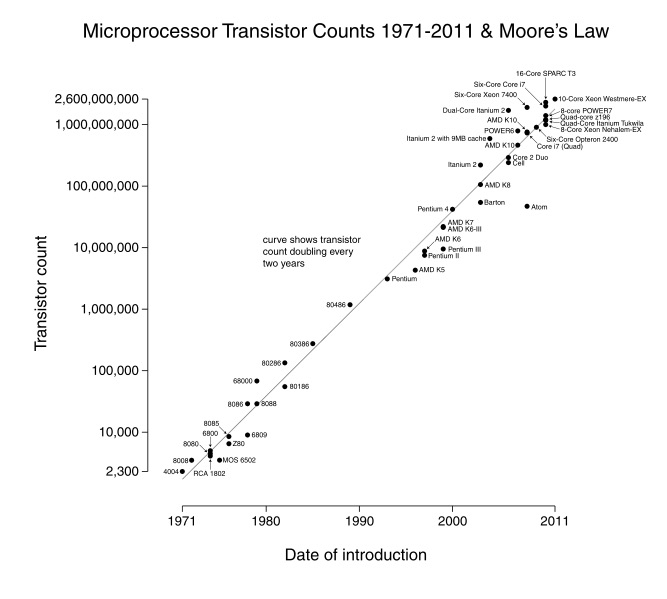
Moore’s Law is a prediction made by Gordon Moore, co-founder of the technology company Intel, in 1965 that the number of transistors on a microchip would double approximately every two years. This prediction has proven to be remarkably accurate, and has served as a driving force in the rapid development of the technology industry for more than 50 years. Moore’s Law is based on the idea that the number of transistors that can be placed on a microchip will increase exponentially over time, as the
03/08/2024
Consult
Tip
Consult
Tip
RMS Voltage: What it is? (Formula And How To Calculate It)
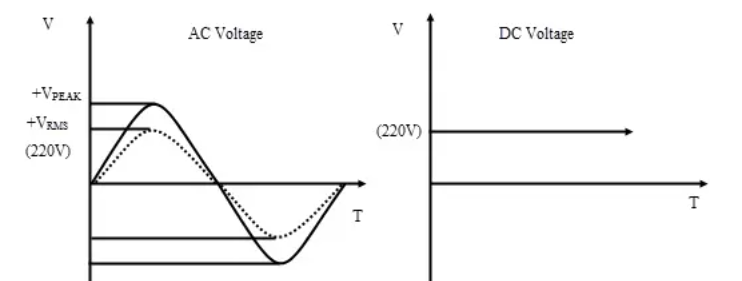
What is RMS Voltage?The word RMS stands for Root Mean Square. An RMS voltage is defined as the square root of the mean square of instantaneous values of the voltage signal. The RMS is also known as the quadratic mean. RMS voltage can also be defined for a continuously varying voltage in terms of an integral of the squares of the instantaneous values during a cycle.The RMS value is most important in the case of an AC signal. Because the instantaneous value of an AC signal varies continuously with
03/08/2024
Consult
Tip
Consult
Tip
The Seebeck Effect
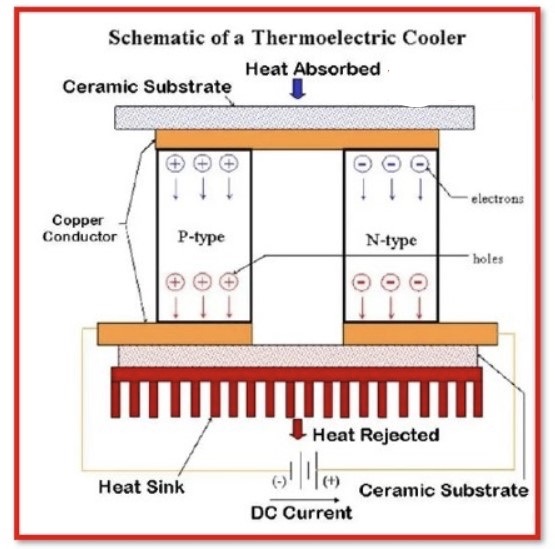
The Seebeck effect is a phenomenon in which a voltage is generated between the ends of a conductor when the temperature at one end is different from the temperature at the other end. It is named after the German physicist Thomas Johann Seebeck, who first described it in the early 19th century.Define The Seebeck effect?The Seebeck effect is based on the fact that the movement of charge carriers, such as electrons, in a conductor generates heat. When a temperature difference is applied across a co
03/08/2024
Consult
Tip
Consult
Tip
Ohm’s Law: How it Works (Formula and Ohm’s Law Triangle)
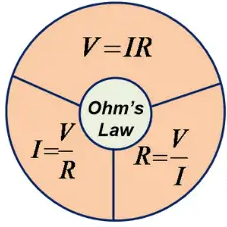
What is Ohm’s Law?Ohm’s law states that the electrical current flowing through any conductor is directly proportional to the potential difference (voltage) between its ends, assuming the physical conditions of the conductor do not change.In other words, the ratio of potential difference between any two points of a conductor to the current flowing between them is constant, provided the physical conditions (e.g., temperature etc.) do not change.Mathematically, Ohm’s law can be expressed as,Introdu
03/08/2024
Consult
Tip
Consult
Tip
Mechanical Equivalent of Heat
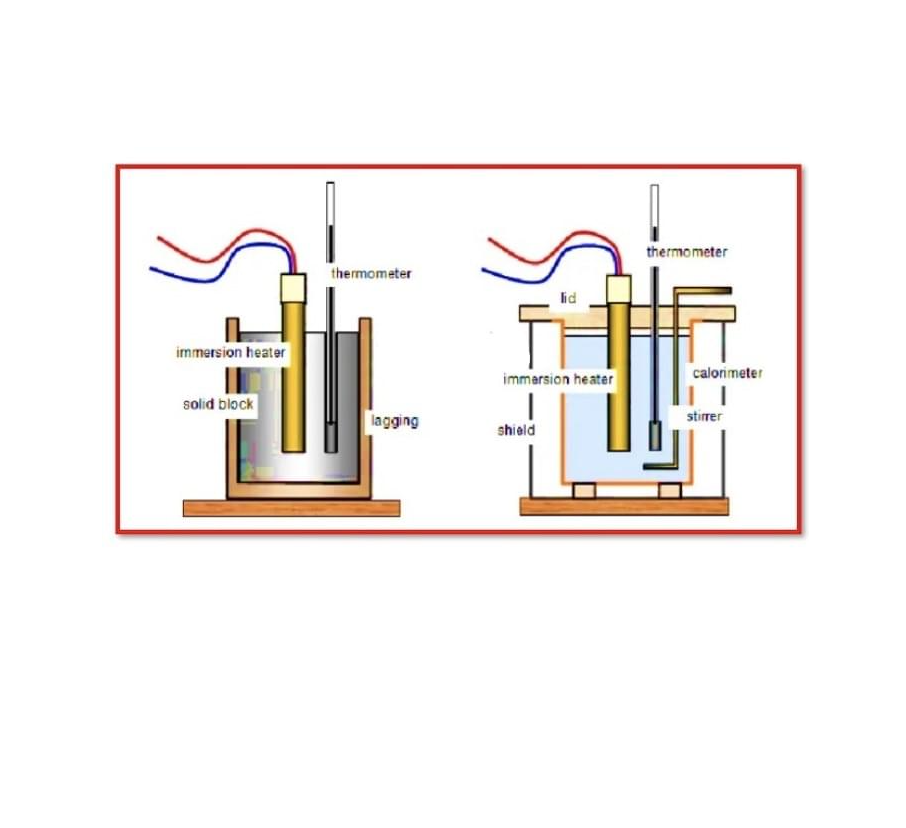
The mechanical equivalent of heat is the amount of mechanical work required to produce a given amount of heat. It is a fundamental principle in thermodynamics that relates the two physical quantities of heat and work.The concept of the mechanical equivalent of heat was first proposed by the French scientist Sadi Carnot in the early 19th century, and was later refined by James Joule and other scientists. It states that a given amount of heat can be converted into an equivalent amount of mechanica
03/08/2024
Consult
Tip
Consult
Tip
DC Circuit Rule
DC Circuit Rule is a principle in electrical engineering that describes the relationship between the current, voltage, and resistance in a direct current (DC) circuit. It states that the current through a conductor between two points is directly proportional to the voltage across the two points, and inversely proportional to the resistance between them. This relationship is described by Ohm’s Law, which can be expressed mathematically as:I = V/Rwhere:I – Current through the conductor (A)V – Volt
03/08/2024
Consult
Tip
Consult
Tip
Grounding Conductor: What is it (And How Do You Calculate The Right Size)?
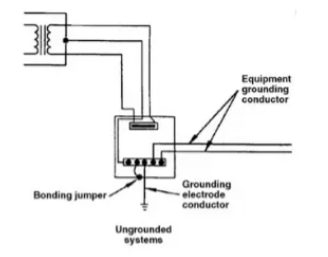
What is a Grounding Conductor?A grounding conductor is defined as a wire or conductor intentionally connected to the earth. The grounding conductor is commonly known as a “ground conductor” or “case ground.”In most cases, the ground wire is connected with a case or outer part of the electrical box, appliances, or tools. Hence, the grounding conductor is also known as case ground.The grounding conductor is used for safety purposes. In normal conditions, the grounding wire does not carry current.U
03/08/2024
Consult
Tip
Consult
Tip
Voltage Divider Rule
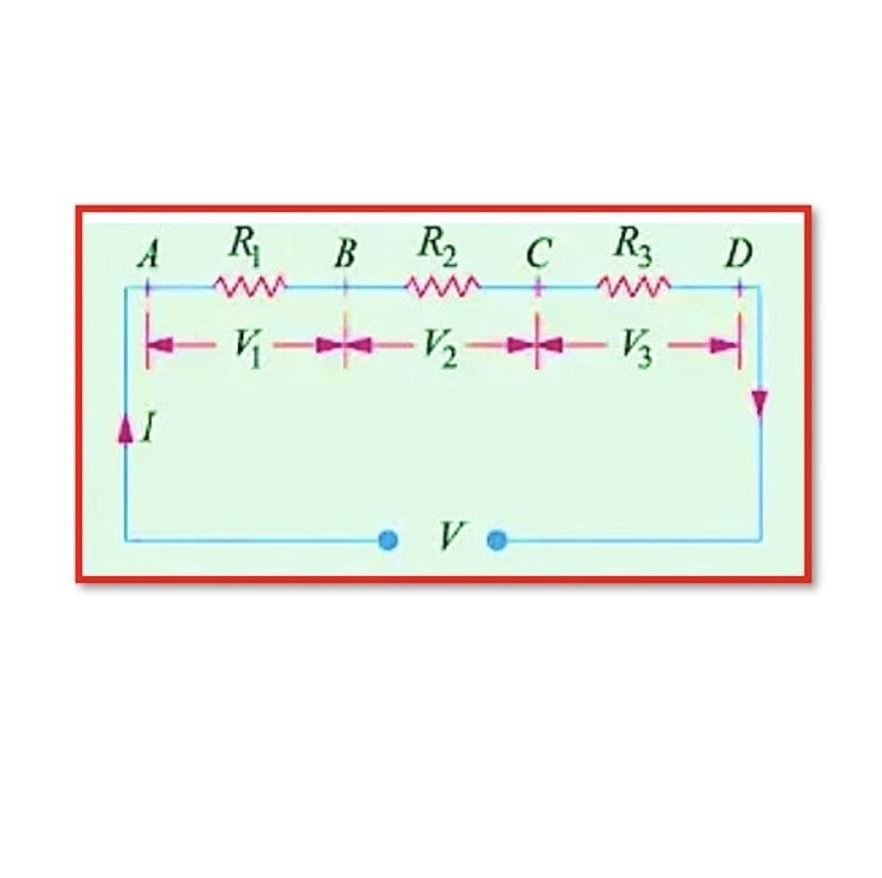
The voltage divider rule is a principle in electrical engineering that describes the behavior of a voltage divider circuit, which is a circuit that divides the voltage across a load into two or more parts. The voltage divider rule states that the voltage across each resistor in the circuit is proportional to the resistance of the resistor and the total resistance of the circuit.Voltage Divider Rule Mathematical Expression:The voltage divider rule can be expressed mathematically as:V1= (R1/ (R1+
03/08/2024
Consult
Tip
Consult
Tip
Law of Conservation of Charge
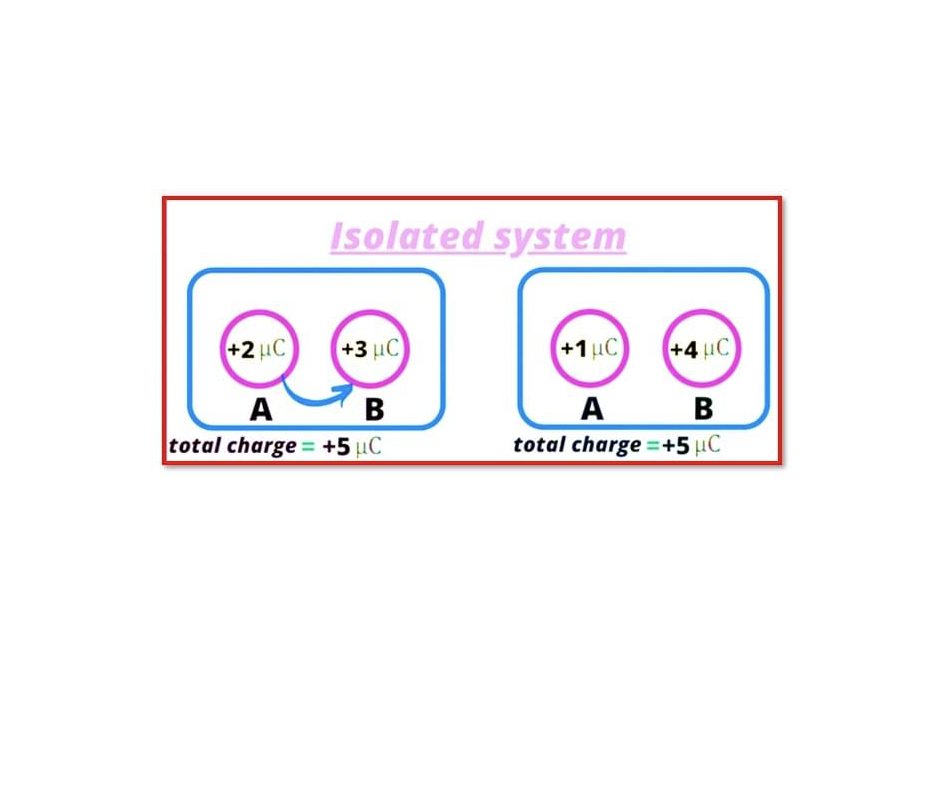
The law of conservation of charge is a principle in physics that states that the total electric charge in a closed system remains constant over time. This means that the amount of positive charge in a system cannot increase or decrease unless charge is added to or removed from the system.The law of conservation of charge is based on the idea that electric charge is a fundamental property of matter, and that it cannot be created or destroyed. This principle is similar to the conservation of mass
03/08/2024
Consult
Tip
Consult
Tip
Send inquiry
+86
Click to upload file
Download
Get the IEE Business Application
Use the IEE-Business app to find equipment, obtain solutions, connect with experts, and participate in industry collaboration anytime, anywhere—fully supporting the development of your power projects and business.