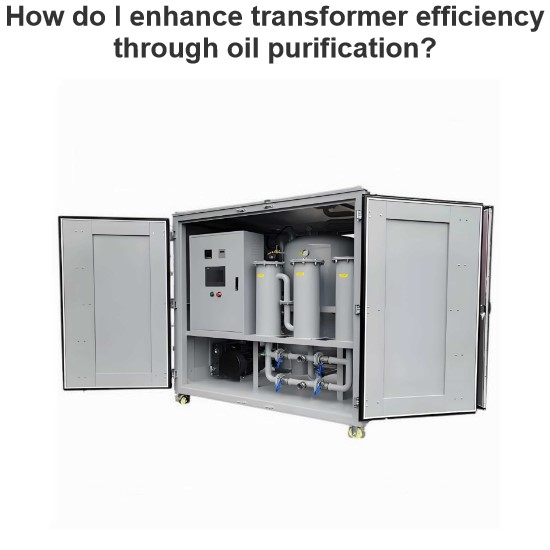
How to Improve Transformer Efficiency Through Oil PurificationImproving transformer efficiency through oil purification is a critical maintenance measure that can extend equipment life, reduce failures, and enhance overall performance. Below are detailed steps and methods:1. Understanding the Role of Transformer OilTransformer oil serves several key functions: Insulation: Provides electrical insulation to prevent short circuits between windings. Cooling: Absorbs heat and dissipates it through ra
01/17/2025
Consult
Tip
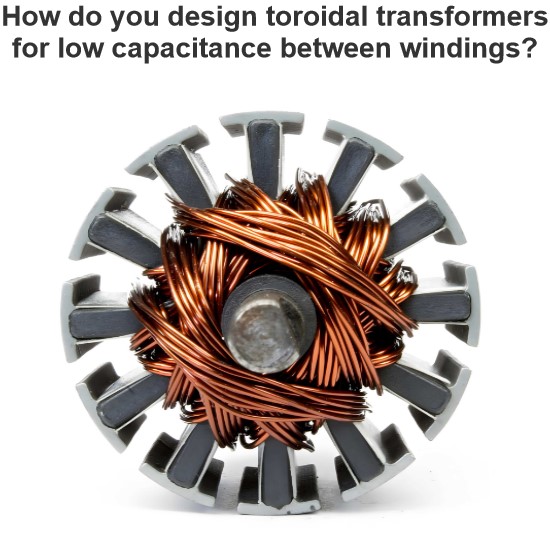
How to Design a Toroidal Transformer to Achieve Low Capacitance Between WindingsDesigning a toroidal transformer to achieve low capacitance between windings is crucial for reducing parasitic capacitance, especially in high-frequency applications. This improves the overall performance of the transformer. Below are some key design strategies and techniques:1. Physical Isolation and InsulationIncreasing the physical distance between windings and using high-quality insulation materials are effective
01/13/2025
Consult
Tip
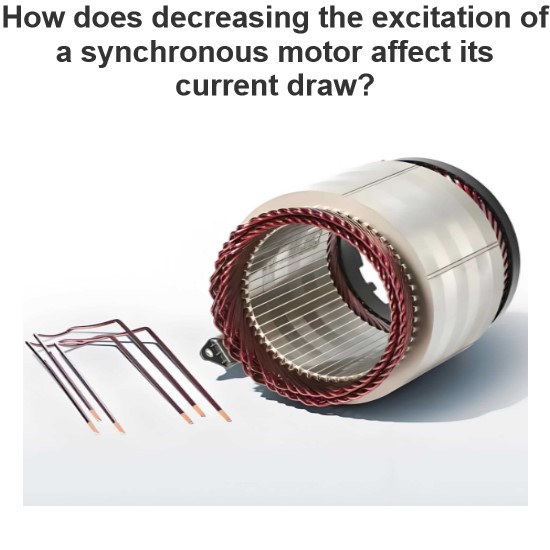
Effects of Reducing Excitation on Current Consumption in Synchronous MotorsReducing the excitation of a synchronous motor has significant effects on its current consumption, primarily impacting several key aspects:1. Changes in Armature CurrentThe armature current (i.e., stator current) of a synchronous motor consists of two components: active current and reactive current. Together, these determine the total armature current. Active Current: Related to the mechanical power output of the motor, t
01/11/2025
Consult
Tip

Advantages of Step-Up Autotransformers Compared to Step-Up TransformersStep-up autotransformers and traditional step-up transformers have some notable differences in design and application. Below are the advantages of step-up autotransformers over traditional step-up transformers, as well as the typical scenarios where they are used.Advantages of Step-Up AutotransformersHigher Efficiency: Reduced Copper Losses: Due to the shared winding between the primary and secondary sides, the total length a
01/10/2025
Consult
Tip

Differences Between Wound Rotor Induction Motors and Squirrel Cage Induction MotorsWound Rotor Induction Motors (WRIM) and Squirrel Cage Induction Motors (SCIM) are two common types of induction motors that differ in structure, performance, and application. Below are the key distinctions between them:1. Rotor ConstructionWound Rotor Induction Motor (WRIM): The rotor consists of three-phase windings connected to external circuits via slip rings and brushes. This allows the rotor windings to be co
12/26/2024
Consult
Tip
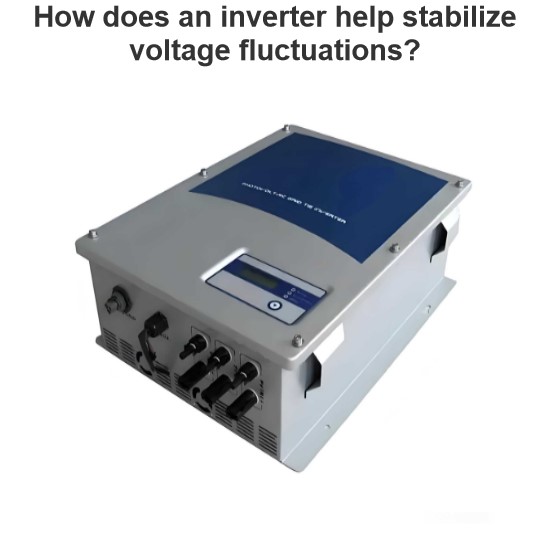
Inverters are power electronic devices that convert direct current (DC) to alternating current (AC). In certain applications, they can play a crucial role in stabilizing voltage fluctuations within the power grid. The following sections detail how inverters contribute to voltage stability:1. Voltage RegulationInverters can maintain stable output voltage through internal control algorithms and power regulation mechanisms. Specifically: Constant Voltage Output: Inverters automatically adjust their
12/26/2024
Consult
Tip

How to Improve the Dielectric Strength of Transformer OilEnhancing the dielectric strength of transformer oil is crucial for ensuring the safe and reliable operation of transformers. Dielectric strength refers to the maximum electric field intensity an insulating material can withstand before it breaks down. The dielectric strength of transformer oil is influenced by various factors, including the quality of the oil, impurity content, moisture, temperature, and more. Below are several effective
12/24/2024
Consult
Tip

Basic Principles and Types of InvertersAn inverter is a power electronic device that converts direct current (DC) into alternating current (AC). It is widely used in renewable energy systems, uninterruptible power supplies (UPS), electric vehicles, and other applications. Depending on the specific application and technical requirements, inverters can operate based on different principles and come in various types. Below are some common types of inverters and their working principles:1. Single-Ph
12/23/2024
Consult
Tip

What Protective Devices Are Built into Modern Transformers?Modern transformers are equipped with a variety of built-in protective devices designed to ensure safe operation, extend their lifespan, and prevent faults from escalating. Below is an overview of some common internal protective devices and their functions:1. Differential Protection• Function: Differential protection is the primary protection against internal transformer faults. It works by comparing the currents on both sides of the tra
12/23/2024
Consult
Tip

Key Design Considerations for Manufacturing an Effective Isolation TransformerAn isolation transformer is a type of transformer designed to provide electrical isolation between the primary and secondary windings, ensuring safety and preventing ground faults. To manufacture an efficient and reliable isolation transformer, several key design factors must be considered. Below are these critical design considerations in detail:1.Insulation Design Electrical Isolation: The core function of an isolati
12/20/2024
Consult
Tip






