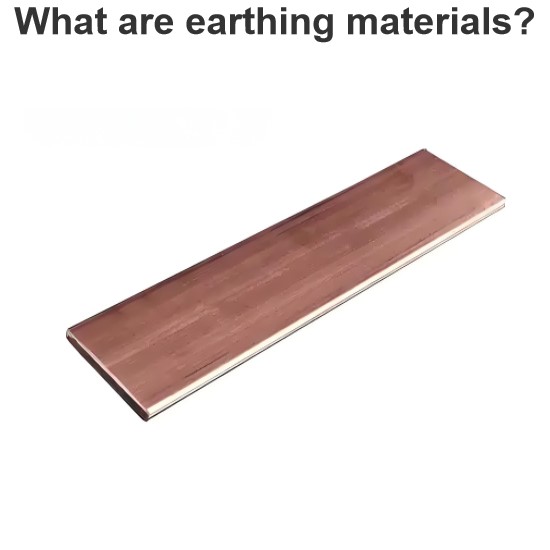
Grounding MaterialsGrounding materials are conductive materials used for the grounding of electrical equipment and systems. Their primary function is to provide a low-impedance path to safely direct current into the earth, ensuring personnel safety, protecting equipment from overvoltage damage, and maintaining system stability. Below are some common types of grounding materials:1.Copper Characteristics: Copper is one of the most commonly used grounding materials due to its excellent conductivity
12/21/2024
Consult
Tip
Reasons for the Excellent High and Low-Temperature Resistance of Silicone RubberSilicone rubber (Silicone Rubber) is a polymer material primarily composed of siloxane (Si-O-Si) bonds. It exhibits outstanding resistance to both high and low temperatures, maintaining flexibility at extremely low temperatures and enduring prolonged exposure to high temperatures without significant aging or performance degradation. Below are the main reasons for the excellent high and low-temperature resistance of s
12/20/2024
Consult
Tip
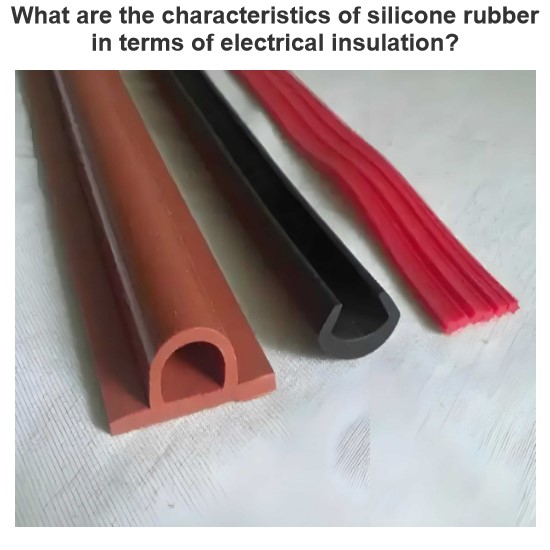
Characteristics of Silicone Rubber in Electrical InsulationSilicone rubber (Silicone Rubber, SI) possesses several unique advantages that make it an essential material in electrical insulation applications, such as composite insulators, cable accessories, and seals. Below are the key features of silicone rubber in electrical insulation:1. Excellent Hydrophobicity Characteristics: Silicone rubber has inherent hydrophobic properties, which prevent water from adhering to its surface. Even in humid
12/19/2024
Consult
Tip
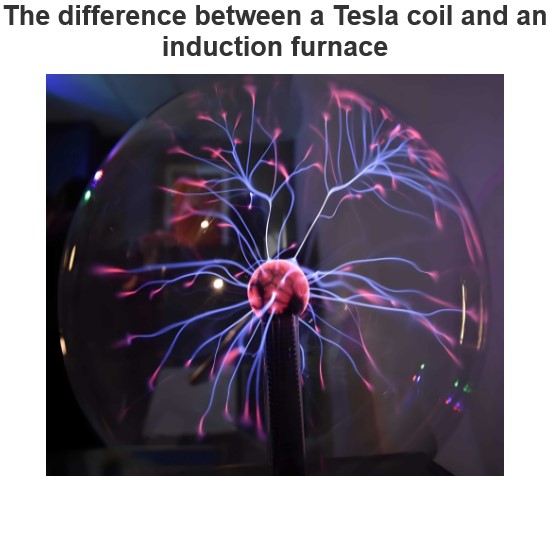
Differences Between a Tesla Coil and an Induction FurnaceAlthough both the Tesla coil and the induction furnace utilize electromagnetic principles, they differ significantly in design, working principles, and applications. Below is a detailed comparison of the two:1. Design and StructureTesla Coil:Basic Structure: A Tesla coil consists of a primary coil (Primary Coil) and a secondary coil (Secondary Coil), typically including a resonant capacitor, spark gap, and step-up transformer. The secondar
12/12/2024
Consult
Tip

Permanent Magnet Moving Coil (PMMC)1. Basic StructureThe primary components of a Permanent Magnet Moving Coil (PMMC) include: • Permanent Magnet: Provides a stable magnetic field, typically using high-coercivity rare-earth magnets such as neodymium-iron-boron. • Moving Coil (Coil): Consists of fine wire wound into a coil, suspended within the air gap of the permanent magnet. When current flows through the coil, it experiences a force in the magnetic field, causing it to deflect. • Shaft and Bear
12/11/2024
Consult
Tip
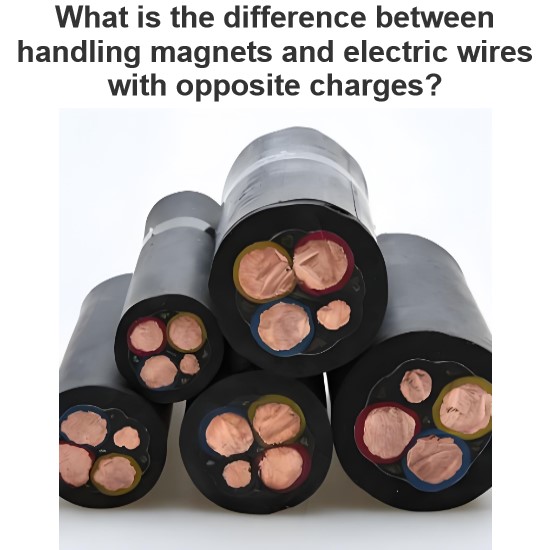
There are the following differences in handling magnets with opposite charges and wires:I. Different propertiesMagnetA magnet is an object with magnetism. The magnetic field it generates is formed by the orderly arrangement of internal magnetic domains. The two poles of a magnet are respectively the north pole (N pole) and the south pole (S pole). Like poles repel each other and opposite poles attract each other.For example, when two magnets are close to each other, if opposite poles are facing
10/12/2024
Consult
Tip
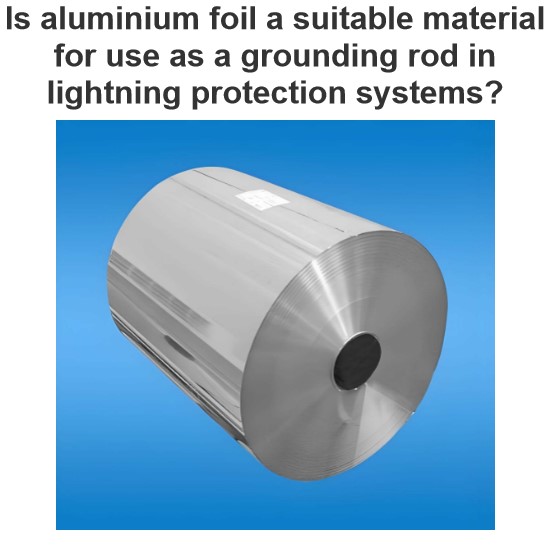
Aluminum foils not suitable for use as an earthing rod in a lightning protection system. The earthing rod in a lightning protection system needs to have good conductivity, sufficient mechanical strength, and corrosion resistance, all of which aluminum foil does not meet. Below is a detailed explanation:Conductivity Thickness of Aluminum Foil : Aluminum foil is typically very thin (usually only a few micrometers thick), and its cross-sectional area is too small to effectively conduct lightning cu
10/11/2024
Consult
Tip
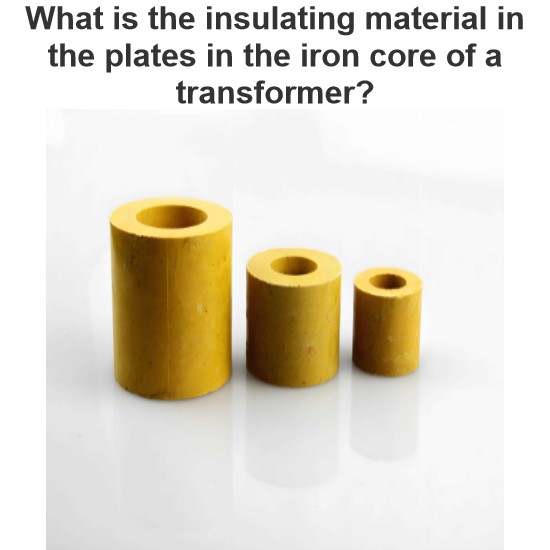
In the core of a transformer, to minimize eddy current losses and hysteresis losses, the core is typically constructed from multiple thin sheets of laminated silicon steel. These silicon steel sheets are separated by an insulating material. The purpose is to reduce the eddy current effect within the core to the maximum extent, thereby reducing heat losses and improving the efficiency of the transformer.Insulating MaterialThe insulating material used between the silicon steel sheets in the core i
10/07/2024
Consult
Tip
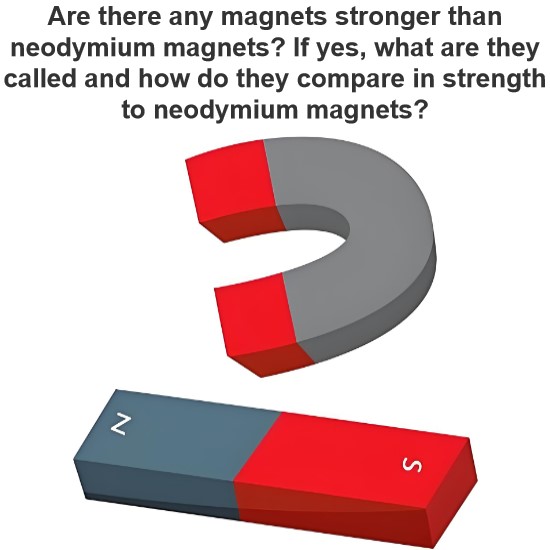
At present, Ndfeb magnets are considered to be one of the strongest magnets commercially available. They belong to the rare earth magnet category and are known for their high strength and high coercivity (i.e. the ability to resist demagnetization). However, there are some materials that can exhibit higher magnetic properties under certain conditions.Samarium-cobalt magnetSamarium cobalt magnets (SmCo) are also rare earth magnets, which are more stable than Ndfeb magnets at high temperatures. Wh
10/05/2024
Consult
Tip

The adoption of high-temperature superconductors (HTS) in power transmission systems has the potential to revolutionize the way electricity is transmitted and distributed. HTS materials become superconducting at temperatures that are higher than those of traditional low-temperature superconductors (LTS), making them more practical for real-world applications due to lower cooling costs. Here are the potential implications of widespread adoption of HTS in power transmission systems, along with how
10/05/2024
Consult
Tip






