• Product
  • Suppliers
  • Manufacturers
  • Solutions
  • Free tools
  • Knowledges
  • Experts
  • Communities
Search


Free Expert Guides on Power Systems, Circuit Design & Electrical Troubleshooting

Access free engineering resources from IEE Business—covering power design, circuit layout, equipment selection, and troubleshooting. Expert-developed guides help engineers, procurement, and project teams make better decisions. Stay ahead on smart grids, renewables, efficiency, and AI tools. Improve reliability, reduce downtime, and enhance outcomes with real-world solutions. Explore our knowledge hub today.
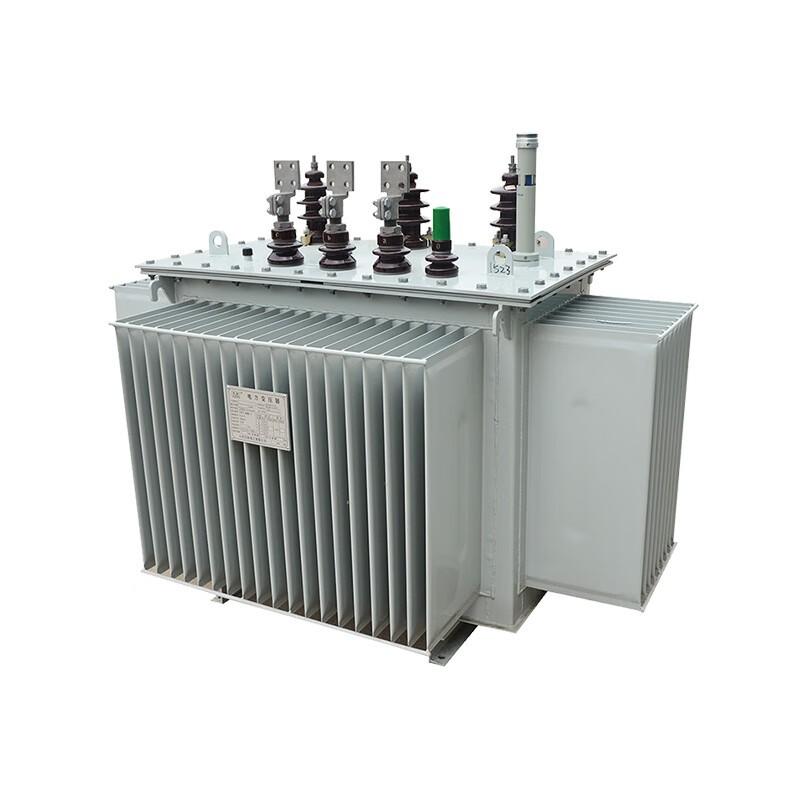
Regulations for Primary Wiring of Distribution Transformers
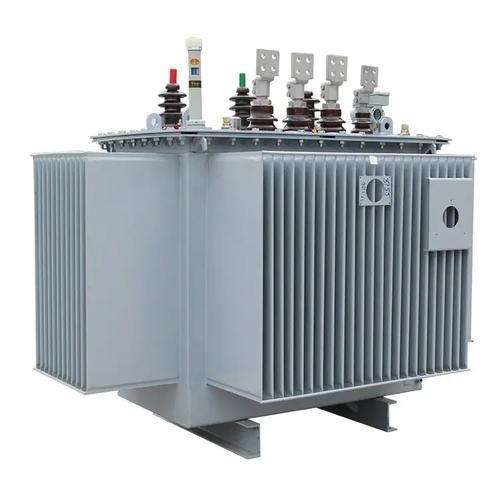
The primary wiring of transformers shall comply with the following regulations: Supports and Cable Protection Conduits: The construction of supports and cable protection conduits for transformer incoming and outgoing lines shall conform to design document requirements. Supports must be firmly installed with elevation and horizontal deviations within ±5mm. Both supports and protection conduits shall have reliable grounding connections. Rectangular Busbar Bending: When rectangular busbars are used
12/23/2025
Consult
Tip
Consult
Tip
Voltage Regulation Methods and Impacts of Distribution Transformers
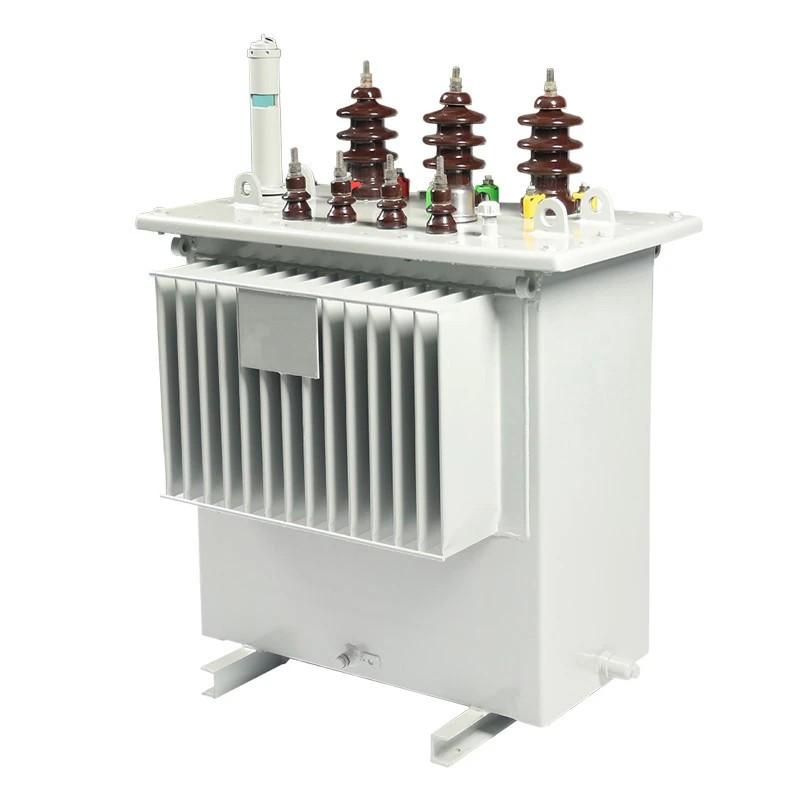
Voltage Compliance Rate and Distribution Transformer Tap Changer AdjustmentThe voltage compliance rate is one of the main indicators for measuring power quality. However, due to various reasons, electricity consumption during peak and off-peak periods often differs significantly, causing the output voltage of distribution transformers to fluctuate. These voltage fluctuations adversely affect the performance, production efficiency, and product quality of various electrical equipment to varying de
12/23/2025
Consult
Tip
Consult
Tip
High Voltage Bushing Selection Standards for Power transformer
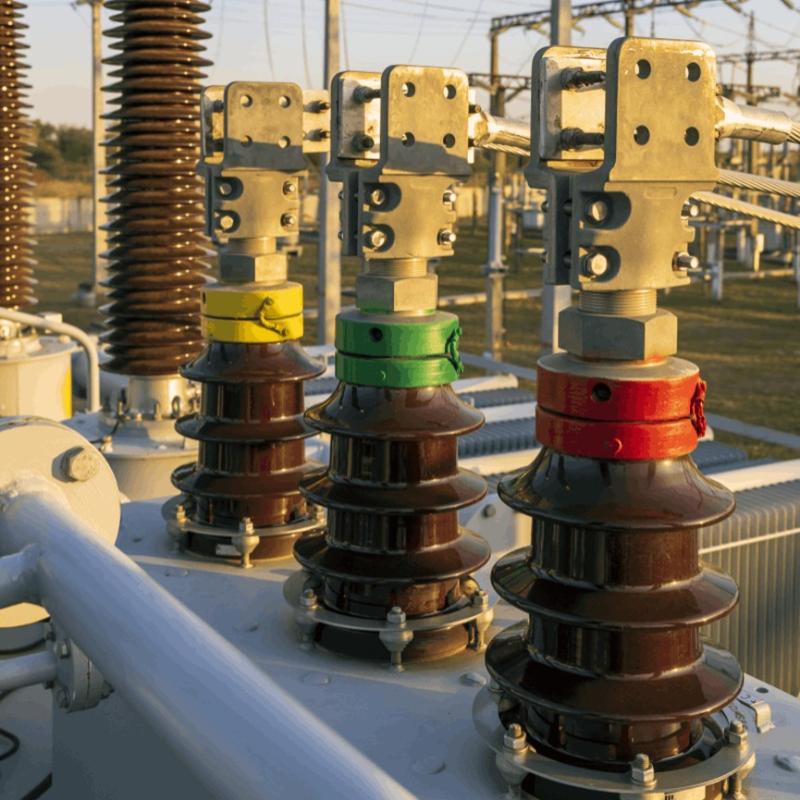
1. Structure Forms and Classification of BushingsThe structure forms and classification of bushings are shown in the table below: Serial No. Classification Feature Category 1 Main insulation structure Capacitive Type Resin-impregnated paperOil-impregnated paper Non-capacitive Type Gas insulationLiquid insulationCasting resinComposite insulation 2 External Insulation Material PorcelainSilicone Rubber 3 Filling Material Between Capacitor Core and Exte
12/20/2025
Consult
Tip
Consult
Tip
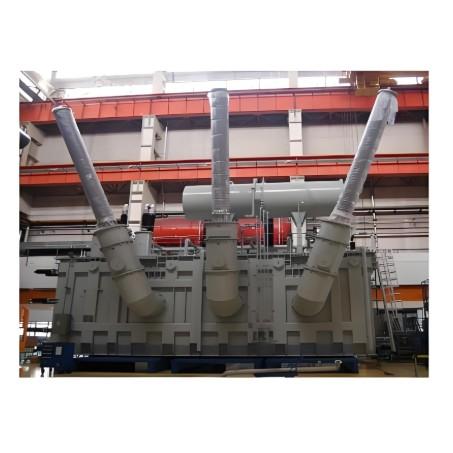
Large Power Transformer Installation & Handling Procedures Guide
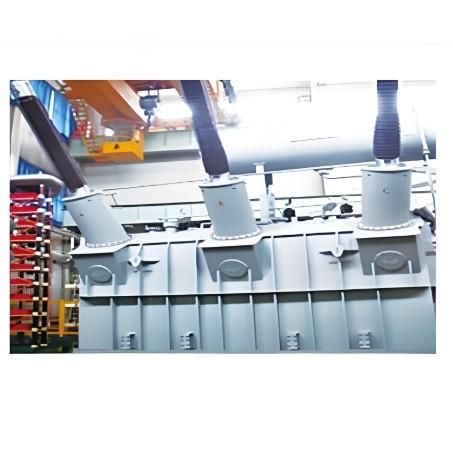
1. Mechanical Direct Towing of Large Power TransformersWhen large power transformers are transported using mechanical direct towing, the following work shall be properly completed:Investigate the structure, width, gradient, slope, inclination, turning angles, and load-bearing capacity of roads, bridges, culverts, ditches, etc. along the route; reinforce them when necessary.Survey overhead obstacles along the route such as power lines and communication lines.During loading, unloading, and transpo
12/20/2025
Consult
Tip
Consult
Tip
5 Fault Diagnosis Techniques for Large Power Transformers
Transformer Fault Diagnosis Methods1. Ratio Method for Dissolved Gas AnalysisFor most oil-immersed power transformers, certain combustible gases are produced in the transformer tank under thermal and electrical stress. The combustible gases dissolved in oil can be used to determine the thermal decomposition characteristics of the transformer oil-paper insulation system based on their specific gas content and ratios. This technology was first used for fault diagnosis in oil-immersed transformers.
12/20/2025
Consult
Tip
Consult
Tip
17 Common Questions About Power Transformers
1 Why must the transformer core be grounded?During normal operation of power transformers, the core must have one reliable ground connection. Without grounding, a floating voltage between the core and ground would cause intermittent breakdown discharge. Single-point grounding eliminates the possibility of floating potential in the core. However, when two or more grounding points exist, uneven potentials between core sections create circulating currents between grounding points, causing multi-poi
12/20/2025
Consult
Tip
Consult
Tip
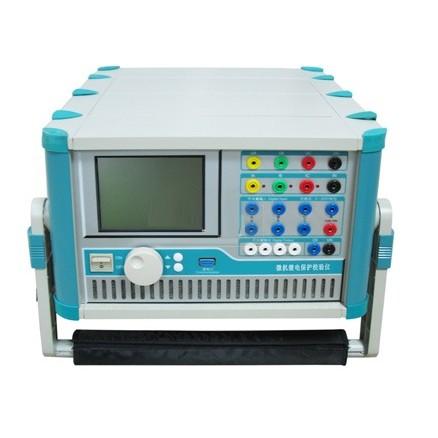
Classification of Equipment Defects for Relay Protection and Safety Automatic Devices in Substations
In daily operations, various equipment defects are inevitably encountered. Whether maintenance personnel, operation and maintenance staff, or specialized management personnel, all must understand the defect classification system and adopt appropriate measures according to different situations.According to Q/GDW 11024-2013 "Operation and Management Guide for Relay Protection and Safety Automatic Devices in Smart Substations," equipment defects are classified into three levels based on severity an
12/15/2025
Consult
Tip
Consult
Tip
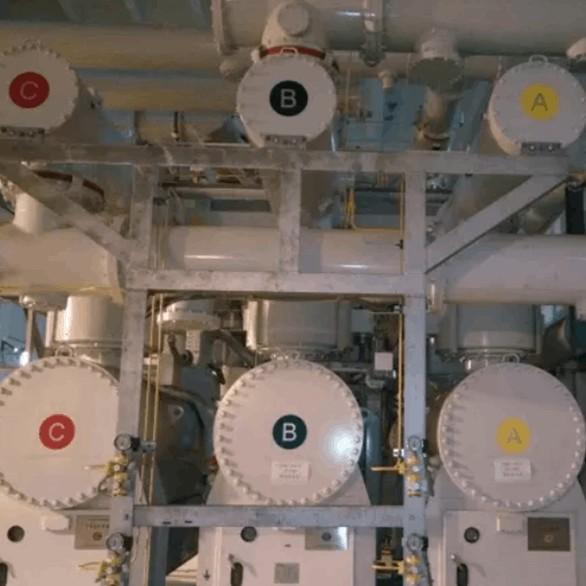
Under What Conditions Will the Line Circuit Breaker Auto-Reclosing Signal Be Locked Out?
The line circuit breaker auto-reclosing signal will be locked out if any of the following conditions occur:(1) Low SF6 gas pressure in circuit breaker chamber at 0.5MPa(2) Insufficient energy storage in circuit breaker operating mechanism or low oil pressure at 30MPa(3) Busbar protection operation(4) Circuit breaker failure protection operation(5) Line distance protection zone II or zone III operation(6) Short lead protection operation of circuit breaker(7) Presence of remote tripping signal(8)
12/15/2025
Consult
Tip
Consult
Tip
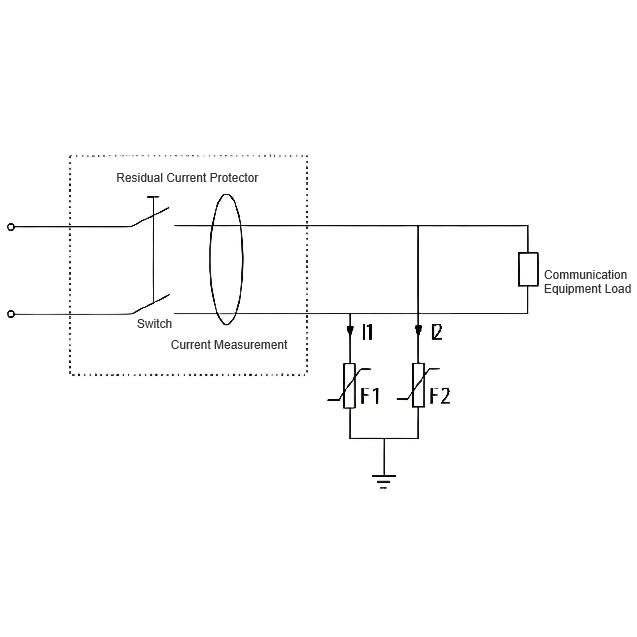
Application of Auto-Reclosing Residual Current Protective Devices in Lightning Protection for Communication Power Supplies
1. Power Interruption Problems Caused by RCD False Tripping During Lightning StrikesA typical communication power supply circuit is shown in Figure 1. A residual current device (RCD) is installed at the power supply input terminal. The RCD primarily provides protection against electrical equipment leakage currents to ensure personal safety, while surge protective devices (SPDs) are installed on power supply branches to protect against lightning intrusions. When lightning strikes occur, the senso
12/15/2025
Consult
Tip
Consult
Tip
Reclosing Charge Time: Why Does Reclosing Require Charging? What Effects Does Charging Time Have?
1. Function and Significance of Reclosing ChargingReclosing is a protective measure in power systems. After faults such as short circuits or circuit overloads occur, the system isolates the faulty circuit and then restores normal operation through reclosing. The function of reclosing is to ensure continuous operation of the power system, improving its reliability and safety.Before performing reclosing, the circuit breaker must be charged. For high-voltage circuit breakers, the charging time is g
12/15/2025
Consult
Tip
Consult
Tip
Send inquiry
+86
Click to upload file
Download
Get the IEE Business Application
Use the IEE-Business app to find equipment, obtain solutions, connect with experts, and participate in industry collaboration anytime, anywhere—fully supporting the development of your power projects and business.