• Product
  • Suppliers
  • Manufacturers
  • Solutions
  • Free tools
  • Knowledges
  • Experts
  • Communities
Search


Free Expert Guides on Power Systems, Circuit Design & Electrical Troubleshooting

Access free engineering resources from IEE Business—covering power design, circuit layout, equipment selection, and troubleshooting. Expert-developed guides help engineers, procurement, and project teams make better decisions. Stay ahead on smart grids, renewables, efficiency, and AI tools. Improve reliability, reduce downtime, and enhance outcomes with real-world solutions. Explore our knowledge hub today.
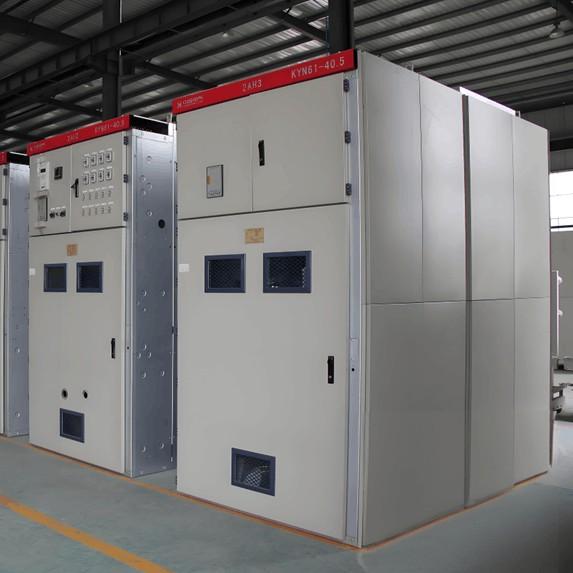
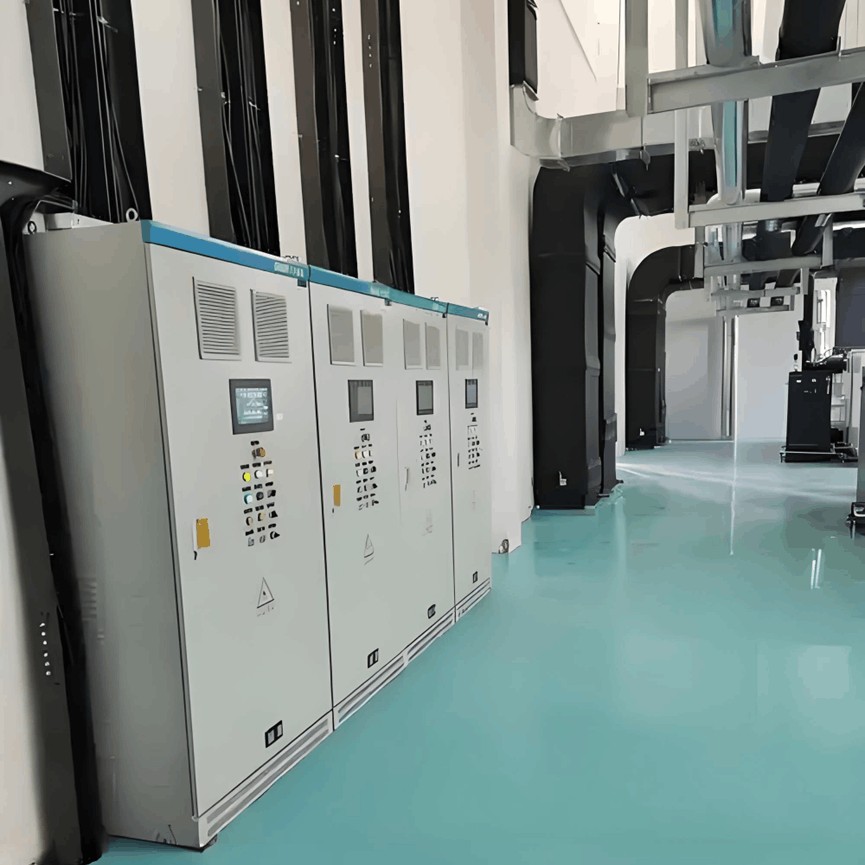
 What Are the Types and Common Faults of HV Switchgear?
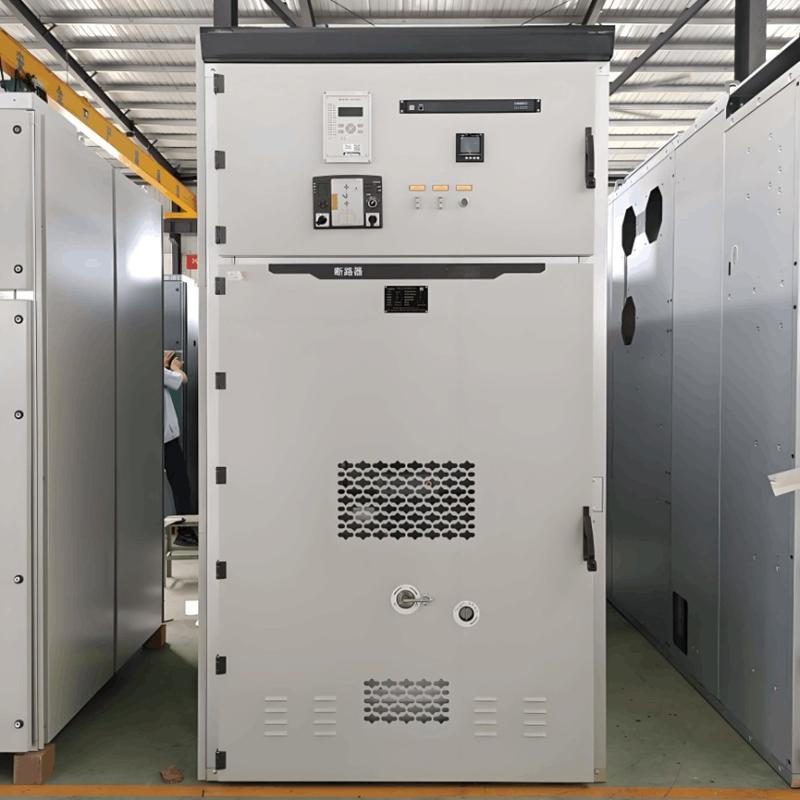
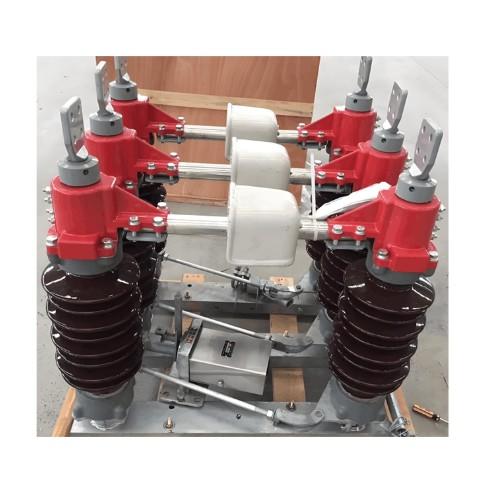
High-voltage switchgear is a critical electrical device in power systems. Deterioration in switchgear operating conditions is one of the main causes of power system failures. So, what are the common faults in high-voltage switchgear?I.Classification of High-Voltage Switchgear(1) Outdoor and Indoor TypesBased on installation location, high-voltage switchgear can be classified as outdoor or indoor types. Indoor switchgear is commonly used for systems at 10 kV and below. According to primary circui
10/10/2025
Consult
Tip
Consult
Tip
Fault Diagnosis and Troubleshooting of 10kV High-Voltage Switchgear
I. Common Fault Types and Diagnostic MethodsElectrical Faults Circuit Breaker Failure to Operate or Maloperation: Check the energy storage mechanism, closing/tripping coils, auxiliary switches, and secondary circuits. High-Voltage Fuse Blown: Measure voltage across the fuse terminals; inspect busbar joints, cable terminations, and protection relay settings. Busbar Discharge or Insulator Damage: Listen for discharge sounds, check temperature at busbar connections, and visually inspect insulators
09/26/2025
Consult
Tip
Consult
Tip
Types and Common Fault Analysis of High-Voltage Switchgear
Types and Common Fault Analysis of High-Voltage SwitchgearHigh-voltage switchgear is a critical electrical device in power systems. Deterioration in switchgear operation is one of the main causes of power system failures. What are the common faults in high-voltage switchgear?(1) Outdoor and Indoor TypesBased on installation environment, high-voltage switchgear can be classified as outdoor or indoor types. Equipment rated at 10 kV and below is mostly installed indoors. According to primary circui
09/26/2025
Consult
Tip
Consult
Tip
Operational Analysis and Maintenance Strategies for High-Voltage Disconnect Switches in Power Systems
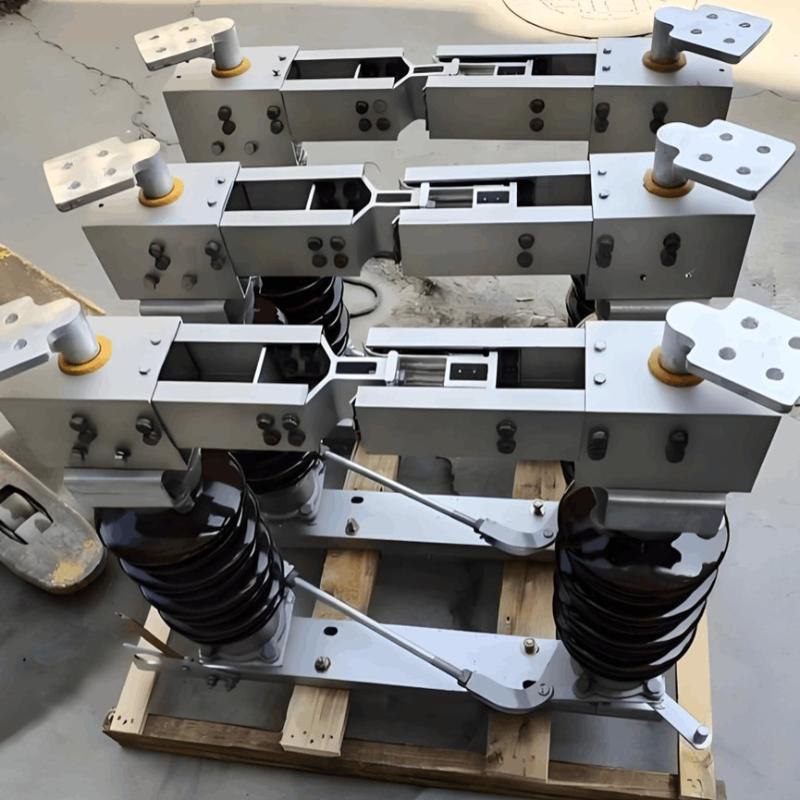
I. Operational Analysis1.1 Operating ScopeHigh-voltage disconnect switches are classified into outdoor and indoor types based on installation location, and into three-pole or single-pole configurations according to the number of poles. During operation, attention must be closely paid to the switch’s operating current and voltage.If the operating voltage exceeds the rated value, discharge may occur within the porcelain insulator. The degree of heating is closely related to the operating current a
09/26/2025
Consult
Tip
Consult
Tip
Analysis of Arcing Hazards in High-Voltage Disconnect Switches and Preventive Measures
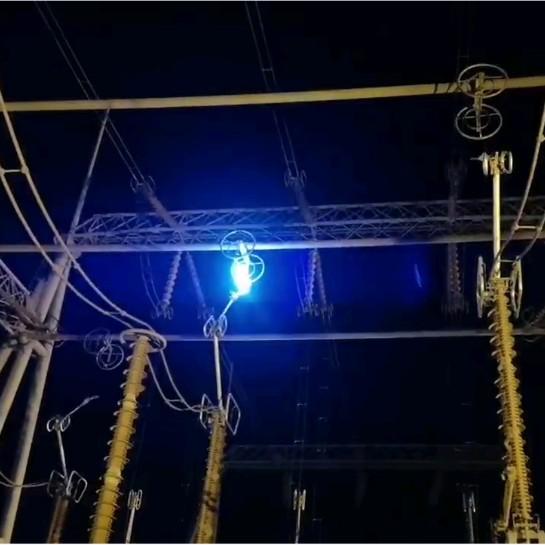
During the operation of high-voltage disconnect switches, arcs may form between the contacts when they separate while current is still flowing. The high temperature of the arc not only damages the switch contacts but can also ignite surrounding flammable materials, leading to safety accidents.Arc formation is influenced by various factors, including the type of current (DC or AC), the inductive and capacitive characteristics of the circuit, and the properties of the contact materials. In DC syst
09/26/2025
Consult
Tip
Consult
Tip
Research on Mechanical Fault Analysis and Improvement Techniques of High-Voltage Disconnector Switches
With the continuous advancement of mechanization in modern society, the demand for electrical energy in daily life has significantly increased. To ensure that power supply meets this growing demand, the power system must operate with greater stability, safety, and real-time responsiveness. This highlights the critical importance of high-voltage disconnector switch quality during manufacturing.Manufacturers must strengthen their awareness of this responsibility to ensure reliable operation of hig
09/25/2025
Consult
Tip
Consult
Tip
 RCD Keeps Tripping? Find the Real Cause Fast
How Residual Current Devices (RCDs) Work and Why They TripA residual current device (RCD), also known as a leakage circuit breaker, trips when it detects a current imbalance of 30mA or more between the live and neutral conductors. In older electrical circuits, or in installations where cables were not run through conduits, it can be extremely difficult to use RCDs effectively. Even if the system works initially, during damp or humid weather, the RCD may trip repeatedly. Identifying the exact cau
09/25/2025
Consult
Tip
Consult
Tip
Air Circuit Breaker Tripping? 90% Overlook This Critical Cause!
In daily life and industrial operations, we often encounter circuit breakers tripping. Common causes include faulty breakers themselves or leakage/short circuits in the load. However, some tripping incidents have unexpected origins.At a mine, an emergency backup power system consisted of a diesel generator (400V), which fed a mining transformer (10,000V–400V) to step up voltage and supply power to the underground shaft. One rainy day, the main grid power failed. To ensure safety underground, the
09/25/2025
Consult
Tip
Consult
Tip
Circuit Breaker Selection and Setting: A Complete Guide from Basic Parameters to Selective Protection
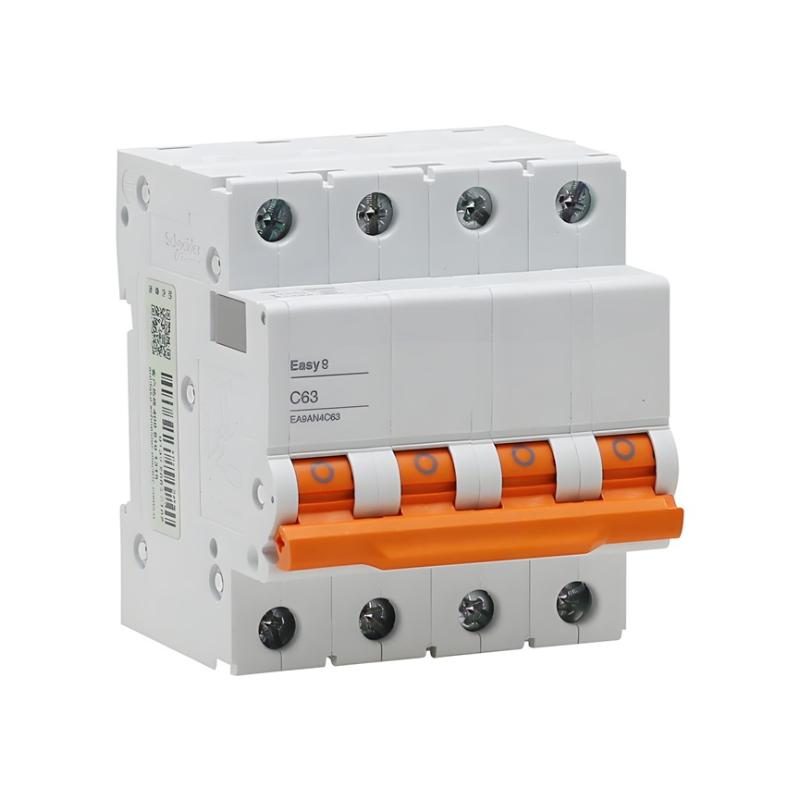
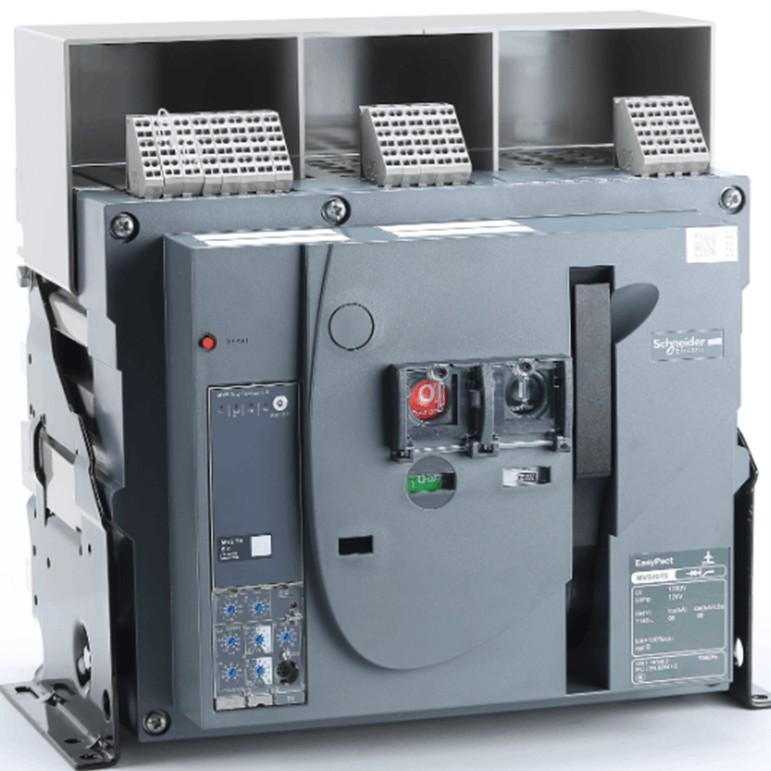
Classification of Circuit Breakers(1) Air Circuit Breaker (ACB)An air circuit breaker, also known as a molded frame or universal circuit breaker, houses all components within an insulated metal frame. It is typically open-type, allowing installation of various accessories, and facilitates easy replacement of contacts and parts. It is commonly used as the main power supply switch. Overcurrent trip units include electromagnetic, electronic, and intelligent types. The breaker provides four-stage pr
09/25/2025
Consult
Tip
Consult
Tip
Layout Requirements for High-Voltage and Low-Voltage Switchgear Rooms: Optimizing Space Arrangement and Safety Clearances
High-Voltage Switchgear Room When the length of a high-voltage switchgear room exceeds 7m, two doors should be provided, preferably located at opposite ends. The access door for handling GG-1A type switchgear should be 1.5m wide and 2.5–2.8m high. Recommended dimensions for operating aisles in front of fixed switchgear: 2m for single-row layout and 2.5m for double-row layout, measured from the front of the panels. When a large number of switchgear units are installed, the aisle width may be appr
09/18/2025
Consult
Tip
Consult
Tip
Send inquiry
+86
Click to upload file
Download
Get the IEE Business Application
Use the IEE-Business app to find equipment, obtain solutions, connect with experts, and participate in industry collaboration anytime, anywhere—fully supporting the development of your power projects and business.