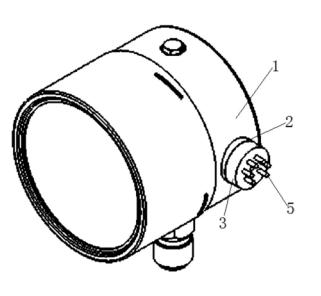
I. CLAIMS A sealing structure for lead wires of contacts in an oil-filled SF6 gas density relay, characterized by comprising a relay housing (1) and a terminal base (2); the terminal base (2) comprising a terminal base housing (3), a terminal base seat (4), and conductive pins (5); the terminal base seat (4) being disposed inside the terminal base housing (3), the terminal base housing (3) being welded onto the surface of the relay housing (1); a central through-hole (6) being provided at the ce
10/27/2025
Consult
Tip
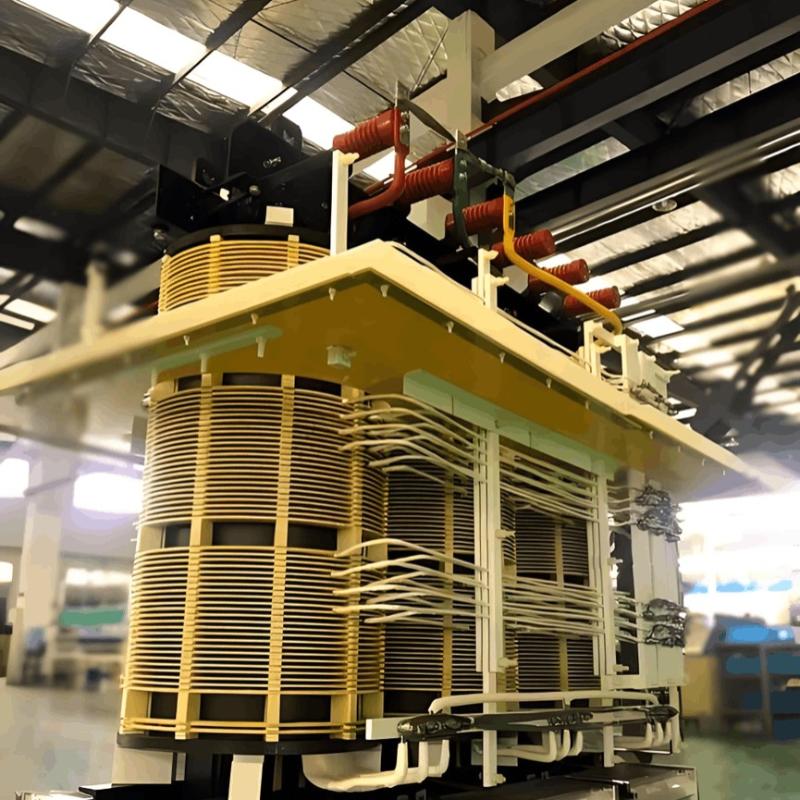
Differences Between Rectifier Transformers and Power TransformersRectifier transformers and power transformers both belong to the transformer family, but they differ fundamentally in application and functional characteristics. The transformers commonly seen on utility poles are typically power transformers, while those supplying electrolytic cells or electroplating equipment in factories are usually rectifier transformers. Understanding their differences requires examining three aspects: working
10/27/2025
Consult
Tip
SST High-Frequency Isolated Transformer Core Design and Calculation Material Characteristics Impact:Core material exhibits varying loss behavior under different temperatures, frequencies, and flux densities. These characteristics form the foundation of overall core loss and require precise understanding of nonlinear properties. Stray Magnetic Field Interference:High-frequency stray magnetic fields around windings can induce additional core losses. If not properly managed, these parasitic losses
10/27/2025
Consult
Tip
I. Core Innovation: A Dual Revolution in Materials and StructureTwo key innovations:Material Innovation: Amorphous AlloyWhat it is: A metallic material formed by ultra-rapid solidification, featuring a disordered, non-crystalline atomic structure.Key Advantage: Extremely low core loss (no-load loss), which is 60%–80% lower than that of traditional silicon steel transformers.Why it matters: No-load loss occurs continuously, 24/7, throughout a transformer’s lifecycle. For transformers with low loa
10/27/2025
Consult
Tip
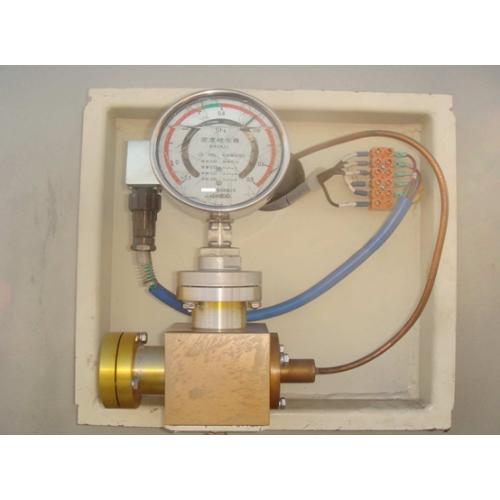
1. Introduction SF6 electrical equipment, renowned for its excellent arc-quenching and insulating properties, has been widely applied in power systems. To ensure safe operation, real-time monitoring of SF6 gas density is essential. Currently, mechanical pointer-type density relays are commonly used, providing functions such as alarm, lockout, and on-site display. To enhance vibration resistance, most of these relays are filled internally with silicone oil.However, oil leakage from density relays
10/27/2025
Consult
Tip
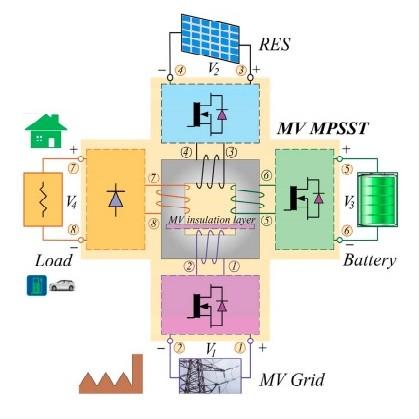
The use of power electronics in industry is increasing, ranging from small-scale applications such as chargers for batteries and LED drivers, to large-scale applications like photovoltaic (PV) systems and electric vehicles. Typically, a power system consists of three parts: power plants, transmission systems, and distribution systems. Traditionally, low-frequency transformers are used for two purposes: electrical isolation and voltage matching. However, 50-/60-Hz transformers are bulky and heavy
10/27/2025
Consult
Tip
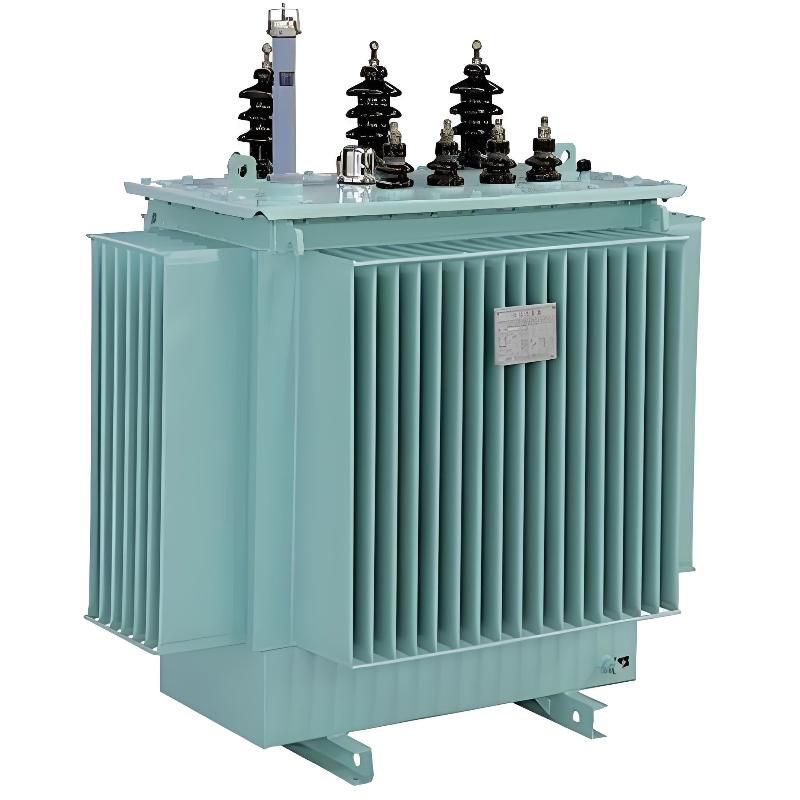
Solid-State Transformers (SST): The Future of Intelligent Power ConversionA solid-state transformer (SST), also known as a power electronic transformer (PET), is a static power conversion device that integrates power electronics, high-frequency transformation, and advanced control systems based on electromagnetic induction. It enables the conversion of electrical energy from one set of voltage, current, and frequency characteristics to another—while offering active control, bidirectional power f
10/27/2025
Consult
Tip
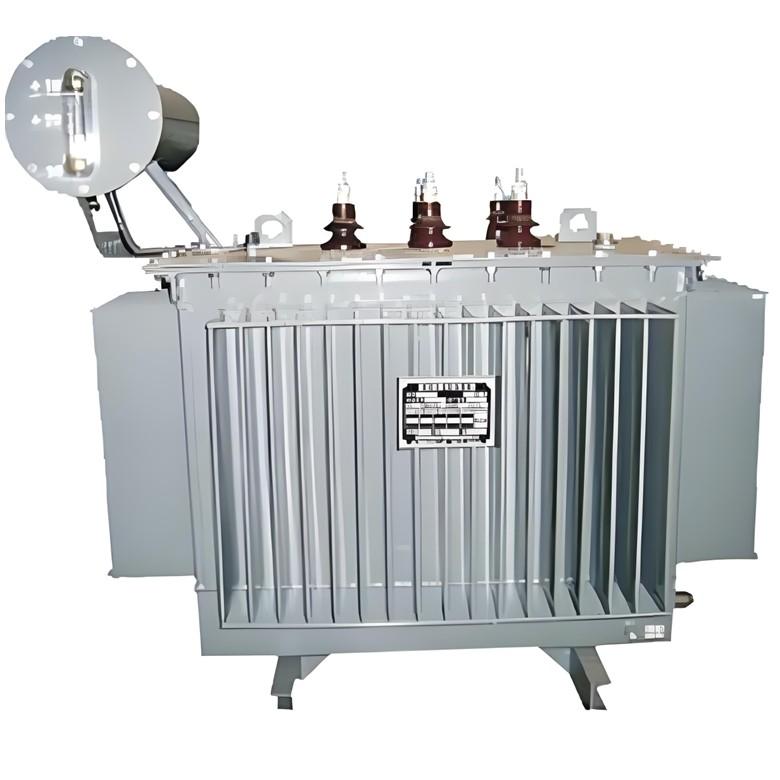
Development Cycle of Solid-State TransformersThe development cycle for solid-state transformers (SST) varies depending on the manufacturer and technical approach, but it generally includes the following stages: Technology Research and Design Phase: The duration of this phase depends on the complexity and scale of the product. It involves researching relevant technologies, designing solutions, and conducting experimental validations. This phase can take several months to several years. Prototype
10/27/2025
Consult
Tip
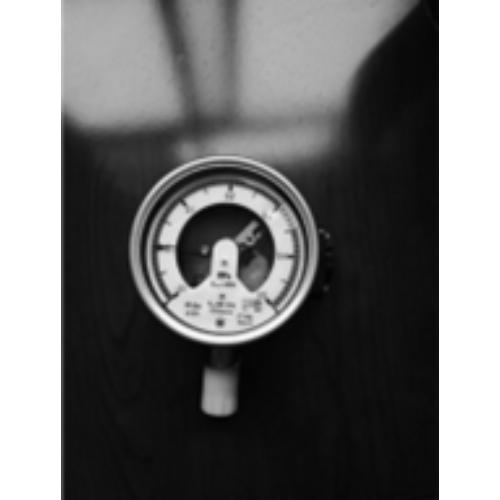
The 110kV substation at our plant was constructed and put into operation in February 2005. The 110kV system employs ZF4-126\1250-31.5 type SF6 GIS (Gas-Insulated Switchgear) from Beijing Switchgear Factory, comprising seven bays and 29 SF6 gas compartments, including five circuit breaker compartments. Each circuit breaker compartment is equipped with an SF6 gas density relay. Our plant uses the MTK-1 model oil-filled density relays manufactured by Shanghai Xinyuan Instrument Factory. These relay
10/27/2025
Consult
Tip
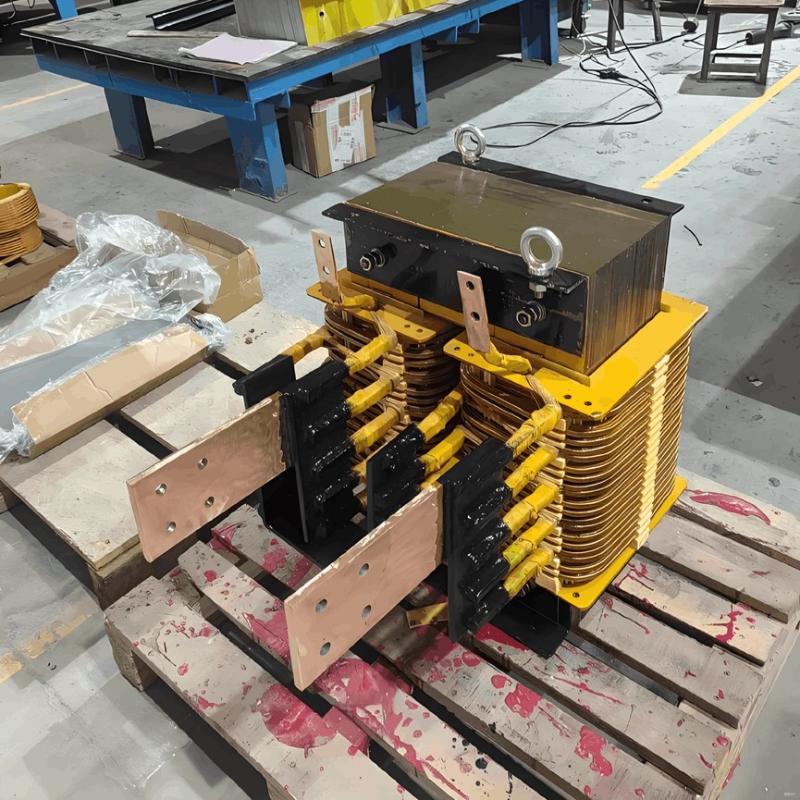
Solid-State Transformers (SST): Enabling Intelligent, Efficient, and Flexible Power SystemsThe solid-state transformer (SST), also known as an Electronic Power Transformer (EPT), is a static power conversion device that integrates power electronic circuitry with high-frequency energy transfer based on electromagnetic induction. It enables the transformation of electrical energy from one set of voltage, current, and frequency characteristics to another—while offering far greater control and funct
10/27/2025
Consult
Tip






