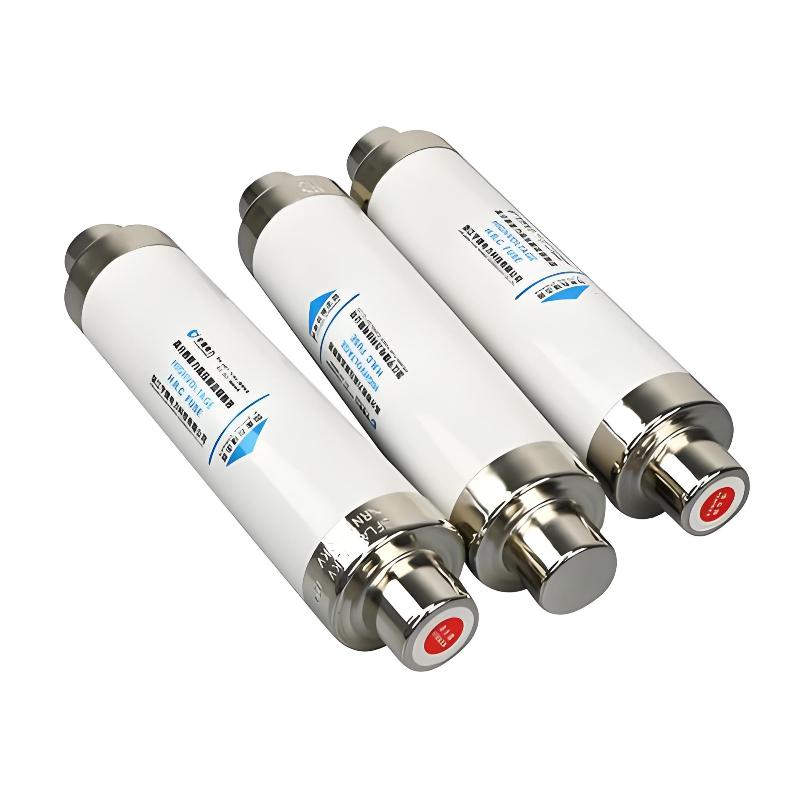
1. Fuse MaintenanceFuses in service should be regularly inspected. The inspection includes the following items: Load current should be compatible with the rated current of the fuse element. For fuses equipped with a fuse blown indicator, check whether the indicator has actuated. Check the conductors, connection points, and the fuse itself for overheating; ensure connections are tight and making good contact. Inspect the fuse exterior for cracks, contamination, or signs of arcing/discharge. Liste
10/24/2025
Consult
Tip
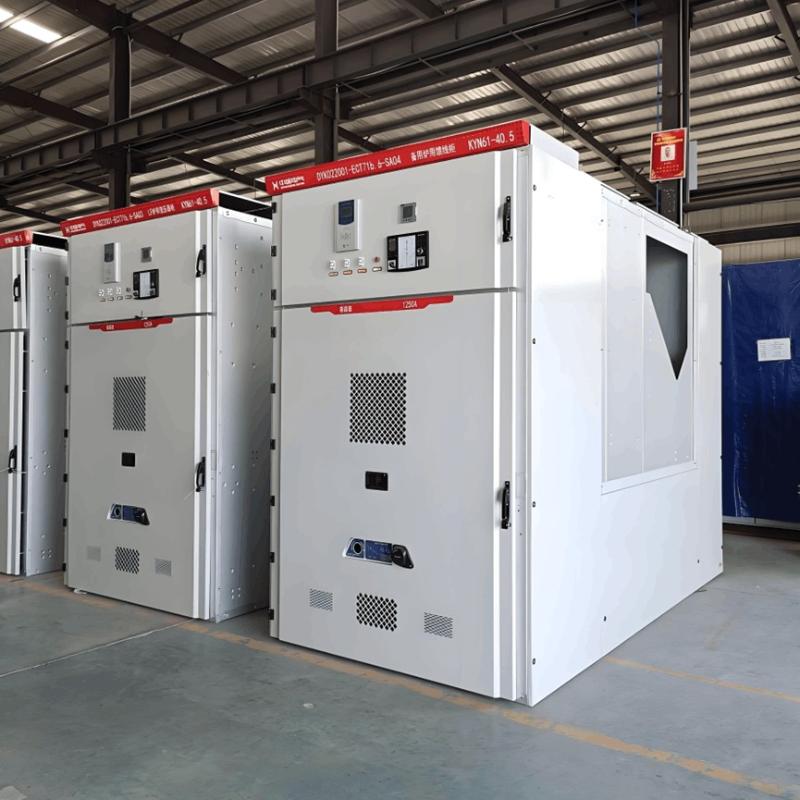
I. Routine Maintenance and Inspection(1) Visual Inspection of Switchgear Enclosure No deformation or physical damage to the enclosure. Protective paint coating shows no severe rust, peeling, or flaking. Cabinet is securely installed, clean on the surface, and free of foreign objects. Nameplates and identification labels are neatly affixed and not falling off.(2) Check of Switchgear Operating Parameters Instruments and meters indicate normal values (comparable to typical operating data, with no s
10/24/2025
Consult
Tip
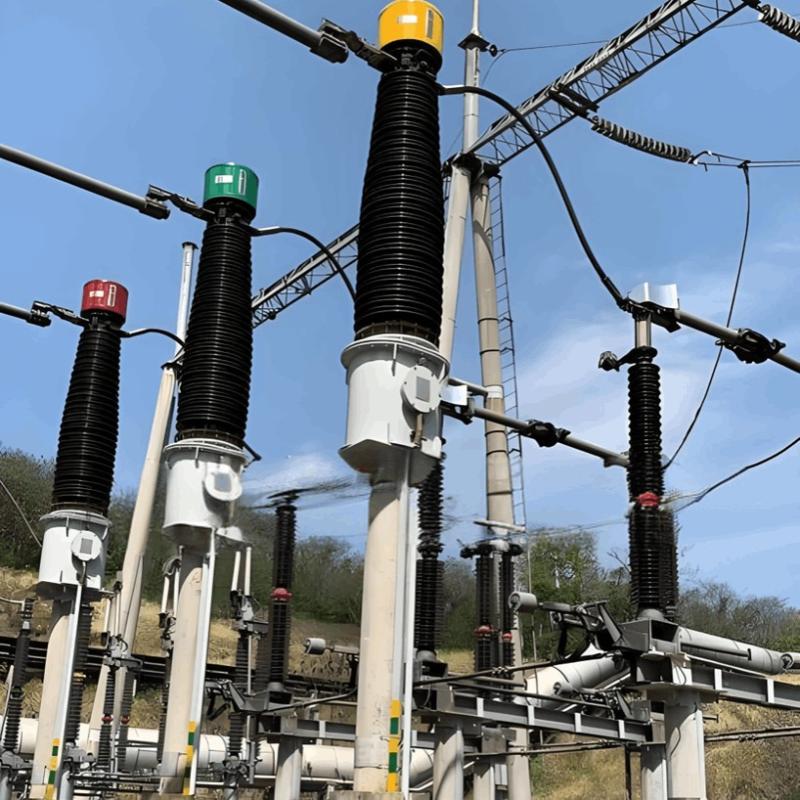
This article categorizes faults into two main types: SF₆ gas circuit faults and circuit breaker failure-to-operate faults. Each is described below:1.SF₆ Gas Circuit Faults1.1 Fault Type: Low gas pressure, but density relay does not trigger alarm or lockout signalCause: Faulty density gauge (i.e., contact not closing)Inspection & Handling: Calibrate actual pressure using a standard gauge. If confirmed, replace the density gauge.1.2 Density Relay Triggers Alarm or Lockout Signal (but pressure
10/24/2025
Consult
Tip
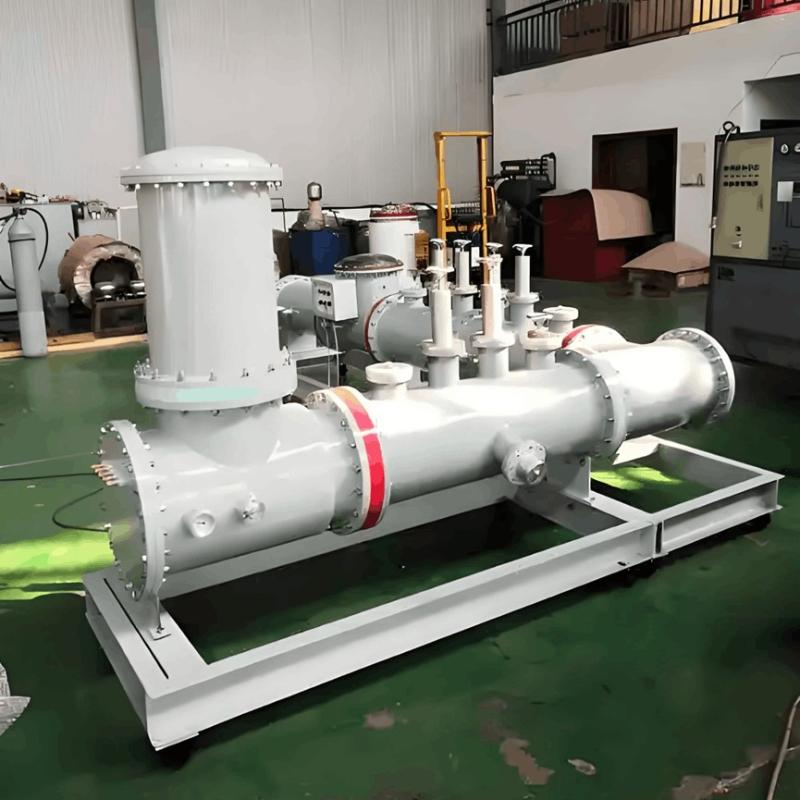
GIS (Gas-Insulated Metal-Enclosed Switchgear) contains numerous bolted and screwed connections, and the tightening torque varies depending on bolt material, size, and application. The recommended tightening torque values are listed below for reference:Table 1 Tightening Torque Values for Bolts of Different Materials and Sizes (N·m / kgf·cm) Thread Diameter (mm) Q235 (A3) Cast Insulator 45 Steel Chrome-Molybdenum Steel Stainless Steel M6 5.88/60 3.92/40 12.3/125 19.6/
10/24/2025
Consult
Tip
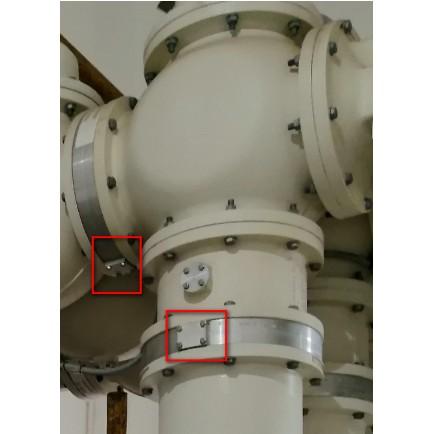
As the title suggests, when performing live partial discharge (PD) testing on Siemens GIS using the UHF method—specifically by accessing the signal through the metal flange of the bushing insulator—you must not directly remove the metal cover on the bushing insulator.Why?You won’t realize the danger until you try. Once removed, the GIS will leak SF₆ gas while energized! Enough talk—let’s go straight to the diagrams.As shown in Figure 1, the small aluminum cover inside the red box is typically th
10/24/2025
Consult
Tip
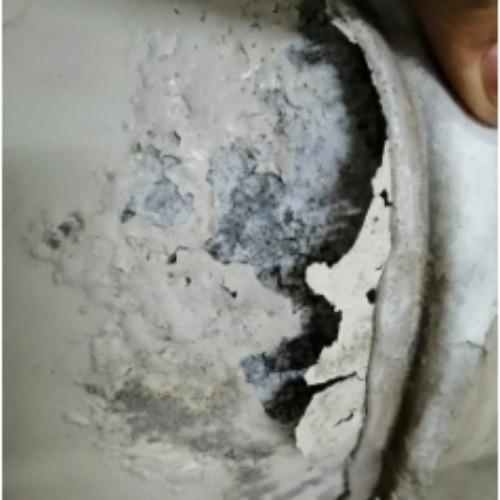
Indoor GIS equipment typically involves wall-penetrating installations, except in cases with cable in/out connections. In most cases, the main or branch bus duct extends from indoors through a wall to the outdoor side, where it connects to porcelain or composite bushings for overhead line connections. The gap between the wall opening and the GIS bus enclosure, however, is prone to water and air leakage and therefore usually requires sealing. This article discusses why cement-based sealing is not
10/24/2025
Consult
Tip
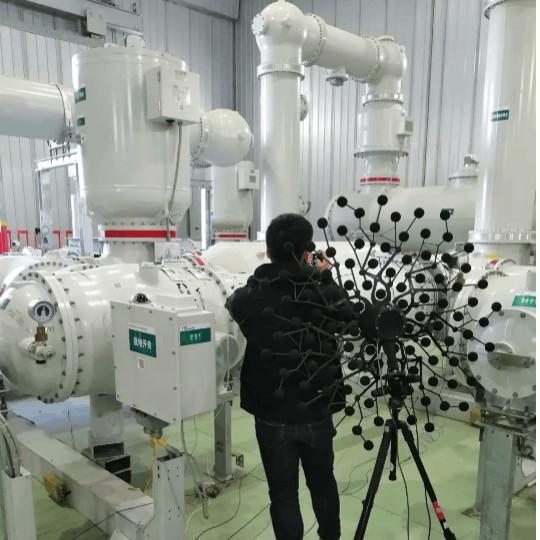
In recent years, acoustic imaging technology for GIS defect detection has developed rapidly. This technology enables intuitive sound source localization, helping operation and maintenance personnel focus on the exact location of GIS defects, thereby improving the efficiency of defect analysis and resolution.Sound source localization is only the first step. It would be even more ideal if common GIS defect types could be automatically identified using artificial intelligence (AI), along with intel
10/24/2025
Consult
Tip
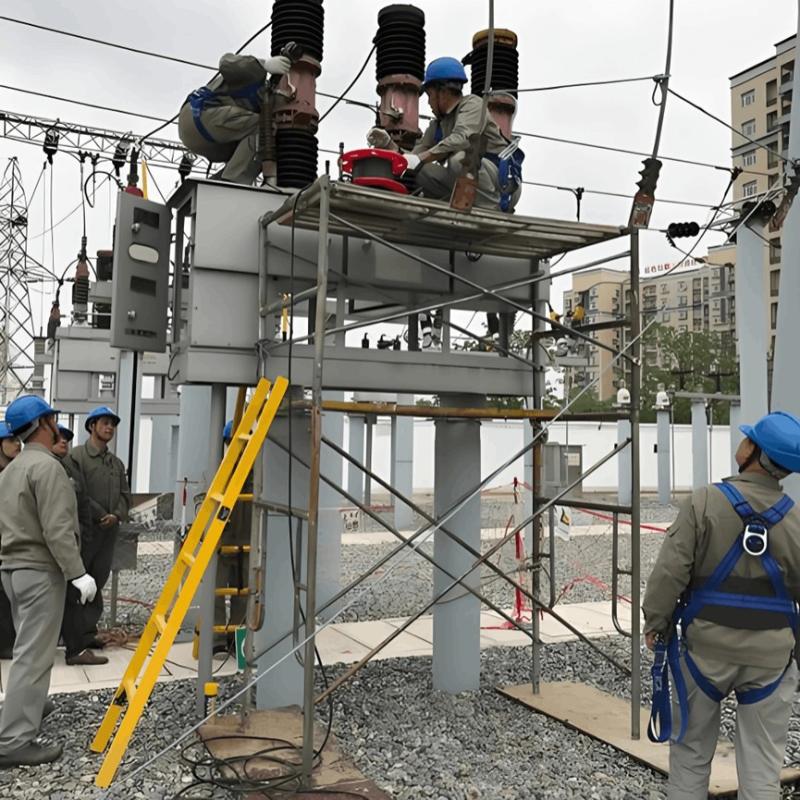
I. Fault Management(1) Basic Principles of Fault Handling Rapidly restrict the development of the fault, eliminate the root cause, and remove threats to personnel, power grid, and equipment safety. Adjust and restore normal power grid operation modes. If the grid has split, quickly restore synchronization. Maintain operation of healthy equipment and ensure continuous power supply to critical users, plant service loads, and substation auxiliary power. Restore power supply to de-energized users an
10/24/2025
Consult
Tip
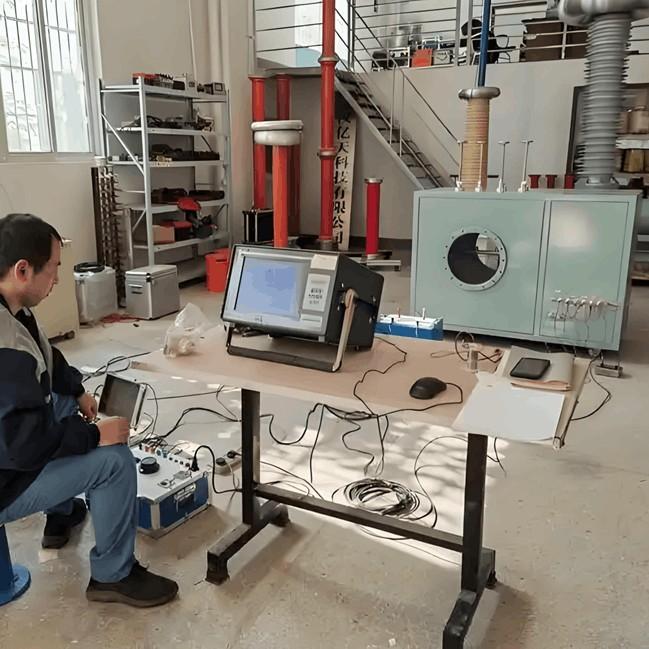
Advancing Power Equipment Diagnostics: The Role of X-ray Digital ImagingWith continuous advancements in power grid equipment research and manufacturing, an increasing number of new devices are being integrated into power systems. As a result, effective monitoring of in-service equipment has become critically important for ensuring grid reliability and safety.The introduction and successful application of X-ray digital imaging technologies—specifically Computed Radiography (CR) and Digital Radiog
10/24/2025
Consult
Tip

As altitude increases, air density, temperature, and atmospheric pressure decrease accordingly, leading to reduced dielectric strength of air gaps and external insulation performance of porcelain components. This results in degraded external insulation performance for high-voltage electrical equipment. Since most high-voltage equipment is designed for installation at altitudes below 1,000 meters, using such equipment at elevations exceeding 1,000 meters may compromise reliable insulation perform
10/23/2025
Consult
Tip






