• Product
  • Suppliers
  • Manufacturers
  • Solutions
  • Free tools
  • Knowledges
  • Experts
  • Communities
Search


Free Expert Guides on Power Systems, Circuit Design & Electrical Troubleshooting

Access free engineering resources from IEE Business—covering power design, circuit layout, equipment selection, and troubleshooting. Expert-developed guides help engineers, procurement, and project teams make better decisions. Stay ahead on smart grids, renewables, efficiency, and AI tools. Improve reliability, reduce downtime, and enhance outcomes with real-world solutions. Explore our knowledge hub today.
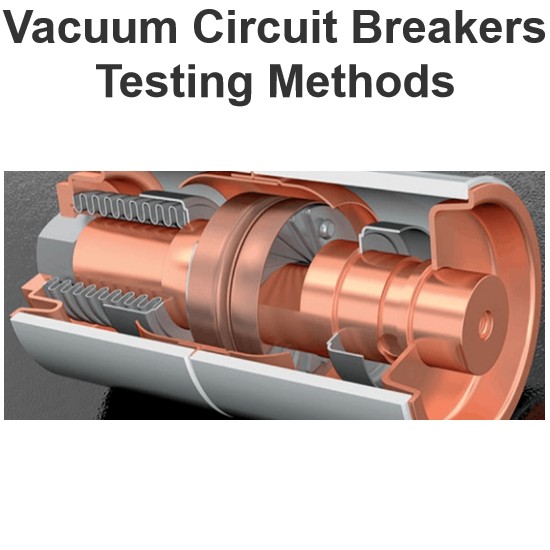
Vacuum Circuit Breakers Testing Methods
When vacuum interrupters are manufactured or used in the field, there are three tests used to validate their functionality: 1. Contact Resistance Test; 2. High Potential Withstand Test; 3. Leak-rate Test.Contact Resistance Test During the contact resistance test, a micro-ohmmeter is applied to the closed contacts of the vacuum interrupter (VI), and the resistance is measured and recorded. The result is then compared against the design specifications and/or the average values for other vacuum in
03/01/2025
Consult
Tip
Consult
Tip
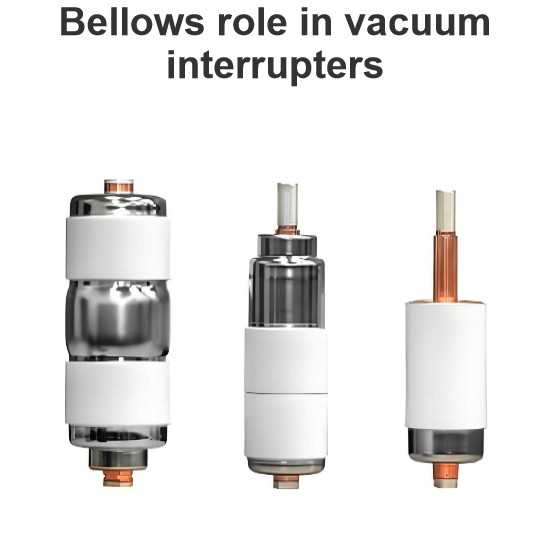
Bellows role in vacuum interrupters
Introduction to Vacuum Interrupters and BellowsWith technological advancements and the growing concern over global warming, vacuum circuit breakers have emerged as a significant consideration in the electrical engineering domain.Future power grids are placing increasingly stringent demands on the switching performance of circuit breakers, with a particular emphasis on higher switching speeds and extended operational lifetimes. In medium - voltage circuit breakers, vacuum interrupters (VIs) have
02/28/2025
Consult
Tip
Consult
Tip
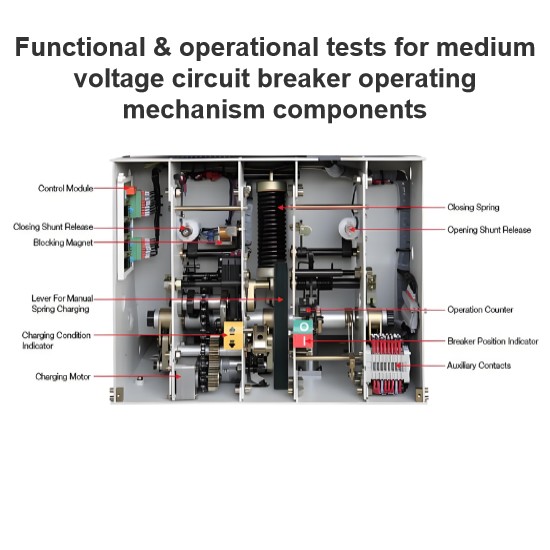
Functional and operational tests for medium voltage circuit breaker operating mechanism components
Circuit Breaker Operation TestClose Operation Test – Local/RemoteThis test is conducted manually, locally, and remotely. In the manual operation test, the spring is charged manually, and the breaker is closed and opened manually as well. For local operation, control power and AC supply are provided to the spring charging motor, and the circuit breaker is closed using the TNC switch. The function of the closing coil and the operation of the spring charging motor are observed. If remote
02/26/2025
Consult
Tip
Consult
Tip
Key Concepts of Magnetic Materials
The Magnetic Dipole MomentWhen exposed to the same external magnetic field, different materials can exhibit vastly different responses. To delve into the underlying reasons, we must first grasp how magnetic dipoles govern magnetic behavior. This understanding begins with an exploration of the magnetic dipole moment.The magnetic dipole moment, often referred to as the magnetic moment for simplicity, serves as a fundamental concept in electromagnetics. It offers a powerful tool for comprehending a
02/25/2025
Consult
Tip
Consult
Tip
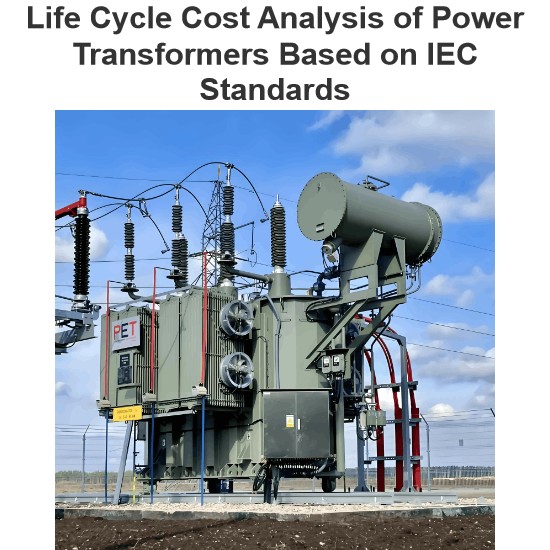
Life Cycle Cost Analysis of Power Transformers Based on IEC Standards
Life Cycle Cost Analysis of Power Transformers Based on IEC StandardsCore Framework Under IEC StandardsAccording to IEC 60300-3-3, the life cycle cost (LCC) of power transformers includes five stages: Initial Investment Costs: Procurement, installation, and commissioning (e.g., 20% of total LCC for a 220kV transformer). Operational Costs: Energy losses (60%-80% of LCC), maintenance, and inspections (e.g., annual savings of 2,600 kWh for a 1250kVA dry-type transformer). Decommissioning Costs: Res
02/25/2025
Consult
Tip
Consult
Tip
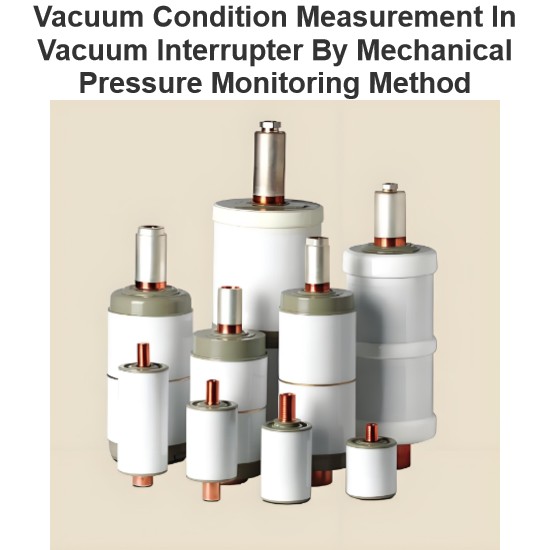
Vacuum Condition Measurement In Vacuum Interrupter By Mechanical Pressure Monitoring Method
Vacuum Condition Monitoring in Vacuum InterruptersVacuum interrupters (VIs) serve as the primary circuit interruption medium for medium voltage power systems and are increasingly utilized in low, medium, and high-voltage systems. The performance of VIs hinges on maintaining an internal pressure below 10 hPa (where 1 hPa equals 100 Pa or 0.75 torr). Prior to leaving the factory, VIs are tested to ensure their internal pressure is ≤10^-3 hPa.The performance of a VI correlates with its vacuu
02/24/2025
Consult
Tip
Consult
Tip
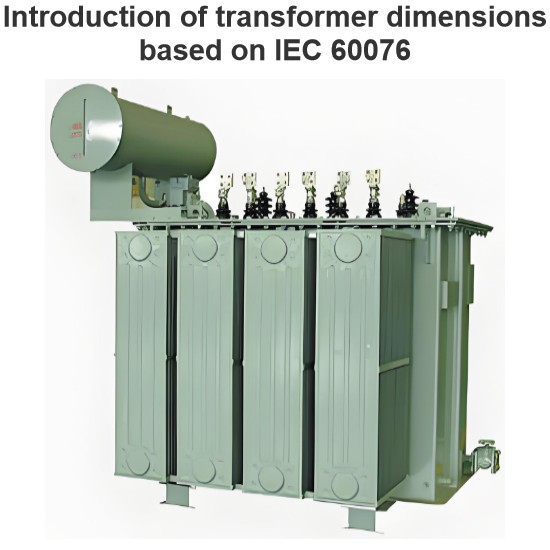
Introduction of transformer dimensions based on IEC 60076
Relationship Between Rated Capacity and DimensionsDefinition of Rated Capacity: According to IEC 60076-1, the rated capacity is the maximum apparent power (kVA or MVA) allowed under continuous load, ensuring compliance with steady-state temperature rise and voltage regulation requirements.Key Parameters Affecting Dimensions: No-load loss (P0)and load loss (Pk)directly influence the physical size of the core and windings. Short-circuit impedance (%) correlates with winding turns and insulation di
02/22/2025
Consult
Tip
Consult
Tip
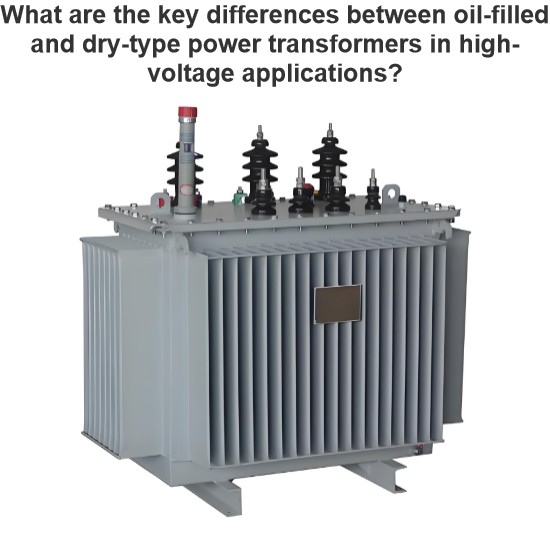
What are the key differences between oil-filled and dry-type power transformers in high-voltage applications ?
Insulating medium Oil - filled type: It uses insulating oil (such as mineral oil, silicone oil) as the main insulating medium. The iron core and coils are immersed in the oil. The insulating property of the oil is utilized to isolate conductors with different potentials, preventing short - circuits and discharges. Dry - type: It adopts air or solid insulating materials, such as epoxy resin, as the insulating medium. Materials like epoxy resin are wrapped around the coils, serving as insulation a
02/19/2025
Consult
Tip
Consult
Tip
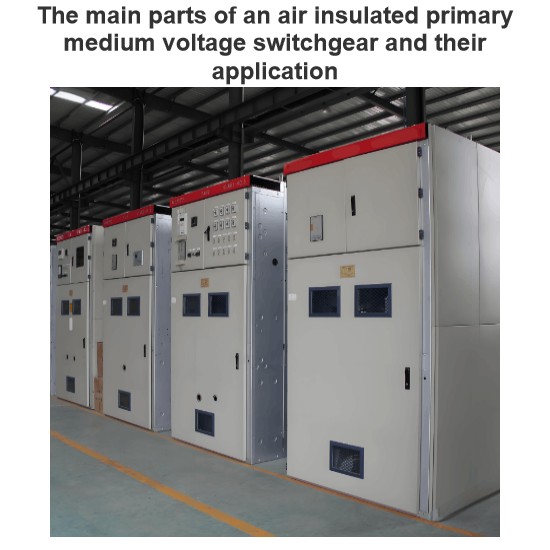
The main parts of an air insulated primary medium voltage switchgear and their application
Medium voltage switchgear plays a crucial role in the energy distribution process within alternating current (AC) systems, facilitating the flow of power from generation through transmission to end-users. This essential equipment is governed by specific standards that define its specifications, terminology, ratings, design criteria, construction practices, and testing protocols. For the European region, these guidelines are detailed in the following International Electrotechnical Commission (IEC
02/17/2025
Consult
Tip
Consult
Tip
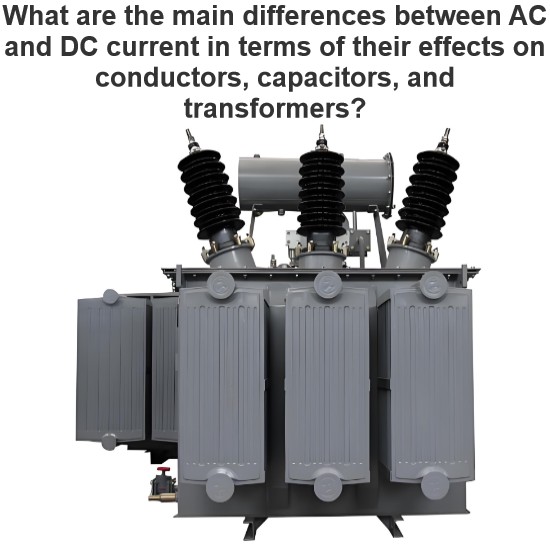
What are the main differences between AC and DC current in terms of their effects on conductors, capacitors, and transformers?
Differences in the Impact of AC and DC on Conductors, Capacitors, and TransformersThe effects of alternating current (AC) and direct current (DC) on conductors, capacitors, and transformers differ significantly, primarily in the following aspects:Impact on Conductors Skin Effect: In AC circuits, due to electromagnetic induction, the current tends to flow near the surface of the conductor, a phenomenon known as the skin effect. This results in a reduced effective cross-sectional area of the condu
02/15/2025
Consult
Tip
Consult
Tip
Send inquiry
+86
Click to upload file
Download
Get the IEE Business Application
Use the IEE-Business app to find equipment, obtain solutions, connect with experts, and participate in industry collaboration anytime, anywhere—fully supporting the development of your power projects and business.