• Product
  • Suppliers
  • Manufacturers
  • Solutions
  • Free tools
  • Knowledges
  • Experts
  • Communities
Search


Free Expert Guides on Power Systems, Circuit Design & Electrical Troubleshooting

Access free engineering resources from IEE Business—covering power design, circuit layout, equipment selection, and troubleshooting. Expert-developed guides help engineers, procurement, and project teams make better decisions. Stay ahead on smart grids, renewables, efficiency, and AI tools. Improve reliability, reduce downtime, and enhance outcomes with real-world solutions. Explore our knowledge hub today.
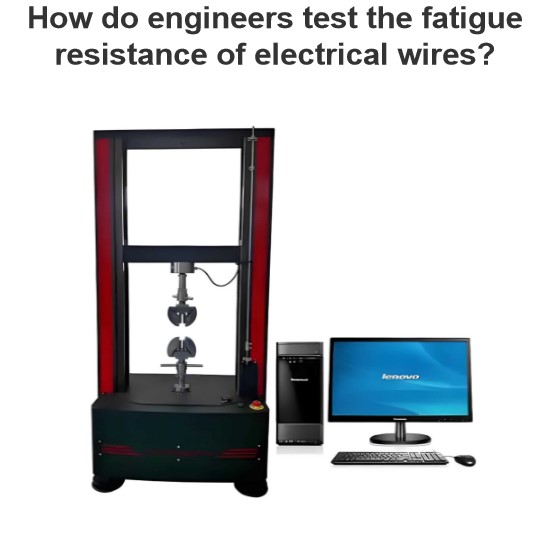
How do engineers test the fatigue resistance of electrical wires?
How Engineers Test the Fatigue Resistance of WiresTesting the fatigue resistance of wires is a crucial step to ensure their reliability and safety during long-term use. Wires are subjected to repeated bending, stretching, and vibration in practical applications, so evaluating their fatigue performance is essential. Below are some methods and techniques that engineers typically use to test the fatigue resistance of wires.1. Bending Fatigue TestPurpose:To assess the durability of wires under repea
01/10/2025
Consult
Tip
Consult
Tip
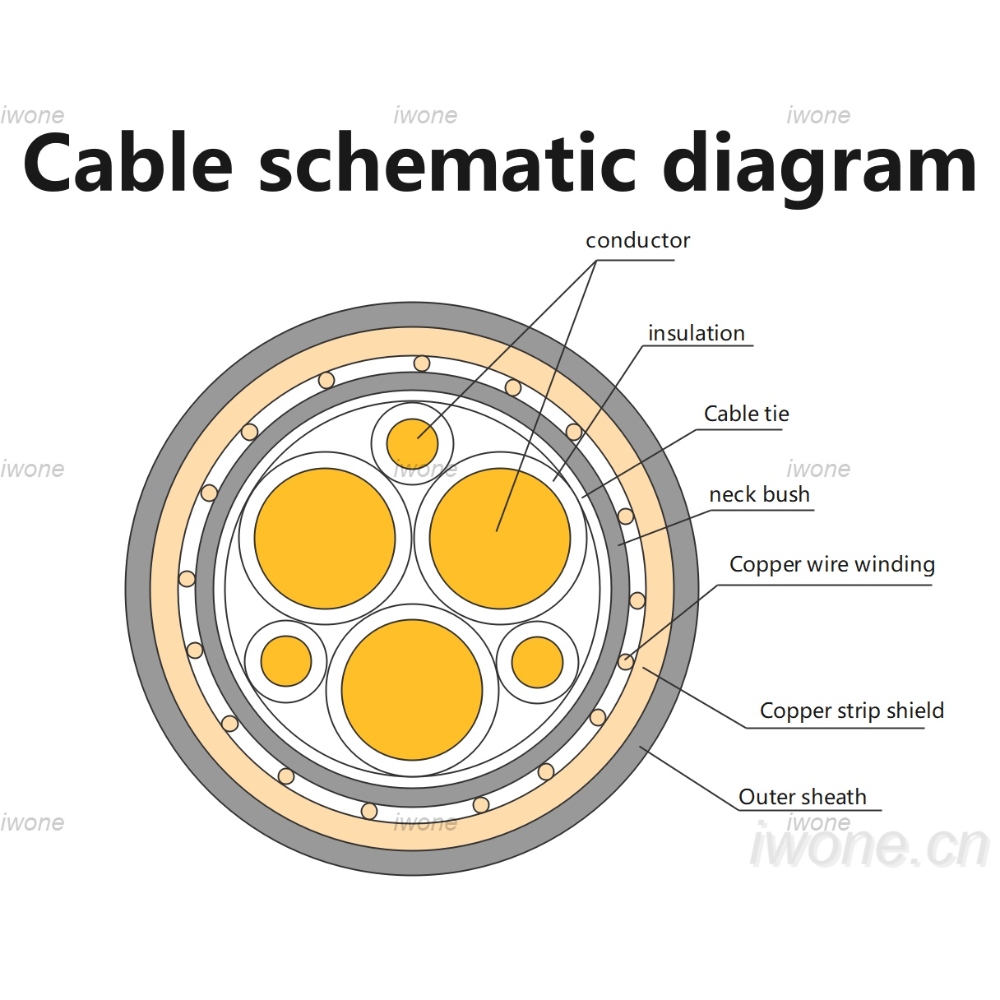
Cable schematic diagram
Consult
Tip
Consult
Tip
The circuit diagram of the house
Consult
Tip
Consult
Tip
Cable protection wiring diagram
Consult
Tip
Consult
Tip
What are the key features of a paper insulated copper cable?
Main Features of Paper-Insulated Copper Cable (PCC)1. Excellent Electrical Performance High Insulation Strength: The paper insulation, when impregnated with insulating oil, provides excellent insulation strength, making it suitable for high-voltage and ultra-high-voltage transmission systems. Low Dielectric Loss: The dielectric loss tangent of the paper insulation is low, reducing energy losses and improving transmission efficiency. Good Heat Resistance: The paper insulation maintains stable ele
12/11/2024
Consult
Tip
Consult
Tip
Pipeline instrumentation circuit diagram template
Consult
Tip
Consult
Tip
What is the classification of a transmission line?
Classification of Transmission LinesTransmission lines are facilities used in power systems to transmit electrical energy generated by power plants to substations or end-users. Depending on different criteria, transmission lines can be classified in various ways. Below are the main classifications of transmission lines based on key standards:1. Classification by Voltage LevelTransmission lines are typically categorized by their operating voltage as follows: High Voltage Transmission Lines (HV):
12/05/2024
Consult
Tip
Consult
Tip
What is the difference between electrical wire and electrical cable?
1. Structure and Dimensions Wire: Typically consists of several flexible conductors with an insulating layer on the outside. Wires are smaller in size and have a relatively simple structure. Cable: Consists of one or more conductive cores that are insulated from each other, usually surrounded by a protective sheath. Cables are larger in size and have a more complex structure.2. Purpose Wire: Primarily used for transmitting smaller amounts of electricity and signals, suitable for connecting house
12/03/2024
Consult
Tip
Consult
Tip
What are high-voltage power cables and the key features of high voltage power cables?
A high-voltage power cable is a type of cable used for transmitting and distributing high-voltage electrical energy, typically in power transmission and distribution networks. The design and manufacturing of high-voltage power cables must meet strict standards to ensure safe and reliable operation under high voltage and high current conditions. Here are the main features of high-voltage power cables:1. Complex Structure Conductor: Usually composed of multiple strands of copper or aluminum wire t
11/26/2024
Consult
Tip
Consult
Tip
How does changing the size of a wire in an electrical circuit affect the current?
Changing the thickness of wires in a circuit can have a significant impact on the current, which is reflected in several aspects:1. Resistance changeThe thickness of a wire directly affects its resistance. According to Ohm's Law, resistance is directly proportional to the length of the conductor and inversely proportional to its cross-sectional area. Therefore, thinner wires have higher resistance, while thicker wires have lower resistance.2. Power LossDue to the presence of resistance, when cur
11/26/2024
Consult
Tip
Consult
Tip
Send inquiry
+86
Click to upload file
Download
Get the IEE Business Application
Use the IEE-Business app to find equipment, obtain solutions, connect with experts, and participate in industry collaboration anytime, anywhere—fully supporting the development of your power projects and business.