• Product
  • Suppliers
  • Manufacturers
  • Solutions
  • Free tools
  • Knowledges
  • Experts
  • Communities
Search


Free Expert Guides on Power Systems, Circuit Design & Electrical Troubleshooting

Access free engineering resources from IEE Business—covering power design, circuit layout, equipment selection, and troubleshooting. Expert-developed guides help engineers, procurement, and project teams make better decisions. Stay ahead on smart grids, renewables, efficiency, and AI tools. Improve reliability, reduce downtime, and enhance outcomes with real-world solutions. Explore our knowledge hub today.
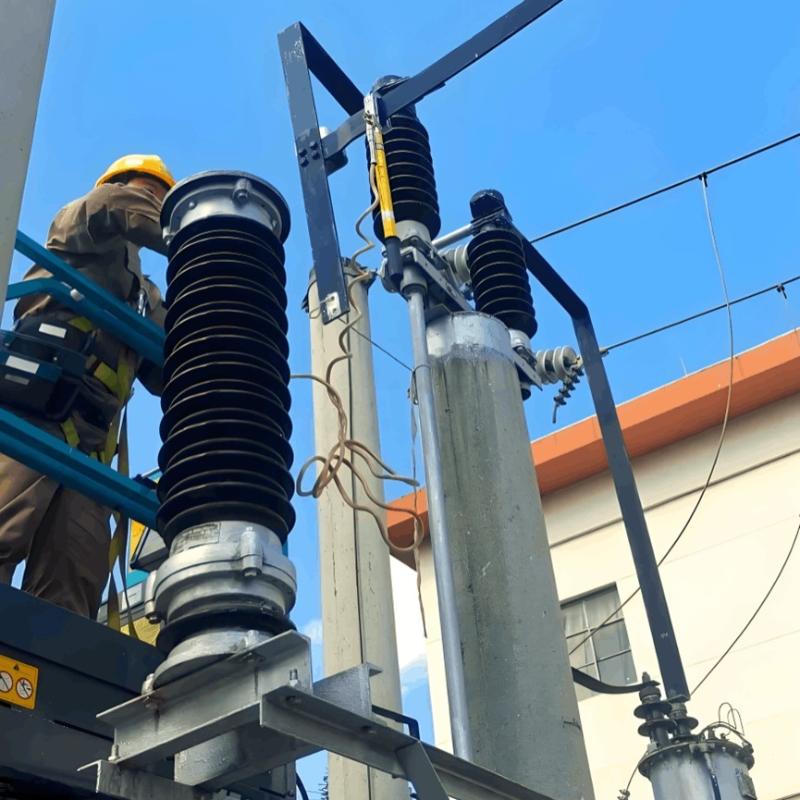
On-Line Testing for Surge Arresters Below 110kV: Safe and Efficient
An On-Line Testing Method for Surge Arresters at 110kV and BelowIn power systems, surge arresters are critical components that protect equipment from lightning overvoltage. For installations at 110kV and below—such as 35kV or 10kV substations—an on-line testing method effectively avoids the economic losses associated with power outages. The core of this method lies in using online monitoring technology to evaluate arrester performance without interrupting system operation.The test principle is b
10/23/2025
Consult
Tip
Consult
Tip
What Is MVDC Technology? Benefits, Challenges & Future Trends
Medium-voltage direct current (MVDC) technology is a key innovation in power transmission, designed to overcome limitations of traditional AC systems in specific applications. By transmitting electrical energy via DC at voltages typically ranging from 1.5 kV to 50 kV, it combines the long-distance transmission advantages of high-voltage DC with the flexibility of low-voltage DC distribution. Against the backdrop of large-scale renewable integration and new power system development, MVDC is emerg
10/23/2025
Consult
Tip
Consult
Tip
Why Can't VT Be Shorted & CT Be Opened? Explained
We all know that a voltage transformer (VT) must never operate short-circuited, while a current transformer (CT) must never operate open-circuited. Short-circuiting a VT or opening the circuit of a CT will damage the transformer or create hazardous conditions.From a theoretical standpoint, both VTs and CTs are transformers; the difference lies in the parameters they are designed to measure. So why, despite being fundamentally the same type of device, is one prohibited from short-circuit operatio
10/22/2025
Consult
Tip
Consult
Tip
How to Safely Operate & Maintain Current Transformers?
I. Permissible Operating Conditions for Current Transformers Rated Output Capacity: Current transformers (CTs) must operate within the rated output capacity specified on their nameplate. Operation beyond this rating reduces accuracy, increases measurement errors, and causes inaccurate meter readings, similar to voltage transformers. Primary Side Current: The primary current may continuously operate up to 1.1 times the rated current. Prolonged overload operation increases measurement errors and m
10/22/2025
Consult
Tip
Consult
Tip
How to Improve Rectifier Transformer Efficiency? Key Tips
Optimization Measures for Rectifier System EfficiencyRectifier systems involve numerous and diverse equipment, so many factors affect their efficiency. Therefore, a comprehensive approach is essential during design. Increase Transmission Voltage for Rectifier LoadsRectifier installations are high-power AC/DC conversion systems requiring substantial power. Transmission losses directly impact rectifier efficiency. Increasing the transmission voltage appropriately reduces line losses and improves r
10/22/2025
Consult
Tip
Consult
Tip
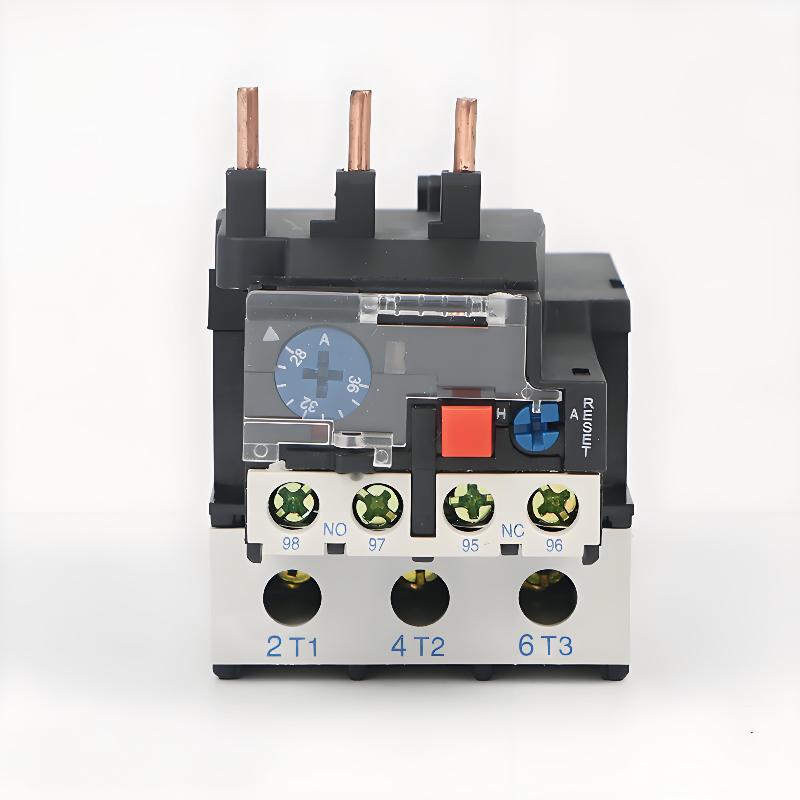
How to Choose a Thermal Relay for Motor Protection?
Thermal Relays for Motor Overload Protection: Principles, Selection, and ApplicationIn motor control systems, fuses are primarily used for short-circuit protection. However, they cannot protect against overheating caused by prolonged overloading, frequent forward-reverse operation, or undervoltage operation. Currently, thermal relays are widely used for motor overload protection. A thermal relay is a protective device that operates based on the thermal effect of electric current, and is essentia
10/22/2025
Consult
Tip
Consult
Tip
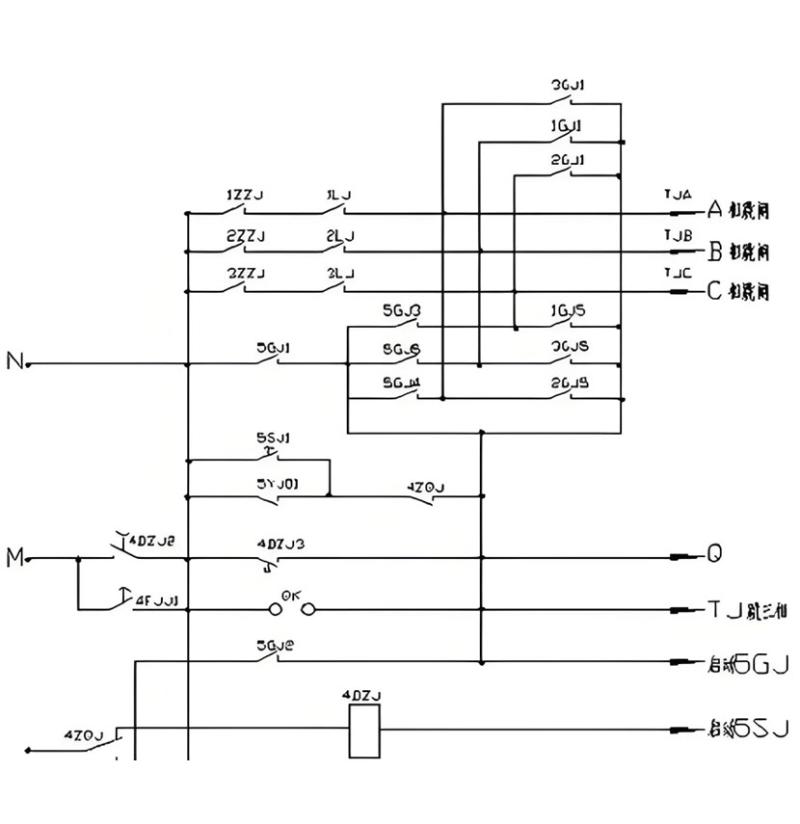
Automatic Reclosing Modes: Single, Three-Phase & Composite
General Overview of Automatic Reclosing ModesTypically, automatic reclosing devices are categorized into four modes: single-phase reclosing, three-phase reclosing, composite reclosing, and disabled reclosing. The appropriate mode can be selected based on load requirements and system conditions.1. Single-Phase ReclosingMost 110kV and higher transmission lines employ three-phase single-shot reclosing. According to operational experience, over 70% of short-circuit faults in high-voltage overhead li
10/21/2025
Consult
Tip
Consult
Tip
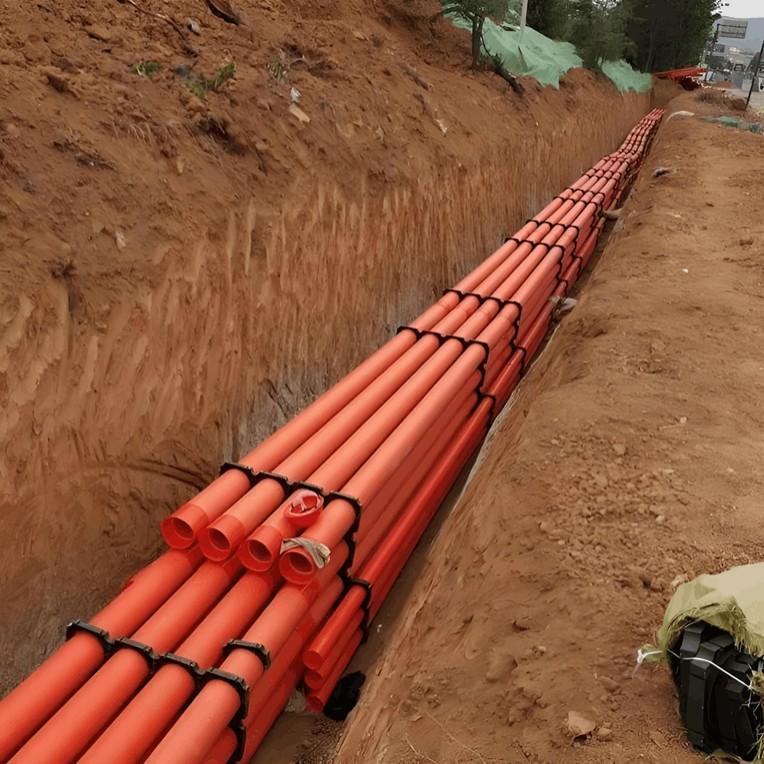
How to Install MPP Pipes Without Excavation: Full Guide
I. Management Regulations for Trenchless Construction of MPP Power ConduitsIn power engineering, cable installation often employs trenchless techniques such as "pulling pipe" or "pipe jacking" due to routing constraints, construction schedules, and other objective factors. While trenchless methods offer advantages like minimal traffic disruption and shorter construction periods, they also present safety and management challenges. This is because trenchless technology remains relatively new for p
10/21/2025
Consult
Tip
Consult
Tip
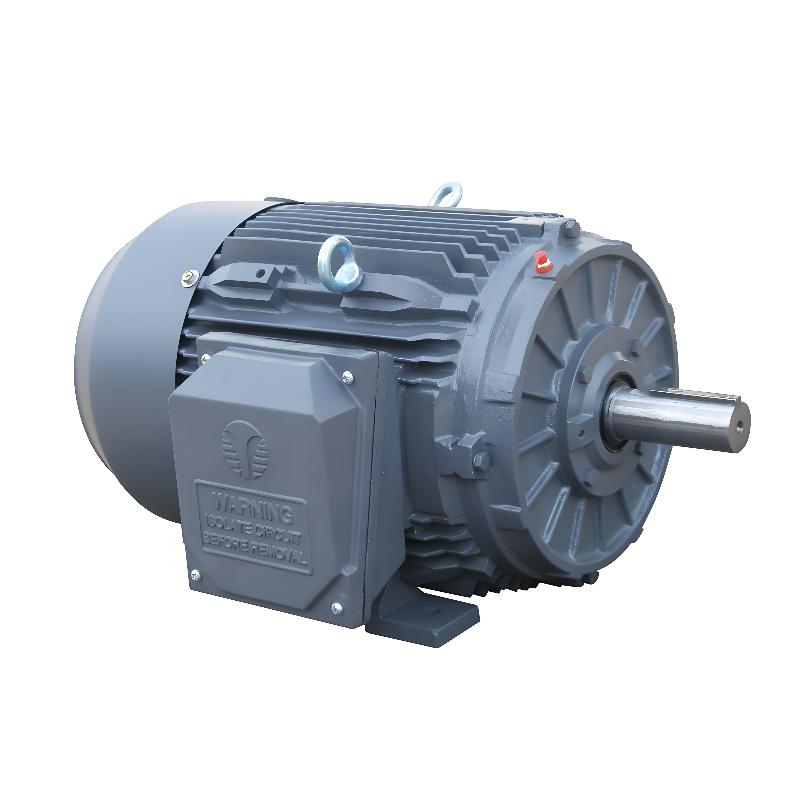
How to Choose & Maintain Electric Motors: 6 Key Steps
"Selecting a High-Quality Motor" – Remember the Six Key Steps Inspect (Look): Check the motor’s appearanceThe motor’s surface should have a smooth, even paint finish. The nameplate must be properly installed with complete and clear markings, including: model number, serial number, rated power, rated current, rated voltage, allowable temperature rise, connection method, speed, noise level, frequency, protection rating, weight, standard code, duty type, insulation class, manufacturing date, and ma
10/21/2025
Consult
Tip
Consult
Tip
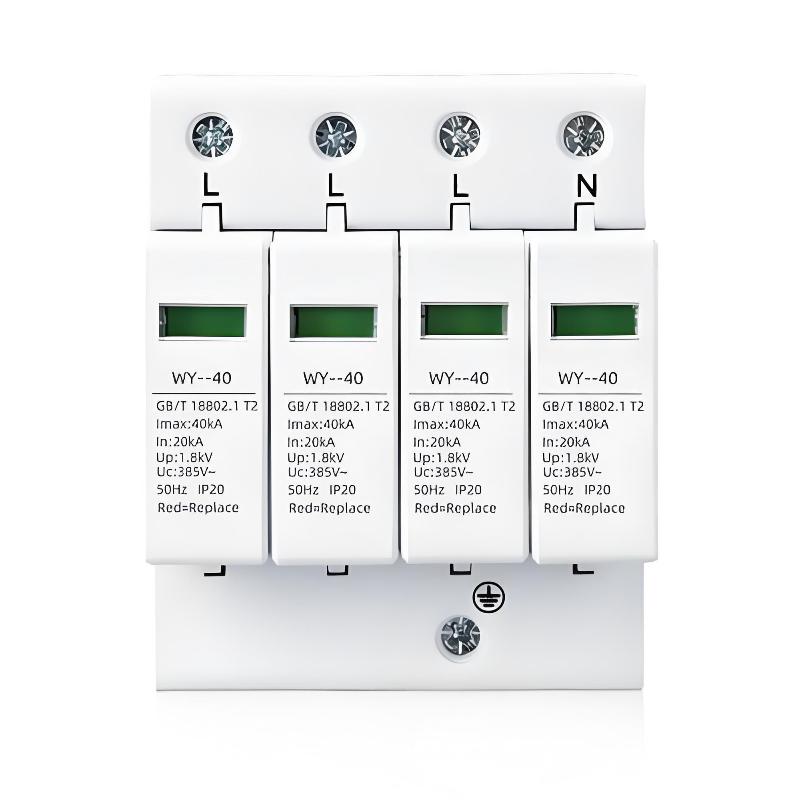
SPD Installation Problems & Best Practices
Common Issues and Solutions for SPDs in Practical ApplicationsSurge Protective Devices (SPDs) are critical for protecting electrical systems from transient overvoltages. However, several common issues occur in real-world installations: Insufficient maximum continuous operating voltage (Uc): Uc is lower than the grid’s maximum possible voltage, leading to SPD overheating or failure. Voltage protection level (Up) exceeds equipment impulse withstand voltage (Uw): SPD cannot adequately protect sensi
10/21/2025
Consult
Tip
Consult
Tip
Send inquiry
+86
Click to upload file
Download
Get the IEE Business Application
Use the IEE-Business app to find equipment, obtain solutions, connect with experts, and participate in industry collaboration anytime, anywhere—fully supporting the development of your power projects and business.