• Product
  • Suppliers
  • Manufacturers
  • Solutions
  • Free tools
  • Knowledges
  • Experts
  • Communities
Search


Free Expert Guides on Power Systems, Circuit Design & Electrical Troubleshooting

Access free engineering resources from IEE Business—covering power design, circuit layout, equipment selection, and troubleshooting. Expert-developed guides help engineers, procurement, and project teams make better decisions. Stay ahead on smart grids, renewables, efficiency, and AI tools. Improve reliability, reduce downtime, and enhance outcomes with real-world solutions. Explore our knowledge hub today.
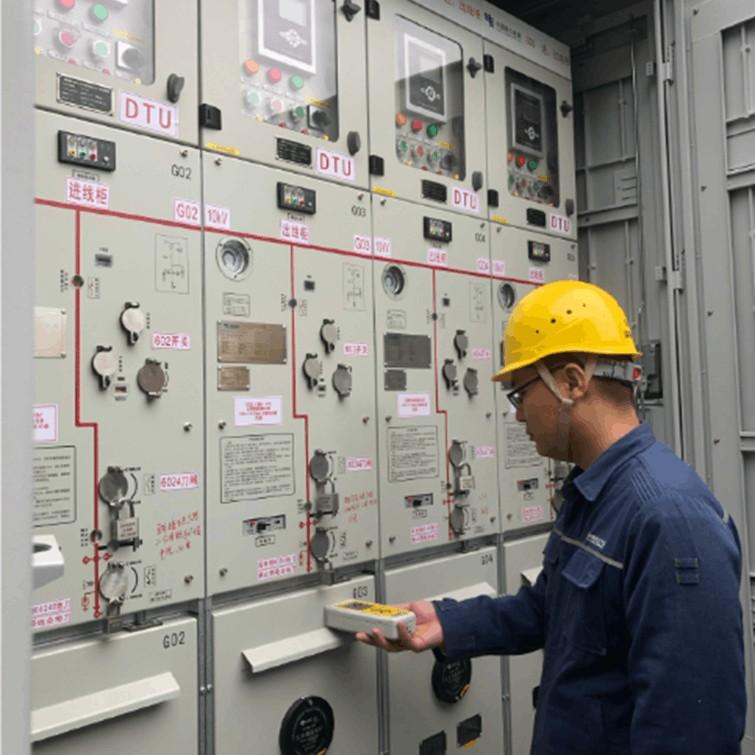
How to Inspect an Electrical Room: Complete Checklist
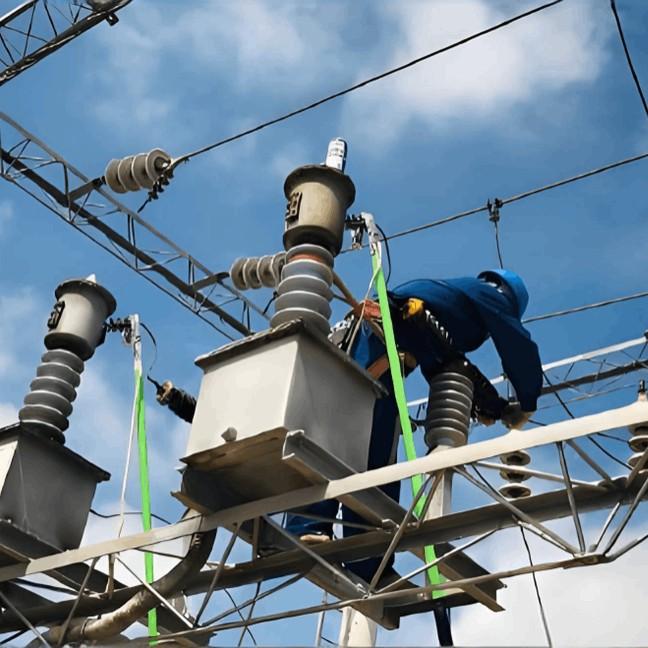
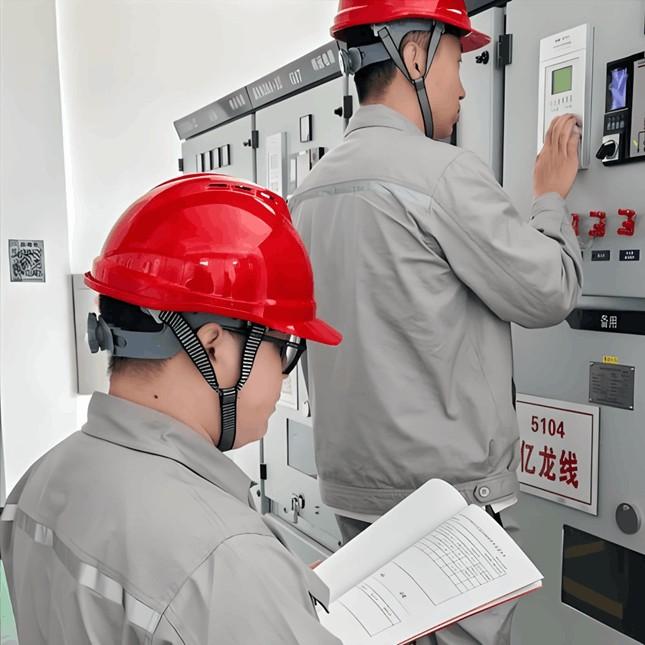
Electrical Room Inspection: Content and PrecautionsThe electrical room is a critical facility for power equipment, responsible for power supply, distribution, and energy output. Therefore, regular inspection of the electrical room is an essential task.1. Electrical Room Inspection Content: Check the operation and lock of entry/exit doors, ensure door gaps are tight, and verify the floor is level and free of obstructions. Monitor the room’s temperature, humidity, and odor to ensure environmental
11/01/2025
Consult
Tip
Consult
Tip
Handling 35kV Substation Fault Tripping
Analysis and Handling of Fault Tripping in 35kV Substation Operation1. Analysis of Tripping Faults1.1 Line-Related Tripping FaultsIn power systems, the coverage area is extensive. To meet power supply demands, numerous transmission lines must be installed—posing significant management challenges. Especially for special-purpose lines, installations are often located in remote areas such as suburbs to minimize impact on residential life. However, these remote areas have complex environments, makin
10/31/2025
Consult
Tip
Consult
Tip
Infrared, UV & Ultrasonic Busbar Discharge Testing
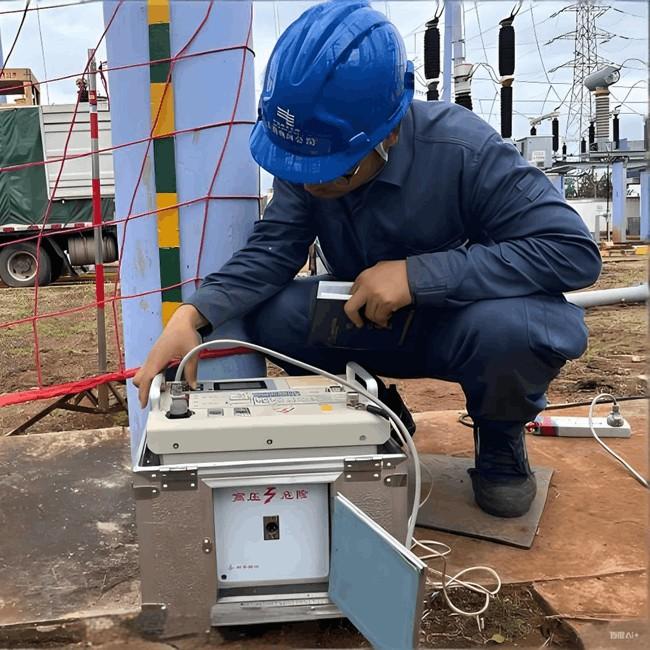
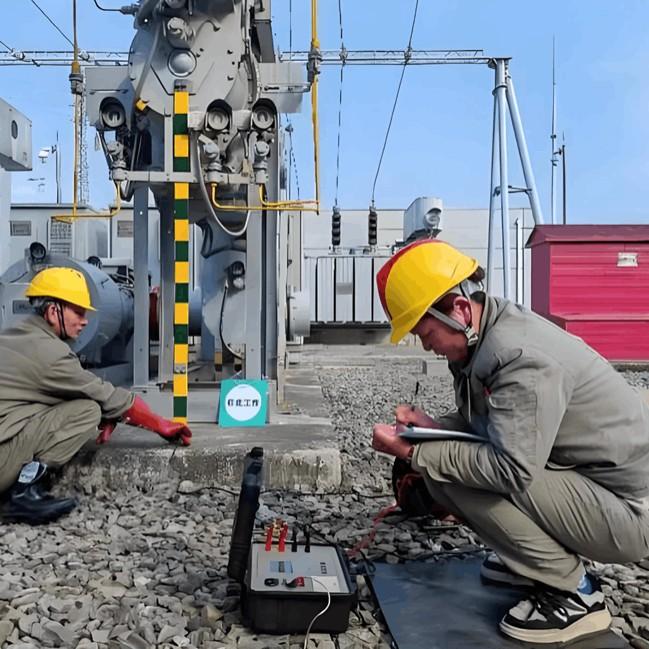
1. Methods for Detecting Busbar Discharge1.1 Insulation Resistance TestThe insulation resistance test is a simple and commonly used method in electrical insulation testing. It is highly sensitive to through-type insulation defects, overall moisture absorption, and surface contamination—conditions that typically result in significantly reduced resistance values. However, it is less effective in detecting localized aging or partial discharge faults.Depending on the equipment’s insulation class and
10/31/2025
Consult
Tip
Consult
Tip
Handling Substation Blackout: Step-by-Step Guide
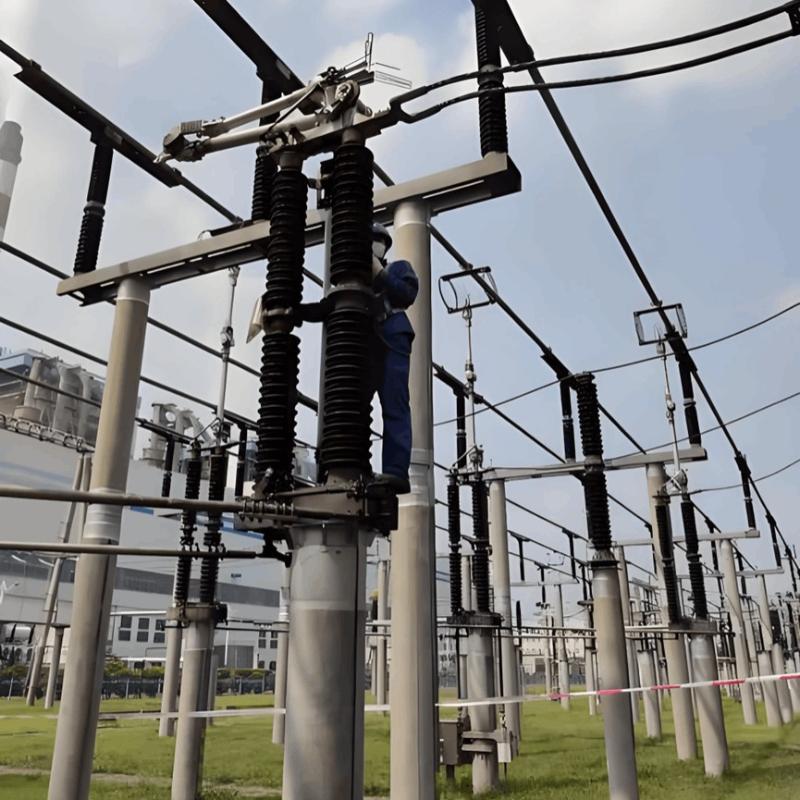
1. Purpose of Handling Total Substation BlackoutA total blackout at a 220 kV or higher substation may lead to widespread power outages, significant economic losses, and instability in the power grid, potentially causing system separation. This procedure aims to prevent voltage loss in main grid substations rated 220 kV and above.2. General Principles for Handling Total Substation Blackout Establish contact with dispatch as soon as possible. Restore station service power promptly. Quickly restore
10/31/2025
Consult
Tip
Consult
Tip
How to Improve Harmonic Detection Accuracy in Power Systems?
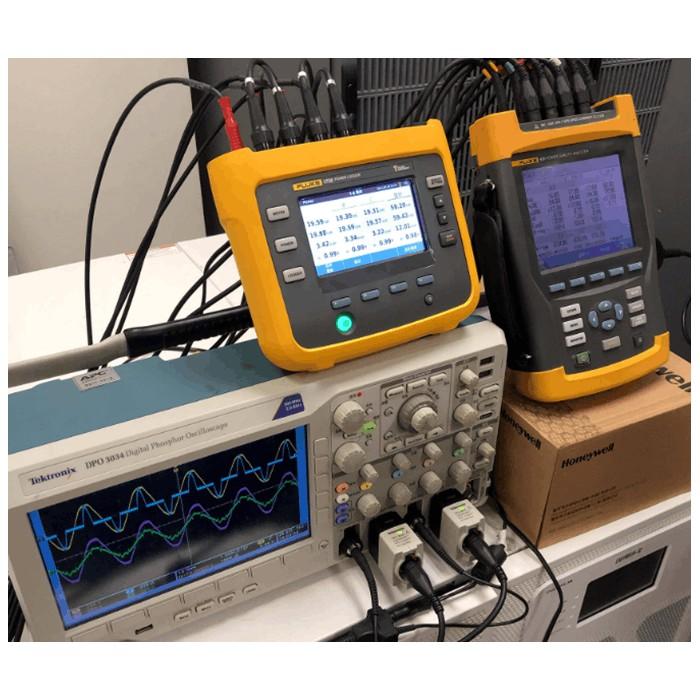
The Role of Harmonic Detection in Ensuring Power System Stability1. Importance of Harmonic DetectionHarmonic detection is a critical method for assessing the level of harmonic pollution in power systems, identifying harmonic sources, and predicting the potential impact of harmonics on the grid and connected equipment. With the widespread use of power electronics and the increasing number of nonlinear loads, harmonic pollution in power grids has become increasingly severe. Harmonics not only disr
10/30/2025
Consult
Tip
Consult
Tip
Solid-State Transformer Selection: Key Decision Criteria
The table below covers key decision criteria from requirements to implementation in the core dimensions of solid-state transformer selection, which you can compare item by item. Evaluation Dimension Key Considerations & Selection Criteria Explanation & Recommendations Core Requirements and Scenario Matching Primary Application Objective: Is the goal to achieve extreme efficiency (e.g., AIDC), require high power density (e.g., microgrid), or improve power quality (e.g., s
10/30/2025
Consult
Tip
Consult
Tip
Home Outlet Grounding Test: 3 Simple Methods
Purpose of Grounding System Functional Grounding (Working Grounding):In power systems, grounding is required for normal operation, such as neutral point grounding. This type of grounding is known as working grounding. Protective Grounding:The metal enclosures of electrical equipment may become energized due to insulation failure. To prevent electric shock hazards to personnel, grounding is provided and is referred to as protective grounding. Overvoltage Protection Grounding:Grounding is installe
10/29/2025
Consult
Tip
Consult
Tip
Complete Guide to Circuit Breaker Selection and Setting Calculation
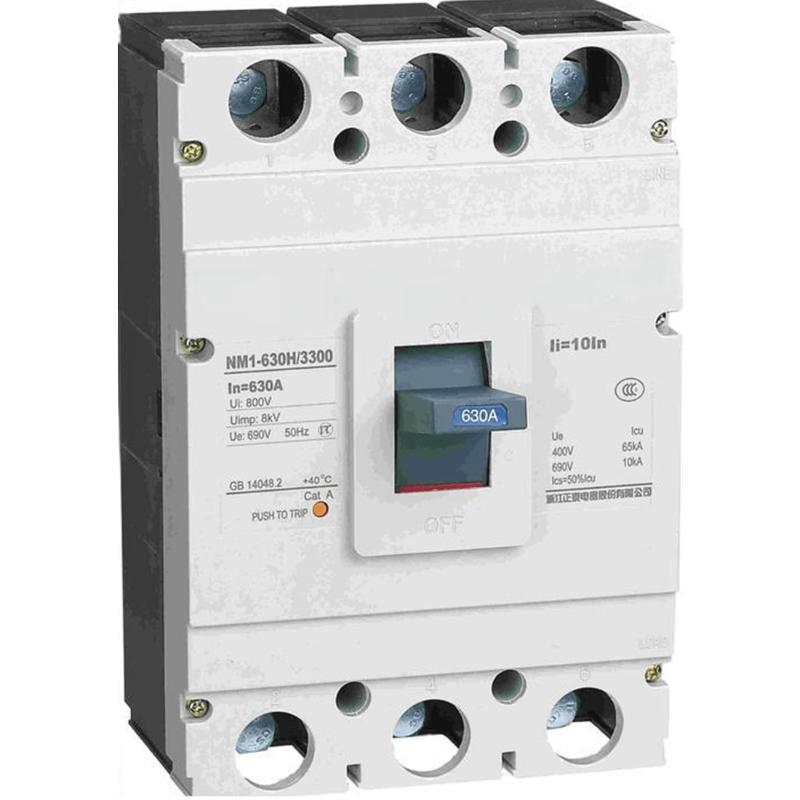
How to Select and Set Circuit Breakers1. Types of Circuit Breakers1.1 Air Circuit Breaker (ACB)Also known as a molded frame or universal circuit breaker, all components are mounted within an insulated metal frame. It is typically open-type, allowing easy replacement of contacts and parts, and can be equipped with various accessories. ACBs are commonly used as main power supply switches. Overcurrent trip units include electromagnetic, electronic, and intelligent types. They provide four-stage pro
10/28/2025
Consult
Tip
Consult
Tip
How to improve the operational efficiency and safety of low-voltage distribution networks?
Optimization and Key Considerations for Operation and Maintenance Management of Low-Voltage Distribution NetworksWith the rapid development of China's power industry, operation and maintenance (O&M) management of low-voltage distribution networks has become increasingly important. A low-voltage distribution network refers to the power supply lines between a power transformer and end-user equipment, forming the most fundamental and critical part of the power system. To ensure its normal opera
10/28/2025
Consult
Tip
Consult
Tip
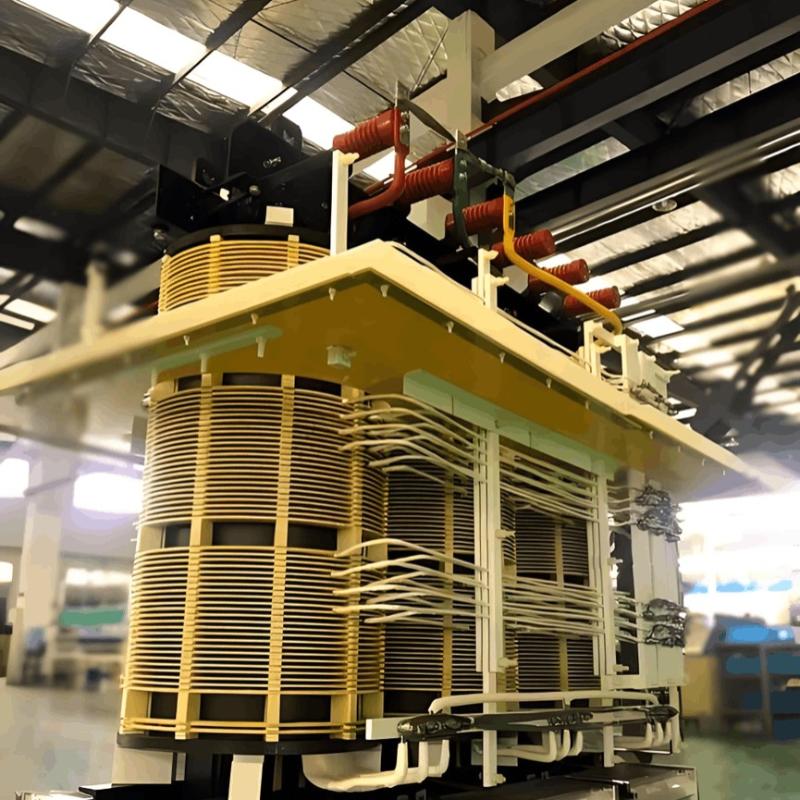
Rectifier vs Power Transformer: Key Differences
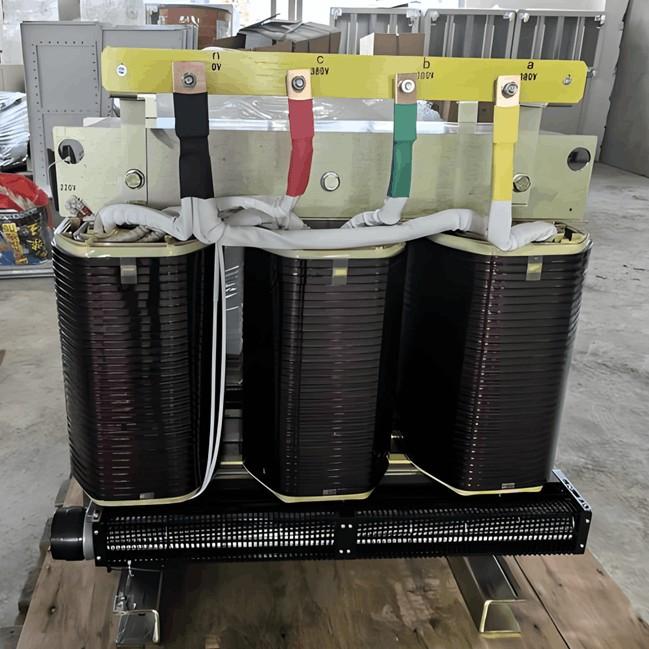
Differences Between Rectifier Transformers and Power TransformersRectifier transformers and power transformers both belong to the transformer family, but they differ fundamentally in application and functional characteristics. The transformers commonly seen on utility poles are typically power transformers, while those supplying electrolytic cells or electroplating equipment in factories are usually rectifier transformers. Understanding their differences requires examining three aspects: working
10/27/2025
Consult
Tip
Consult
Tip
Send inquiry
+86
Click to upload file
Download
Get the IEE Business Application
Use the IEE-Business app to find equipment, obtain solutions, connect with experts, and participate in industry collaboration anytime, anywhere—fully supporting the development of your power projects and business.