• Product
  • Suppliers
  • Manufacturers
  • Solutions
  • Free tools
  • Knowledges
  • Experts
  • Communities
Search


Free Expert Guides on Power Systems, Circuit Design & Electrical Troubleshooting

Access free engineering resources from IEE Business—covering power design, circuit layout, equipment selection, and troubleshooting. Expert-developed guides help engineers, procurement, and project teams make better decisions. Stay ahead on smart grids, renewables, efficiency, and AI tools. Improve reliability, reduce downtime, and enhance outcomes with real-world solutions. Explore our knowledge hub today.
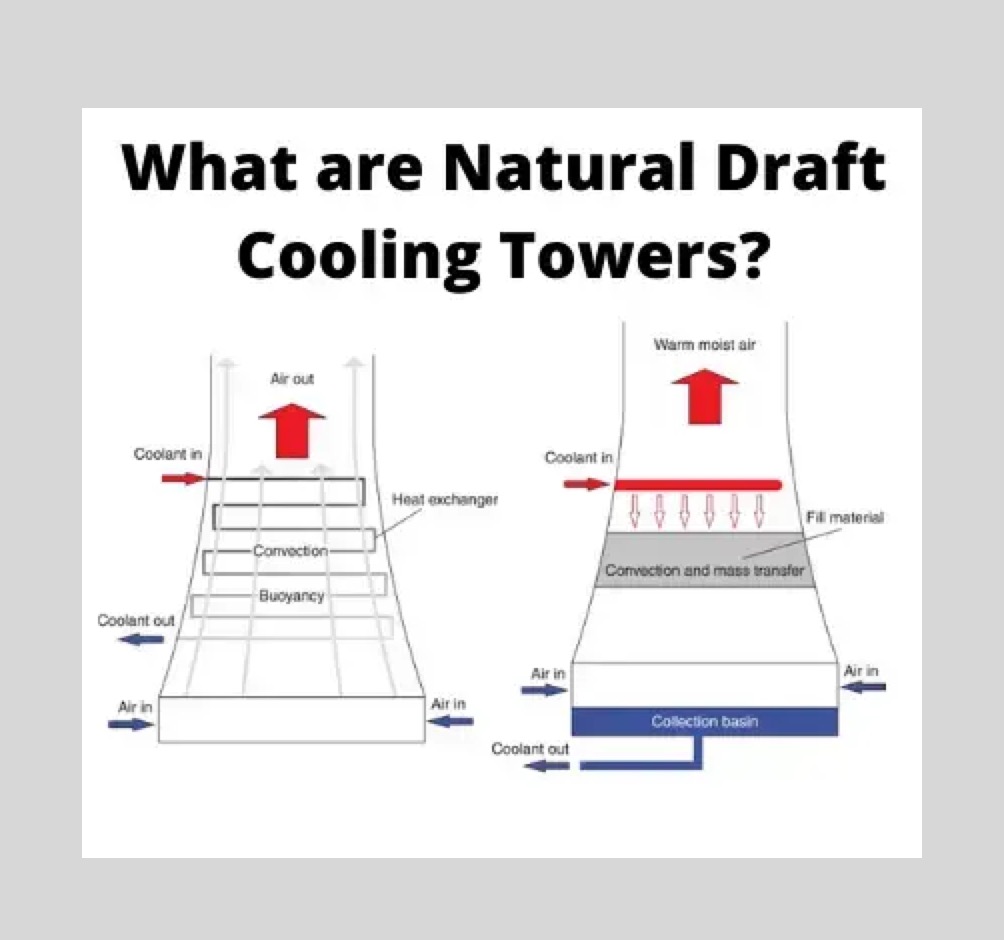
What is a Natural Draft Cooling Tower?
A natural draft cooling tower is a type of heat exchanger that cools water by direct contact with air. It is used in power plants, oil refineries, petrochemical plants, and natural gas plants to remove excess heat from the circulating water system. A natural draft cooling tower relies on the principle of convective flow to provide air circulation, without the need for fans or other mechanical devices. The airflow is driven by the density difference between the warm and moist air inside the tower
03/21/2024
Consult
Tip
Consult
Tip
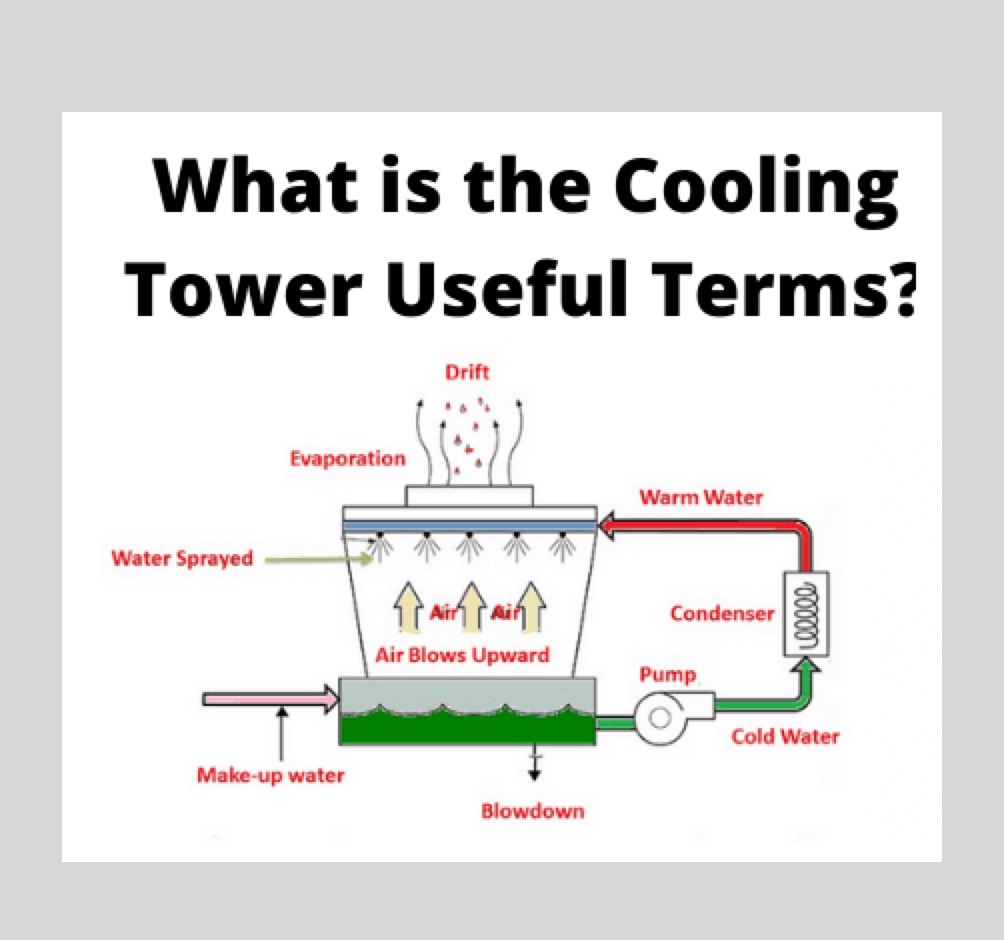
A Comprehensive Guide to Cooling Tower Terminology
A cooling tower is a device that rejects waste heat to the atmosphere through the cooling of a coolant stream, usually a water stream, to a lower temperature. Cooling towers are widely used in industrial processes that require heat removal, such as power generation, refrigeration, air conditioning, and chemical processing. Cooling towers can be classified into different types based on their airflow, water flow, heat transfer method, and shape. Some common types of cooling towers are natural draf
03/21/2024
Consult
Tip
Consult
Tip
Jet Condenser | Low Level High Level Ejector Jet Condenser
There are mainly three types of jet condensers. Low level condenser. High level condenser. Ejector condenser.Low Level CondenserHere condenser chamber is placed at low elevation and overall height of the unit is low enough so that the condenser may be directly placed beneath the steam turbine, pump or pumps are required to extract the cooling water condensate and air from the condenser.Low level jet condensers are of two types- Counter Flow Parallel Flow Jet Condenser.Let discuss this jet conden
03/21/2024
Consult
Tip
Consult
Tip
Steam Condenser for a Turbine: A Comprehensive Guide
What is a Steam Condenser for a Turbine?A steam condenser for a turbine is a device that converts the low-pressure exhaust steam from asteam turbineinto water by using cooling water. The main function of a steam condenser for a turbine is to maintain a low back pressure on the exhaust side of the steam turbine, which increases the efficiency and output of the power plant.The exhaust steam from the turbine has to expand to a large extent to convert its available energy into mechanical work. If th
03/21/2024
Consult
Tip
Consult
Tip
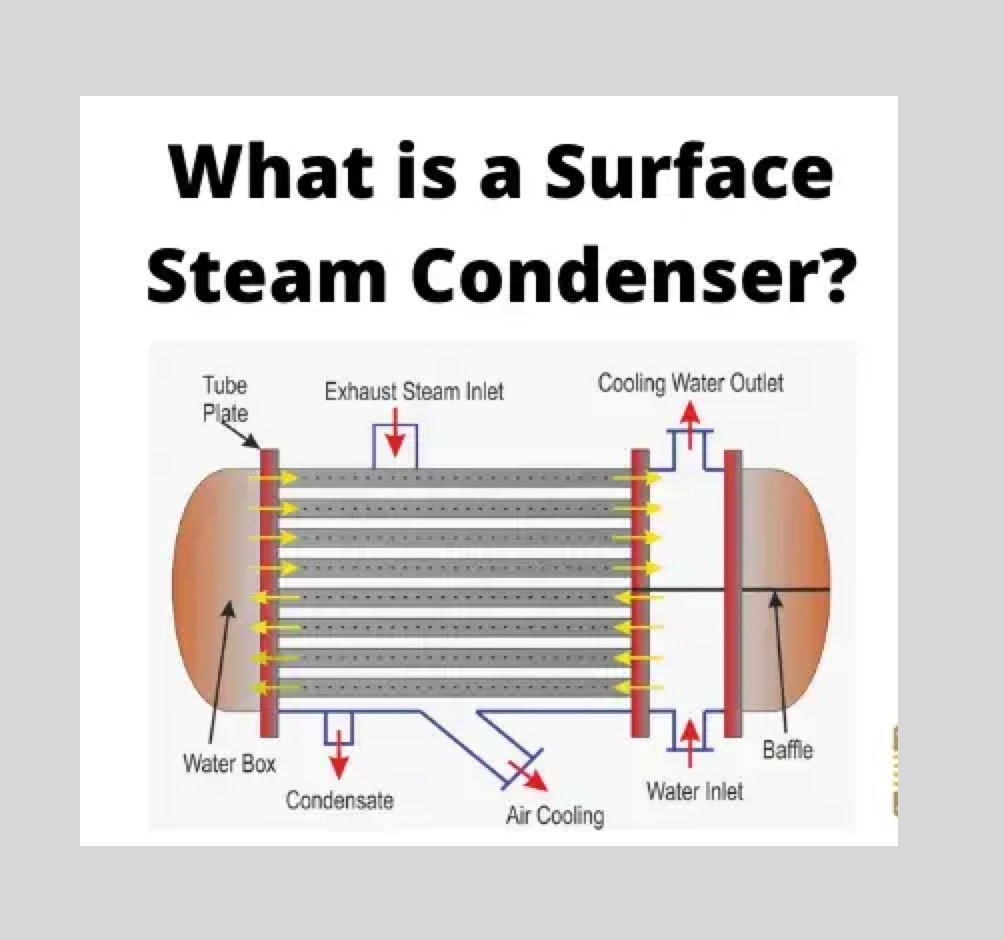
What is a Surface Steam Condenser?
A surface steam condenser is a device that cools and condenses the exhaust steam from a steam turbine in a thermal power plant or other applications that use steam. The main purpose of a surface steam condenser is to increase the efficiency of the turbine by creating a low-pressure environment at the turbine outlet and to recover the pure water from the steam for reuse as boiler feed water.A surface steam condenser consists of a shell that contains a large number of tubes through which cooling w
03/21/2024
Consult
Tip
Consult
Tip
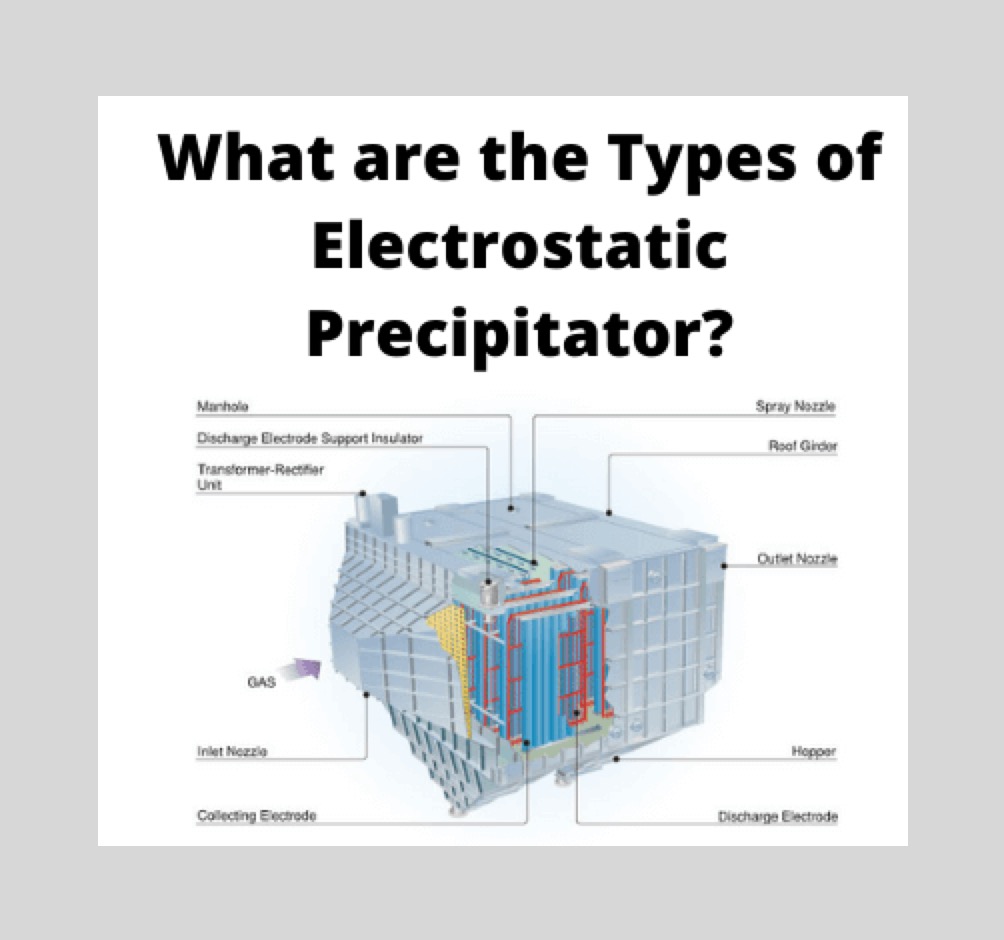
Types of Electrostatic Precipitator
The world is slowly but continually moving towards a greener future. There is much excitement among engineers about the prospects of greener technology. However, coal-based power plants are still the primary source of electrical power in many countries. Baring few countries in the world like Norway or Iceland, all other countries depend heavily on coal to produce the bulk of the electricity demand. Coal necessitates that we use some technology to reduce the pollution that is caused by such power
03/21/2024
Consult
Tip
Consult
Tip
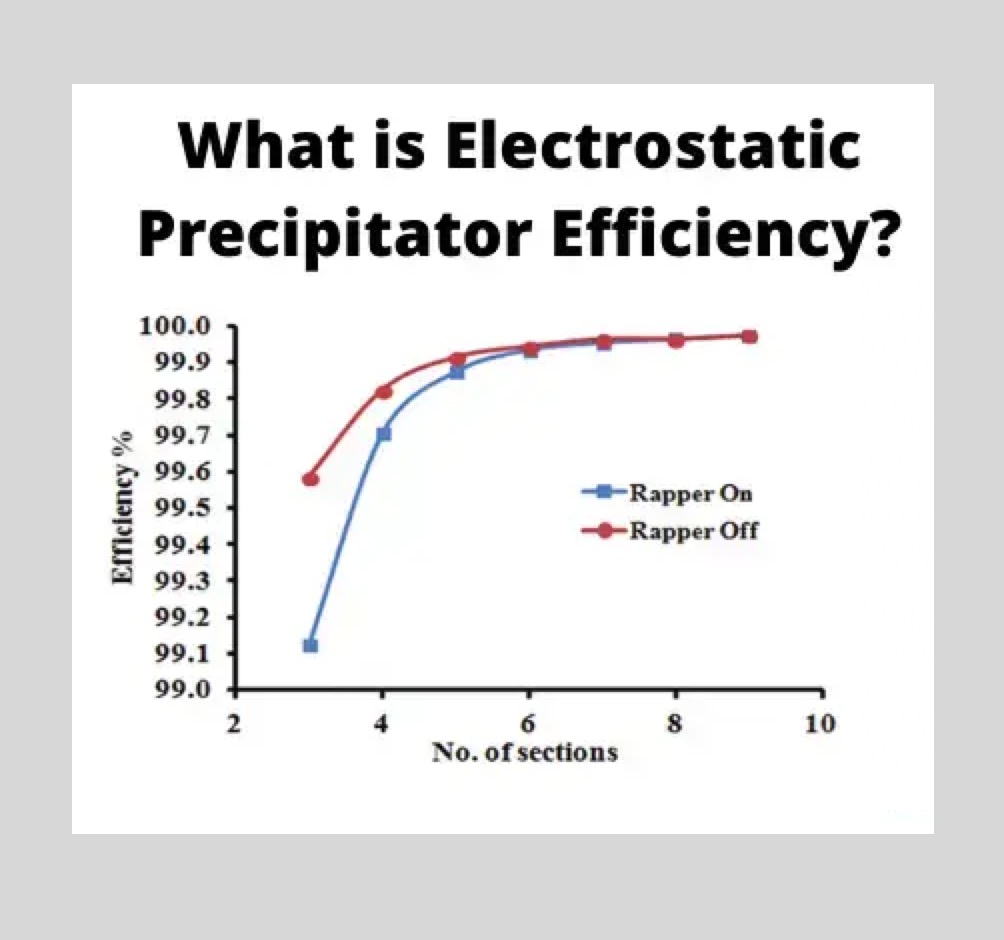
Electrostatic Precipitator Efficiency
Electrostatic precipitators have become the norm now in industries. Due to strict regulation and ever-increasing air pollution, installing one in a thermal power plant or any other power plants where flue gases are released, have become a necessity. But whether electrostatic precipitators perform the function expected from them can be determined by measuring the efficiency of the device. Different industries have different efficiency requirement. We are going to figure out a way to find the effi
03/21/2024
Consult
Tip
Consult
Tip
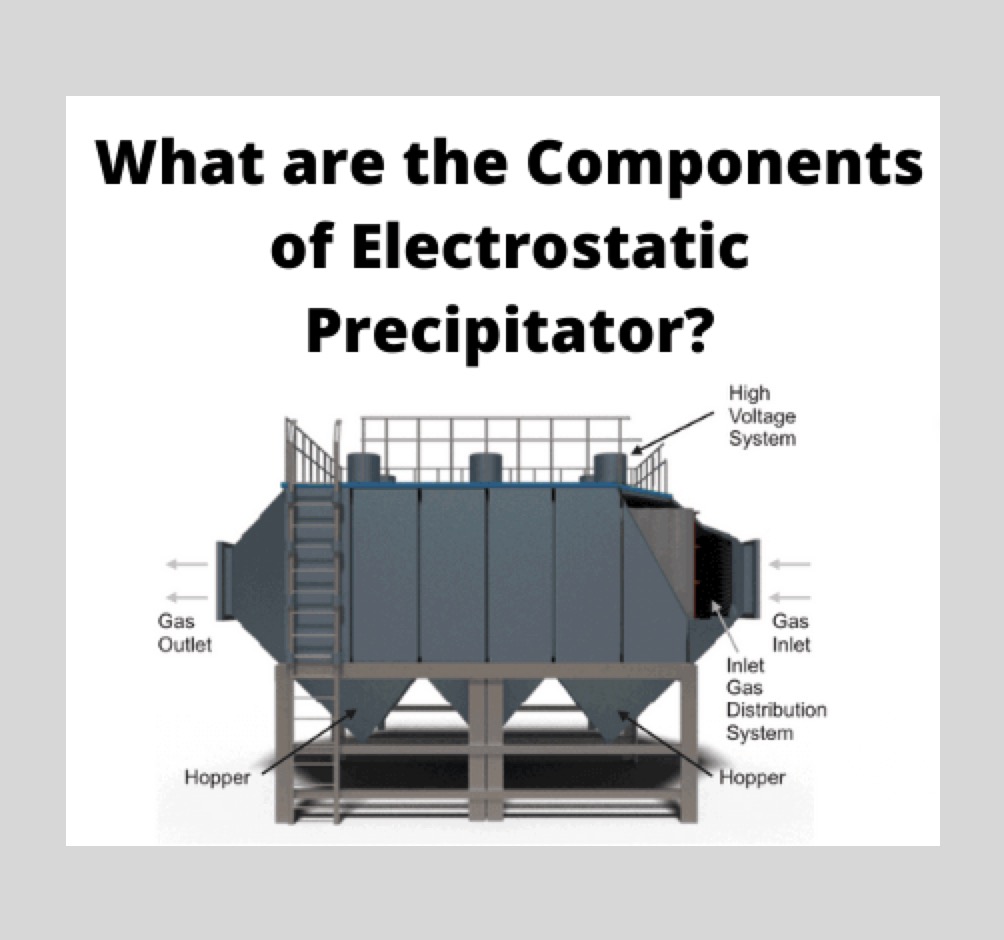
Components of Electrostatic Precipitator
Electrostatic precipitators are mandatory nowadays in thermal power plants and other power plants where there is a discharge of flue gases. With ever increasing concern about environmental pollution and the need to reduce it, electrostatic precipitators have become a necessity. Electrostatic precipitator uses the high-intensity electric field to ionise the dust particles in the air stream, and then the dust particles get collected by oppositely charged collectors (electrodes). The dust particles
03/21/2024
Consult
Tip
Consult
Tip
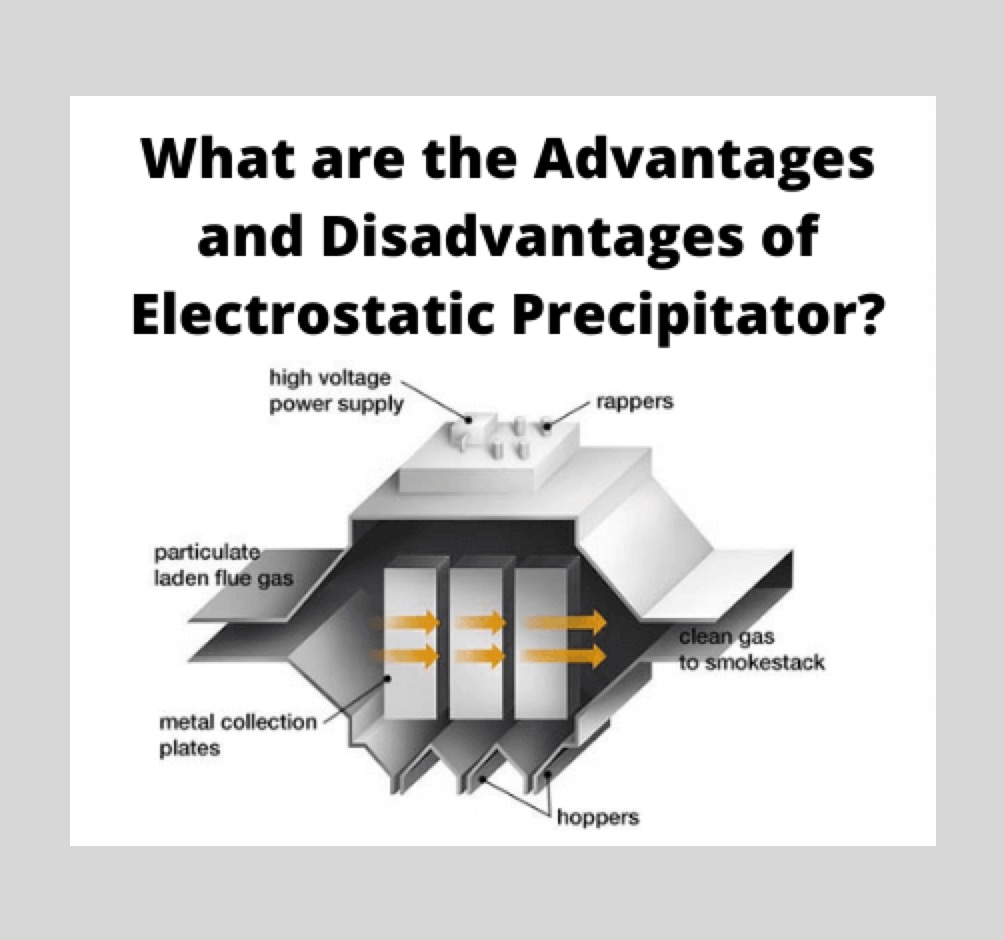
Advantages and Disadvantages of Electrostatic Precipitator
Electrostatic precipitators are ubiquitous nowadays in thermal power plants due to ever-increasing concern about environmental pollution. Electrostatic precipitator uses the high-intensity electric field to ionise the dust particles in the air stream and then the dust particles are collected by oppositely charged collectors (electrodes). The dust particles, once collected are removed from the collector plates periodically by hammering the collectors by a different mechanism.But all devices have
03/21/2024
Consult
Tip
Consult
Tip
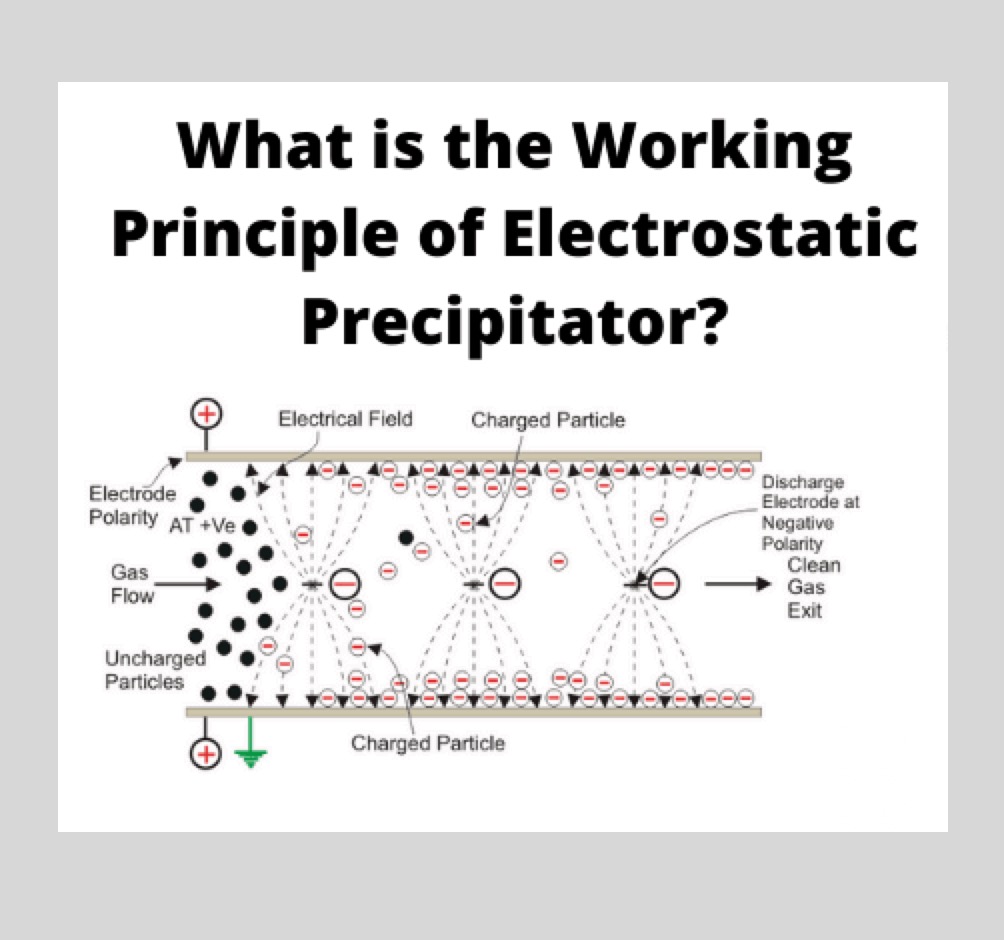
Electrostatic Precipitator: What is it And How Does it Work?
The flue gases produced due to the combustion of solid pulverized fuel in the furnace contain plenty of dust particles.When a chimney releases these flue gases in the atmosphere without filtering these dust particles, the atmosphere may get polluted.Hence, these dust particles need to be removed from the flue gases as much as possible before these flue gases get discharged into the atmosphere. By removing the dust particles from flue gases, we can control air pollution.An electrostaticprecipitat
03/21/2024
Consult
Tip
Consult
Tip
Send inquiry
+86
Click to upload file
Download
Get the IEE Business Application
Use the IEE-Business app to find equipment, obtain solutions, connect with experts, and participate in industry collaboration anytime, anywhere—fully supporting the development of your power projects and business.