• Product
  • Suppliers
  • Manufacturers
  • Solutions
  • Free tools
  • Knowledges
  • Experts
  • Communities
Search


Free Expert Guides on Power Systems, Circuit Design & Electrical Troubleshooting

Access free engineering resources from IEE Business—covering power design, circuit layout, equipment selection, and troubleshooting. Expert-developed guides help engineers, procurement, and project teams make better decisions. Stay ahead on smart grids, renewables, efficiency, and AI tools. Improve reliability, reduce downtime, and enhance outcomes with real-world solutions. Explore our knowledge hub today.
SF6 Leak Detection Methods for GIS Equipment
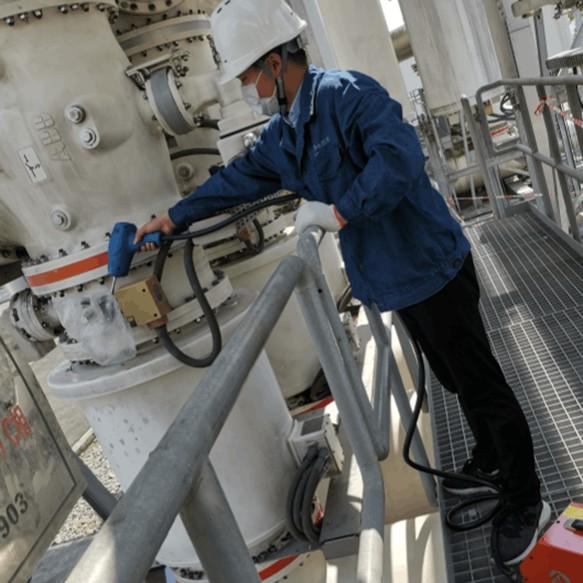
For SF6 gas leakage rate detection in GIS equipment, when using the quantitative leak detection method, the initial SF6 gas content in the GIS equipment must be accurately measured. According to relevant standards, the measurement error should be controlled within ±0.5%. The leakage rate is calculated based on changes in gas content after a period of time, thereby evaluating the sealing performance of the equipment.In qualitative leak detection methods, direct visual inspection is commonly used,
10/31/2025
Consult
Tip
Consult
Tip
Top 5 Critical Process Controls for GIS Installation & Commissioning
This paper briefly outlines the advantages and technical characteristics of GIS (Gas-Insulated Switchgear) equipment, and elaborates on several critical quality control points and process control measures during on-site installation. It emphasizes that on-site withstand voltage tests can only partially reflect the overall quality and installation workmanship of GIS equipment. Only by strengthening comprehensive quality control throughout the entire installation process—especially in key areas su
10/29/2025
Consult
Tip
Consult
Tip
GIS Bolt Tightening Torque Standards by Material & Size
GIS (Gas-Insulated Metal-Enclosed Switchgear) contains numerous bolted and screwed connections, and the tightening torque varies depending on bolt material, size, and application. The recommended tightening torque values are listed below for reference:Table 1 Tightening Torque Values for Bolts of Different Materials and Sizes (N·m / kgf·cm) Thread Diameter (mm) Q235 (A3) Cast Insulator 45 Steel Chrome-Molybdenum Steel Stainless Steel M6 5.88/60 3.92/40 12.3/125 19.6/
10/24/2025
Consult
Tip
Consult
Tip
Why You Can't Remove Siemens GIS Bushing Cover for PD Testing
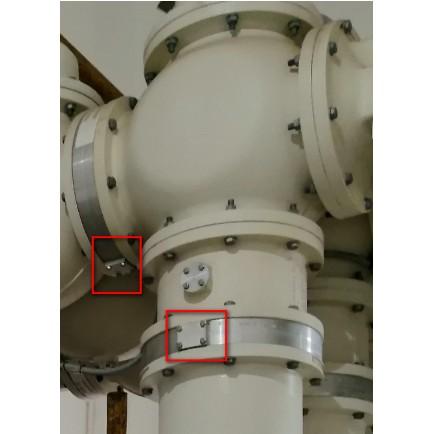
As the title suggests, when performing live partial discharge (PD) testing on Siemens GIS using the UHF method—specifically by accessing the signal through the metal flange of the bushing insulator—you must not directly remove the metal cover on the bushing insulator.Why?You won’t realize the danger until you try. Once removed, the GIS will leak SF₆ gas while energized! Enough talk—let’s go straight to the diagrams.As shown in Figure 1, the small aluminum cover inside the red box is typically th
10/24/2025
Consult
Tip
Consult
Tip
Why Cement Sealing Is Banned for GIS Wall Penetrations?
Indoor GIS equipment typically involves wall-penetrating installations, except in cases with cable in/out connections. In most cases, the main or branch bus duct extends from indoors through a wall to the outdoor side, where it connects to porcelain or composite bushings for overhead line connections. The gap between the wall opening and the GIS bus enclosure, however, is prone to water and air leakage and therefore usually requires sealing. This article discusses why cement-based sealing is not
10/24/2025
Consult
Tip
Consult
Tip
How Acoustic Imaging Locates GIS Defects
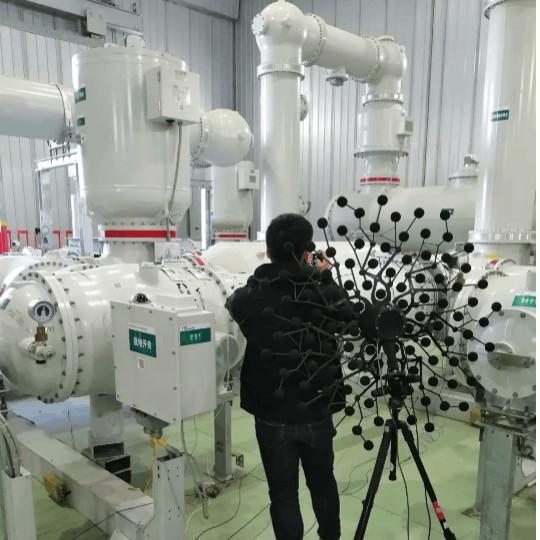
In recent years, acoustic imaging technology for GIS defect detection has developed rapidly. This technology enables intuitive sound source localization, helping operation and maintenance personnel focus on the exact location of GIS defects, thereby improving the efficiency of defect analysis and resolution.Sound source localization is only the first step. It would be even more ideal if common GIS defect types could be automatically identified using artificial intelligence (AI), along with intel
10/24/2025
Consult
Tip
Consult
Tip
What is GIS (Gas-Insulated Switchgear)? Features, Types, and Applications
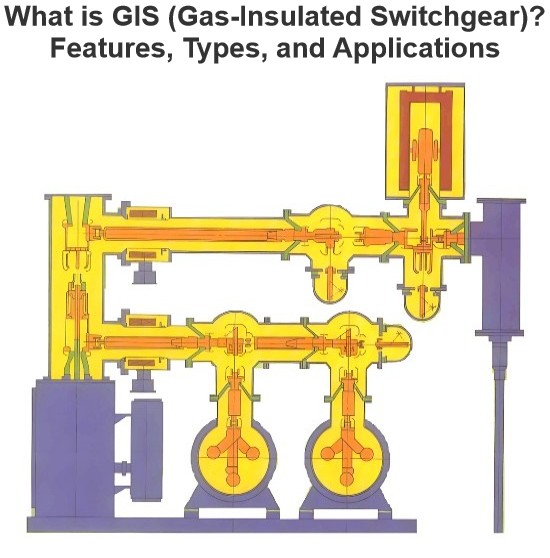
What is GIS Equipment?GIS is the English abbreviation for Gas Insulated Switchgear, which is fully translated into Chinese as Gas-Insulated Metal-Enclosed Switchgear. It typically uses sulfur hexafluoride (SF6) gas as the insulating and arc-quenching medium. GIS integrates, through optimized design, the main primary equipment in a substation—excluding the transformer—such as circuit breakers (CB), disconnectors (DS), earthing switches (ES/FES), busbars (BUS), current transfor
08/18/2025
Consult
Tip
Consult
Tip
What are the applications of GIS voltage transformers in digital substations?
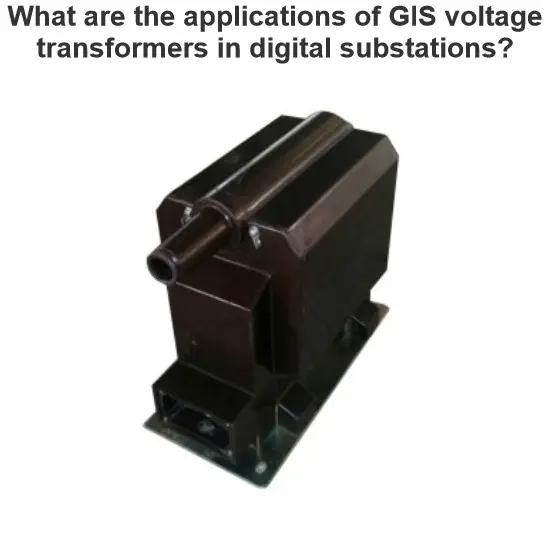
Hey everyone, I’m Echo, and I’ve been working with voltage transformers (VTs) for 12 years.From learning how to wire and do error tests under my mentor’s watchful eye, to now participating in all kinds of smart substation projects — I’ve seen the power industry evolve from traditional systems to fully digital ones. Especially in recent years, more and more 220 kV GIS systems are adopting electronic voltage transformers (EVTs), slowly replacing th
07/09/2025
Consult
Tip
Consult
Tip
What should be noted when selecting and installing GIS voltage transformers?
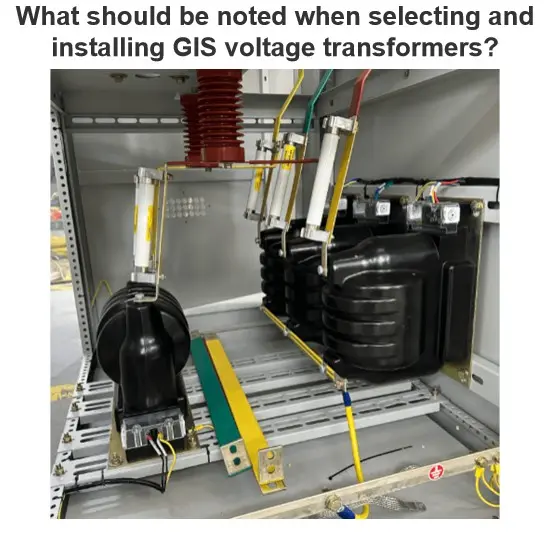
In power systems, voltage transformers in GIS (Gas Insulated Switchgear) play a crucial role in voltage measurement and relay protection. Selecting the right model and installing it correctly is vital for the stable operation of the equipment. The following points should be noted regarding selection and installation.I. Key Points for Selection(1) Matching Rated Parameters Voltage Level: It must be consistent with the voltage level of the GIS system. For example, 110kV and 220kV GIS systems requi
07/08/2025
Consult
Tip
Consult
Tip
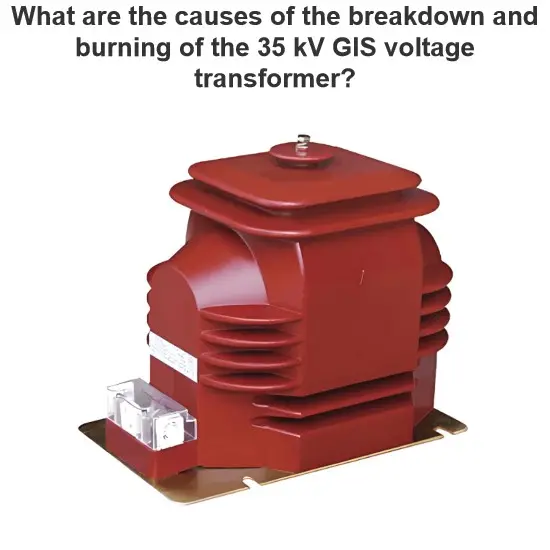
What are the causes of the breakdown and burning of the 35 kV GIS voltage transformer?
1. Accident Overview1.1 Structure and Connection of 35kV GIS Switchgear Voltage TransformerThe ZX2 gas-insulated double-bus switchgear, manufactured in March 2011 and officially put into operation in July 2012, is configured with two groups of bus voltage transformers (PTs) for each bus section. The two PT groups of the same bus section are designed in one switchgear cabinet with a width of 600 mm. The three-phase PTs are arranged in a triangular formation at the bottom of the cabinet.The PTs ar
07/08/2025
Consult
Tip
Consult
Tip
Send inquiry
+86
Click to upload file
Download
Get the IEE Business Application
Use the IEE-Business app to find equipment, obtain solutions, connect with experts, and participate in industry collaboration anytime, anywhere—fully supporting the development of your power projects and business.